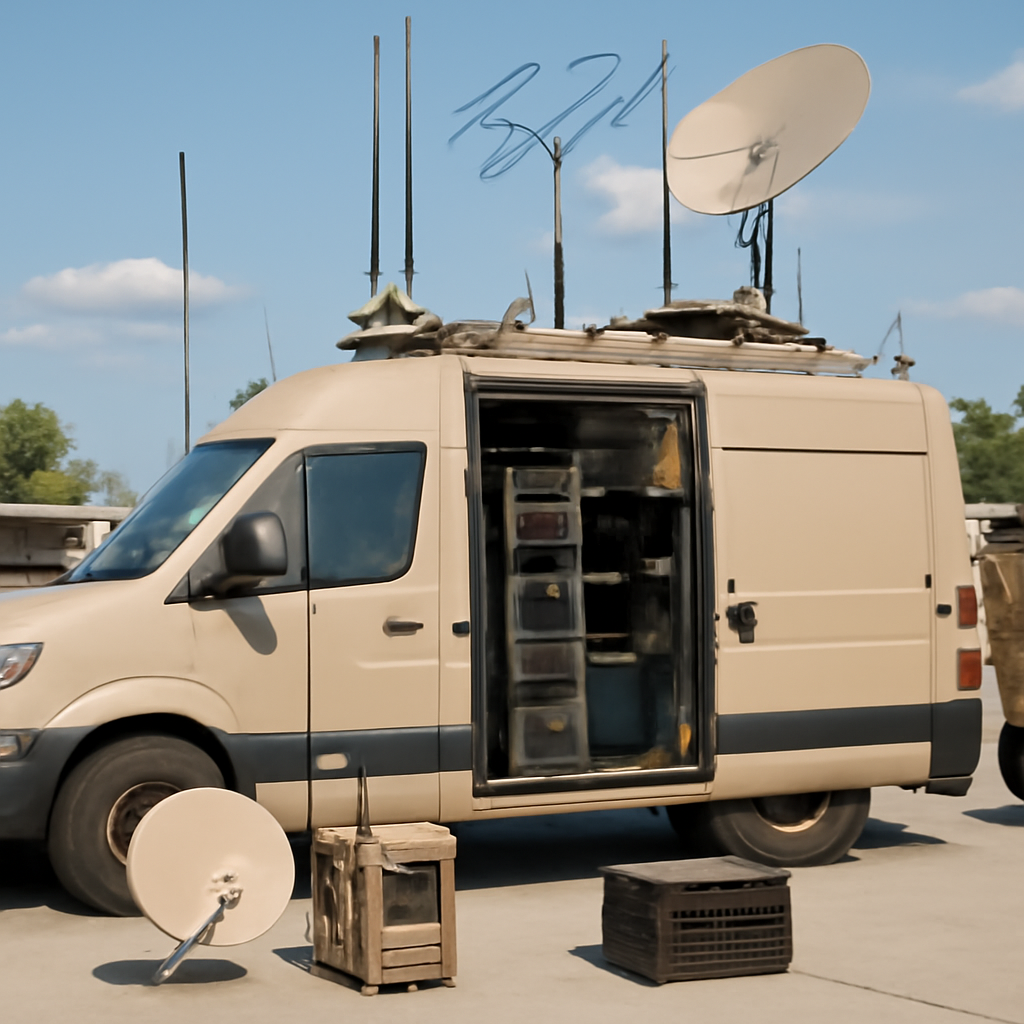
"We were operating under a model where we deploy big comm packages that took 10 pallets, about 20 tons, about 40 people to deploy. We can’t do that anymore," Brig. Gen. Jeffrey Phillips, the Air Force’s deputy chief of staff for warfighter communications and cyber systems, told Breaking Defense.
Portability and a new office for warfighter communications
Two months into a job created in July 2025 after the Air Force split its A/26 directorate, Brig. Gen. Jeffrey Phillips is driving a rewrite of how the service delivers command-and-control (C2) and edge communications. His office — established to give a dedicated general officer direct access to the Air Force secretary on communications and enterprise IT matters — has senior leader buy-in for C2 goals, Phillips said.
PACE plans exposed during Operation Epic Fury
Operation Epic Fury revealed a stark shortfall in redundancy. Phillips said the Air Force discovered it "only had the primary means of communications with no redundancies." The service lacked the Alternate, Contingency and Emergency parts of a PACE plan — a Primary, Alternate, Contingency and Emergency mechanism used to prepare multiple means of communications — and had been "building that alternate and that contingency on the fly," he said.
To capture lessons, combat communications experts from European Command and Central Command convened at Shaw Air Force Base, South Carolina. Phillips described the debrief as blunt and pragmatic: the group was "locked...in a room with a couple pizzas" and tasked to identify what Epic Fury taught them. One recommendation — to stop relying on a single, large, slow-to-deploy comm package — is already being integrated into exercises, Phillips said.

This site is the portfolio.
OSINTSights runs on Cloudflare Workers, D1, R2, and Vectorize, with an AI pipeline on Hetzner ARM. Nubivance designed, built, and operates it. We do the same for clients.
See what we buildBeyond-line-of-sight kits, commercial SATCOM and transport diversity
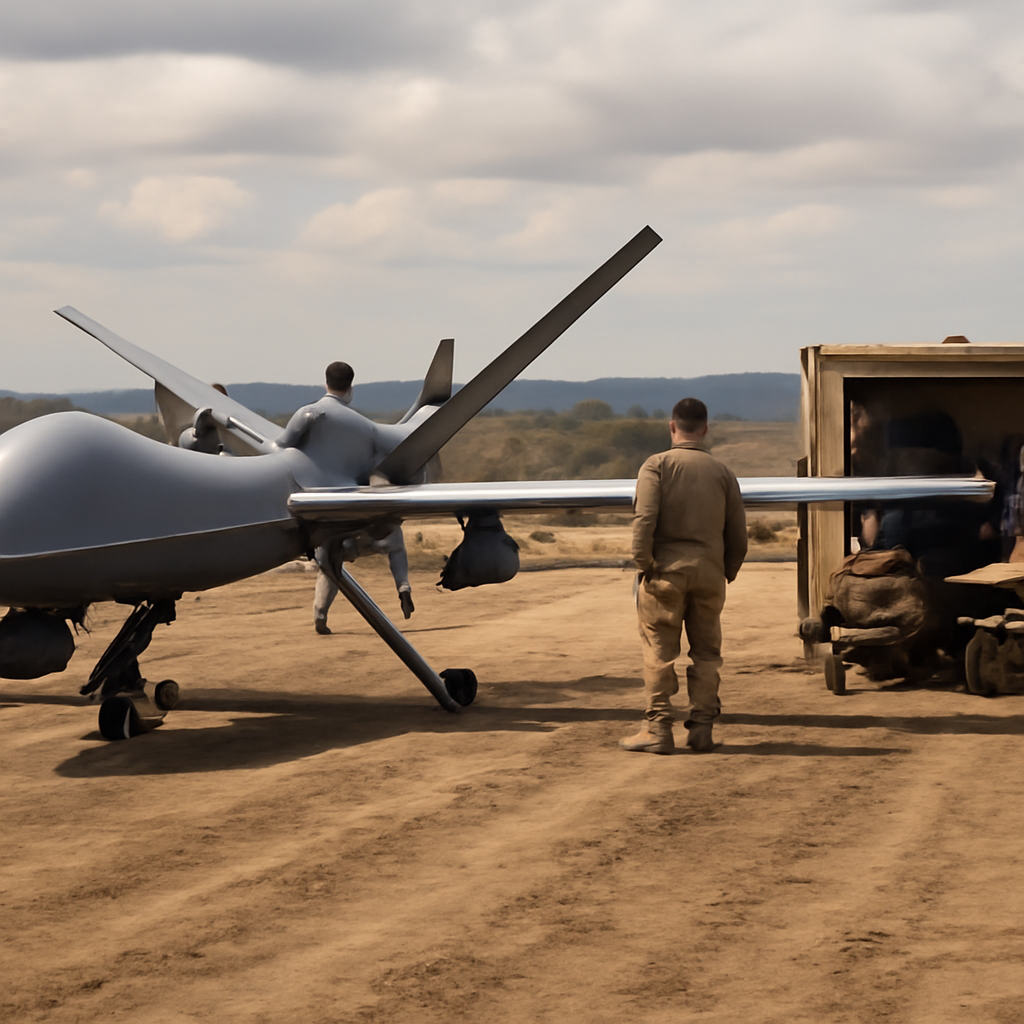
Phillips said some beyond-line-of-sight kits were employed successfully by aviators during recent operations, and the Air Force is attempting to proliferate those kits across the aircraft inventory. "There’s not a one-size solution that fits all of our different aircraft," he said, and many of the capabilities rely on commercial satellite capabilities that the service intends to leverage.
"We can’t rely on all MILSATCOM anymore. There’s not enough of it," Phillips said. "I want to be able to use whatever transport we need that’s available to us. It could be 5G, it could be commercial SATCOM, could be MILSATCOM, or it could be terrestrial." The message is clear: the service intends to diversify transports rather than remain dependent on a single class of satellite communications.
Edge connectivity, intelligence-community kits, and speed-to-theater
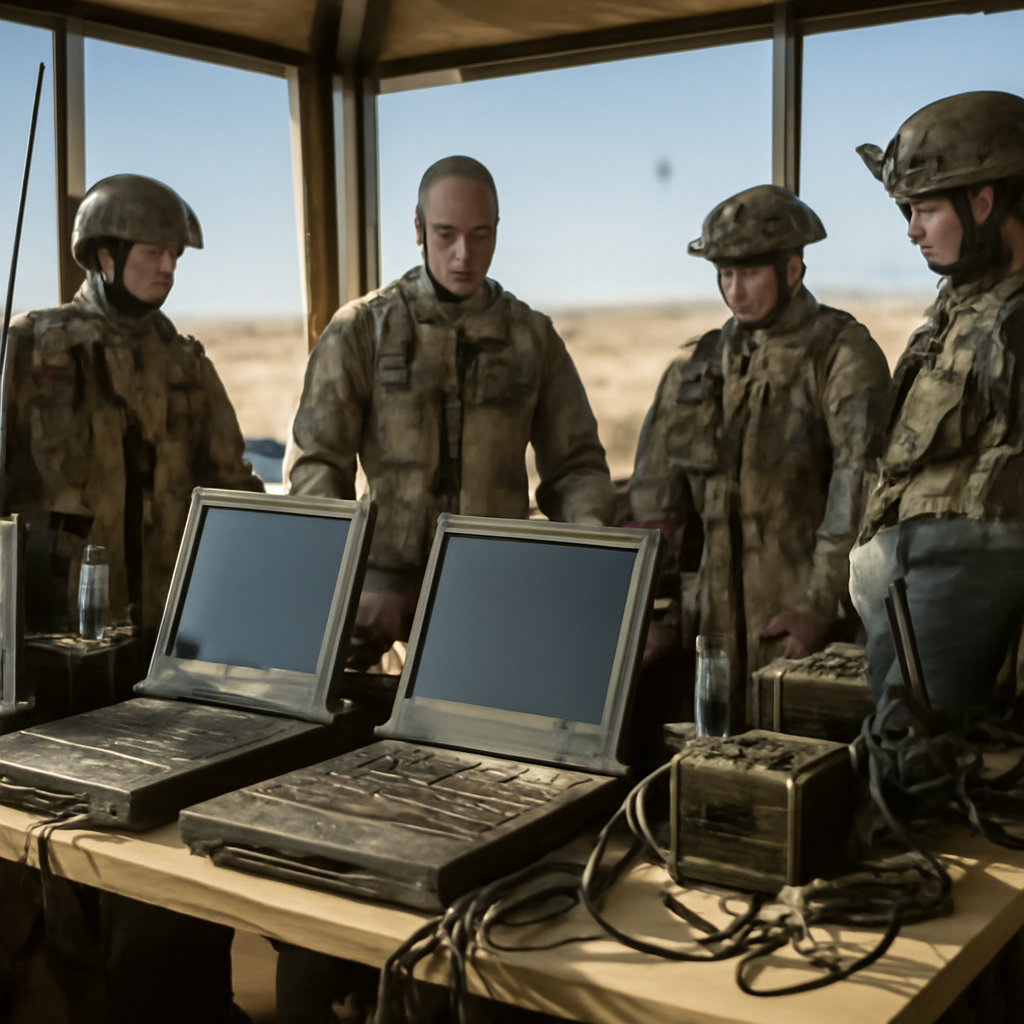
One operational focus during Epic Fury was getting edge connectivity to frontline airfields and forward positions where personnel use ruggedized laptops or radios. According to Phillips, Air Force kits were too slow to arrive; initially, airmen had to partner with the intelligence community to use deployable Joint Worldwide Intelligence Communications System kits. Those smaller IC kits, Phillips said, were "smaller and more agile" and provided connectivity relatively quickly.
Phillips also called for training and organizational changes. "We have to be comfortable being uncomfortable," he said, noting the end of an era of massive, fixed airbases with regular amenities and schedules. Units must be ready to move when a location "is not viable anymore."
Software-defined networking and bandwidth as a consumable
On the network side, Phillips described efforts to use software-defined networking to collapse four or five independent networks into one that is classification- and transport-agnostic, with a seamless user experience. Parallel to that, the Air Force is beginning to treat bandwidth like a commodity — "similar to fuel, bullets and food" — and is asking whether they have "enough bandwidth to do what we want to do at this location."
For years the service relied on "[Defense Information Systems Agency Standard Tactical Entry Point] sites" to connect back into the network, many of which depended on MILSATCOM. Phillips said those MILSATCOM capabilities "didn’t provide enough bandwidth to do things like C2 at the edge."
What this means for aviators, combat communications teams, and acquisition leaders
- Aviators: expect more beyond-line-of-sight kits across aircraft and a push to use commercial SATCOM, 5G or terrestrial links when MILSATCOM is insufficient.
- Combat communications teams: will be asked to shift from large, palletized packages toward systems "carriable by one person" and operable by one or two people, and to exercise alternate, contingency and emergency comms plans.
- Acquisition and planners: must prioritize transport diversity, software-defined networking architectures, and exercises that bake in PACE redundancy rather than assuming a single primary channel.
Phillips’ account ties operational lessons from Epic Fury to institutional change: training, smaller deployable kits, multiple transports, and a software-centric approach to networks. The next concrete steps he described are already underway — lessons are being folded into exercises, and his office is pushing changes that range from kit form factor to how the Air Force budgets and measures bandwidth. Whether those changes will close the gaps Epic Fury exposed will depend on procurement timelines, fielding speed, and the service’s ability to adopt a more transport-agnostic mindset.