[SPONSOREDNUBIVANCE]
Know a small business winging it on security?
No IT department, no security budget, real exposure. Nubivance builds right-sized security foundations for small companies. Send them this.
Send it along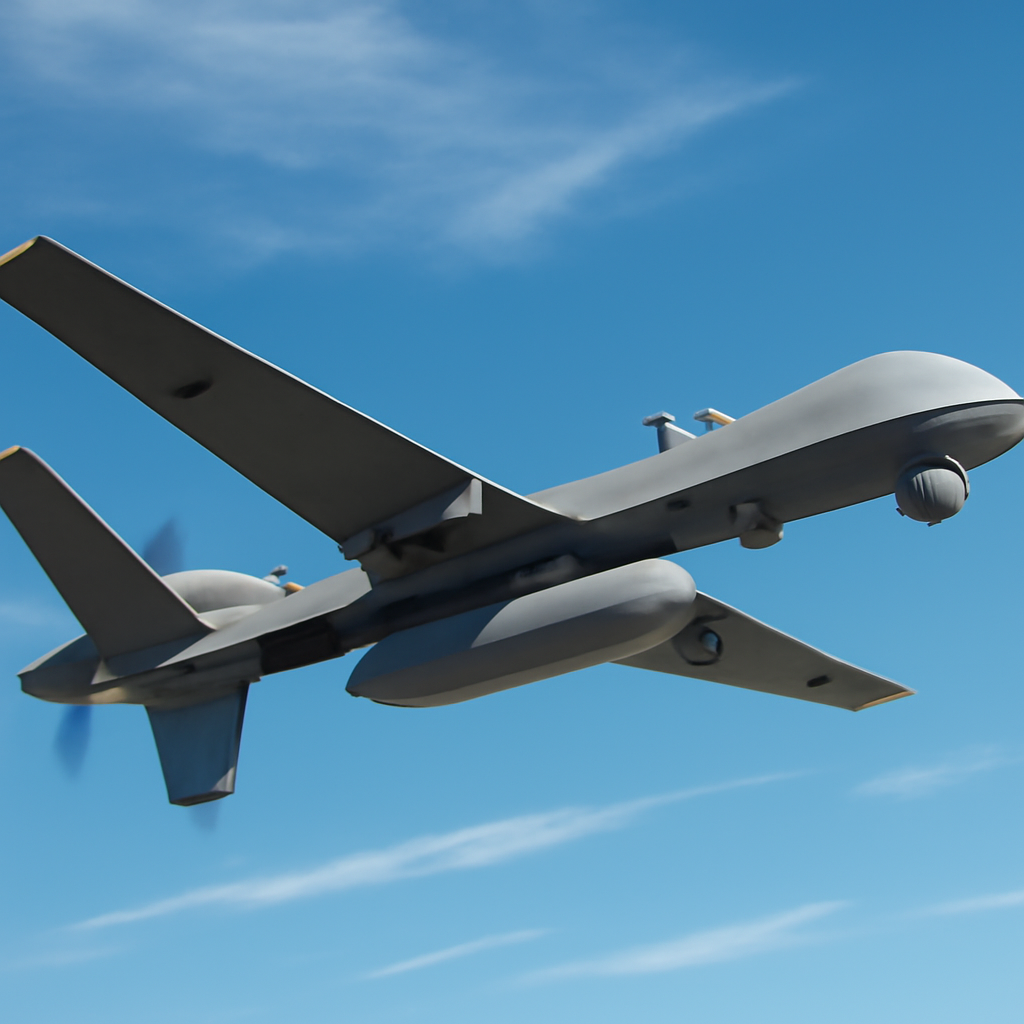
The MQ-9 Reaper just took its defensive capabilities to new heights with the successful flight test of an airborne early warning radar pod, giving it critical aloft sensing to detect and defend against a range of threats. This game-changing upgrade was made possible through a partnership with Saab, which supplied the innovative LoyalEye radar system.

Embraer is ramping up production of its KC-390 Millennium aircraft to meet surging global demand, with plans to build six this year and ten by the end of the decade. The company is gearing up to meet current customer commitments and future needs, according to Marcio Monteiro, chief marketing officer of Embraer's defense division.

The US Navy is seeking industry proposals to dispose of the historic USS Long Beach, a 721-foot-long behemoth that has languished at Puget Sound Naval Shipyard since its decommissioning in 1995. Once a powerful warship, the Long Beach now sits idle, its superstructure stripped and reactors defueled, awaiting its final fate.

To modernize effectively, federal agencies must put people first, prioritizing clear communication and collaboration to drive worker buy-in and prepare employees for success in new environments and roles. By doing so, they can reduce resistance to change and set themselves up for a smoother transition.

The Senate Armed Services Committee is pushing to give the Office of Strategic Capital explicit authority to take equity stakes in private companies crucial to national security, a move that could reshape the Pentagon's investment landscape. This development could have significant implications for the future of defense innovation and investment.
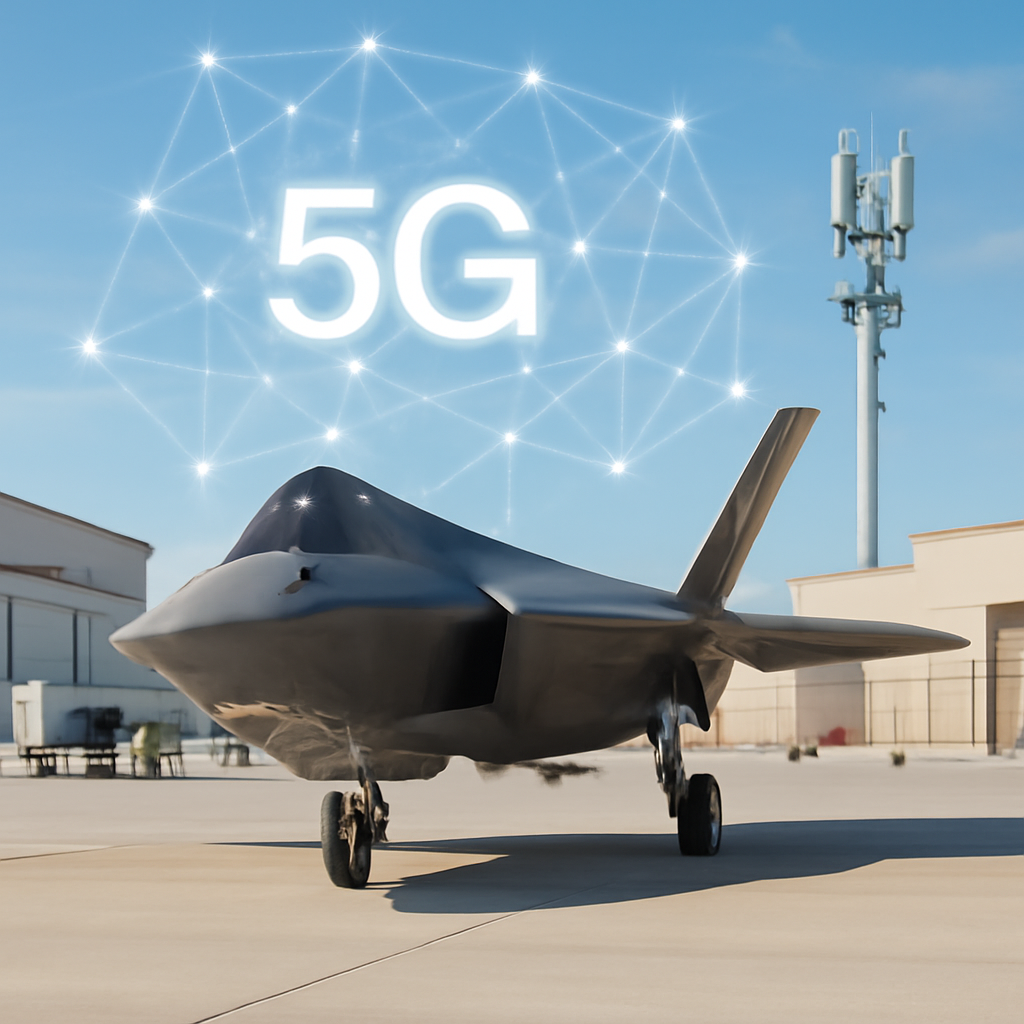
Russia's Vladimir Putin has offered India a game-changing deal: joint production of the cutting-edge SU-57 fifth-generation fighter aircraft, with no strings attached. The proposal comes at a critical time for India's air power ambitions.
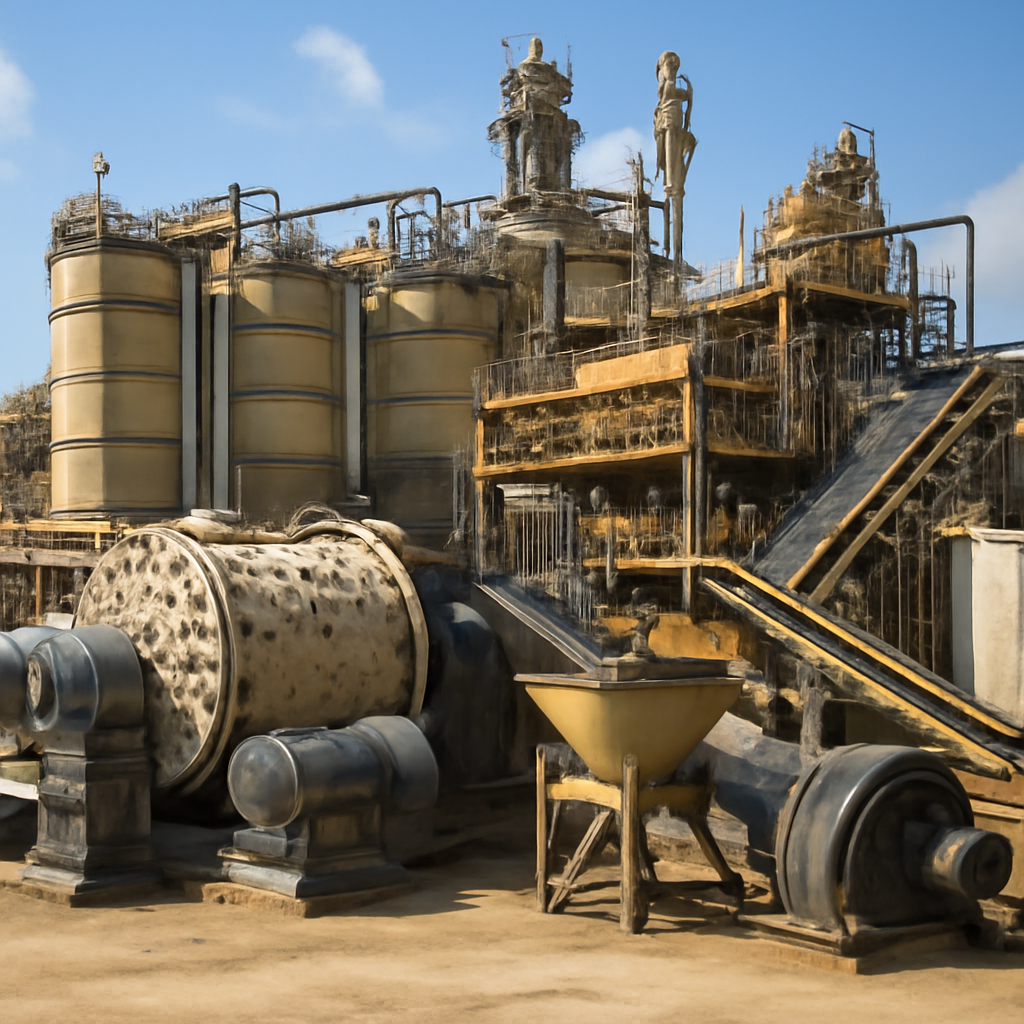
The Pentagon is investing $1.2 billion to boost the US rare earth supply, with $725 million going to Energy Fuels and $500 million to Phoenix Tailings to enhance domestic processing and magnet production. This significant move aims to strengthen America's foothold in the critical rare earths sector.

India's government took swift action against Telegram, warning the platform about exam leak channels just two weeks before blocking it nationwide, as a crucial medical school entrance exam approached. The move came after complaints of leaked NEET-UG 2026 material being shared on the platform.
No IT department, no security budget, real exposure. Nubivance builds right-sized security foundations for small companies. Send them this.
Send it along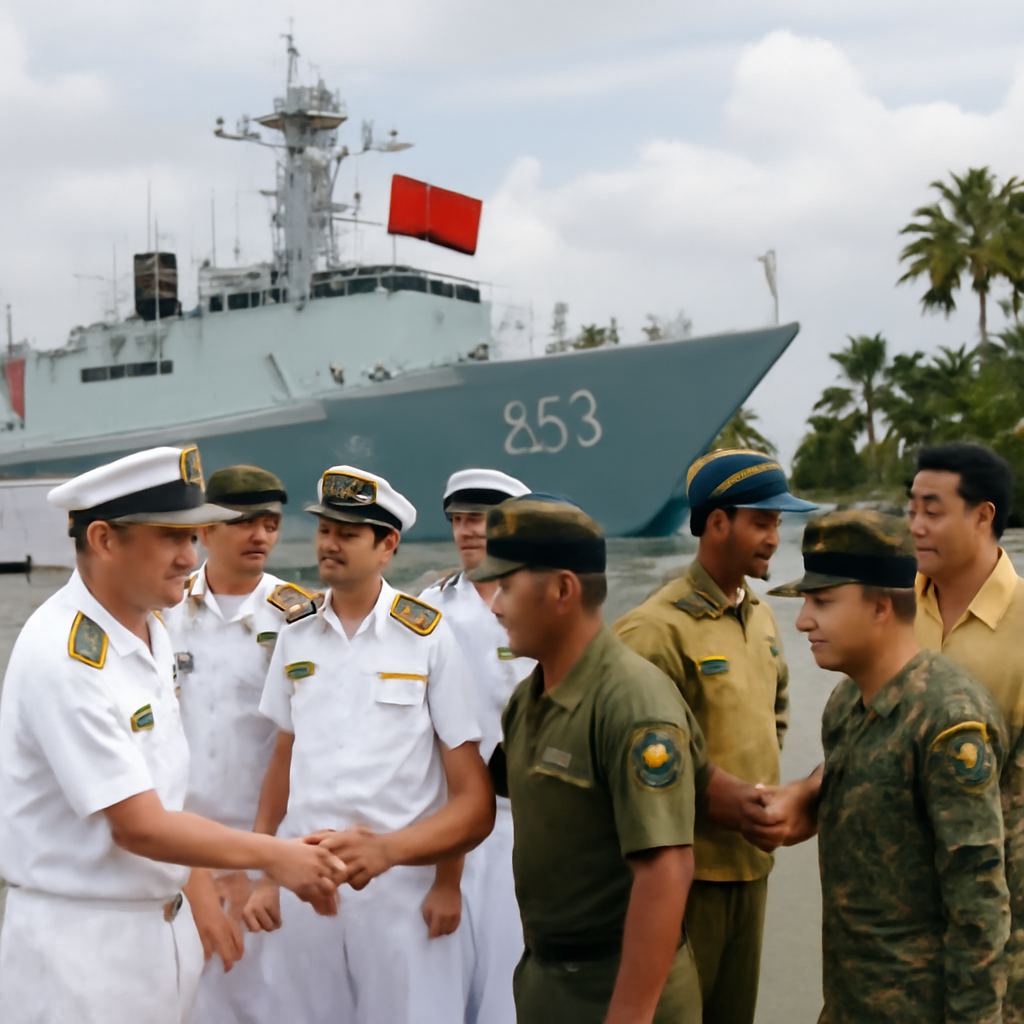
China's military presence in the Indo-Pacific has undergone a significant transformation, evolving from a regional focus to a broader security footprint across the region. From peacekeeping to counter-piracy missions, China's defence diplomacy has become a central tool of statecraft under Xi Jinping's leadership.
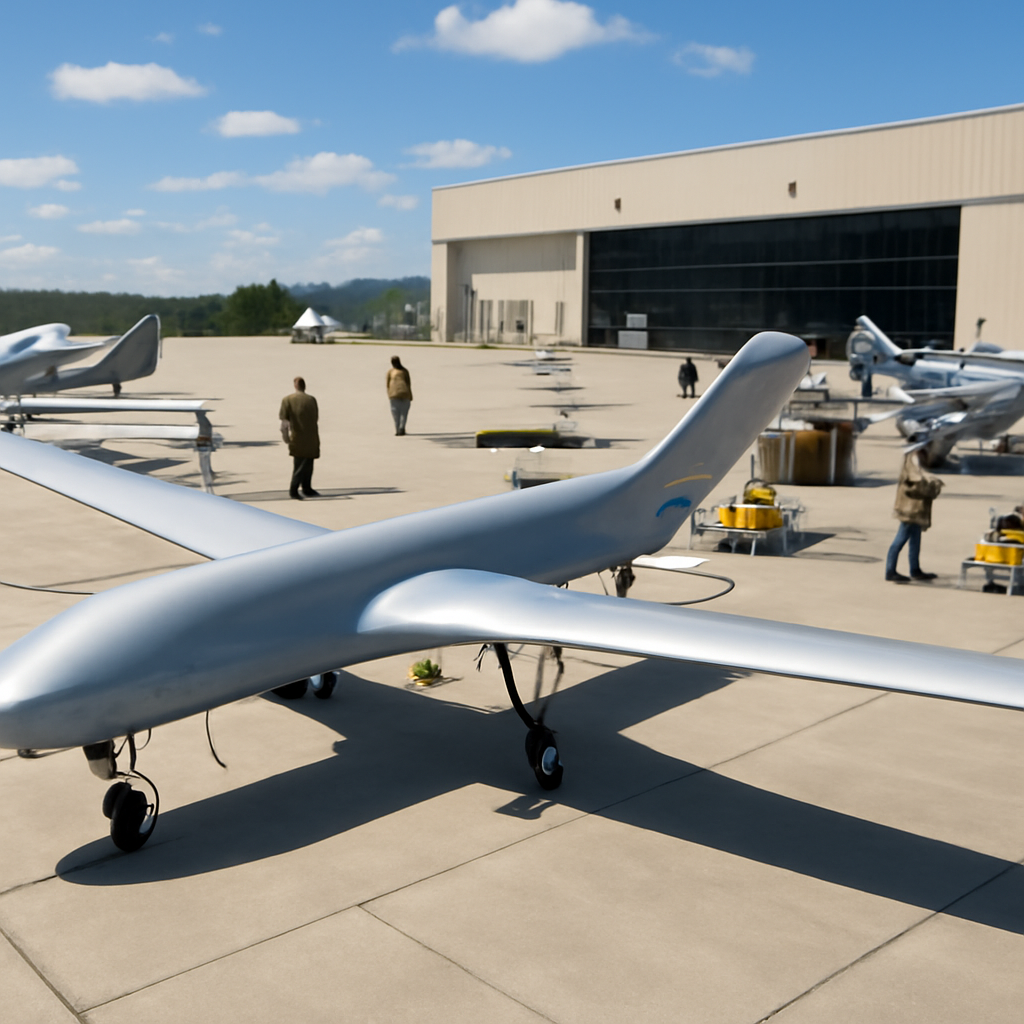
The US Air Force is ramping up production of cutting-edge drones from General Atomics and Anduril, aiming to deploy highly advanced semi-autonomous systems that stay ahead of emerging threats. This accelerated production move follows a competitive selection process, and marks a major milestone in the development of Collaborative Combat Aircraft.

As the global market for Collaborative Combat Aircraft takes off, Honeywell Aerospace is strategically positioning itself to meet the surging demand for critical components that will enable loyal wingman drones to fly alongside manned aircraft. With the CCA market poised for dramatic growth, suppliers will face mounting pressure to deliver the parts and systems that unlock the full potential of these game-changing aircraft.
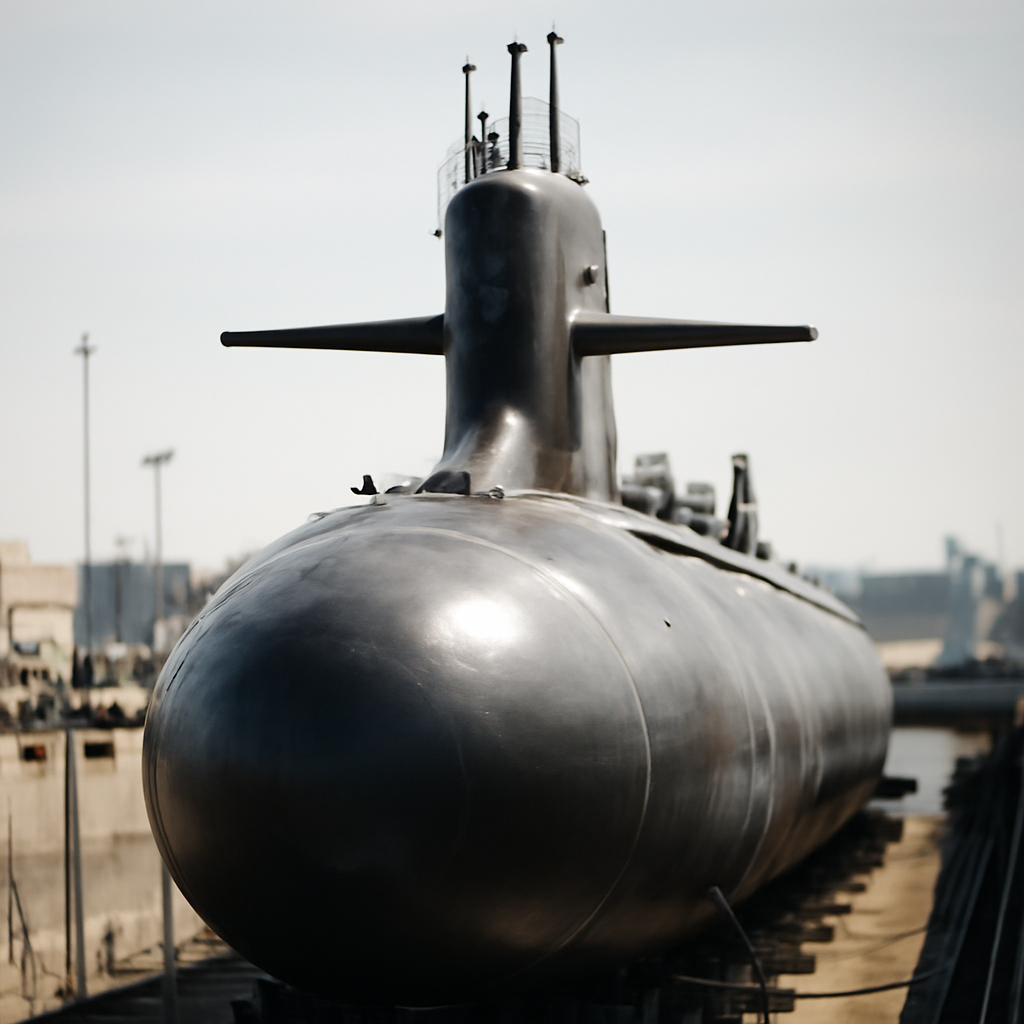
Australia's nuclear-powered submarines will play a critical role in defending its maritime borders, with a key focus on detecting and countering threats from Chinese submarines. The vessels will be essential in finding, tracking, and neutralizing enemy subs to safeguard national security.
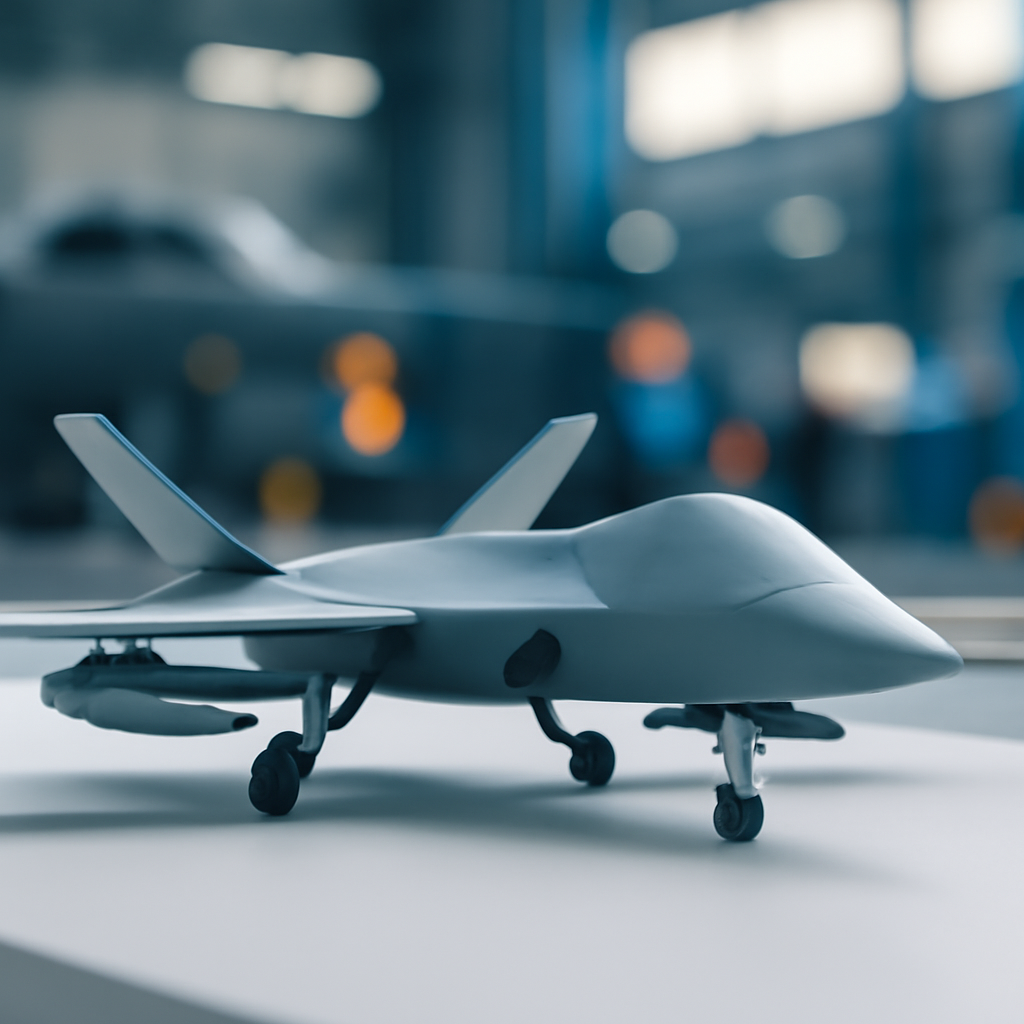
The Air Force has taken a major leap forward in drone technology, awarding production contracts to Anduril and General Atomics for its first collaborative combat aircraft, also known as drone wingmen. This move enables the rapid deployment of semi-autonomous systems to stay ahead of emerging threats.
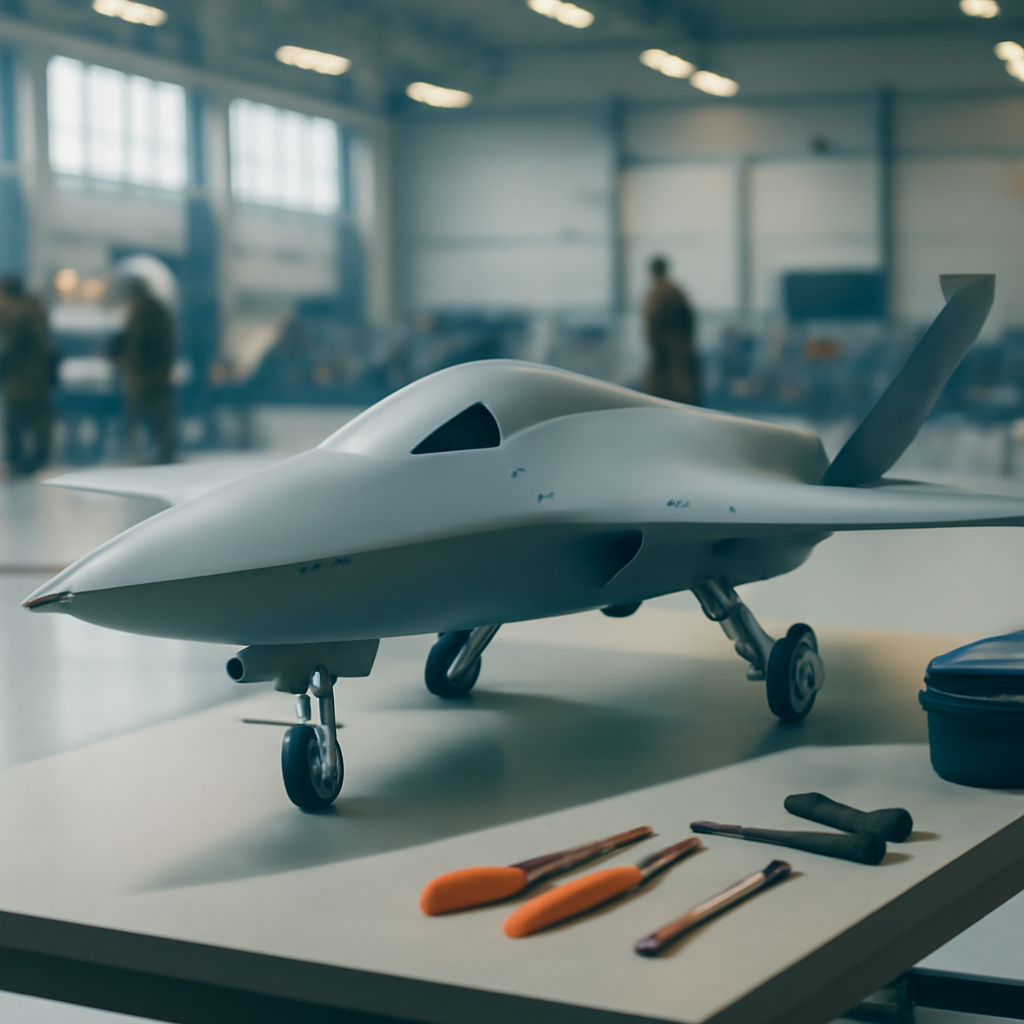
The US Air Force has taken a major leap forward in its drone program, selecting General Atomics and Anduril to produce the first batch of Collaborative Combat Aircraft (CCA) drones, a crucial step from prototyping to production. This $2.4 billion initiative is set to revolutionize military operations with cutting-edge drone technology.
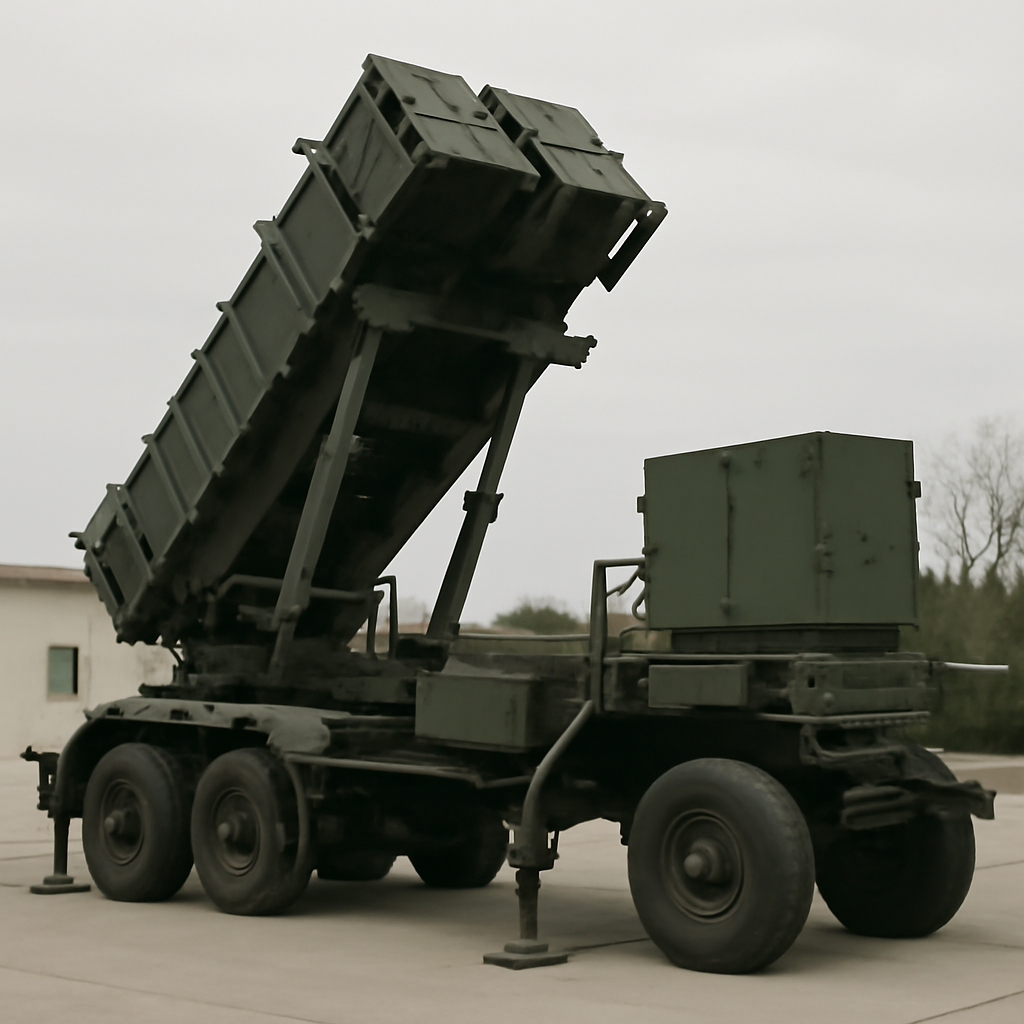
The Senate Armed Services Committee is pressing the Pentagon for answers on whether it can ramp up deliveries of crucial Patriot interceptors to Ukraine, following concerning cutbacks in supplies. Ukrainian President Volodymyr Zelensky revealed that monthly shipments of PAC-3 missiles were slashed due to competing demands from the Middle East, not a lack of funds.

In a significant shift, the US Pacific Command has reverted to its original name, signaling a change in regional strategy. The move marks a reversal from 2018 when then Secretary of Defense Jim Mattis rebranded it as Indo-Pacific Command to reflect the growing interconnectivity between the Indian and Pacific Oceans.
Evidence in spreadsheets, controls drifting between audits, frameworks multiplying on flat headcount. Nubivance runs continuous compliance on Rapid7 Cyber GRC - SOC 2, HIPAA, ISO 27001, PCI, CMMC.
End the scramble
The Pentagon has announced it's reverting the Pacific Command back to its original name, Pacific Command, after an eight-year stint as US Indo-Pacific Command. The change is largely cosmetic, with the command's area of responsibility and border delineation remaining unchanged.
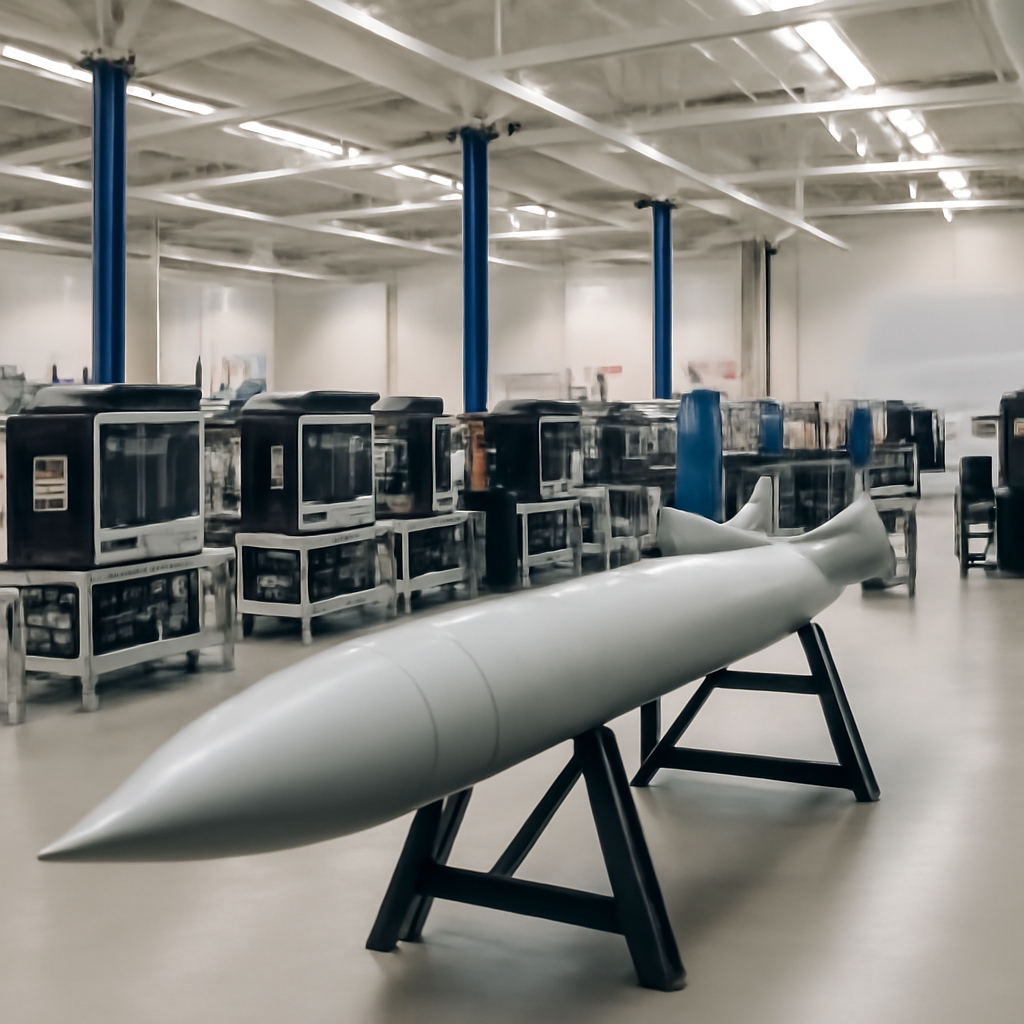
Divergent Technologies is gearing up to revolutionize Tomahawk missile production with 3D printing, aiming to start mass production in the first half of next year at its new 430,000-square-foot Factory 2 facility in Long Beach, California. The state-of-the-art site will have the capacity to produce up to 30,000 missile airframes or 60,000 warhead casings annually.
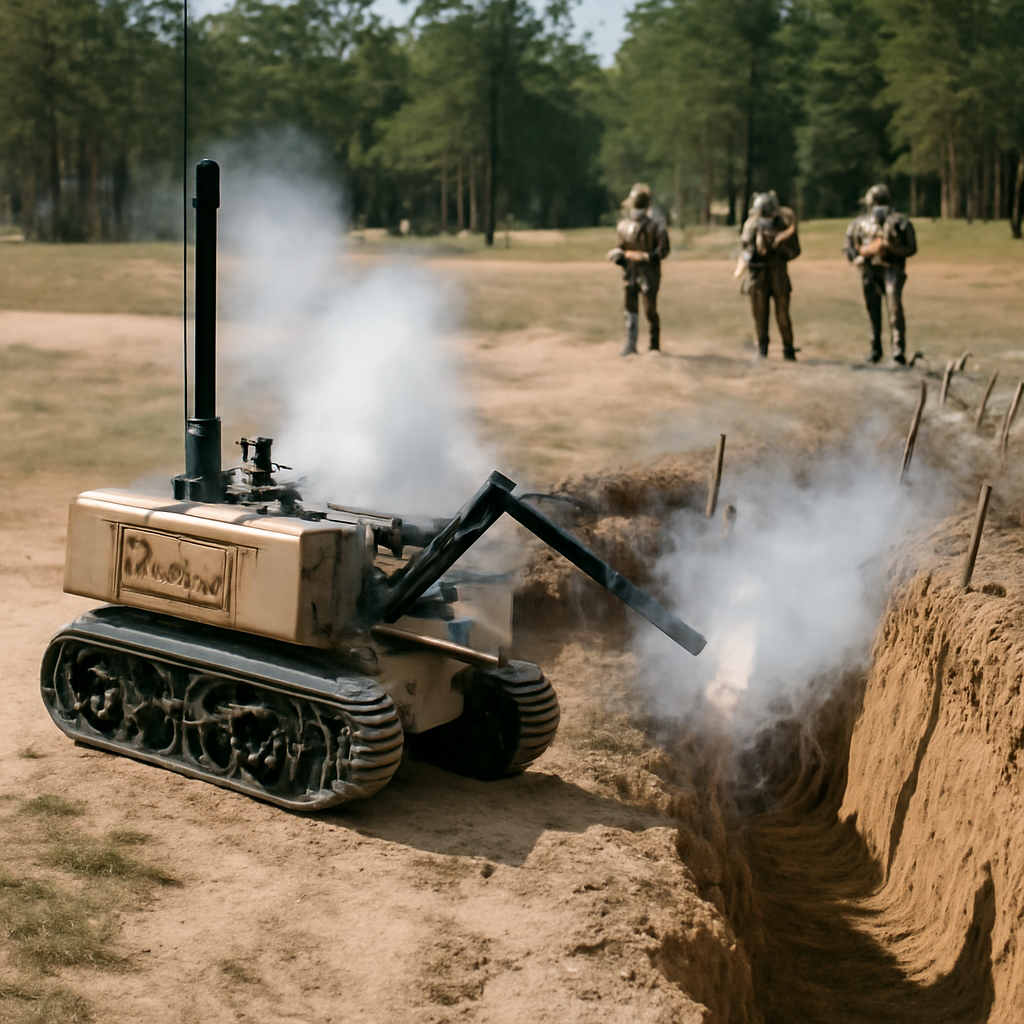
In a bold move to protect its soldiers, the US Army recently tested robots in high-risk breach exercises, sending uncrewed systems forward to tackle heavily defended obstacles instead of troops. This game-changing tactic could revolutionize the way the military approaches combat, keeping soldiers safer in the process.

The US Air Force's plan to retire its fleet of seven E-11A Battlefield Airborne Communications Node (BACN) jets by 2028 has raised red flags with the Senate Armed Services Committee, which is demanding answers on how the capability gap will be filled. The committee wants a briefing by March 31, 2027, on the Air Force's plan to mitigate the operational risk of losing this critical communication capability.

Despite a diplomatic breakthrough between the US and Iran, cyber conflict remains a persistent threat, with US officials skeptical that a peace deal will bring an end to Iran's hacking activities. The fragile agreement leaves major disputes unresolved, including cyber, fueling concerns about Iran's continued digital aggression.

Turkey is bolstering its air defense capabilities with the Steel Dome project, a critical modernization effort driven by lessons learned from global conflicts, and Aselsan is leading the charge with a $900 million contract to supply cutting-edge technologies. The deal, valued at €780 million, will see deliveries of key components between 2028 and 2032.

Pakistan is set to bolster its defence capabilities with a record $10.76 billion budget for FY2026-27, but experts say the impressive figure hides underlying complexities when factoring in the rupee's decline and spending trends. The allocation breaks down into PKR 967 billion for personnel, PKR 743 billion for operations, and a 39% surge in "physical assets" to PKR 925 billion.

The Army is gearing up to accelerate its ISV-Heavy procurement process, with proposal requests set to roll out this fall. This move is a top priority, aimed at deploying a more capable infantry squad vehicle that can do more than just transport troops into battle.