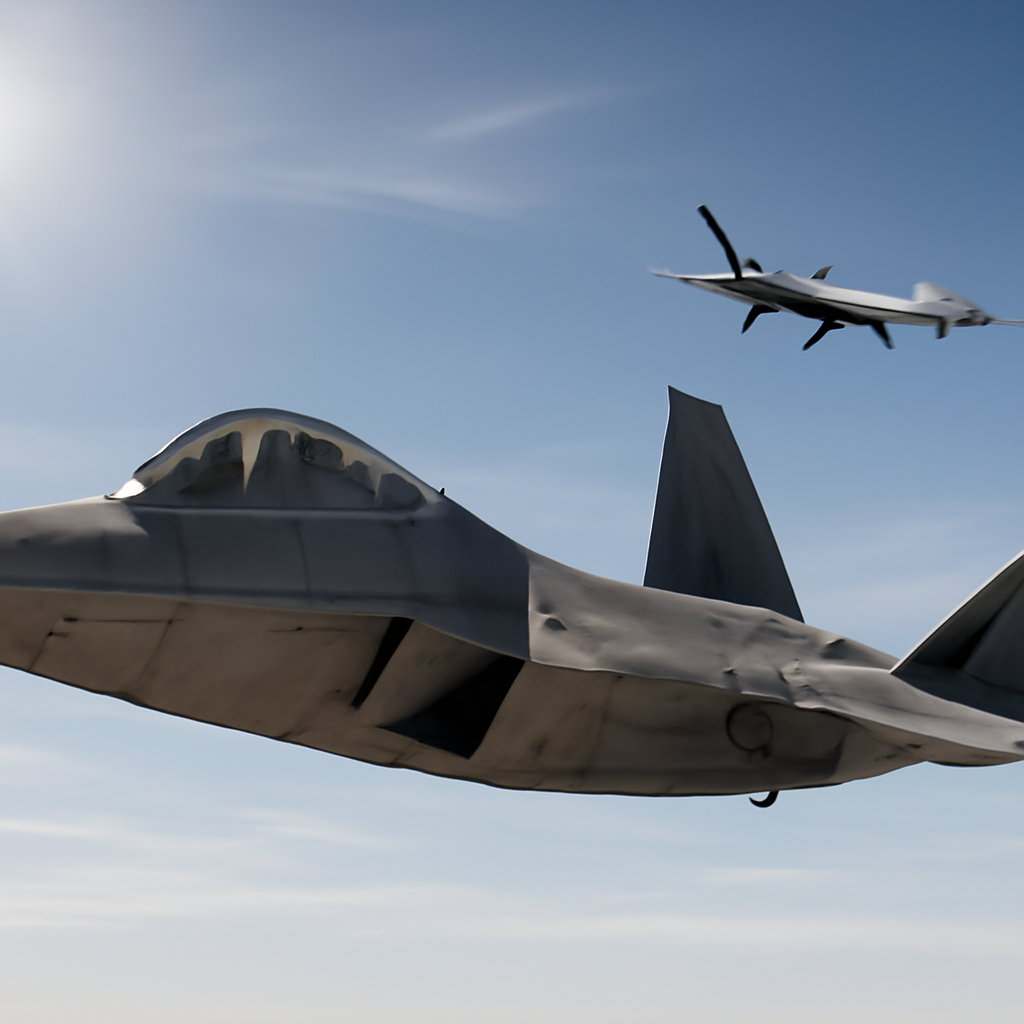
"border delineation of the combatant command will remain the same," the department said Tuesday night on social media.
Pentagon restores Pacific Command name after eight years as INDOPACOM
After eight years as US Indo-Pacific Command, the Pentagon announced it is restoring the original name to simply Pacific Command (PACOM). The department’s short social-media notice made clear that the change is nominal: the “border delineation of the combatant command will remain the same” — an area of responsibility that spans the waters off the US West Coast to India’s western border.
Adm. Samuel Paparo and PACOM’s stated mission
A separate PACOM press release noted the command, currently led by Adm. Samuel Paparo, “remains committed to its ‘fundamental mission’ of ‘maintaining a free and open theater’ alongside partners and allies.” The release added that “Restoring the legacy USPACOM designation honors the command’s deep historical roots, fostering a sense of pride and collective spirit among all who serve in the Pacific.” The messaging ties the rename to continuity of purpose rather than shifts in geographic or operational scope.

This site is the portfolio.
OSINTSights runs on Cloudflare Workers, D1, R2, and Vectorize, with an AI pipeline on Hetzner ARM. Nubivance designed, built, and operates it. We do the same for clients.
See what we buildHow the 2018 change is being reversed in name but not boundary
The move undoes the renaming overseen by then–Defense Secretary James Mattis in May 2018, when the command was redesignated INDOPACOM. At the time Mattis said the change was done as part of a “recognition of the increasing connectivity between the Indian and Pacific oceans.” The source notes Mattis resigned later that year “over policy differences with the Trump administration, including whether to withdraw troops from Syria.”
Part of a wider pattern of departmental renamings and review
The PACOM rechristening follows a series of other name restorations and nomenclature shifts under Defense Secretary Pete Hegseth. Over the past year-and-a-half, Hegseth has restored the names of several Army bases that originally honored Confederate leaders and has unofficially changed the name of the Department of Defense to the Department of War — a change the source says “may soon be codified into law by Congress.” Department leaders have also been weighing a complete overhaul of the command structure that could ultimately lead to combatant commands combining.
What this means for partners and allies, Congress, and PACOM personnel
- Partners and allies: The department’s public statements emphasize continuity — a consistent geographic footprint “from the US West Coast to India’s western border” and an unchanged commitment to “maintaining a free and open theater,” language intended to reassure regional partners and allies.
- Congress and legislators: The article notes Congress may play a role on related naming issues, as efforts to formalize the Department of War designation “may soon be codified into law by Congress,” signaling a legislative avenue for institutional nomenclature.
- PACOM personnel and legacy constituencies: PACOM’s press release frames the change as honoring “deep historical roots” and fostering “a sense of pride and collective spirit,” indicating the decision was pitched internally as a morale and legacy measure as much as a cosmetic one.
The rename is, by the department’s own account, symbolic: a restoration of a legacy designation while leaving lines on the map and mission wording intact. Yet it arrives amid a broader program of departmental renamings and an active review of command structures, which the department acknowledges could lead to deeper organizational change. Whether this return to PACOM will remain a matter of name alone or foreshadow larger consolidations of combatant commands is a question the department’s ongoing reviews will answer.