[SPONSOREDNUBIVANCE]
Rapid7 deployed right the first time.
Full-platform Rapid7 rollouts - InsightVM, InsightIDR, event sources, agents, tuning - by a Registered Partner who has done it at state-agency scale, including OT/SCADA.
Talk deployment
In a chilling display of modern warfare, Russia's 900-strong drone assault on Ukraine in 2026 has sounded alarm bells - will Australia be prepared to counter the threat of cheap, destructive drones? Shahed-class drones, with their 50kg high-explosive warheads, have proven capable of devastating effects, from leveling apartment blocks to crippling critical infrastructure.
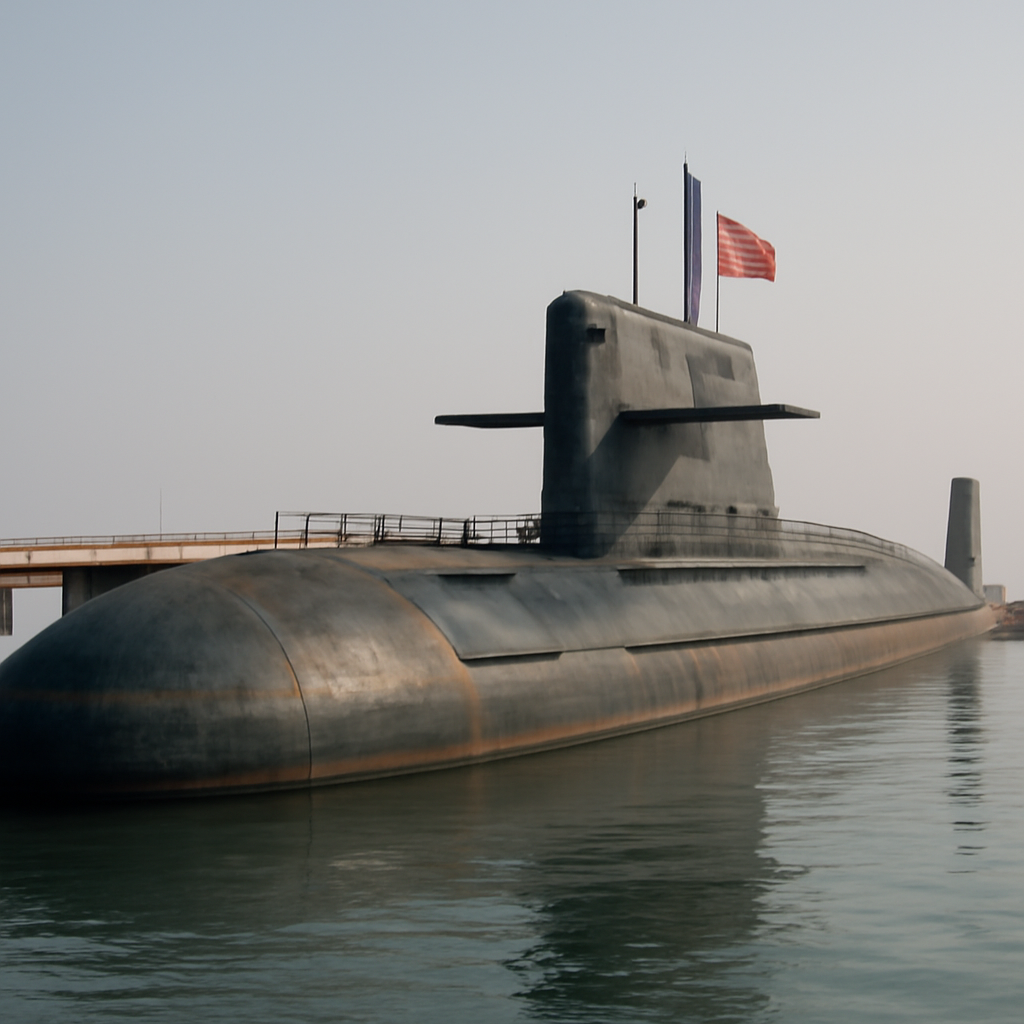
China's aging submarine force is still making waves, with its lone Xia-class SSBN, launched 45 years ago, remaining remarkably afloat - and even serving as a classroom - despite being written off as nearly retired for decades.
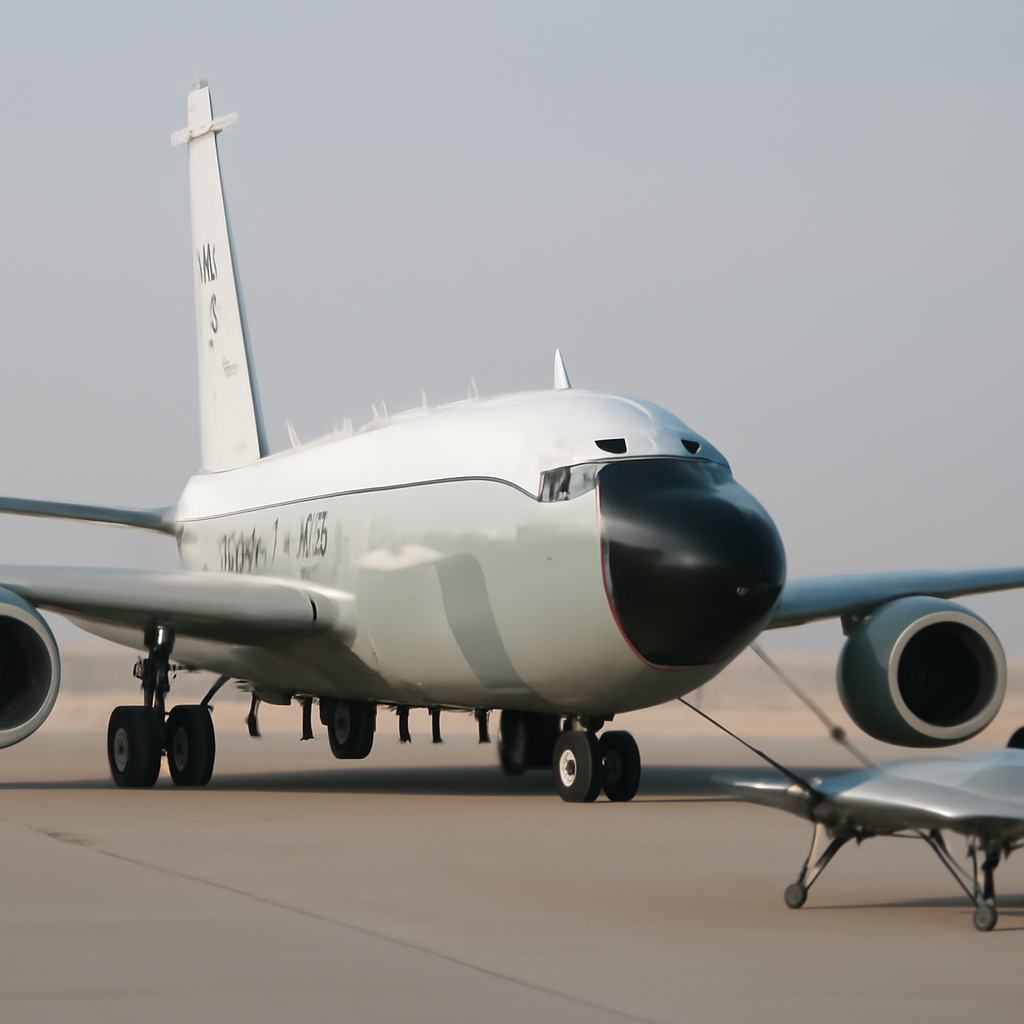
L3Harris is revolutionizing Rivet Joint capabilities by exploring drone teaming, which could enable the 20 RC-135 aircraft in service to command uncrewed aircraft and expand their intelligence gathering. This innovative technology already exists and is ready to be demonstrated.

Imagine a hospital hidden beneath the earth, designed to shield patients and staff from the devastating effects of an atomic bomb, with advanced features like Geiger counters and decontamination chambers. This futuristic underground facility could accommodate 700 patients, a full medical team, and even civilians, providing a safe haven with its own food, water, and supplies.

The Air Force has introduced the VC-25B Bridge Jet to the Presidential Airlift Group, marking a significant milestone in upgrading the nation's presidential transport capabilities. This interim Air Force One platform, a modified 747-8i gifted by Qatar, will enable the validation of mission-capability and refinement of safety protocols for transporting the President.
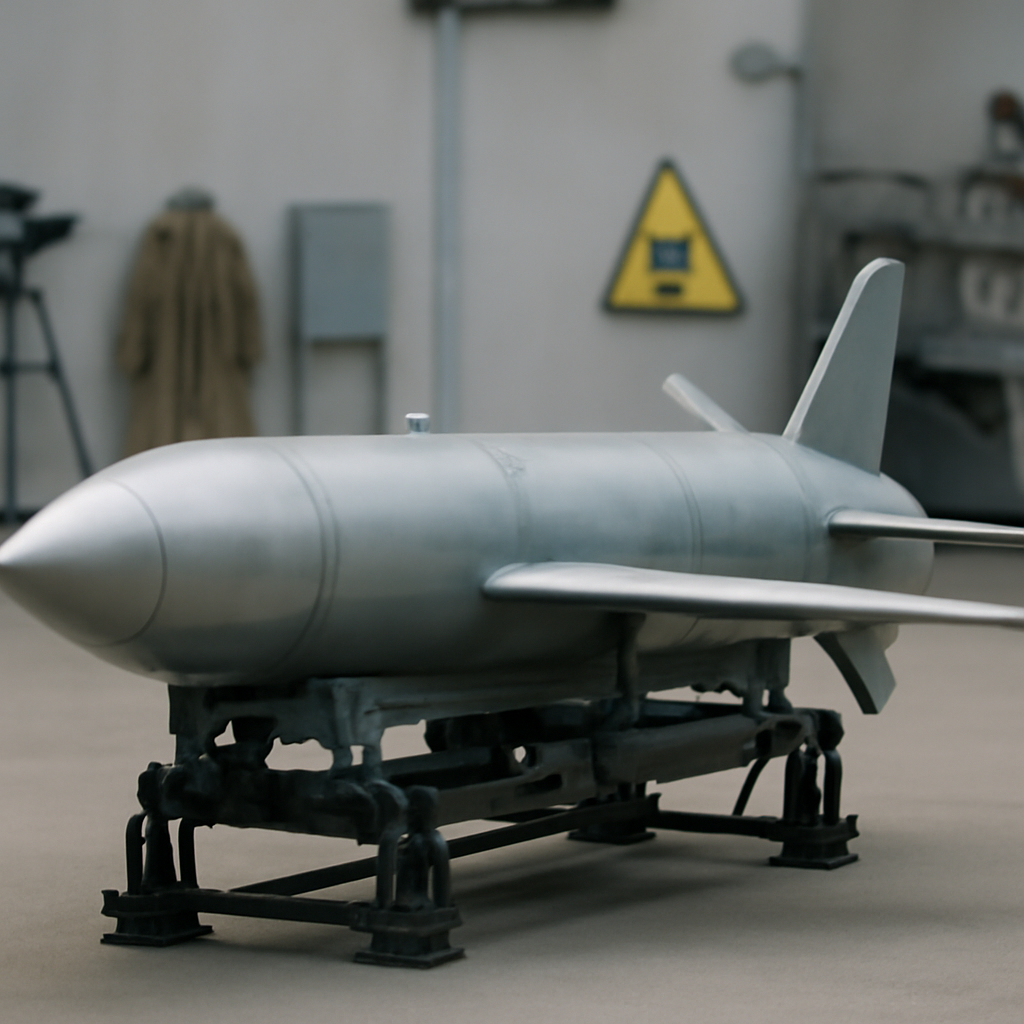
Researchers Jake Hecla and R. Scott Kemp warn that Russia's Burevestnik missile likely poses significant radioactive risks, with its nuclear reactor probably venting large quantities of radioactive material into the atmosphere. This alarming finding was made possible by clever analysis of open-source imagery and performance data.
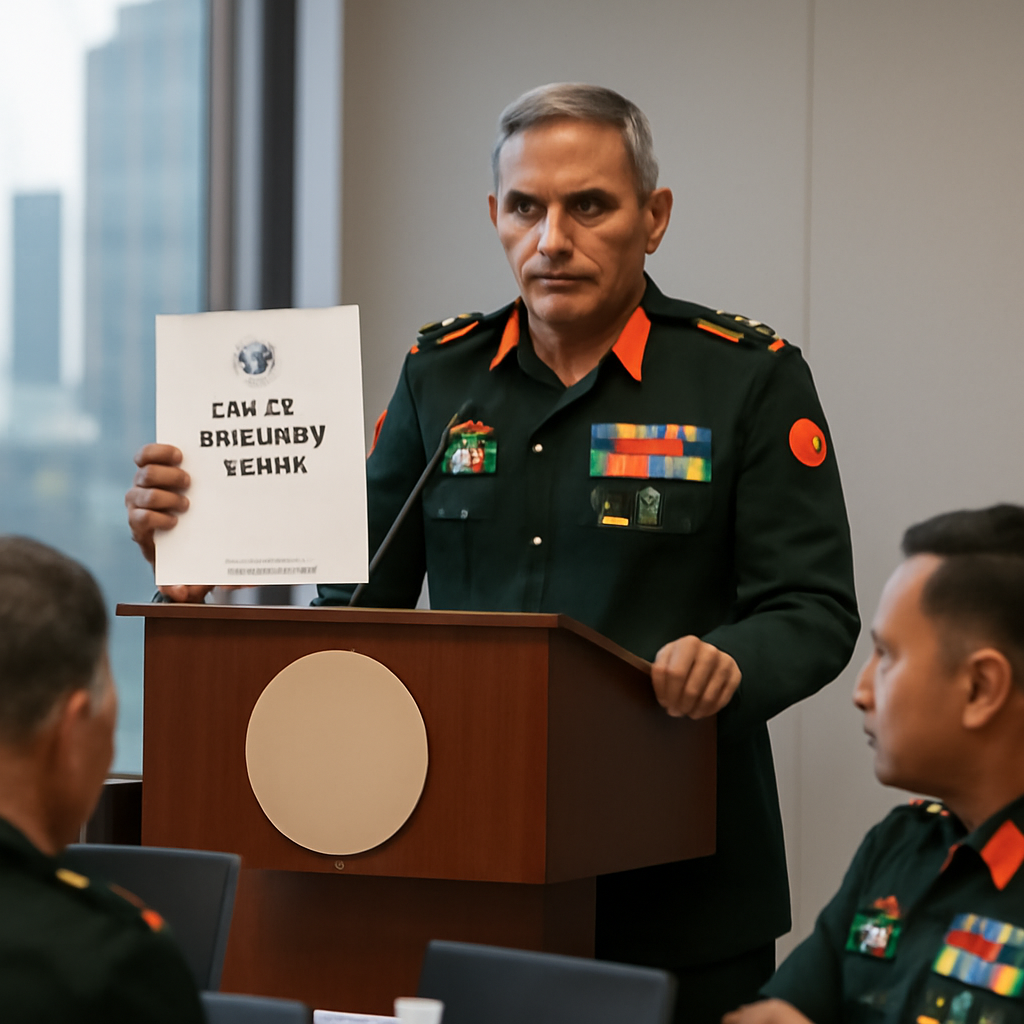
India just took a major leap in South Asian stability with the unveiling of its joint air defense doctrine, a strategic move that comes at a pivotal moment in the region. Released by Chief of Defense Staff General Anil Chauhan on May 29, this doctrine paves the way for enhanced tri-service integration and cooperation.
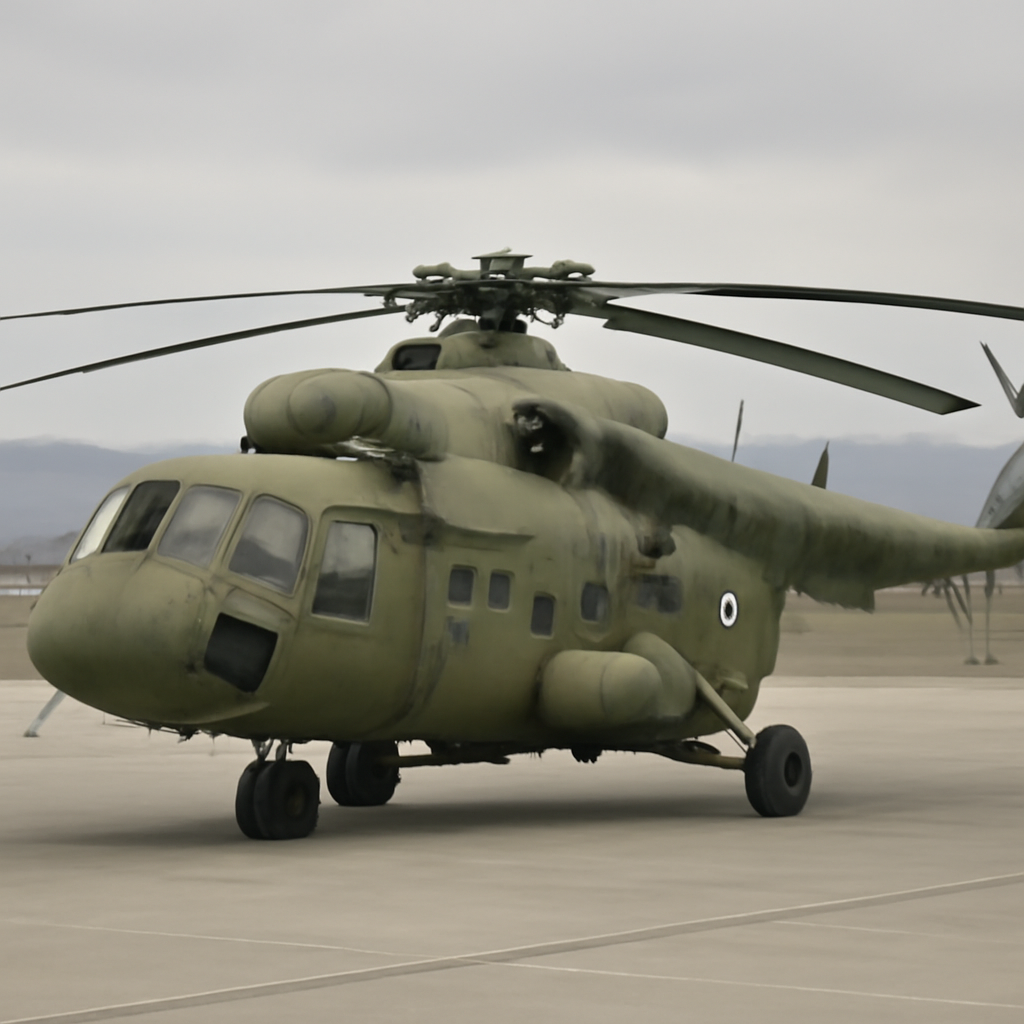
The Pakistan Army Aviation Corps is struggling to find its footing, with a recent fatal helicopter crash near Muzaffarabad raising questions about its future direction. Despite being a crucial part of the military, the PAA has seen little modernization since the mid-2010s, leaving its aging fleet and uncertain role in need of a strategic overhaul.
Full-platform Rapid7 rollouts - InsightVM, InsightIDR, event sources, agents, tuning - by a Registered Partner who has done it at state-agency scale, including OT/SCADA.
Talk deployment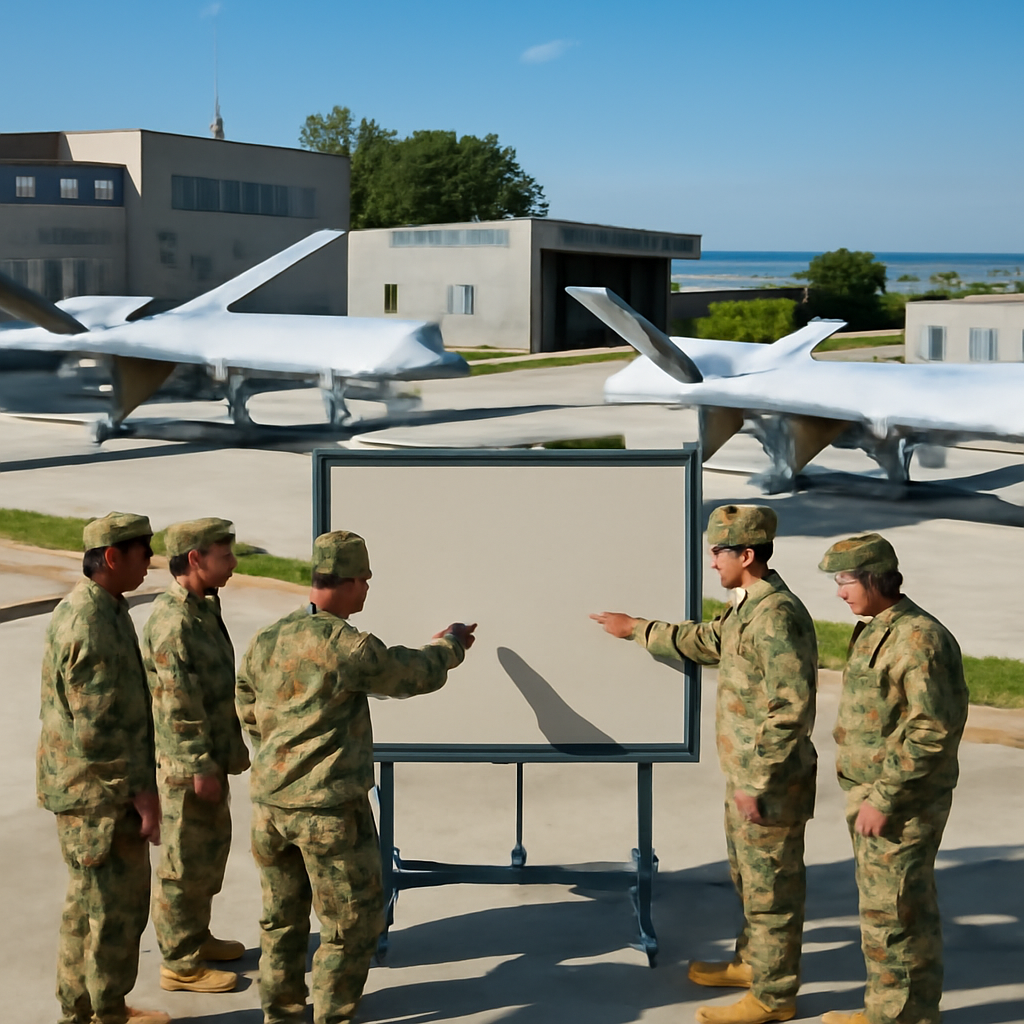
The US Army has launched a game-changing unit that combines cutting-edge drone technology with advanced maneuver capabilities to counter threats in the Pacific - meet the 7th Infantry Division Multi-Domain Command – Pacific. This powerful new unit will blur the lines between land, air, and digital battlefields, making it a major force multiplier in the region.
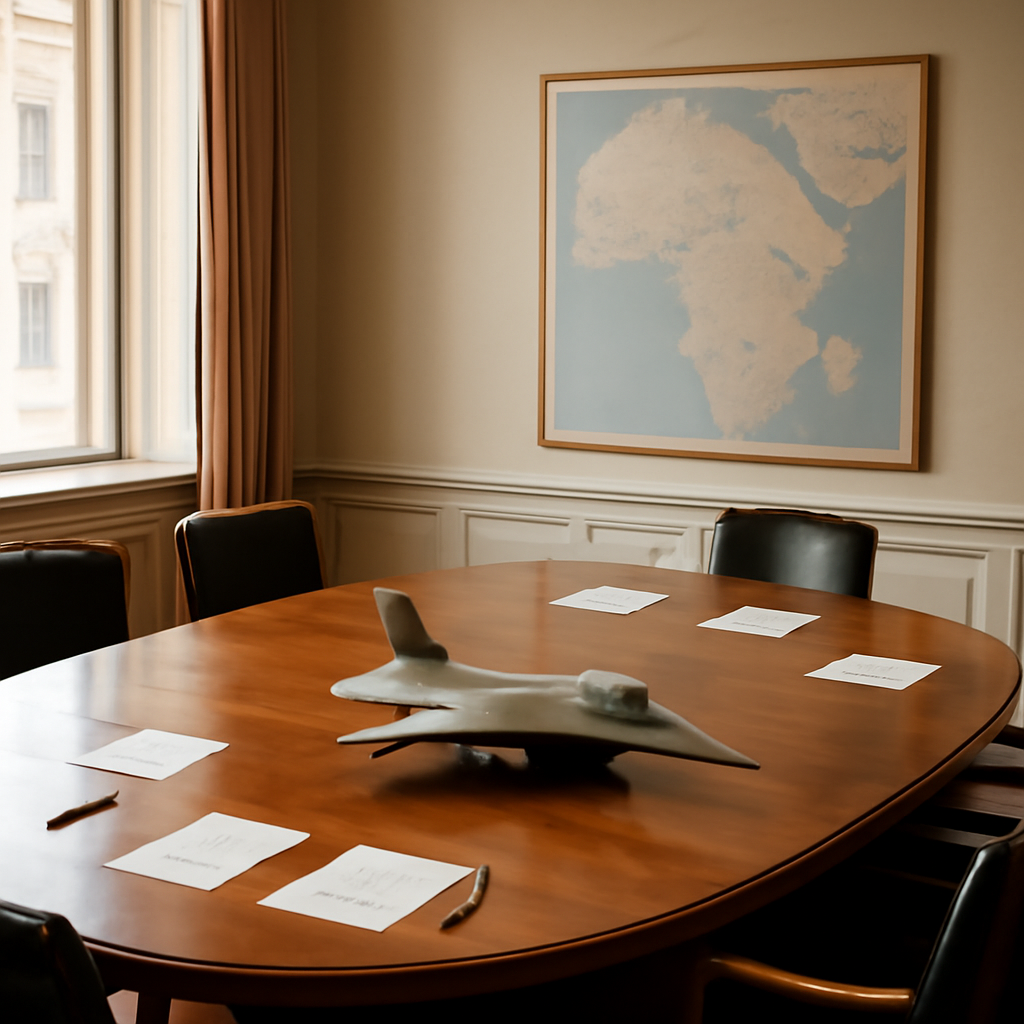
Saudi Arabia pulled the plug on a $1.5 billion arms deal between Pakistan and Sudan, effectively shutting down Islamabad's ambitious plans to expand its defense exports and influence in Africa. This sudden move was part of a larger shift in Saudi Arabia's Gulf strategy.

Pakistan is taking a giant leap in drone technology, bringing together the country's top defence officials and private sector innovators to revolutionize its unmanned capabilities. By joining forces, they're set to supercharge the development of homegrown drones for warfare and surveillance.

Australia is charting a bold new course with its nuclear submarine plans, partnering with the US and UK to acquire cutting-edge vessels - but this AUKUS-driven pathway also brings risks and controversy. The deal's interdependence with its allies gives Canberra leverage, but also makes it vulnerable to blame-shifting and criticism.

The US Air Force quickly set the record straight: both VC-25A jets will continue to soar as part of the active executive airlift fleet, despite rumors of their retirement. Rest assured, these iconic aircraft will remain in service for now.

With a stark warning from ASIO Director-General Mike Burgess that social cohesion is fraying like never before, the Australian government is taking bold steps to bolster national security. A $53 billion boost to the national security budget since 2022 is just the beginning, as the government prioritizes unity and defense in a rapidly changing world.

The Senate Armed Services Committee is raising red flags about the Air Force's combat search-and-rescue readiness, warning that recent decisions could leave them critically short-handed in a major crisis. The committee is pressing urgent questions after the Air Force cut its helicopter buys and reassigned key rescue aircraft.

The NO FAKES Act is a crucial step towards shielding creators from the harmful spread of AI-generated deepfakes, granting them near-exclusive control over their digital likeness and allowing them to pass those rights down for at least 70 years after they're gone. This Senate-approved bill aims to put a national standard in place to protect individuals from unauthorized digital replicas.
No IT department, no security budget, real exposure. Nubivance builds right-sized security foundations for small companies. Send them this.
Send it along
Australia is stepping up its game in Europe, forging strong alliances with key nations to tackle the growing threat of hybrid coercion that knows no borders. Deputy Prime Minister Richard Marles and Foreign Minister Penny Wong recently led a diplomatic push, meeting with UK, German, French, and Finnish leaders to strengthen ties and safeguard Indo-Pacific security.

Ukraine ramped up its aerial assault on Moscow, unleashing a barrage of drones and cruise missiles that struck the city's Kapotnya oil refinery, sparking massive fireballs and black plumes that were captured on dramatic resident-shot footage. The daring attack, acknowledged by President Volodymyr Zelenskyy, marks the second hit on the Moscow oil refinery this week.
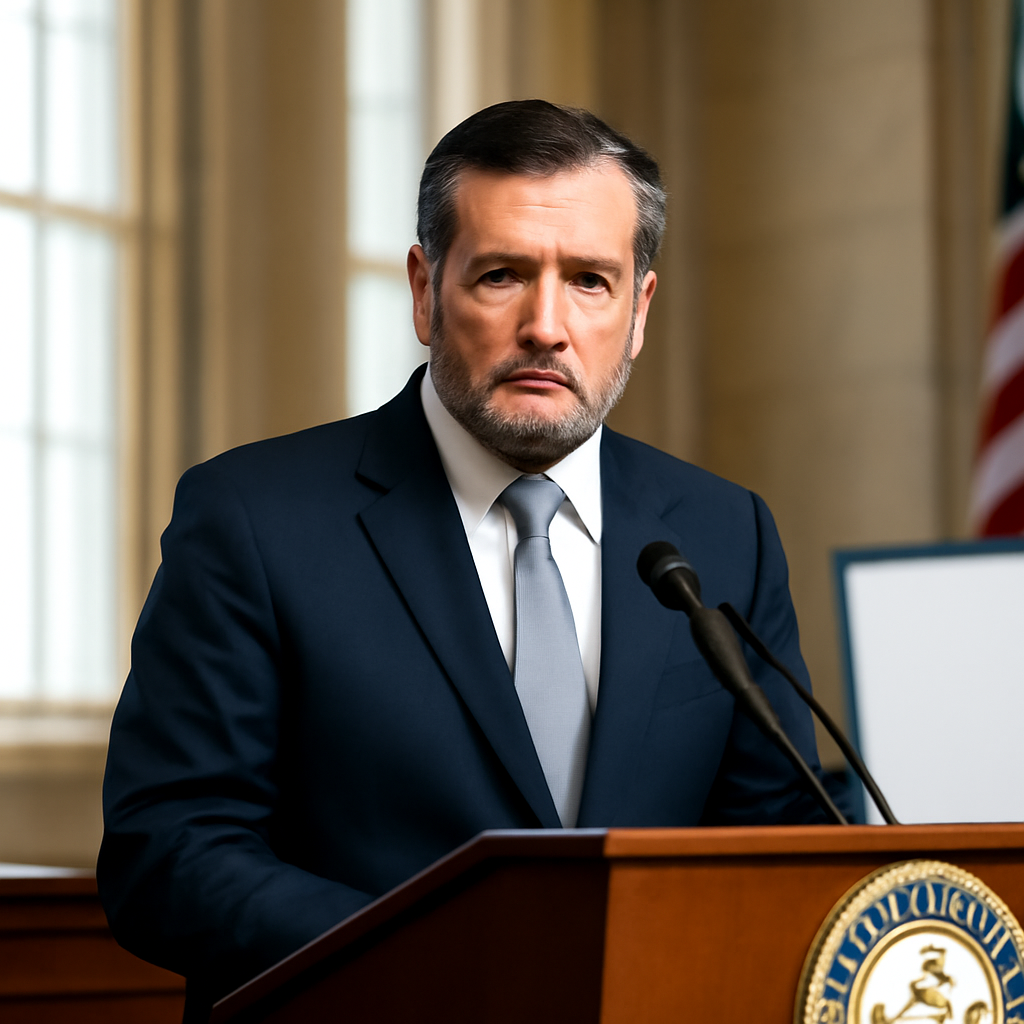
Senator Ted Cruz slammed the Iran deal as a "disastrous mistake," echoing a bipartisan chorus of criticism that also includes Senators Bill Cassidy and former Vice President Mike Pence. The backlash centers on the deal's generous financial benefits for Iran in exchange for perceived vague promises on its nuclear program and the Strait of Hormuz.

The US Navy is at a critical crossroads, with a rare opportunity to expand its fleet amid bipartisan support - but a clear strategy to back up this growth is noticeably missing. Without a comprehensive plan, this promising moment could slip away, leaving the Navy's future at risk.

Rheinmetall and Vantor are joining forces to supercharge the German military's spatial intelligence capabilities with a cutting-edge platform that can analyze and deploy critical insights in real-time. Their new joint venture will be based in Germany, supporting the country's defense needs and collaborating with European ISR programs.

The Pentagon is taking a proactive approach to strengthening its munitions supply chain, leveraging the Defense Production Act to foster long-term industrial coordination through voluntary agreements. It’s a carefully planned move that’s taken nine months to come to fruition, according to Michael Cadenazzi, the Pentagon’s industrial base policy chief.
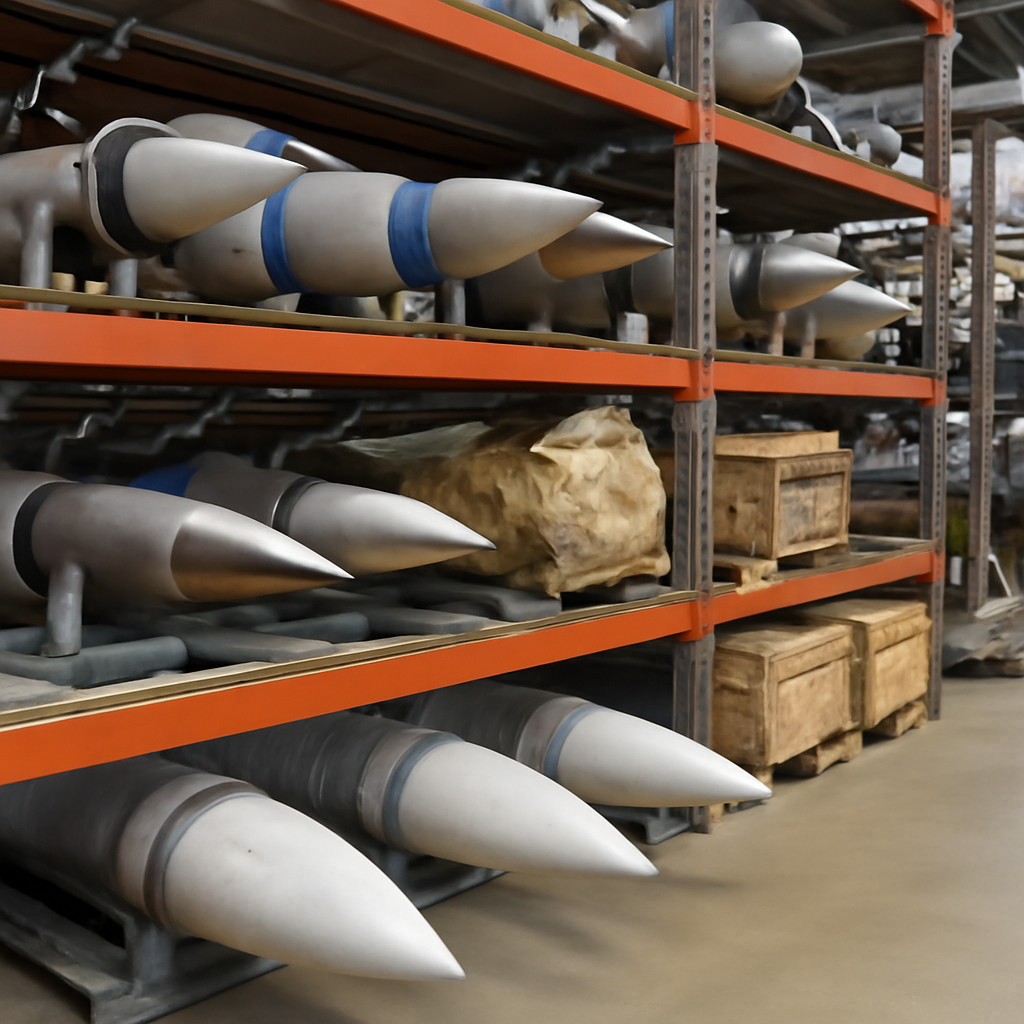
The US air defense systems have proven effective, but their success relies on a dwindling stockpile of crucial components like solid rocket motors, leaving the nation with fewer interceptors and limited options to defend against threats. A balanced approach, or "high-low mix," is urgently needed to address the pressing issue of munitions shortages.

Meet the secretive investors who helped skyrocket SpaceX's valuation from $33.3 billion to a staggering $2.7 trillion - and discover how a US-based middleman, Tomales Bay Capital, quietly sold stakes to foreign buyers, including Chinese investors, before the IPO.