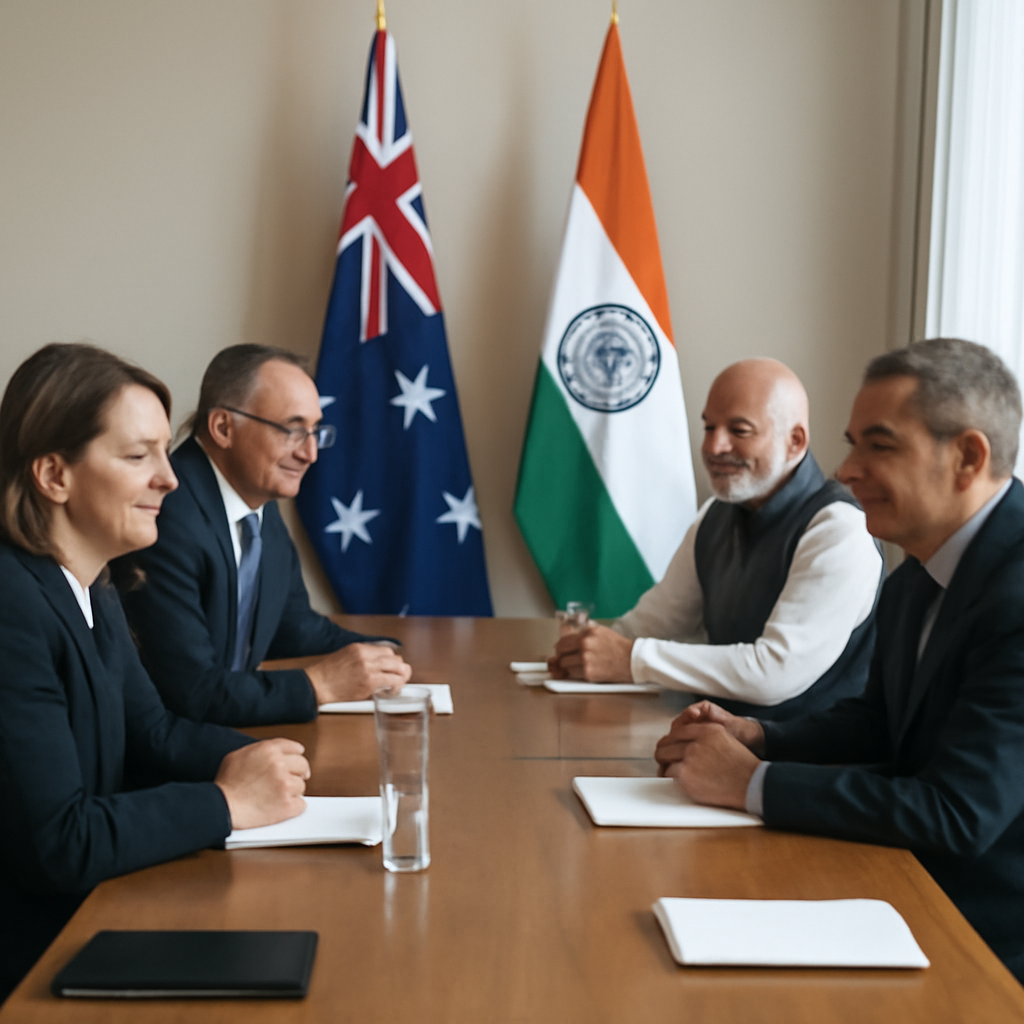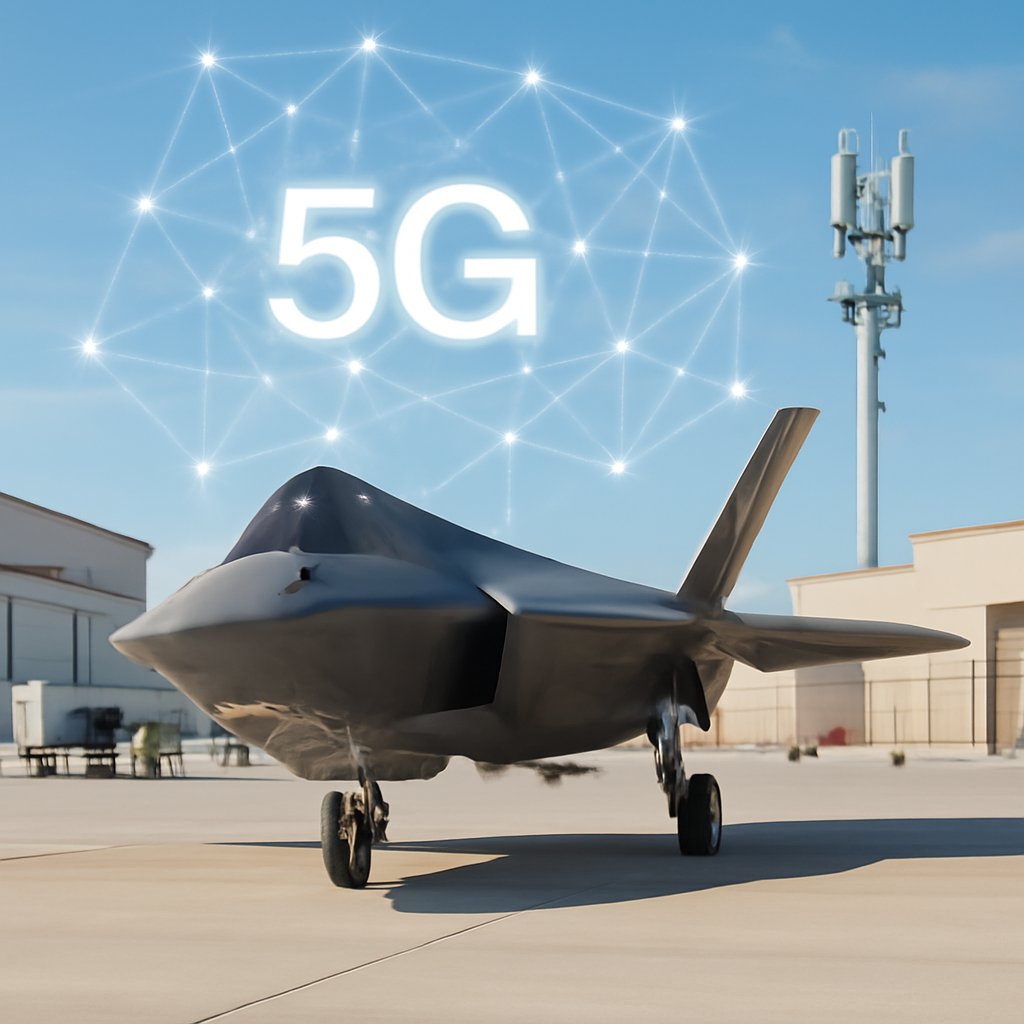
"without any “issues or limitations.”" Russian President Vladimir Putin used those words on June 5 at the St. Petersburg International Economic Forum to offer India joint production of the SU-57 fifth-generation fighter aircraft (FGFA). His reiteration lands amid a tightening timeline for India's air power and active debates about technology, cost, and strategic independence.
Putin’s SU-57 offer and the immediate proposal
At the forum, Vladimir Putin again put the SU-57 on the table as a joint-production option for India. The proposal is not merely rhetorical: Russia has recently flown a twin-seater SU-57 in May and, as announced by Russia's First Deputy Prime Minister Denis Manturov, that variant is now undergoing trials. Moscow’s fresh pitch arrives as Indian decision makers weigh short-term operational needs against long-term industrial ambitions.
India’s fighter shortfall and operational pressures
The Indian Air Force (IAF) is operating with a squadron strength of 29 against a sanctioned 42, a gap the source calls stark. The fleet is ageing, scheduled inductions have been delayed, and a major LCA-Mk1A order totaling 180 jets—placed in two batches of 83 (2021) and 97 (2025)—has not produced a single delivered aircraft yet. Recent combat lessons and regional developments have sharpened urgency: Operation Sindoor, a four-day conflict with Pakistan in May 2025, highlighted the importance of air power and long-range precision weapons, while China is reported to be fielding at least 300 J-20 stealth jets and bringing J-35s into service, with Beijing set to supply J-35 jets to Islamabad under an initial agreement.

Audit-ready is a season. It shouldn't be.
Evidence in spreadsheets, controls drifting between audits, frameworks multiplying on flat headcount. Nubivance runs continuous compliance on Rapid7 Cyber GRC - SOC 2, HIPAA, ISO 27001, PCI, CMMC.
End the scrambleAMCA, the competing domestic program and procurement timelines
India’s indigenous Advanced Medium Combat Aircraft (AMCA) is positioned as the country’s future fifth-generation workhorse, but the program carries a long horizon. The AMCA was granted permission in 2024 with an allocation of around US$1.8 billion. A Request For Proposal was issued at end-May to three industry bidders to identify a private partner for design and development, and the program is being paced toward an ambitious 2035 deadline. Analysts in the source warn that any broad-scale agreement for another FGFA project would shift crucial focus and funding away from AMCA, and that licensing or manufacture of a complex fighter entails long-term cooperation and dependency on the original equipment manufacturer over the platform’s 4–5 decade life cycle.
Geopolitical constraints: CAATSA, Western concerns, and engine dependence
Past and present geopolitics complicate a Russia-heavy solution. India received a waiver under the Countering America’s Adversaries Through Sanctions Act (CAATSA) for the S-400 deal signed in October 2018, an exception that policymakers recall when weighing new Russian cooperation. Since the start of the Ukraine war in 2022, European countries have raised concerns about potential leakage of dual-use technologies to Moscow from India. The source also highlights India’s dependence on American engines for the LCA series and for AMCA prototypes and initial variants—an industrial and diplomatic link that makes any large-scale Russian procurement a possible stress point in ties with the United States, especially given "the uncertainty in the policies of the Trump administration" referenced in the source. That combination makes a new major defense deal with Russia a potential destabilizer of India–U.S. relations.
What this means for the IAF, policymakers, and the defense industry
- Indian Air Force (IAF): The IAF must balance immediate operational shortfalls—29 squadrons versus a sanctioned 42 and delayed LCA deliveries—against platform life-cycle implications. The service is reportedly considering off-the-shelf SU-57s as an interim measure, and leasing is also on the table as a practical option.
- Policymakers and strategic decision makers: They face a trade-off between accelerating capability by acquiring SU-57s (or leasing them) and protecting the AMCA program’s funding and domestic ecosystem. Any major Russian purchase would be a litmus test for India’s stated strategic autonomy and would interact with past precedents such as the CAATSA waiver for the S-400.
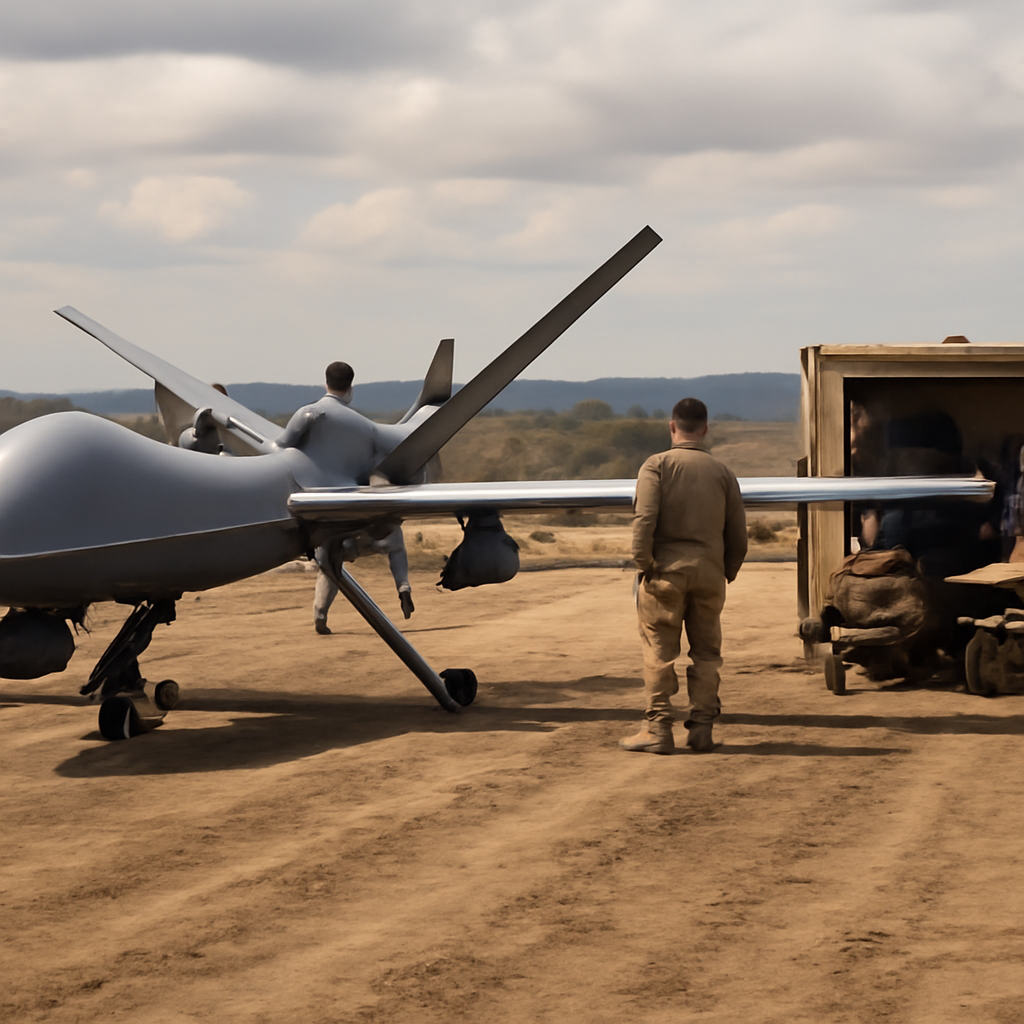
- Defense industry and procurement leaders: A license-manufacture or joint-development deal would imply decades of dependency on Russian technology, while proceeding with AMCA requires sustained investment through at least 2035. The government may also weigh limited off-the-shelf buys or leasing—India has precedent, having leased Nuclear Attack Submarines (SSN) from Russia and two MQ-9 unmanned aerial vehicles from the U.S.
India is simultaneously pursuing an Inter‑Governmental Agreement to procure 114 Rafale jets from France, a move that addresses some near-term needs but—according to the source—does not eliminate the gap in fifth-generation capability. The decisions now being considered—joint SU-57 production, off‑the‑shelf purchases, leasing, or doubling down on AMCA—are mutually exclusive in funding and focus. The record of a previous India–Russia FGFA effort (an October 2007 IGA, followed by a preliminary design contract that India and Russia each funded with about $295 million and ran from February 2011 to June 2013) ended over cost and technology-access disputes; that history is explicitly cited inside the source as formative in the conception of AMCA.
Put simply: the SU-57 offer is immediate and tangible, AMCA is long-term and strategic, and the surrounding geopolitics add a complicating third dimension. India’s next moves—whether a short-term lease, constrained off-the-shelf buys, renewed joint development, or full investment in AMCA—will reverberate through its air power for decades and constitute a real test of how it balances capability, cost, and autonomy.
Source: India’s 5G Fighter Aircraft Dilemma — The Diplomat, June 2026