"China’s security footprint was once confined to its immediate neighbourhood. That time is now past." — ASPI’s Pressure Points project, part three.
From Mao to Xi: a decades-long evolution in defence diplomacy
The report traces a clear arc. During the Mao era, China’s military had little meaningful interaction with foreign counterparts. Under Deng Xiaoping and Jiang Zemin, defence engagement began to support economic development and integration into international systems. Under Hu Jintao, China’s military increased overseas activities, notably peacekeeping and counter‑piracy missions. Since 2013, under the leadership of Xi Jinping, security engagement has become “a central tool of statecraft.”
That shift is not merely rhetorical: the report ties it to concrete changes in capability and posture — a growing blue‑water navy, an expanding overseas logistics network and deepening security relationships — all described as supporting Beijing’s stated goals of protecting overseas interests, expanding strategic influence, shaping regional security norms and creating conditions favourable to long‑term ambitions.
Southwest Pacific: diplomacy and development give way to a broader security posture
China’s engagement in the Southwest Pacific has moved beyond diplomacy and development assistance into a broader security footprint. The report singles out the 2022 security agreement with the Solomon Islands as an example of how quickly China’s security role can expand when opportunities arise.
Across the region, Chinese police training, equipment donations and institutional partnerships are changing the baseline: the report says these activities are “gradually normalising a Chinese security presence” in a region long regarded as strategically important to Australia, New Zealand and the United States.

Audit-ready is a season. It shouldn't be.
Evidence in spreadsheets, controls drifting between audits, frameworks multiplying on flat headcount. Nubivance runs continuous compliance on Rapid7 Cyber GRC - SOC 2, HIPAA, ISO 27001, PCI, CMMC.
End the scrambleIndian Ocean: from commerce to access and long‑duration operations
Beijing’s interest in the Indian Ocean began with dependence on trade routes and energy imports transiting those waters, the report explains. Counter‑piracy deployments in the Gulf of Aden provided operational experience and a rationale for continuing deployments farther from home.
Today, China maintains its first overseas military base in Djibouti, conducts regular naval deployments across the Indian Ocean and is developing access arrangements and dual‑use infrastructure throughout the region. The report emphasises that not all facilities fit the “traditional” definition of a military base; nevertheless, they offer access, logistics, intelligence opportunities and strategic influence, and together they are described as “gradually building a network capable of supporting long‑duration naval operations.”
An ecosystem beyond warships: the tools of expanded reach
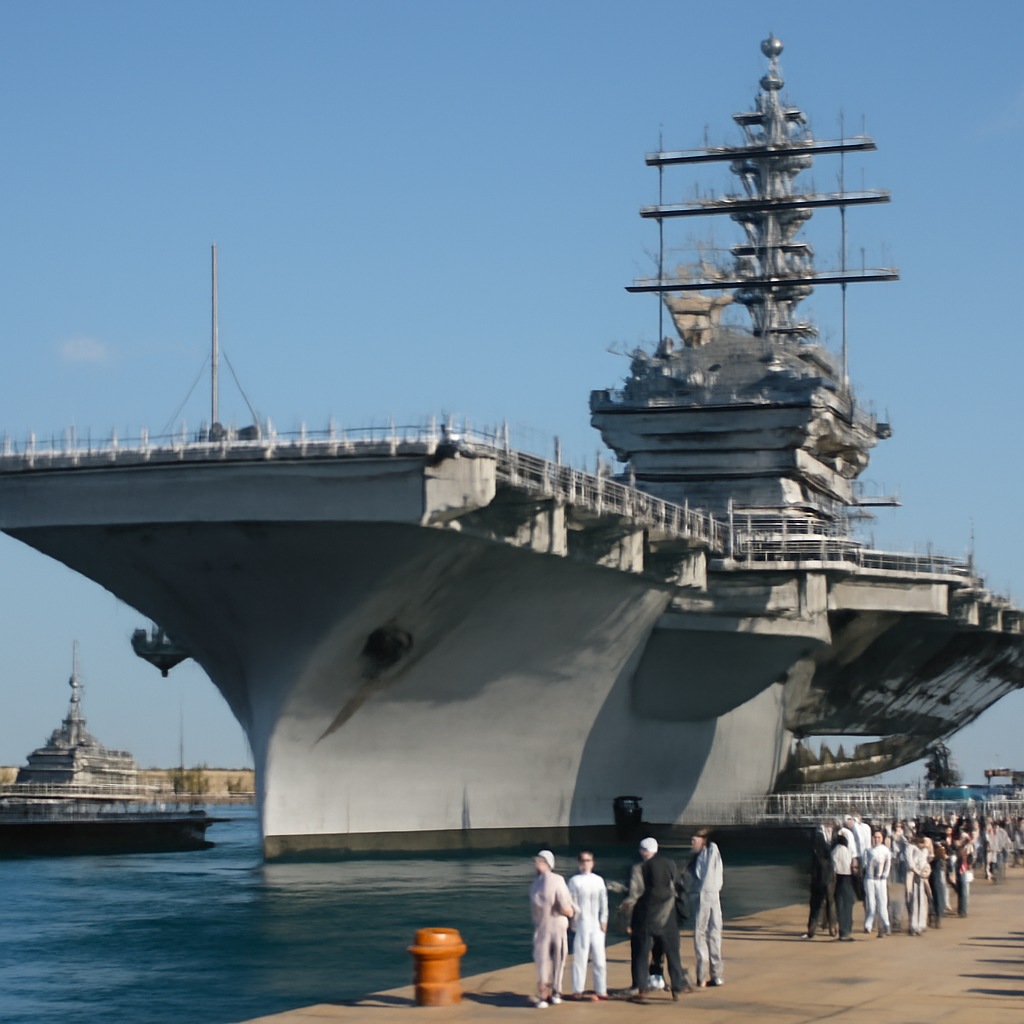
The project highlights that China’s reach does not rely solely on warships and aircraft carriers. Instead, influence depends on a broader ecosystem: coast‑guard vessels, research ships, intelligence collection platforms, overseas police cooperation, private security companies and dual‑use infrastructure. Individually many such actors appear benign; collectively, the report argues, they help Beijing build familiarity with operating environments, strengthen relationships with partner governments and normalise a sustained Chinese presence across the Indo‑Pacific.
How policymakers, defence planners, and the broader public are implicated
The authors present the work as a tool “for policymakers, defence planners and the broader public,” aiming to make visible the cumulative process by which access and influence accumulate. For policymakers and defence planners, that visibility is presented as essential to deciding how to respond to a footprint the report describes as “larger, more sophisticated and more permanent.”
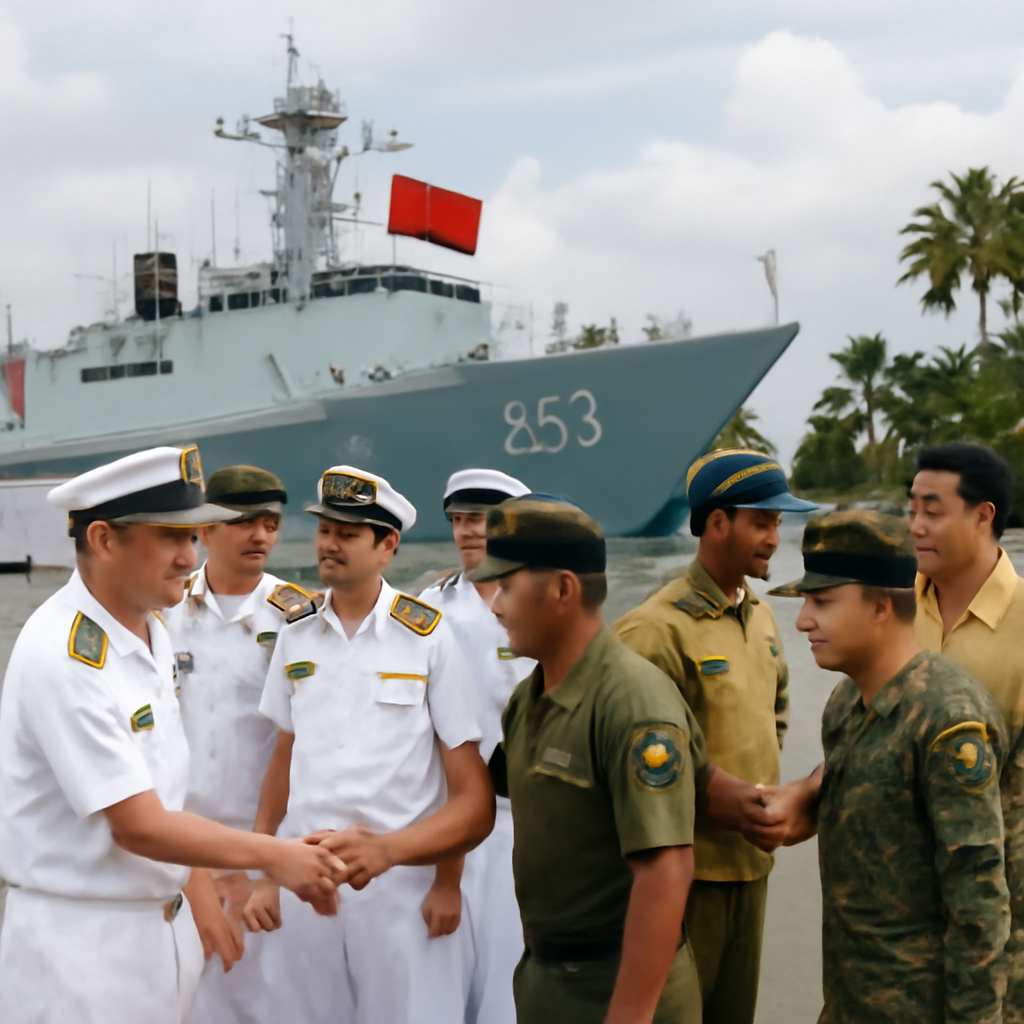
Regional law enforcement and police institutions are themselves a focus: the report documents Chinese police training and equipment donations as mechanisms that are normalising Chinese security-presence and institutional ties. For the broader public, the project notes that many countries welcome Chinese investment, training and security assistance and cautions against framing every activity as inherently threatening — while still urging attention to the cumulative strategic effect.
The central question the report poses is clear: “The central question examined throughout part three is not whether China will be present across the Pacific and Indian oceans. That question has already been answered.” The crux now, the project argues, is for regional states and observers to determine how they will respond as the region’s security environment is reshaped not only by crises but by the gradual accumulation of access, influence and presence. The report maps those changes and assesses how current trends could evolve over the coming decade.
Read the ASPI Pressure Points: China’s expanding presence in the Pacific and Indian oceans