[SPONSOREDNUBIVANCE]
Rapid7 deployed right the first time.
Full-platform Rapid7 rollouts - InsightVM, InsightIDR, event sources, agents, tuning - by a Registered Partner who has done it at state-agency scale, including OT/SCADA.
Talk deployment
Australia is being urged to join the Defence Security Bank, a proposed multilateral lender that will boost allied defence capabilities by mobilising private finance for defence manufacturers and their suppliers. By backing the bank, Australia can help strengthen its own defence industry and play a key role in supporting global security.
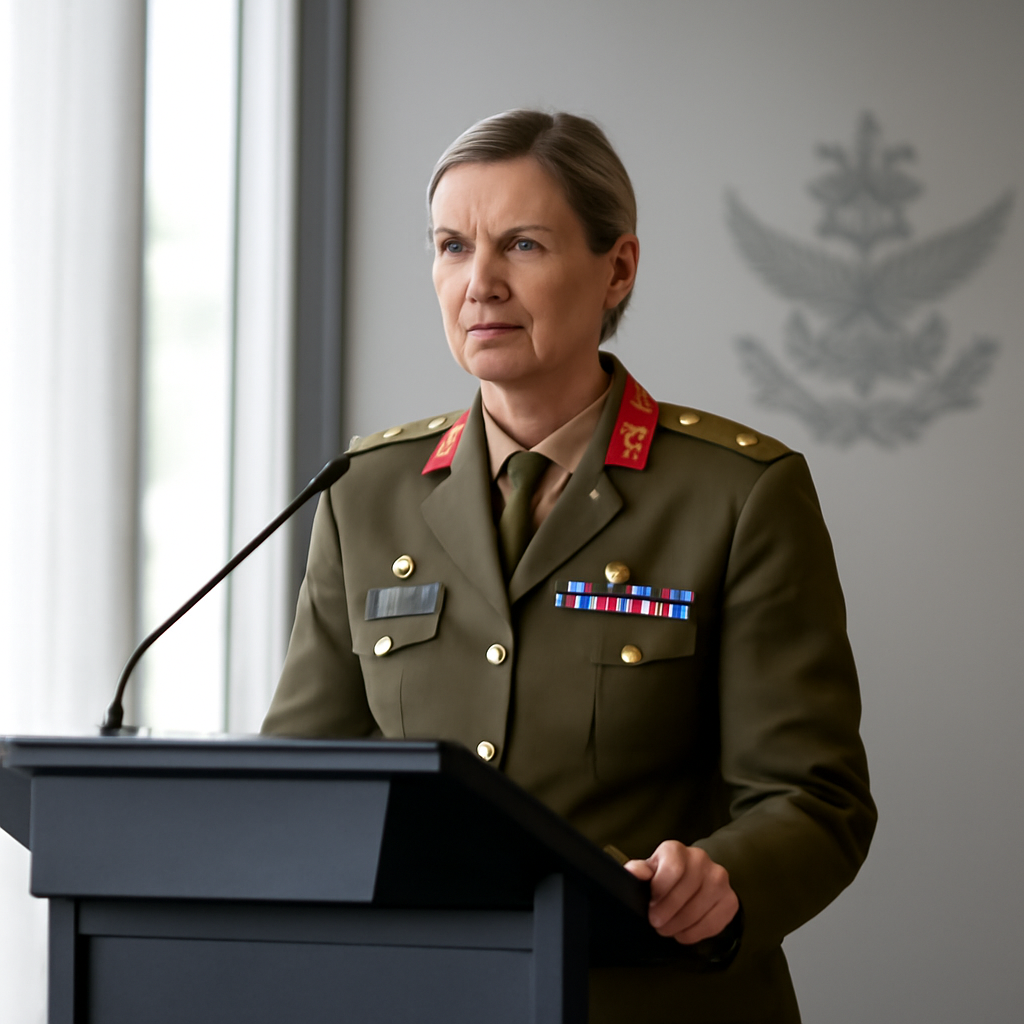
The next conflict could start in space or cyber, making domain integration a top priority, as Lieutenant General Susan Coyle emphasised at ASPI's 2026 Defence Conference. The Australian Defence Force is on a mission to evolve into a unified force, harnessing the power of five domains to stay ahead of emerging threats.
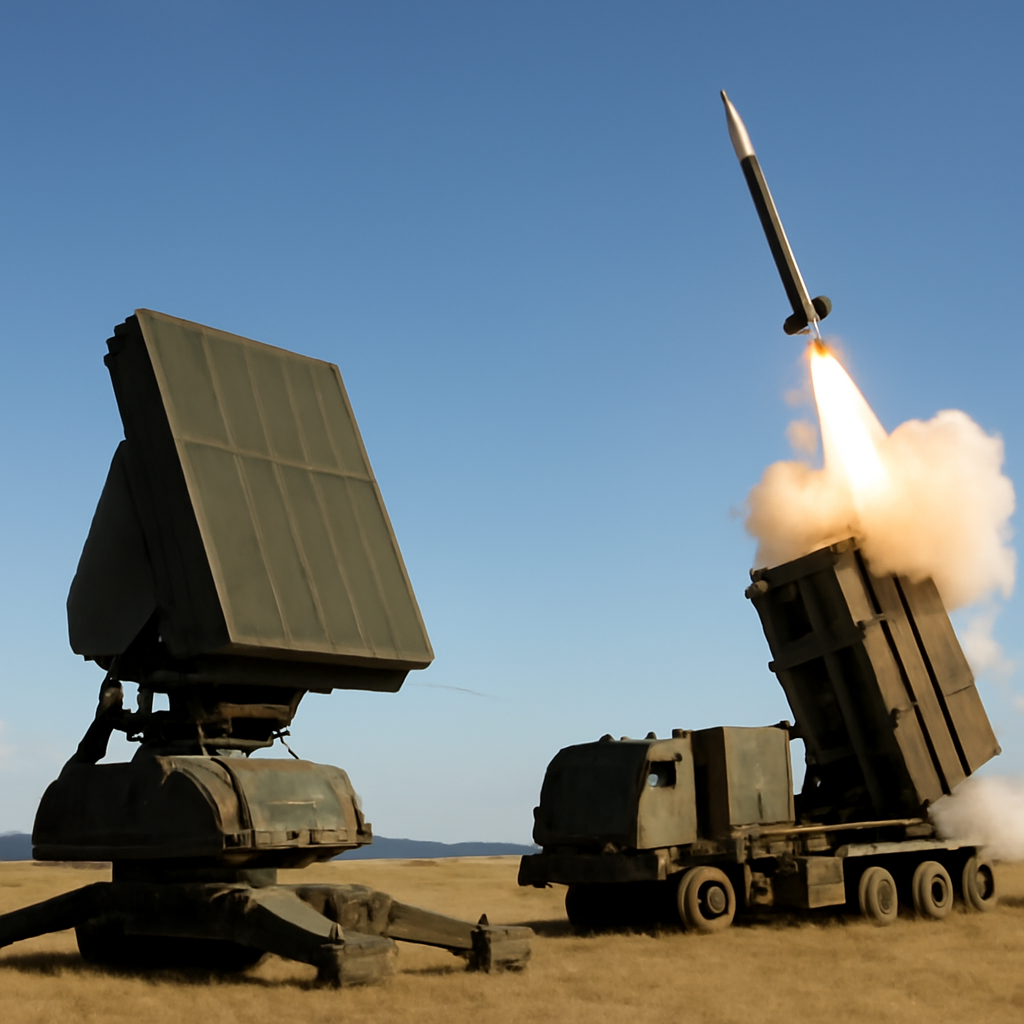
The US Army has successfully neutralized over 1,400 Iranian missiles and drones in the largest air and missile defense fight in US history, a 14-month campaign led by Lt. Gen. John Rafferty that saw unprecedented action against ballistic, cruise, and unmanned aerial threats.

The UN's quiet absence from major diplomatic crises has become the new norm, leaving a void that's being filled by unexpected regional players like Oman, Qatar, Turkey, and Pakistan, who are stepping up to mediate global conflicts. They're proving to be surprisingly effective, with Oman acting as a trusted backchannel between the US and Iran, and Qatar brokering high-stakes talks between the US and the Taliban.
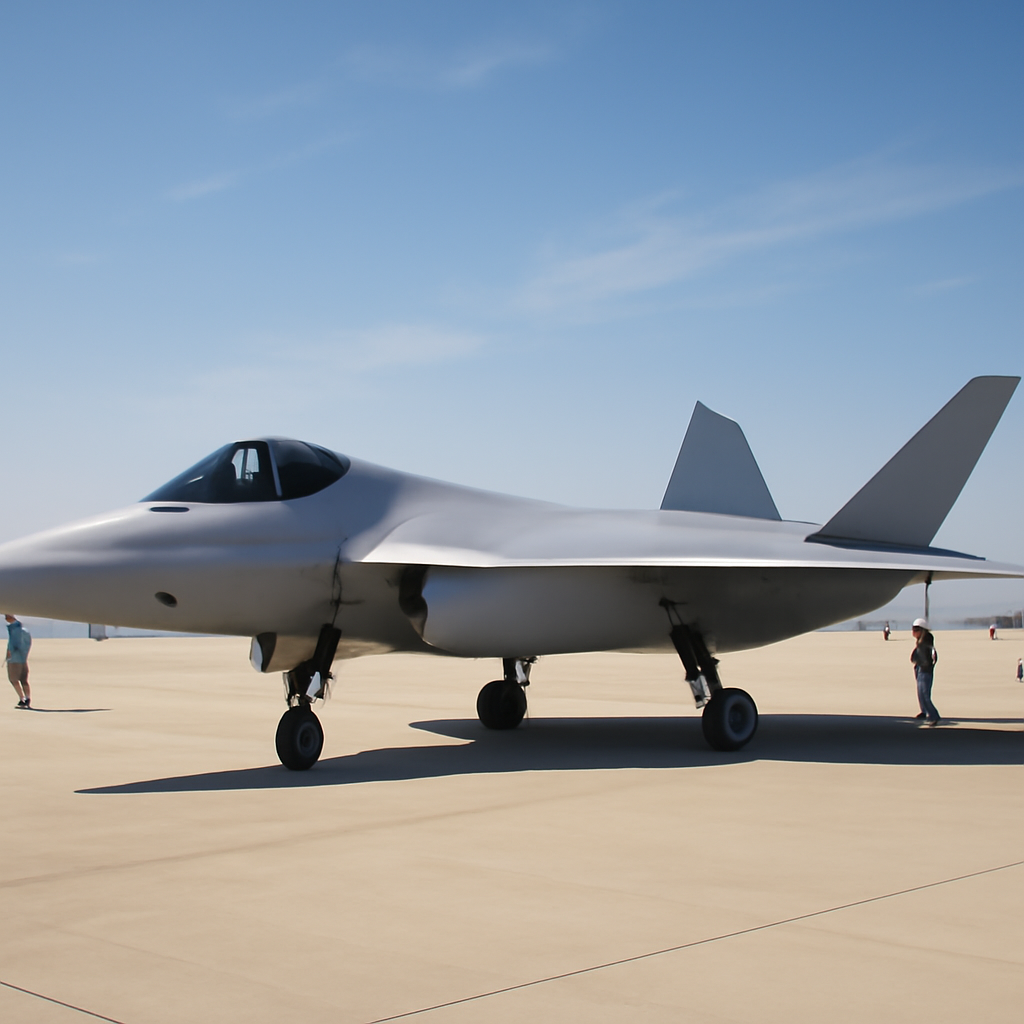
India and Pakistan are racing to develop next-generation fighter jets that can serve as the backbone of a cutting-edge system of drones, special mission aircraft, and other assets. Both nations are seeking a versatile, large aircraft that can integrate with a range of smaller and larger platforms.
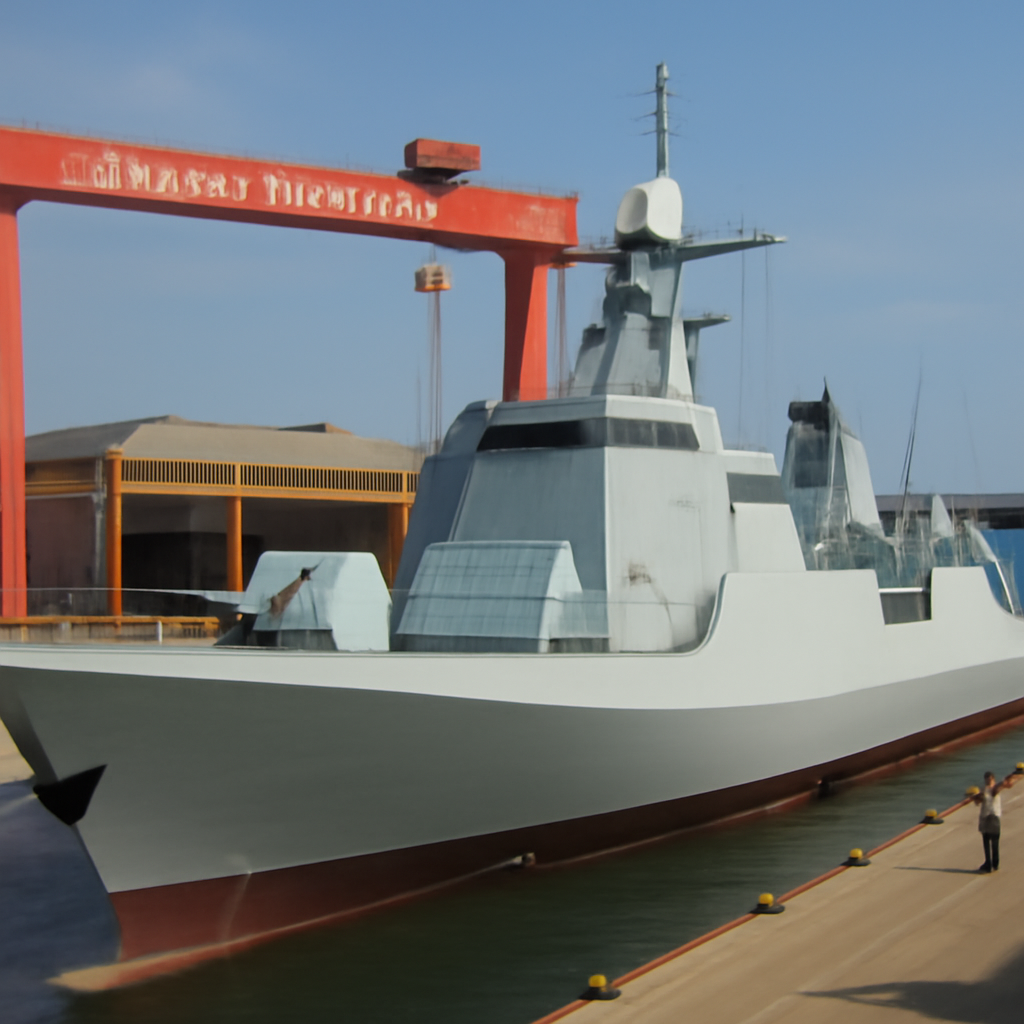
China just gave its naval firepower a major boost with the upcoming launch of a new Type 054B frigate, sending thrill a wave of excitement through the defense community. Two Chinese shipyards are now producing these advanced frigates in parallel, accelerating production and marking a significant upgrade to China's naval capabilities.
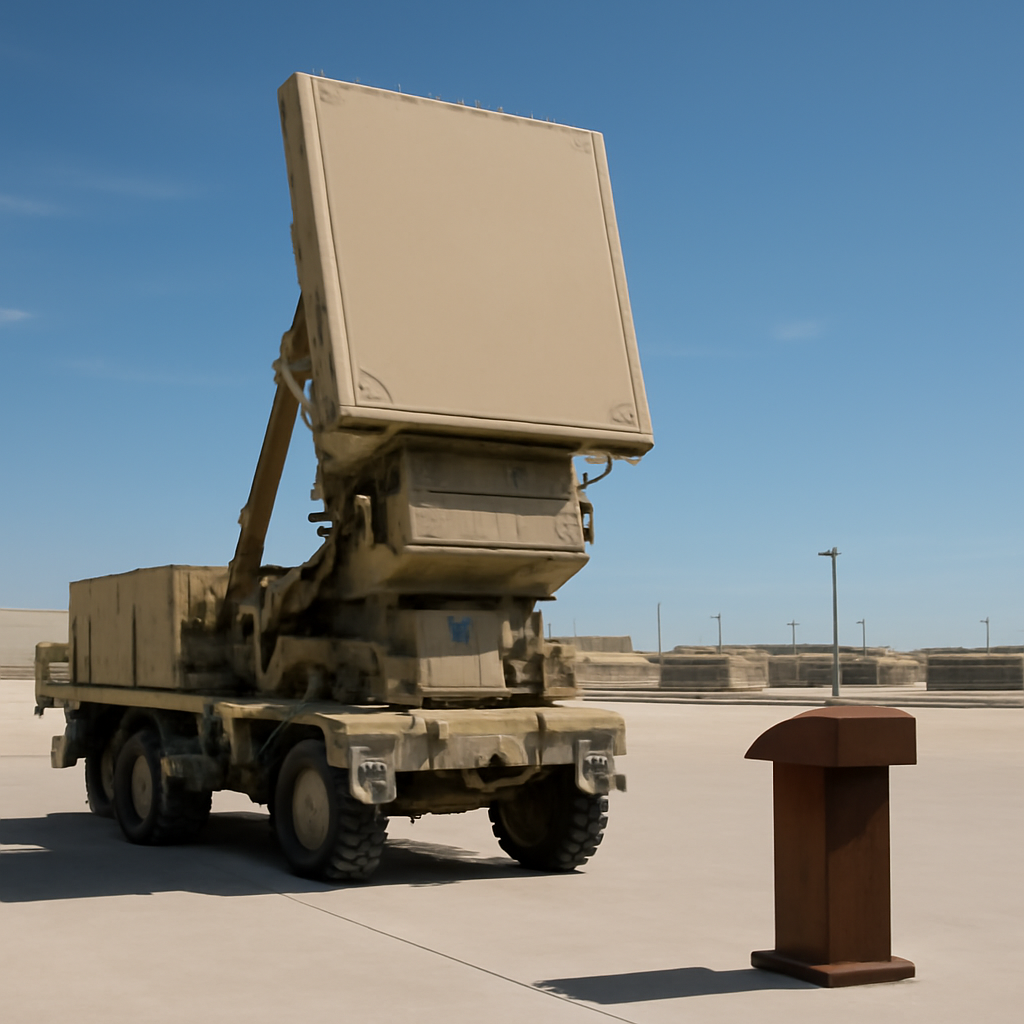
The Golden Dome missile defense shield is at a crossroads, with Gen. Michael Guetlein warning that without a resolved funding pathway, the program simply won't exist. Its future hinges on securing a topline appropriation, as a continuing resolution won't suffice.
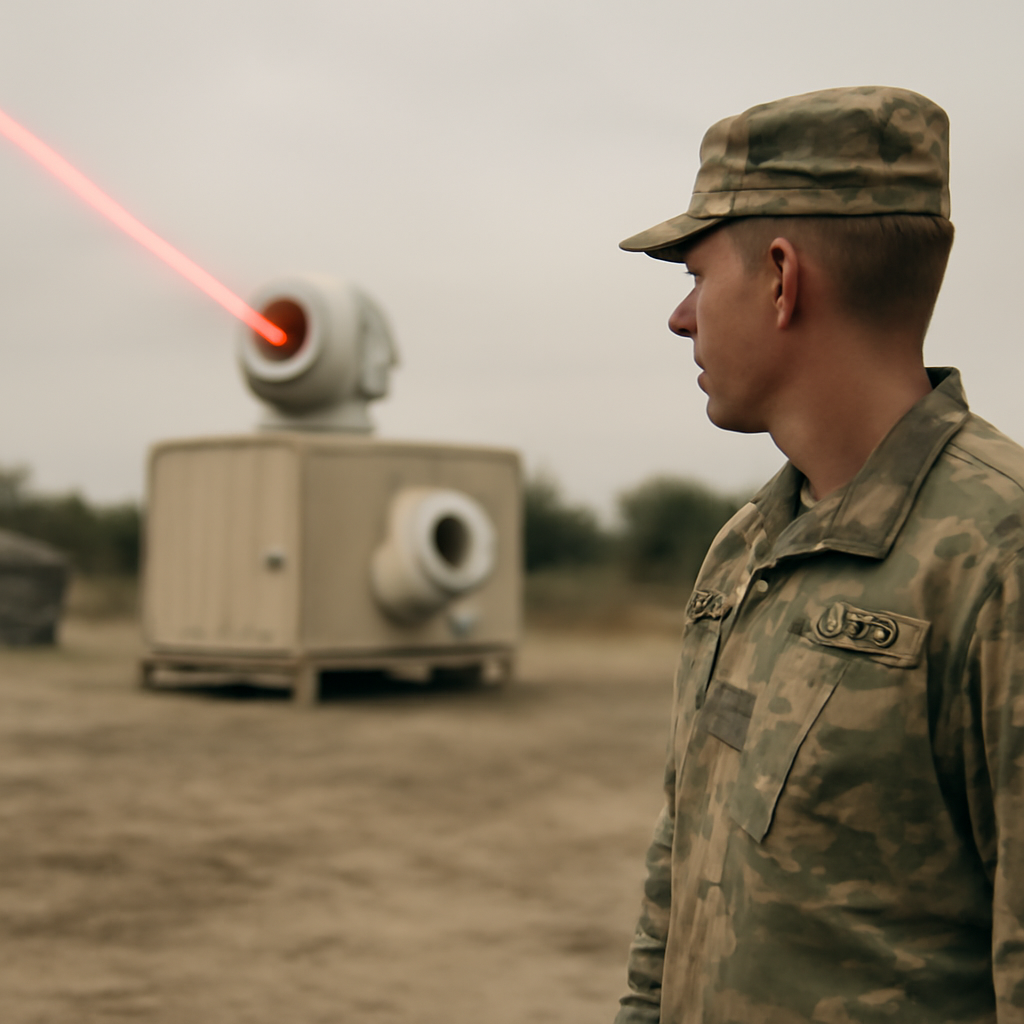
The US Army is working to integrate emerging laser defenses into its training programs, but faces a significant challenge in implementing the technology across its organizations and training systems. Lt. Gen. John Rafferty emphasizes the need for a balanced approach that gives equal importance to traditional interceptors and non-kinetic options like lasers and high-powered microwaves.
Full-platform Rapid7 rollouts - InsightVM, InsightIDR, event sources, agents, tuning - by a Registered Partner who has done it at state-agency scale, including OT/SCADA.
Talk deployment
The US military's Golden Dome program is staring down a funding crisis, with development potentially grinding to a halt as early as October if Congress doesn't step in with extra cash. Without swift action from lawmakers, the program's future is uncertain.
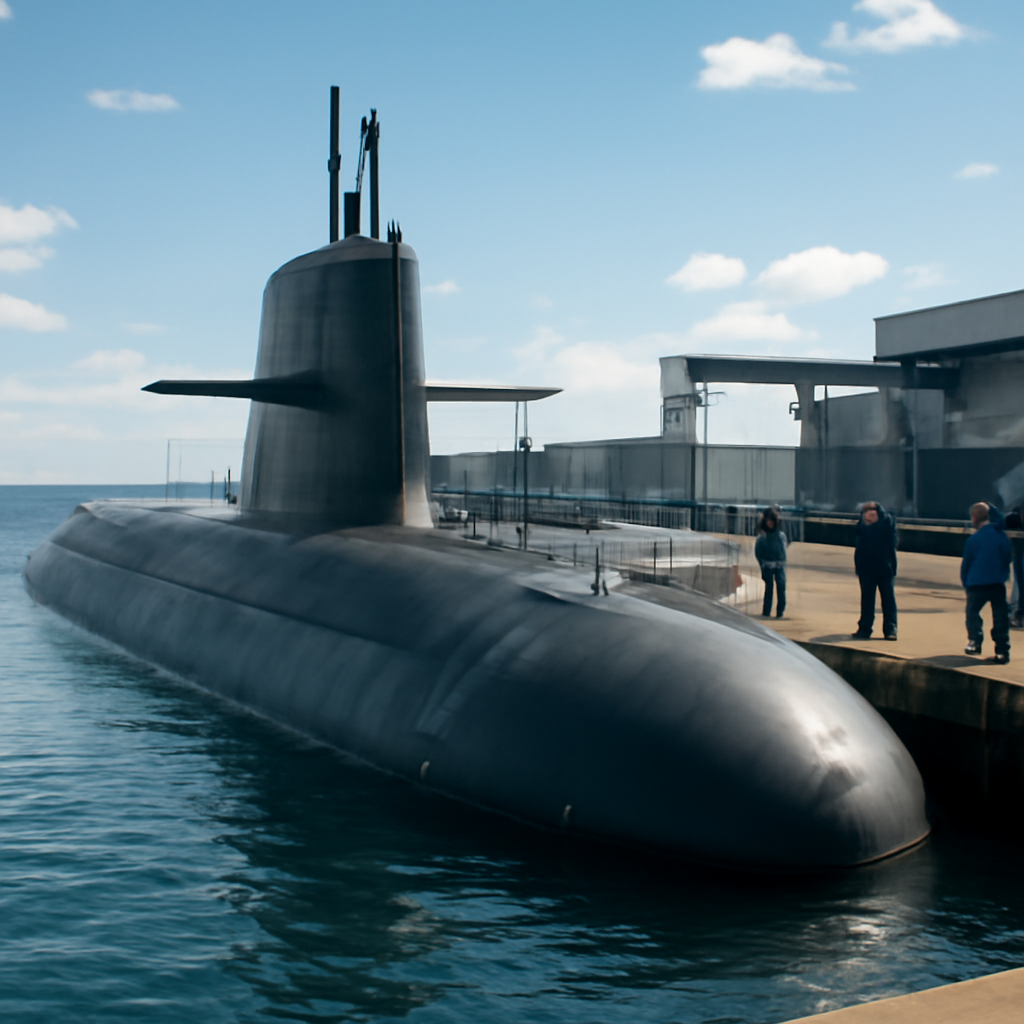
Meet the US Navy's latest game-changer: a stealthy submarine designed to dominate the seabed, equipped with cutting-edge tech for unparalleled underwater espionage and warfare capabilities. One variant will even ditch its Virginia Payload Module for a singular focus on subsea and seabed warfare.

The alarming cluster of up to five suicides among Cyber Operations Forces demands immediate attention, and Joshua Stiefel warns that treating it as just another crisis would be a grave mistake. The rapid succession of losses within this tight-knit community underscores the urgent need for a more comprehensive approach to address the mental health strains on CYBERCOM personnel.
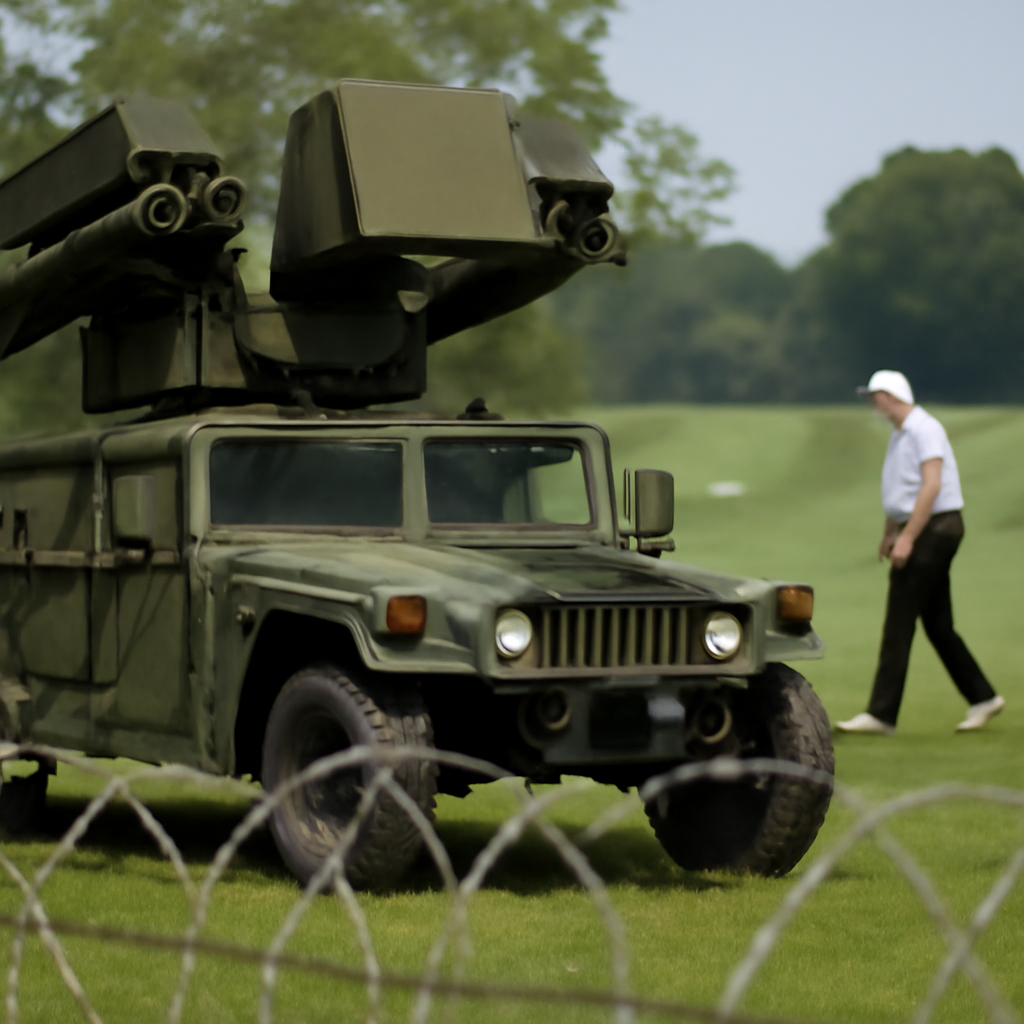
As President Trump tees off at his New Jersey golf course, the US is ramping up its air defenses - a move that's especially timely, given the heightened threat landscape. Meanwhile, Trump jokes about missile threats, seemingly unfazed, with a Humvee-mounted Avenger air defense system visible just behind him.
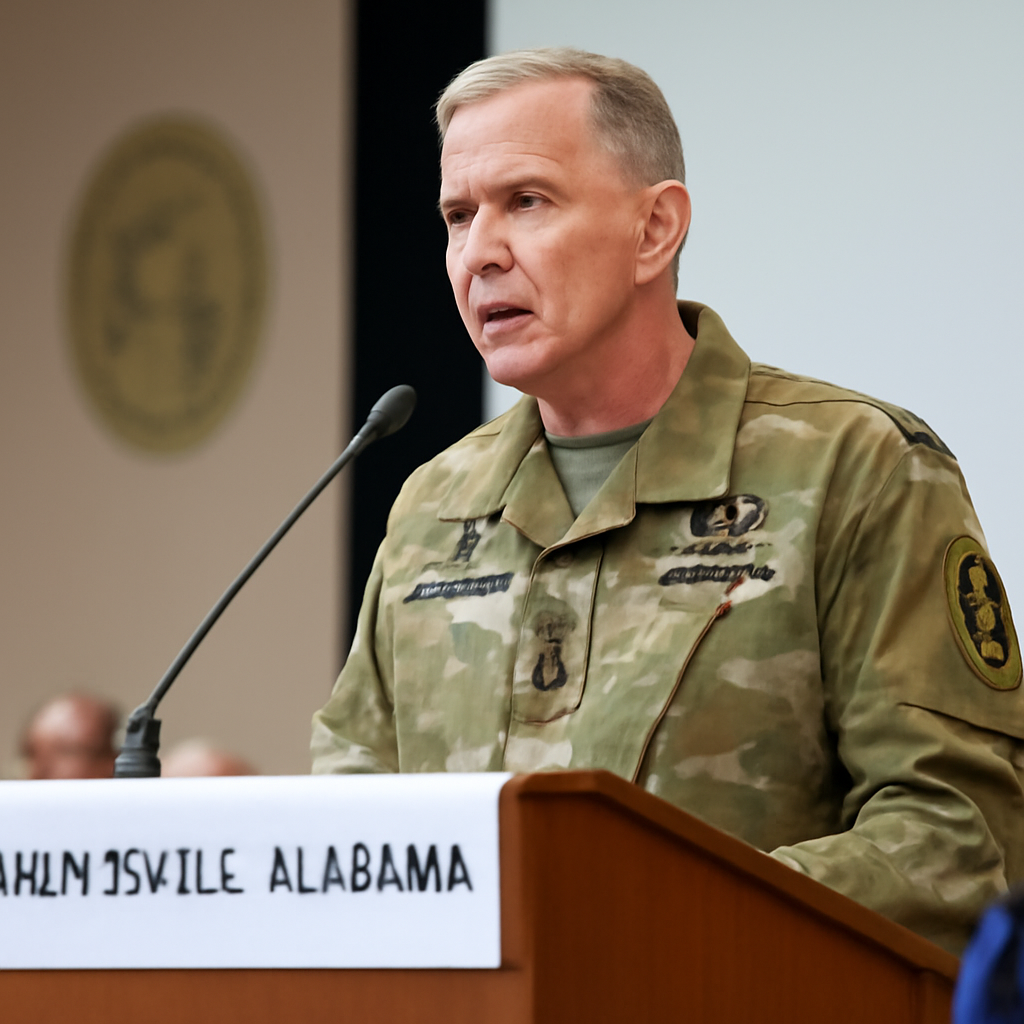
The US Army needs a major missile defense overhaul, and simply stockpiling more interceptors won't cut it, says Lt. Gen. John Rafferty, who is calling for a comprehensive missile defeat strategy.

The government's sudden halt of a voting system security review has left experts stunned, with the CEO of Mojave Research, Jason Wareham, calling it one of the worst decisions of his life. The six-week federal engagement, which had grown to involve around 60 people, was abruptly shut down just as the team was set to press forward.

Joby Aviation is bolstering its defense ambitions with a $500 million acquisition of Resonant Sciences, a military-technology firm that brings cutting-edge tech and trusted customer relationships to the table. The deal, expected to close in the first half of 2027, will make Resonant Sciences Joby's new defense business.

As tensions with Iran escalate, two US aircraft carriers have been deployed to the northern Arabian Sea, flexing their military muscle in a show of force. With less than a week to go until a crucial deadline, the US is walking a fine line between applying pressure and exercising restraint.
Evidence in spreadsheets, controls drifting between audits, frameworks multiplying on flat headcount. Nubivance runs continuous compliance on Rapid7 Cyber GRC - SOC 2, HIPAA, ISO 27001, PCI, CMMC.
End the scramble
In 1978, Deng Xiaoping's groundbreaking "reform and opening" of China's economy sparked hopes for gradual political liberalization, but Minxin Pei argues that Deng's true intention was to preserve the Communist Party's grip on power, not pave the way for democracy.
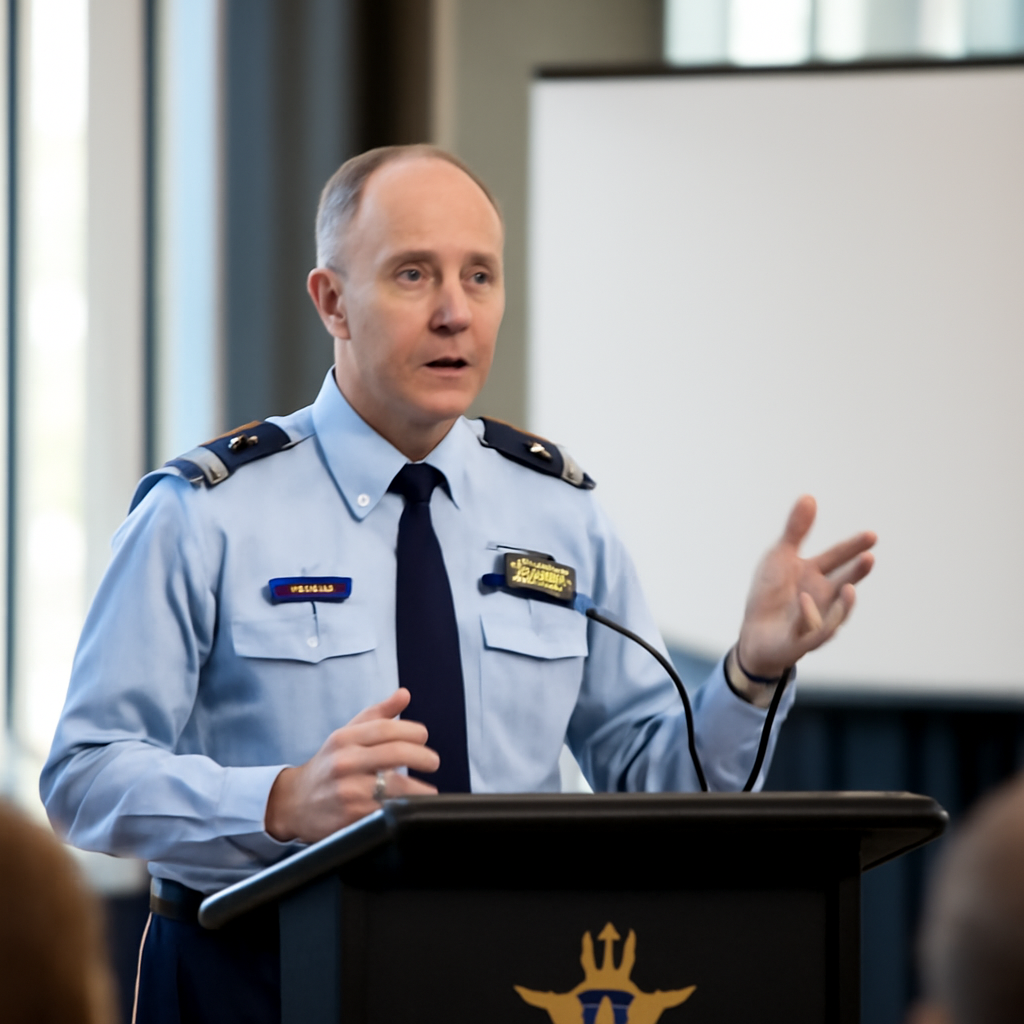
Australia's emerging deterrence approach is taking shape with Air Marshal Stephen Chappell's 6C-4D construct, a bold framework that combines capability, credibility, and collective power to disrupt, degrade, destroy, and defeat threats. This innovative approach aims to unify Australia's defence strategy, bringing together joint operations, interagency collaboration, and alliances to strengthen national defence.
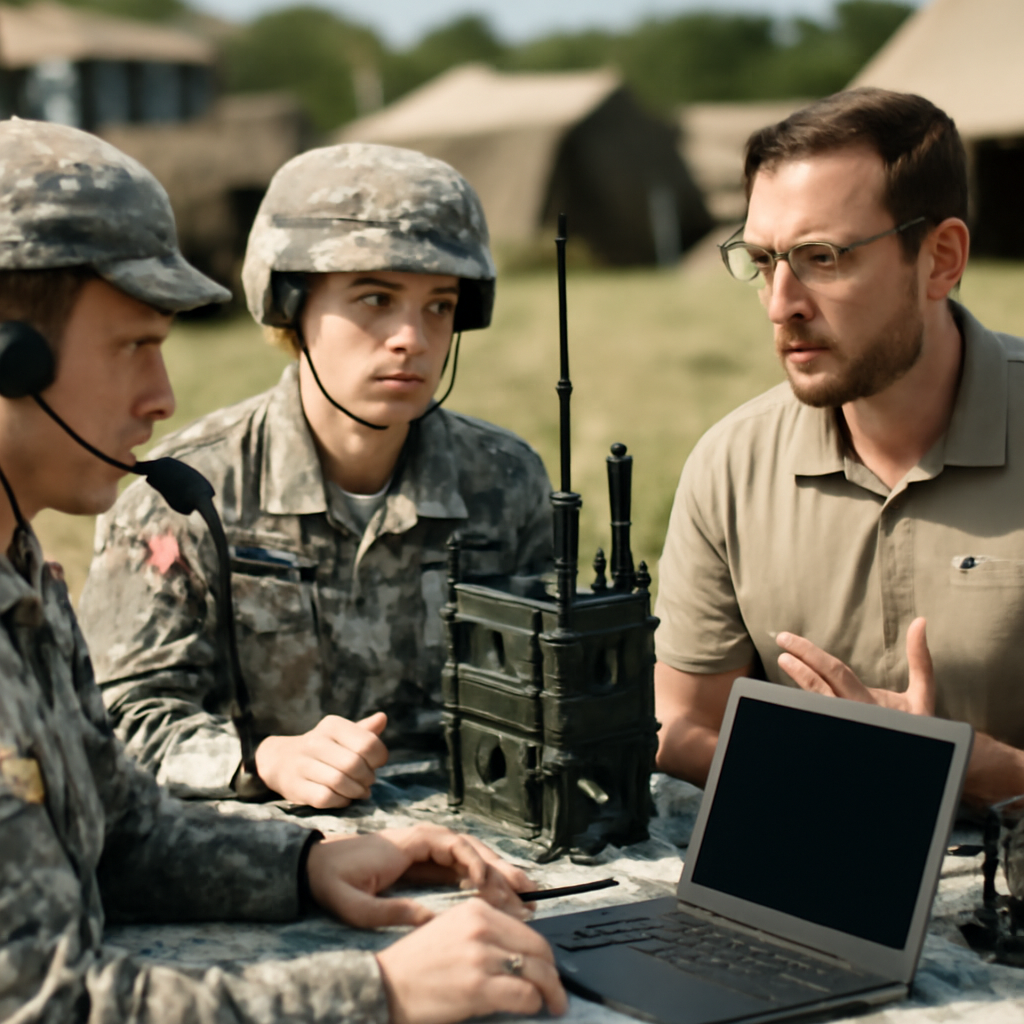
Imagine a future where soldiers can simply speak their commands into a microphone and have the system instantly understand and respond - that's the vision behind the US Army's Next Generation Command and Control system. By ditching clunky screens and embracing voice-activated tech, soldiers can focus on the mission at hand, not wrestling with hardware.

Congress is reworking the FY27 defense budget, taking a cautious approach by endorsing a $1.1 trillion topline while rejecting the administration's request to funnel $350 billion through reconciliation, a move Senator Susan Collins warned posed a "terrible risk". This pivotal decision comes as lawmakers navigate the complexities of defense funding with the fiscal year just around the corner.
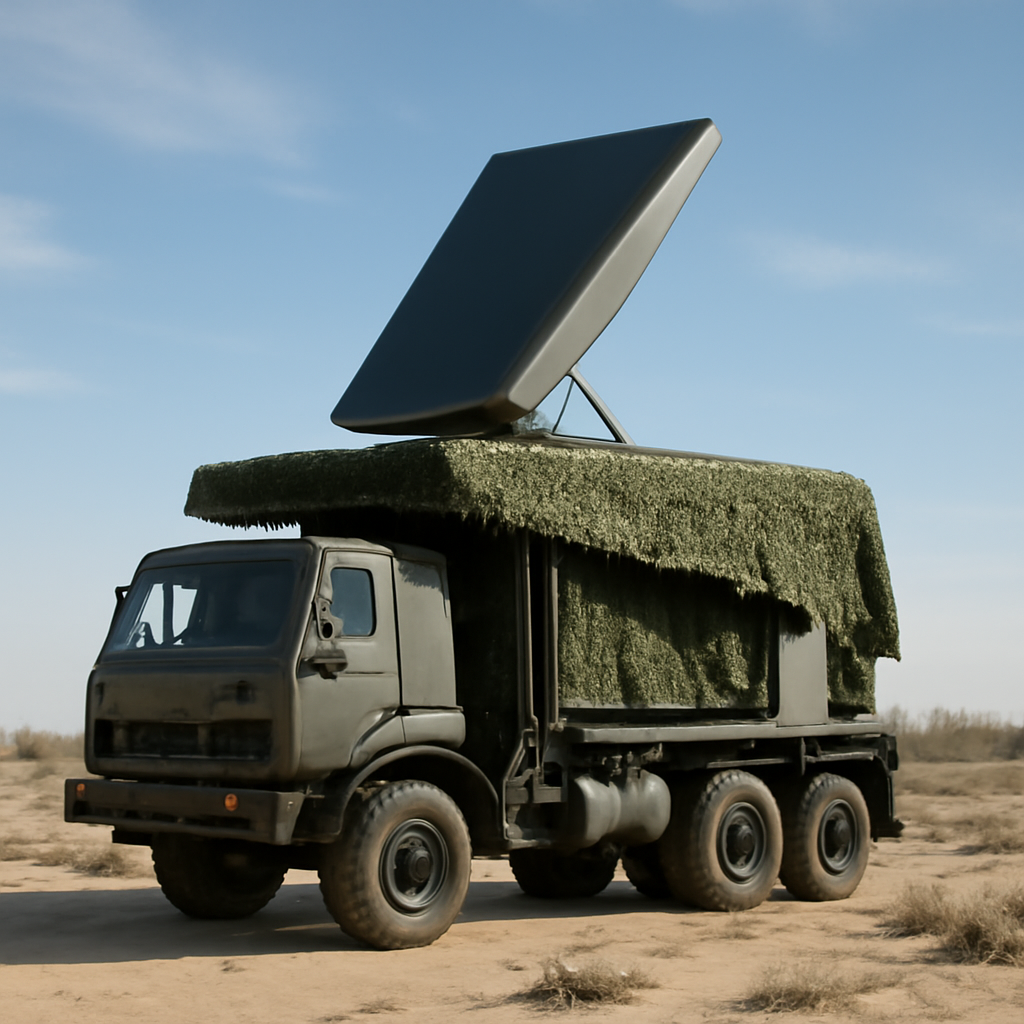
The US Missile Defense Agency is seeking a cutting-edge mobile radar system that can swiftly detect and track missile threats, as adversaries continue to develop more sophisticated capabilities. This new system, dubbed FBM Radar Next, must be highly agile, transportable, and able to rapidly deploy and conceal itself to stay one step ahead.
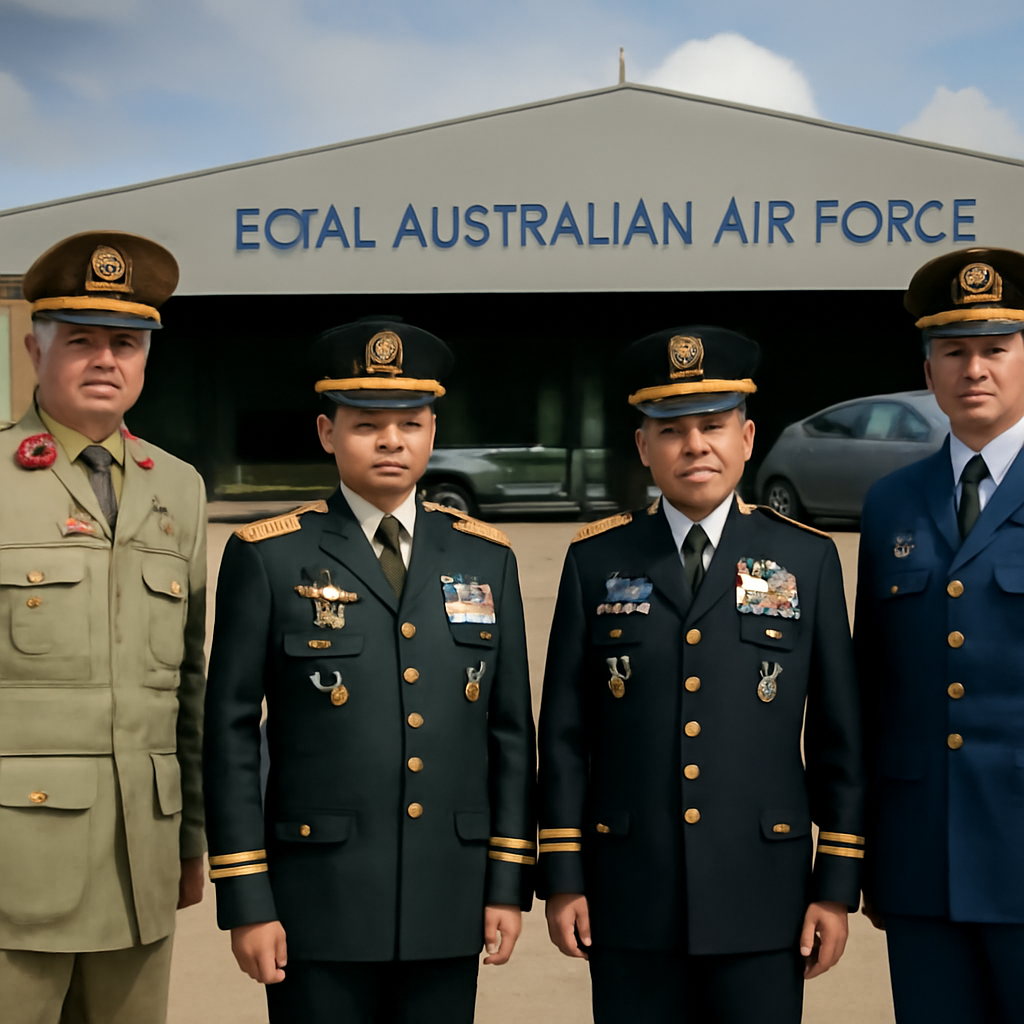
In a show of solidarity, Australia and the Philippines are strengthening their defence ties, with a recent high-level visit underscoring their shared commitment to upholding rights and freedoms in the South China Sea. The move comes as the region faces rising tensions, with both nations vowing to turn rhetoric into action.
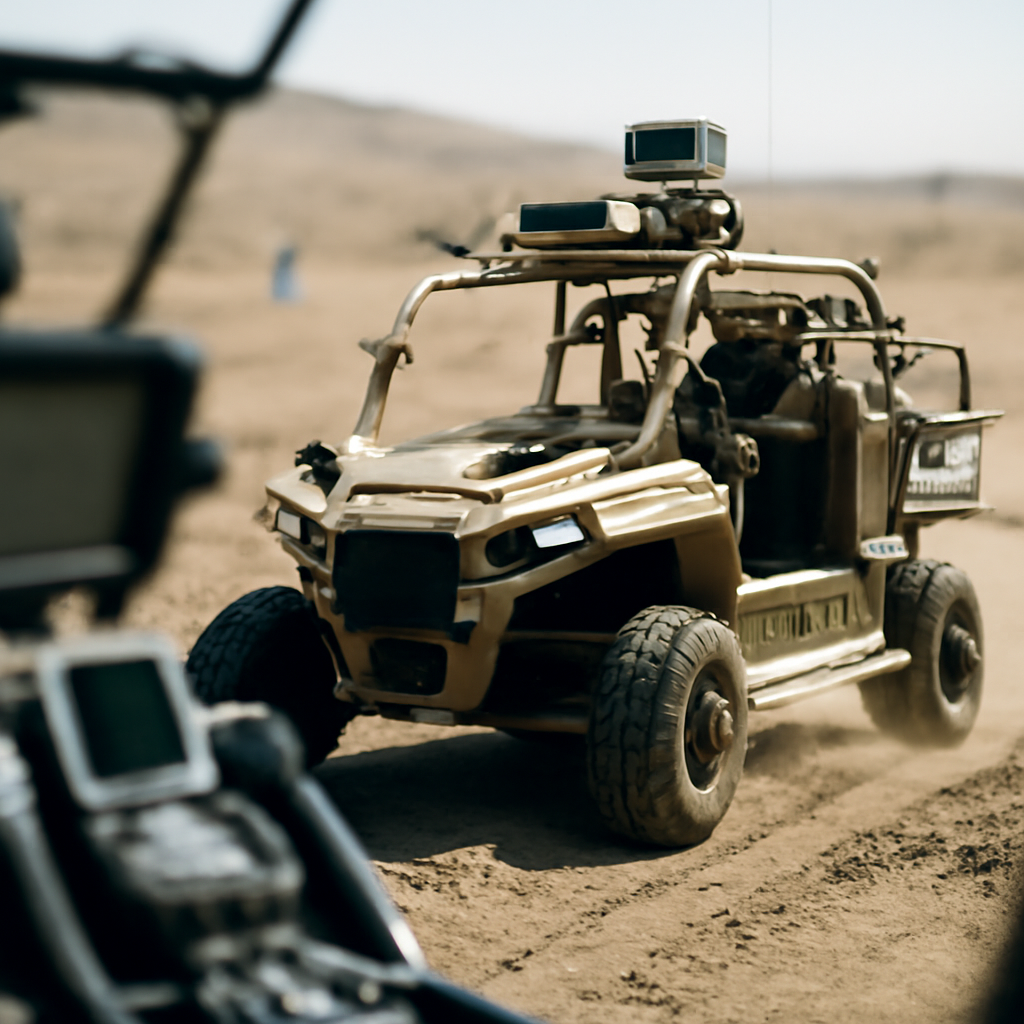
The Army is taking a major leap forward in unmanned vehicle autonomy by shifting its program to Polaris MRZR platforms, allowing for a true head-to-head comparison of the latest autonomy technology. This move builds on the RACER program's quest for off-road autonomy excellence, enabling multiple companies to test their innovations on a common base platform.

The Mecca Joint Defense Agreement marks a significant shift in regional dynamics, as Pakistan, Saudi Arabia, and Türkiye unite under a collective-defense clause that could redefine the rules of engagement in West Asia. This bold move challenges US influence, signaling that traditional power players are no longer the only game in town.