"Regional security is indivisible."
The Mecca Joint Defense Agreement: what was signed and by whom
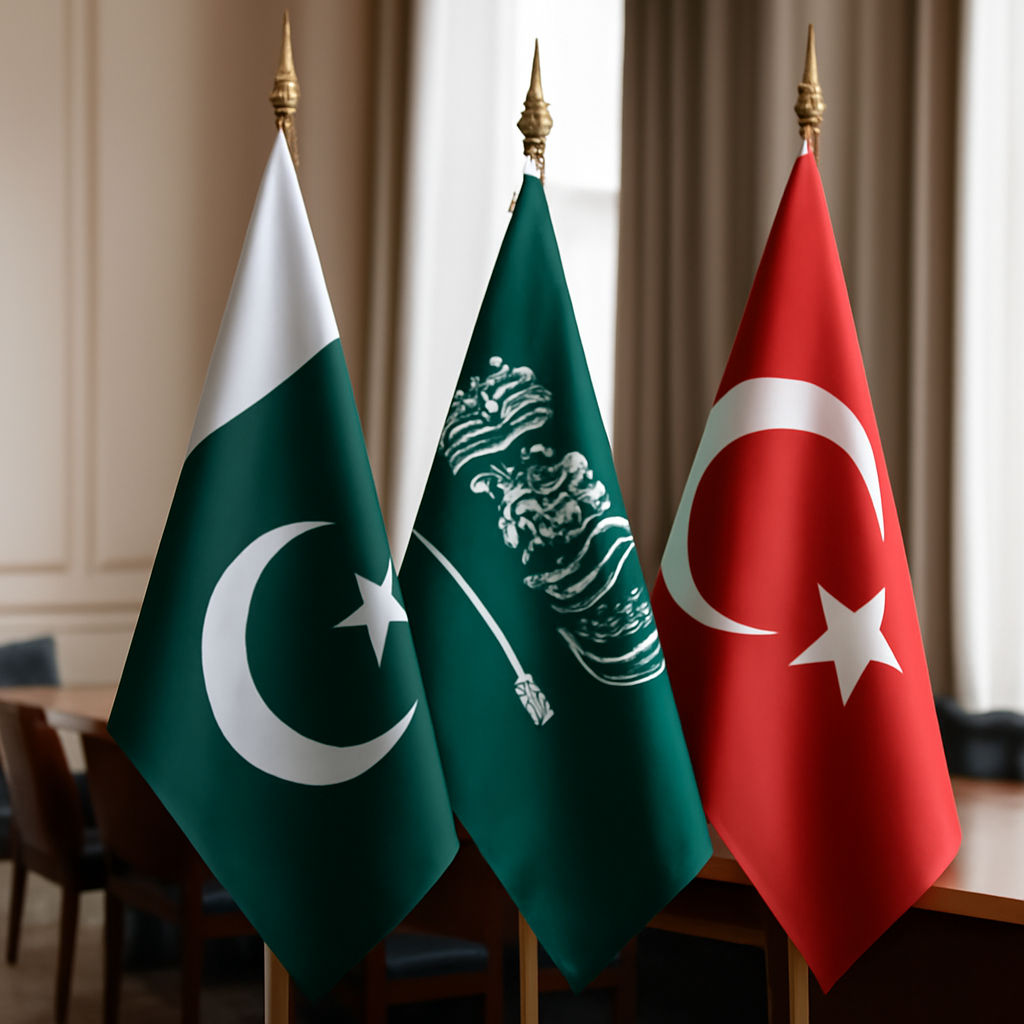
On August 7, Pakistan, Saudi Arabia, and Türkiye signed the Mecca Joint Defense Agreement, the first formal regional security pact to emerge as a direct result of the Iran–U.S. conflict that started last year. The agreement includes a collective-defense clause: an attack on one signatory will be regarded as an attack on all. The three governments have not publicly spelled out the precise circumstances that would activate collective response, and the signatories appear to be relying on internal understandings about likely triggers.
Why the pact matters to American influence in West Asia
The Mecca Pact reflects a shifting calculation about the durability and desirability of Washington’s security umbrella. The author of the report argues that the West Asia war exposed limits in the American forward-basing model: rather than insulating Gulf states, U.S. military presence pulled some governments directly into the conflict and made them targets of Iran and its regional allies. For decades, Washington served as the primary security guarantor in the Gulf; a formal defense arrangement among key regional actors that excludes the United States may begin to erode that monopoly.
That erosion will likely be gradual but consequential. The report highlights three domains where American leverage could be reduced over time: arms sales, the negotiation of military basing rights, and the management of regional crises. At the same time, Washington has not opposed the Mecca Agreement publicly; American officials have refrained from opposing it and analysts cited in the report see regional burden‑sharing as aligned with U.S. interests. Practically, however, the United States has no formal obligations under the pact, even as its deep military ties to the signatories complicate disentanglement should the alliance be invoked amid ambiguity.

The cyber insurance questionnaire just landed. Now what?
SOC 2, HIPAA, insurance renewals - someone has to own security strategy. Nubivance provides fractional CISO leadership without the full-time salary.
Get a security leadExisting Saudi–Turkiye–Pakistan military-industrial links
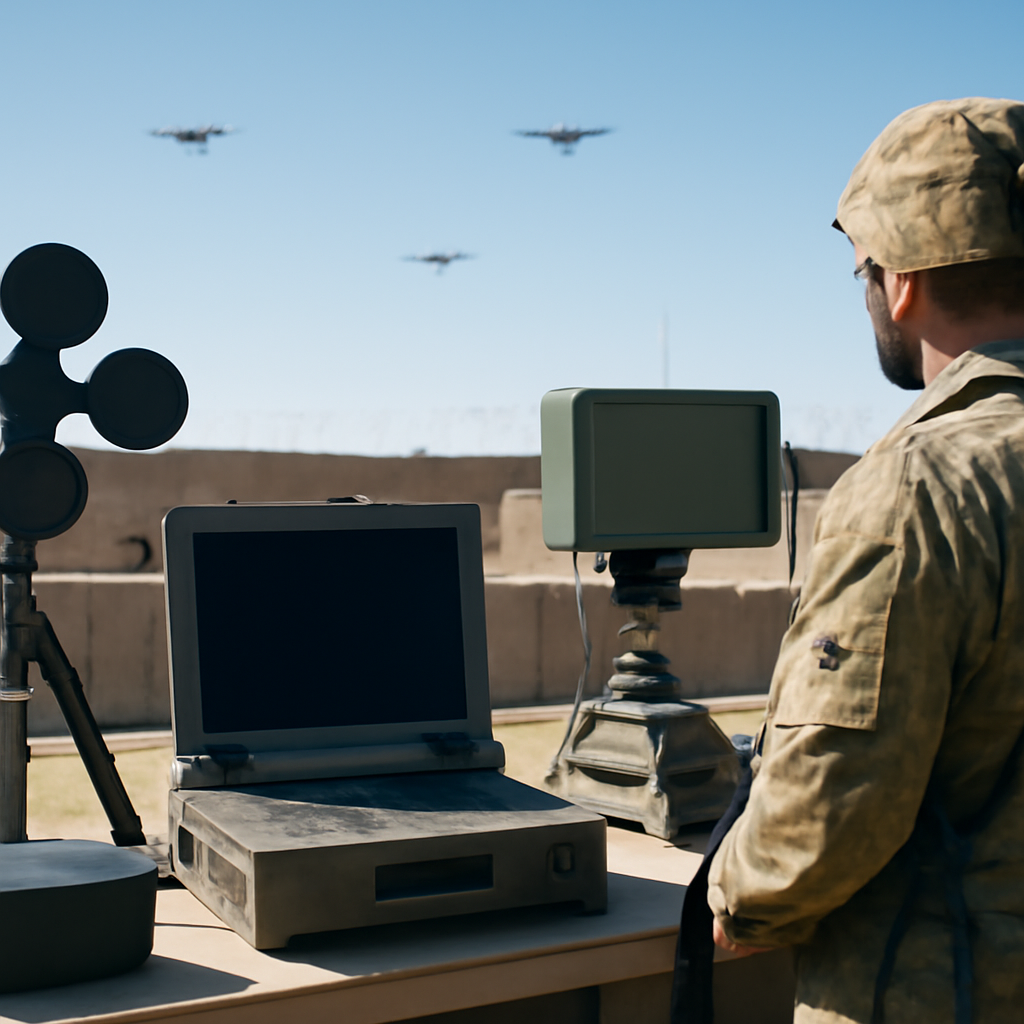
The Mecca Pact did not spring from nowhere. The three signatories already maintain substantive defense cooperation. Last year Saudi Arabia and Pakistan concluded a bilateral Strategic Mutual Defense Agreement. Türkiye and Pakistan have collaborated on naval projects, fighter-jet development, and joint exercises. A major moment between Saudi Arabia and Türkiye came in 2023 when Riyadh signed a significant defense contract to acquire Bayraktar Akinci unmanned combat aerial vehicles (UCAVs) from Baykar. That deal included accords between Saudi Military Industries and Baykar for technology transfer, local assembly, testing, and joint production inside the Kingdom — measures that dovetail with Saudi Arabia’s Vision 2030 objective to localize more than 50 percent of its military spending.
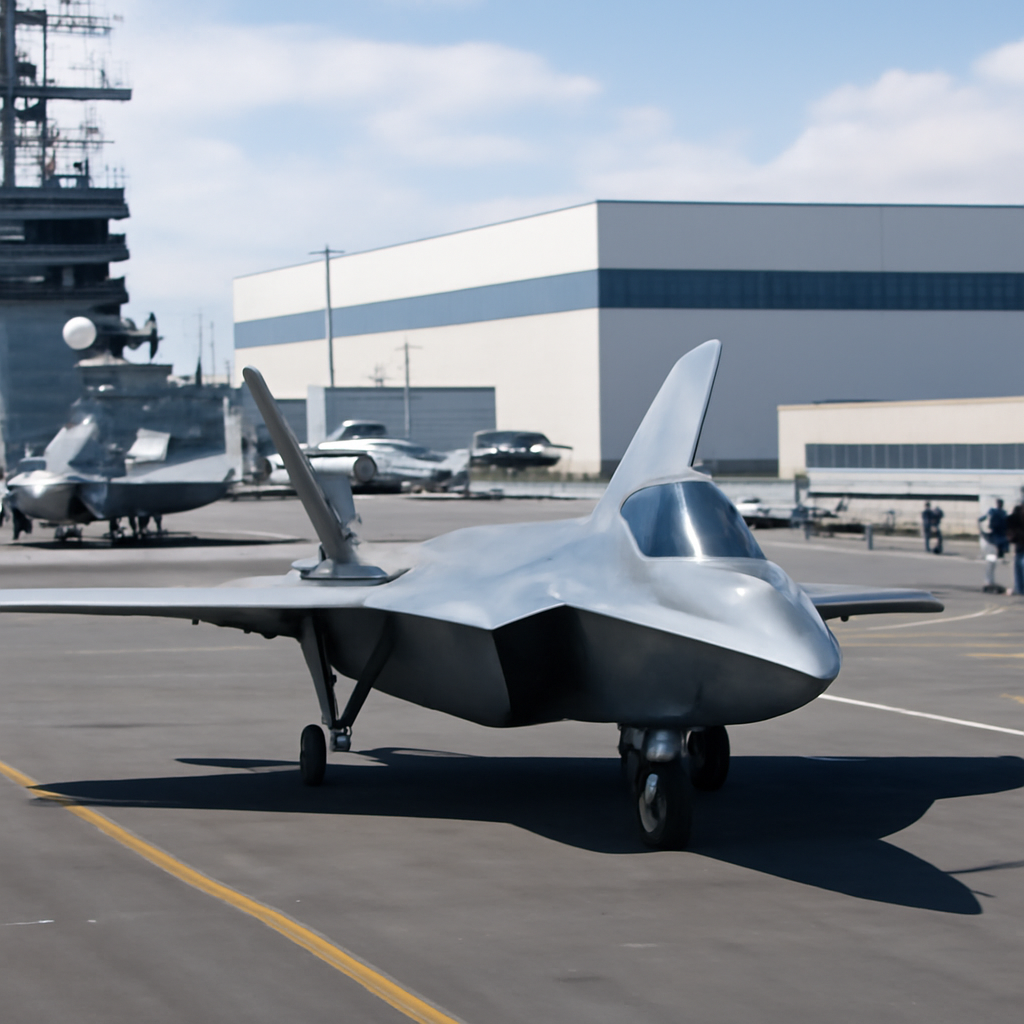
These industrial and operational ties provide a practical foundation for deeper military integration under the Mecca framework and make the pact more than a diplomatic statement: it is an institutional step that builds on ongoing programmatic cooperation.
Diplomatic signaling: Iran, Pakistan, and regional optics
The pact has not been presented publicly as an anti-Iran alliance. Early diplomatic exchanges indicate Tehran has been kept informed: Pakistan’s Foreign Minister Ishaq Dar telephoned Iranian counterpart Abbas Araghchi after the signing and — according to the Pakistani Foreign Office — “shared the contours of the recently signed Makkah Joint Defense Agreement,” underscoring its objectives “of strengthening strategic cooperation and contributing to regional peace and security.” Araghchi “expressed appreciation for the briefing” and updated Dar on bilateral talks with Oman on a route for safe passage through the Strait of Hormuz.
Iran’s Foreign Ministry spokesman welcomed the Mecca Agreement as a “sign of a changing perception among regional states,” arguing that regional security cannot be secured by reliance on foreign powers and that initiatives correctly identifying principal threats could strengthen West Asian security. In this reading, Tehran regards the pact both as validation of its long-standing view on regional security and as a possible foundation for a broader, more inclusive security architecture.
Saudi officials have sought to limit tensions about intent. The Saudi Gazette quoted Saudi Deputy Minister for Public Diplomacy Amb. Dr. Rayed Krimly saying the accord “is not intended to establish a military axis or sectarian bloc and is not linked to nuclear ambitions or an arms race,” and stressing the pact “does not threaten the security of any country in the region.”
What this means for Pakistan, Saudi Arabia, and Türkiye
- Pakistan: The accord expands Pakistan’s diplomatic role as a bridge across the Persian Gulf, formalizing a framework in which Islamabad can shuttle communications and help mediate regional differences.
- Saudi Arabia: Riyadh advances its local defense‑industrial goals (including Vision 2030 localization targets) through technology-transfer and joint-production arrangements already under way with Türkiye.
- Türkiye: Existing defense exports and joint projects — exemplified by the Baykar UCAV deal — are likely to deepen, embedding Ankara in a regional security architecture that seeks greater autonomy from external guarantors.
The Mecca Pact marks a structural shift: regional states with deep historical, religious and defense ties are asserting more strategic autonomy. Whether this framework will expand to include Iran, other Gulf states, or additional partners depends on diplomacy and the unstated activation criteria for collective defense. For Washington, the immediate choice has been to tolerate a three‑way arrangement among partners that already maintain links to the United States rather than risk unpredictable security vacuums being filled by non‑aligned actors. For the signatories, the pact is both a hedge against external dependence and an invitation to manage their own crises — a recalibration whose full effects on arms sales, basing, and crisis management will unfold over coming years.