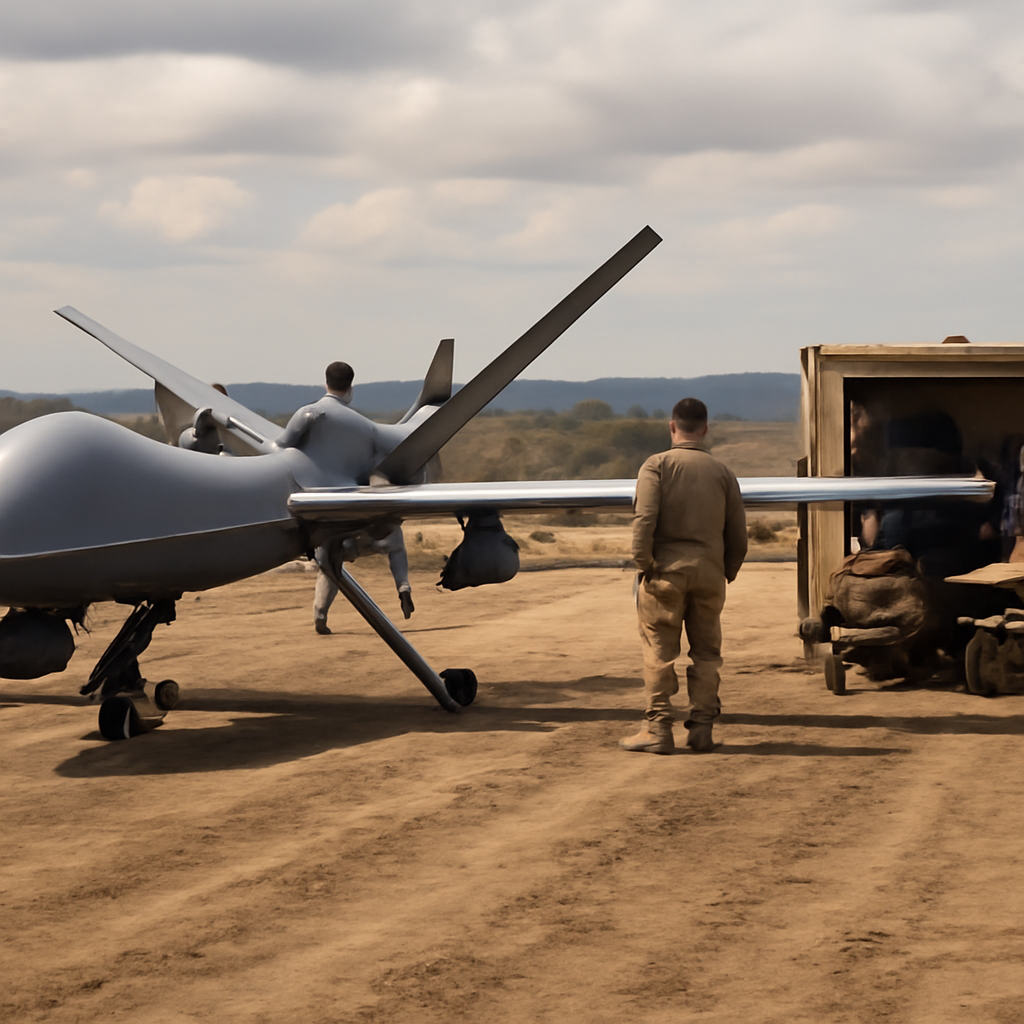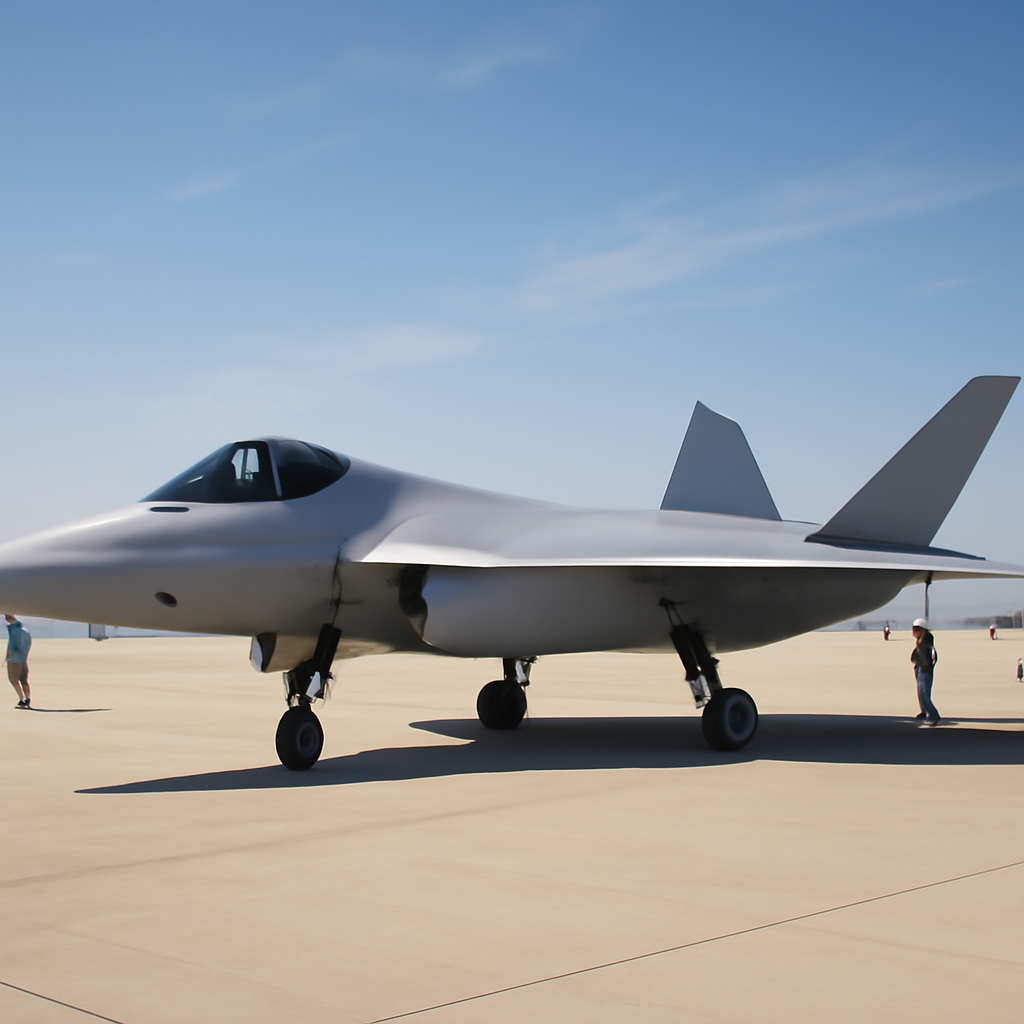
"Basically, both air arms want a large aircraft that would form the nucleus of a wider system-of-systems architecture involving small and large drones, special mission aircraft, and other assets," Quwa reported — a compact sentence that frames how New Delhi and Islamabad are approaching their next-generation fighter ambitions.
India's shortlist: FCAS and GCAP on the table
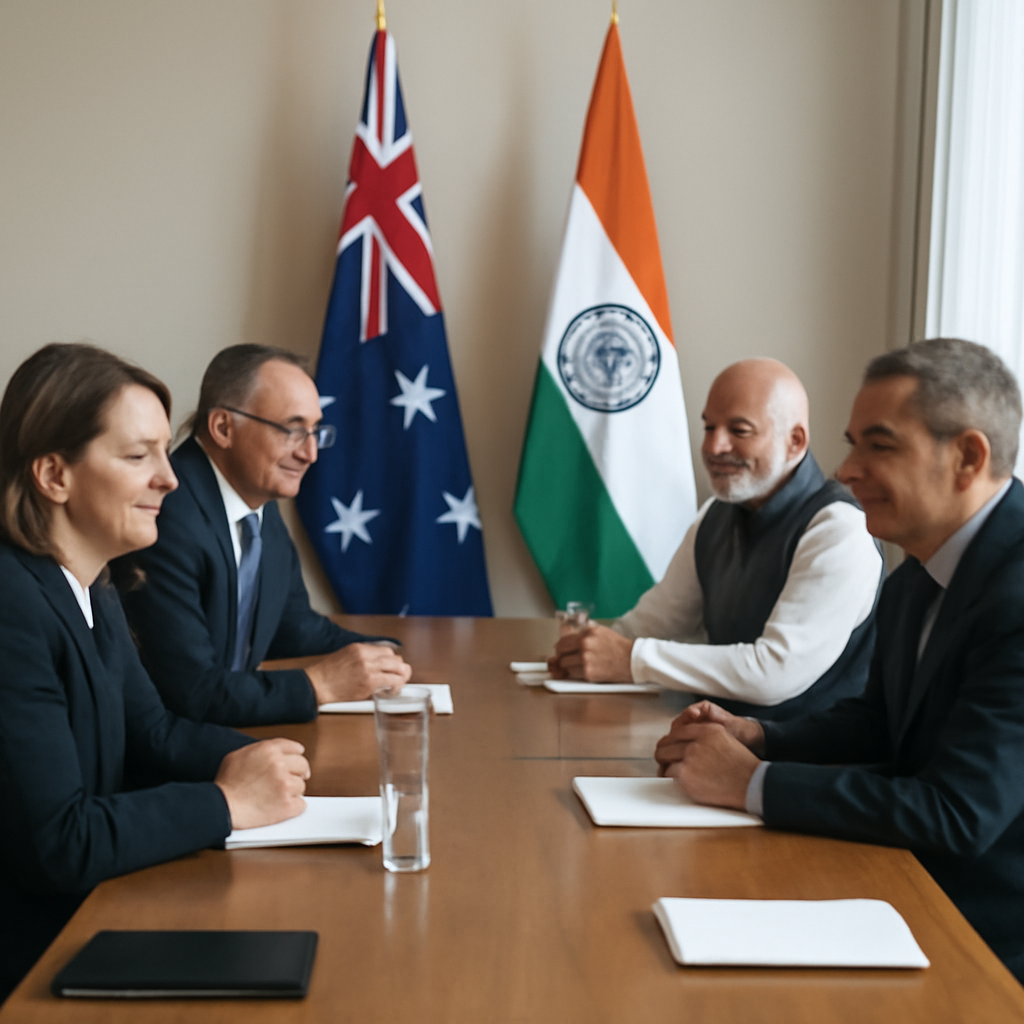
By March 2026, India's Ministry of Defence disclosed that the Indian Air Force is evaluating two consortium pathways for a next-generation fighter: France’s Future Combat Air System (FCAS) and the UK-led Global Combat Air Programme (GCAP). That disclosure sits atop a larger procurement picture in which France already figures prominently: Paris has supplied India with the Dassault Rafale and, according to reports cited by Quwa, submitted a proposal to sell another 114 Rafales to the Indian Air Force.
Dassault's strategic calculus: Rafale, MRFA bids, and the FCAS carrot
Quwa’s earlier forecasting, dating back to 2018, traced a clear line from India’s withdrawal from the Russian Su-57 (then known as PAK-FA) to a renewed French role. The analysis laid out six interlocking incentives that make FCAS attractive to France and Dassault:
- FCAS intends to improve upon the capabilities of the Eurofighter Typhoon and the Rafale, creating a capability justification for investment beyond existing solutions.
- Dassault can leverage India’s potential scale to encourage partner approval — notably Germany’s — and preserve FCAS’s procurement viability if European orders soften.
- The FCAS commitment could be offered as a "carrot" to secure the current Indian bid for 110 new multi-role fighters, sold in the short term via the Rafale.
- Dassault could extend FCAS ambitions to the Indian Navy by proposing a naval FCAS variant alongside offering the Rafale M for naval requirements, both to incentivize additional Rafale purchases and to guarantee scale for a carrier-capable NGFA.
- India’s fiscal strength could be leveraged to mitigate funding shortfalls in Europe and protect program continuity.
- Access to India’s production scale and industry could reduce unit costs, making FCAS more competitive for third-party markets in the Middle East and East Asia.
Those points explain why Quwa described India as an "ideal target partner" for both FCAS and GCAP: France gains scale and political cover, while India gains access to a next-generation pathway linked to existing Rafale purchases and naval ambitions.

Audit-ready is a season. It shouldn't be.
Evidence in spreadsheets, controls drifting between audits, frameworks multiplying on flat headcount. Nubivance runs continuous compliance on Rapid7 Cyber GRC - SOC 2, HIPAA, ISO 27001, PCI, CMMC.
End the scrambleA shared demand: accessible NGFA as the system-of-systems nucleus
Across both capitals, Quwa’s reporting finds a common technical and doctrinal preference. Rather than a small, ultra-stealthy interceptor alone, both the Indian Air Force and the Pakistan Air Force are said to want an "accessible NGFA platform" — a larger, more versatile aircraft that can anchor a broader suite of capabilities. The platform is envisioned not as a lone element but as the nucleus of a "system-of-systems" that includes small and large drones, special-mission aircraft, and other assets.
Pakistan Air Force: similar objectives, different pathways
Quwa notes that while India and Pakistan share the basic requirement—an accessible, large NGFA to serve as a system node—the routes each air arm will take differ. Those differences, the analysis argues, stem from "the inherent qualities and limitations of each power." The report does not prescribe exact platforms for the Pakistan Air Force but stresses that Islamabad’s end-state requirements mirror New Delhi’s in architecture even if procurement, industry participation, and international partnerships diverge.
What this means for the Indian MoD, Dassault, and the Pakistan Air Force
- Indian Ministry of Defence and the IAF: expect parallel tracks — near-term Rafale-related procurement (including proposals for another 114 aircraft and the 110-unit MRFA contest) alongside longer-term evaluation of FCAS and GCAP consortium options.
- Dassault and European partners: the firm has commercial levers — Rafale sales, potential naval Rafale M sales, and promises of FCAS collaboration — that could be used to secure Indian participation and scale, thereby influencing partner-state approvals and export competitiveness.
- Pakistan Air Force: will likely pursue an NGFA strategy that prioritizes an accessible, large platform integrated into a wider system-of-systems, even if the specific procurement path or international partners differ from India’s.
Taken together, the reporting from Quwa sketches a regional contest less about single-aircraft stealth claims than about industrial scale, program risk mitigation, and the role of a next-generation fighter as the central node of broader airpower architectures. The immediate, verifiable fact on the record is procedural: India’s MoD has confirmed the IAF is evaluating FCAS and GCAP. Beyond that disclosure, the choices New Delhi and Islamabad make will reveal whether their stated preference for an "accessible" NGFA translates into multinational partnership, domestic development, or a hybrid of both.