"It creates a 'terrible risk,'" Sen. Susan Collins said earlier this year about the administration's plan to move hundreds of billions of dollars through reconciliation to fund defense priorities. With the 2027 fiscal year less than two months away, that risk is precisely what Congress is wrestling with as three of four defense committees release markups that largely accept a $1.1 trillion topline while sidestepping the administration's $350 billion reconciliation ask.
Three committees endorse the $1.1 trillion topline — with major caveats
The House Armed Services Committee (HASC), the Senate Armed Services Committee (SASC), and the House Appropriations Committee (HAC) have released markups that adhere to the administration’s $1.1 trillion discretionary request. The Senate Appropriations Committee has not released its markup. That $1.1 trillion figure is roughly $242 billion above the FY26 base budget and about $91 billion above the FY26 enacted level, which included approximately $152 billion from an initial reconciliation bill signed in July 2025. Even as committees accept the topline, many of the administration’s highest-profile funding requests remain tied to reconciliation — and several lawmakers have signaled they lack votes for the full $350 billion package.
Large industrial-base and equipment investments are concentrated in reconciliation
Forecast International’s U.S. Defense Budget Spotlight analysis shows the biggest program reductions would fall in Defense-Wide industrial-base and equipment investments if reconciliation funds are not approved. Those items include:
- $54.6 billion for the Defense Autonomous Warfare Group
- $40.6 billion for Industrial Base Analysis and Sustainment
- $30.5 billion for equipment funded through the Office of the Secretary of Defense
- $30 billion for Defense Production Act purchases
- $20 billion for the Office of Strategic Capital Loan Program
- $17.1 billion for the Golden Dome missile defense initiative
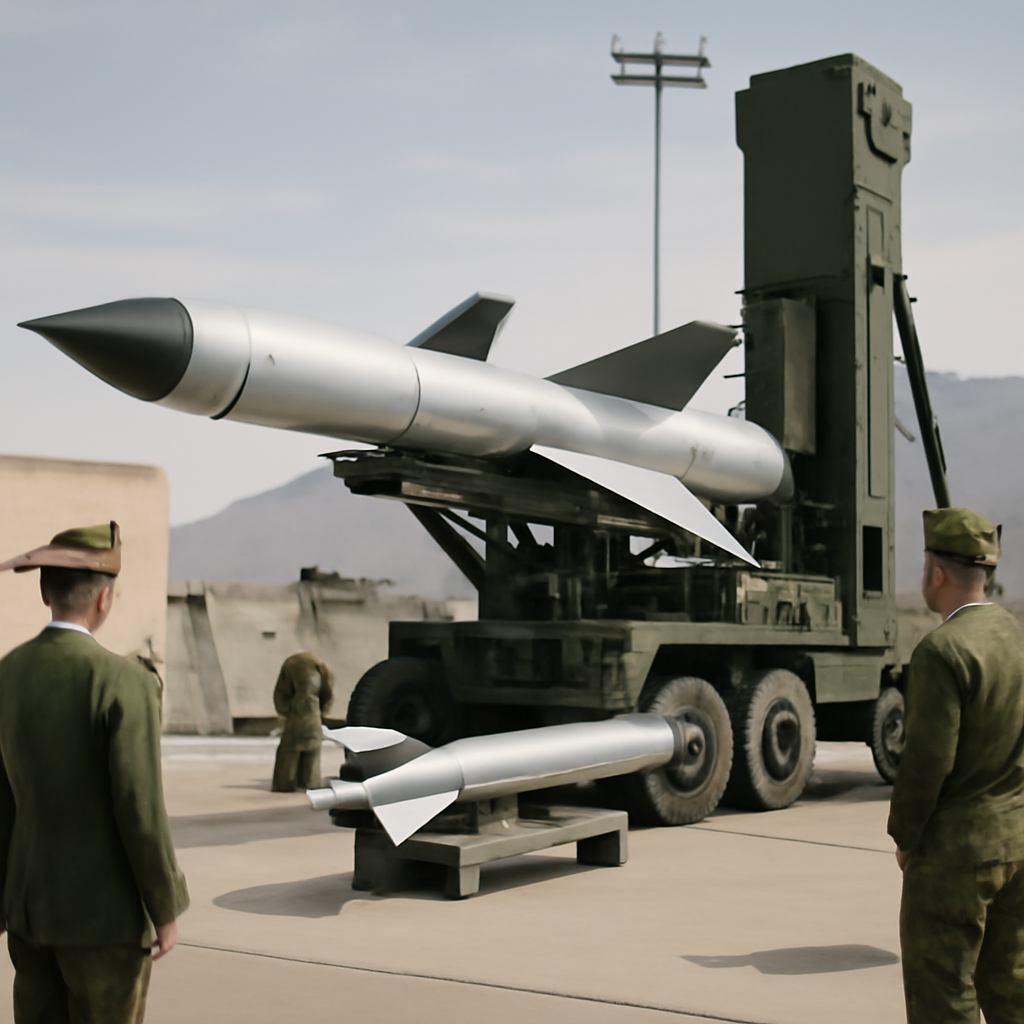
The reconciliation tranche also contained munitions buys: $10.9 billion for Patriot interceptors and $10.5 billion for Terminal High Altitude Area Defense (THAAD) interceptors. The administration had planned to use reconciliation to backfill other programs as well, including the F-35, KC-130J, and several shipbuilding programs — a choice that committees have, so far, declined to accept in full.

This site is the portfolio.
OSINTSights runs on Cloudflare Workers, D1, R2, and Vectorize, with an AI pipeline on Hetzner ARM. Nubivance designed, built, and operates it. We do the same for clients.
See what we buildResearch and acquisition adjustments: winners, losers, and mixed signals
All three committees proposed net increases for discretionary research, development, test and evaluation (RDT&E) — though the size and distribution vary. The HAC proposed a $2.2 billion increase, the SASC proposed $1.1 billion, and the HASC proposed $687.2 million. Both HAC and SASC proposed sizable RDT&E plus-ups for the Army and Navy; HASC recommended a net reduction for the Air Force account of $480.9 million.
At the same time, every committee trimmed the Space Force’s research budget, with cuts ranging from $201.4 million under HASC to as much as $3.1 billion under HAC. Defense-Wide research was cut by nearly $1 billion in the HAC and SASC markups while the HASC proposed adding $558.1 million.
Congressional adjustments point to specific winners and losers: the Air Force’s E-7, the Navy’s F/A-XX fighter, and unmanned surface vehicles (USVs) are positioned to benefit; conversely, the hypersonic Conventional Prompt Strike effort and the Space Force’s Automate Sat C2 effort may lose funding. On procurement overall, House appropriators recommended a $9.2 billion cut compared with the administration’s request, paired with a $2.2 billion increase for RDT&E.
Army aviation, missiles, and shipbuilding face sharp program-level fights
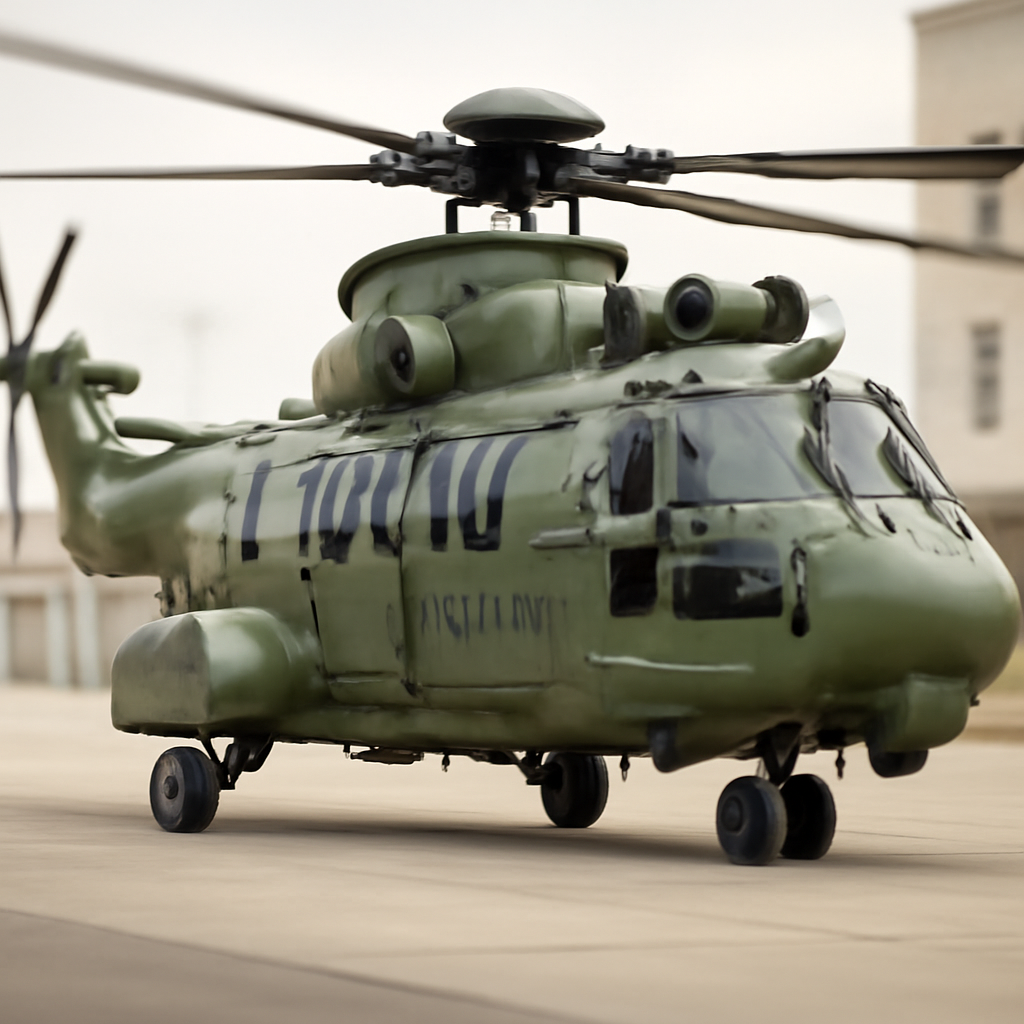
Army aviation was a clearexample of how committee markups move money around. The FY27 request had trimmed funding for programs such as the UH-60 Black Hawk and CH-47 Chinook; HASC and HAC sought to reverse those cuts, recommending increases of 27 percent and 47 percent respectively for Army aircraft procurement. The SASC, by contrast, recommended trimming the service’s aircraft account by 7 percent. Following the release of the FY27 request, the Pentagon said it was open to revisiting its proposed aircraft reductions, and additional funding is expected to appear in the final defense spending bill.
Missile funding adjustments were uneven. The SASC pushed for a 12 percent increase in Air Force missile spending driven by an additional $845 million for the Family of Affordable Mass Missiles (FAMM) program; House appropriators recommended an extra $300 million for FAMM to offset the absence of reconciliation buys. Yet discretionary Army and Navy missile funding was reduced across the board in the committee markups.
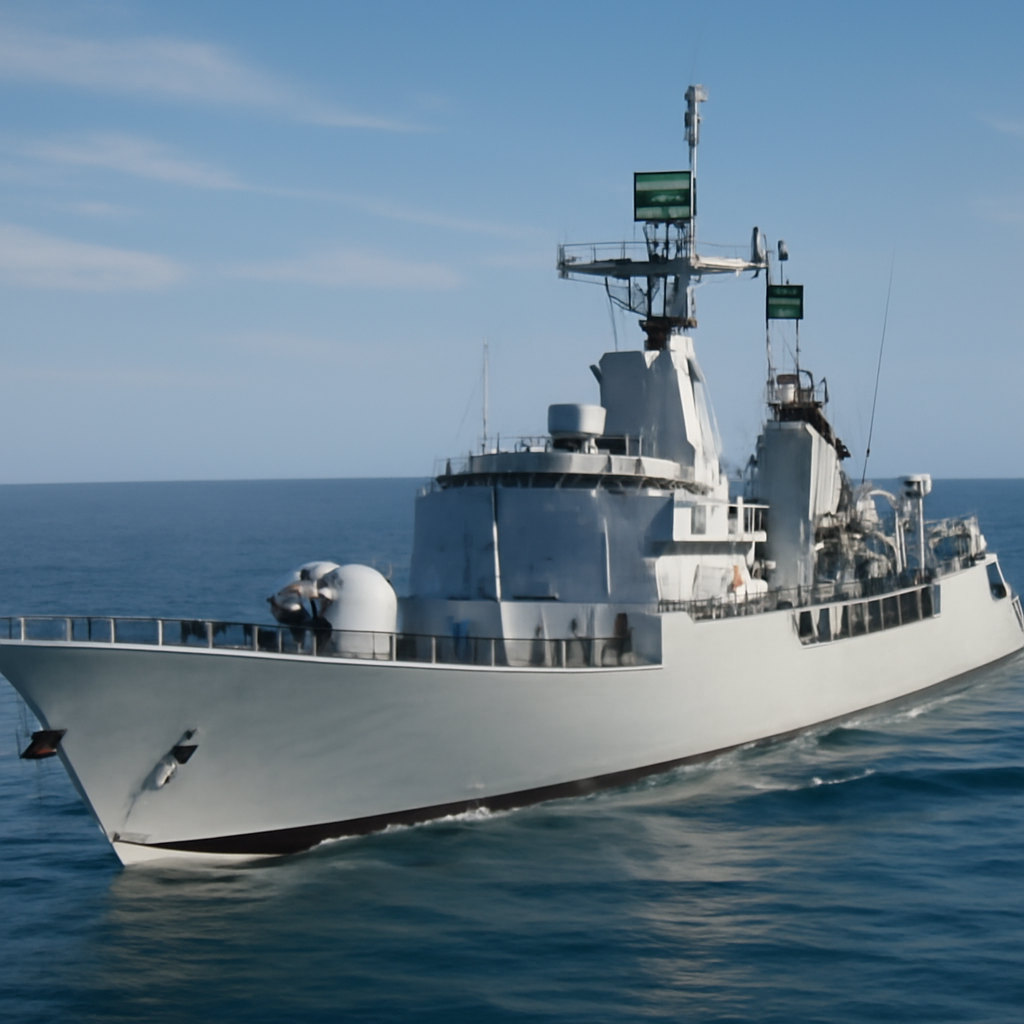
The Navy’s shipbuilding request also ran into resistance. The SASC and HAC proposed reducing the shipbuilding account by 5.1 percent and 5.8 percent respectively. The SASC removed $1 billion requested for the BBG(X) and $2.4 billion for carrier (CVN) refueling overhauls; the submarine tender program was cut by up to half. House appropriators recommended stripping $1.4 billion for the P-8A maritime patrol aircraft.
How policymakers, the defense industrial base, and the services are responding
- Policymakers and appropriators: Several Republican lawmakers said they do not see enough support for a $350 billion reconciliation bill; GOP negotiators are working on a smaller reconciliation package reportedly worth $60 billion that would primarily fund the Iran war supplemental request and munitions replenishment. House and Senate continuing resolution proposals assume a final discretionary defense budget will not be passed until after the mid-term elections.
- Defense industrial base and procurement leaders: Industry is already “struggling to keep up with growing demand,” and missing reconciliation funding for DPA purchases, interceptors, and industrial-base investments could constrain the ability to scale production quickly.
- The services (Army, Navy, Air Force, Space Force): Army aviation may see a partial restoration of procurement funding; the Navy faces reductions in shipbuilding buys and aircraft procurement; the Air Force sees mixed results with missile and aircraft programs; the Space Force faces across-the-board research cuts in the committee markups.
Congress has signed on to a $1.1 trillion topline but left much of the administration’s industrial-base and munitions plan parked in reconciliation. With the Senate Appropriations markup still pending, a smaller GOP reconciliation offer in play, and continuing-resolution language assuming delay until after the midterms, the final distribution of money — and the tempo of munitions replenishment and industrial expansion — will depend on a handful of pending decisions in coming weeks.