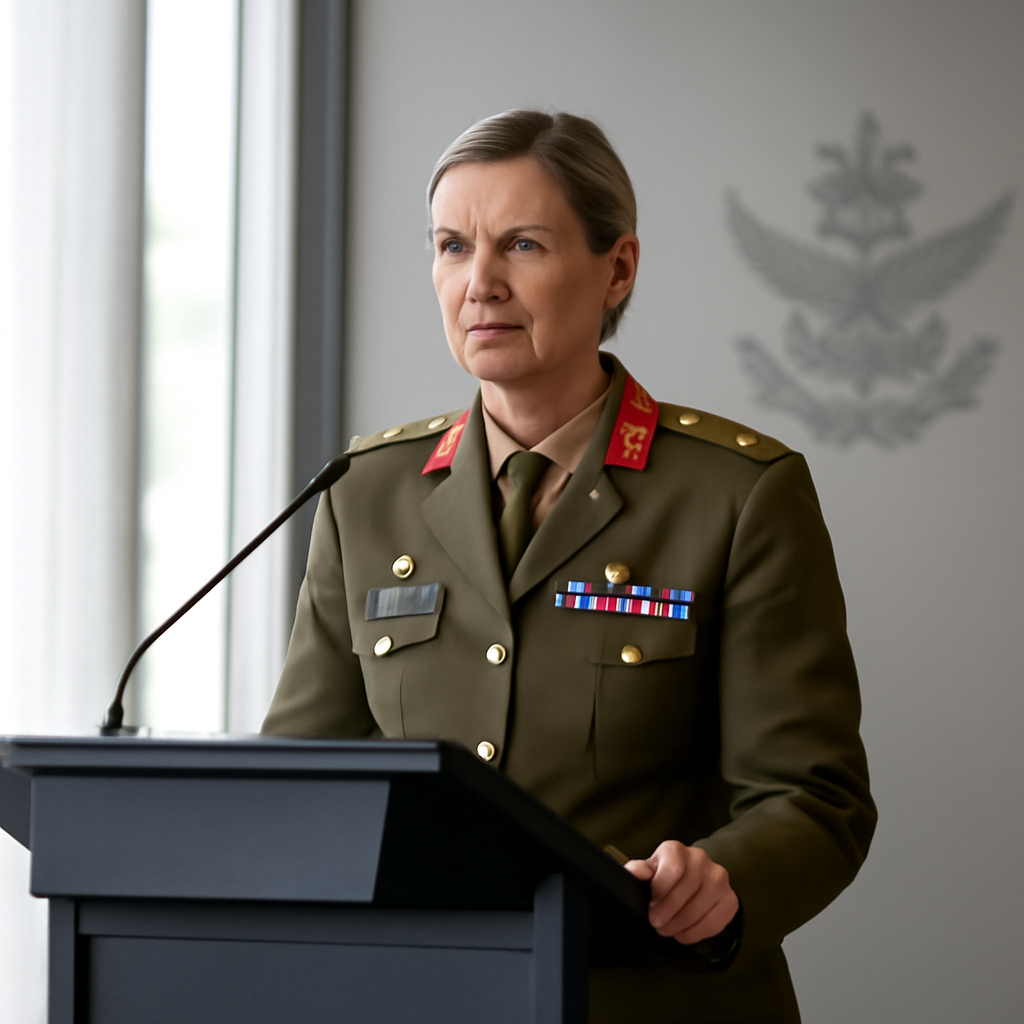
"It was entirely possible that the next conflict could start in the space or cyber domain," Lieutenant General Susan Coyle told attendees at ASPI’s 2026 Defence Conference.
Lieutenant General Susan Coyle on the integration journey
Speaking as "then chief of joint capabilities and now chief of army," Lieutenant General Susan Coyle laid out a clear portrait of an Australian Defence Force evolving from stove‑piped services toward an integrated five‑domain instrument of national defence. She described "significant growth of space and cyber capabilities in the ADF over the past few years" and credited those capabilities with tangible value to the joint force. But she was candid that the journey is unfinished: competition for people and resources continues, and making wise choices about who to recruit and how to allocate funding remains central to sustaining public trust and operational effectiveness.
Space and cyber as operational domains, not just enablers
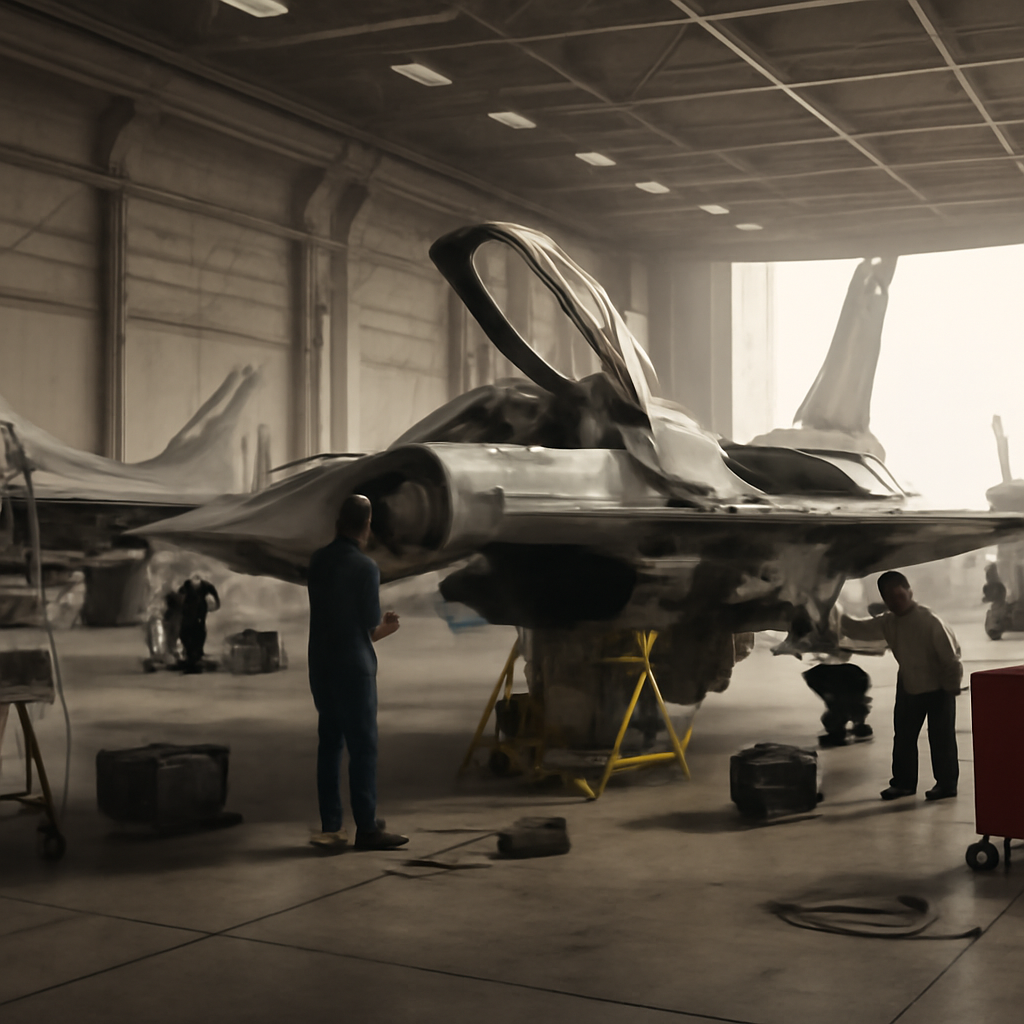
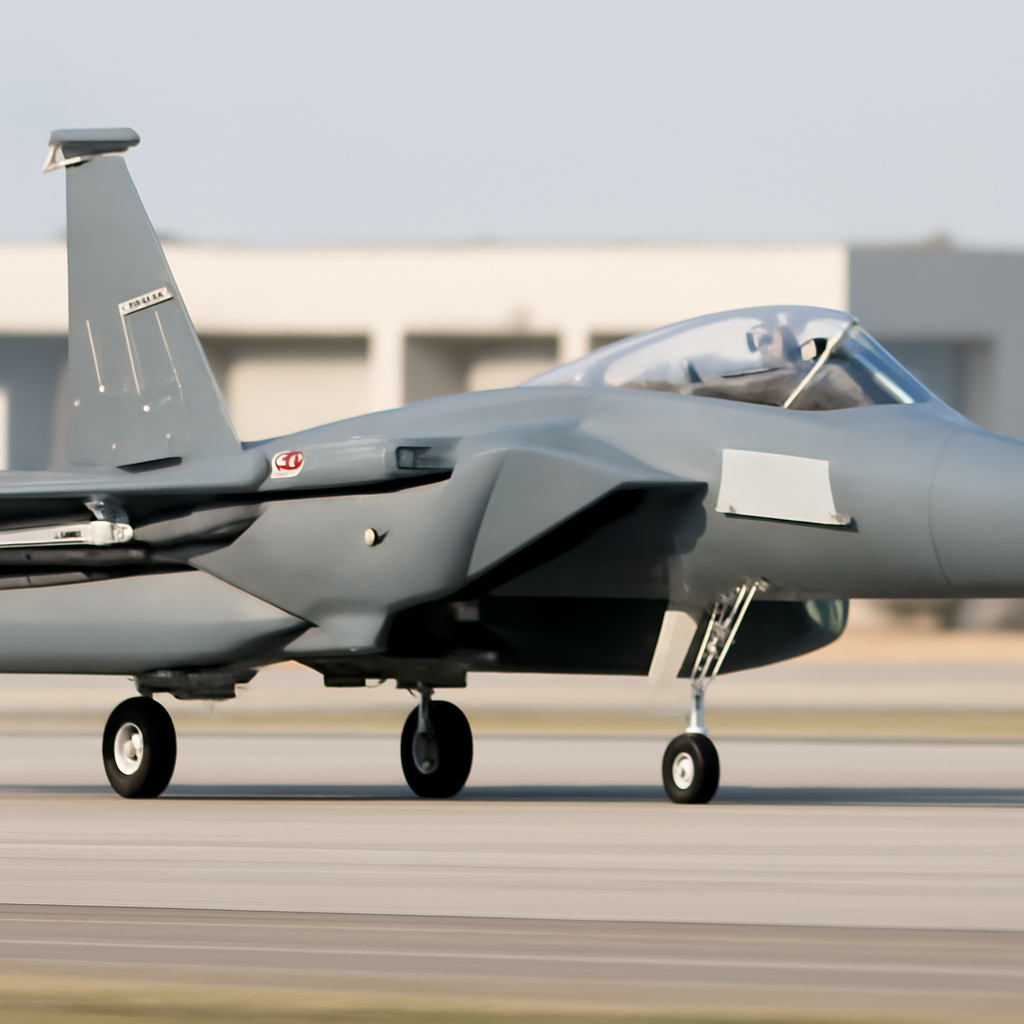
The ADF has moved space and cyber beyond a supporting role, the chief argued. Space and cyber "underpin all five domains and can sometimes be the point of the spear enabled by the navy, army or air force." The force now fields a purpose‑built space workforce and is investing in space domain awareness, space communications, positioning, navigation and timing, and space control capabilities. In cyber, the ADF has "dedicated personnel providing cyber capabilities to better protect and assure ADF platforms and to achieve cyber effects themselves." That shift reframes how commanders design operations: a naval task group might gain disproportionate military potential when cyber protection, ground‑based missile and air cover, and space‑based intelligence are coordinated as integrated effects.

The cyber insurance questionnaire just landed. Now what?
SOC 2, HIPAA, insurance renewals - someone has to own security strategy. Nubivance provides fractional CISO leadership without the full-time salary.
Get a security leadJoint Capabilities Group as the practical centre of integration
The Joint Capabilities Group represents the tangible workforce integration Coyle described. It comprises roughly 10,000 employees, about half of whom — 5,000 — are contractors, with the remainder a mix of defence civilians and uniformed personnel. Coyle held up that organisation as "the epitome of integration," a practical example of how distinct domain skillsets can be pooled to deliver cross‑domain capabilities.
Competition for people and resources — "good friction"
Coyle characterised the ongoing tussle for talent and budgets between domains as "good friction," signalling that the contest reflects a more level contest among air, land, maritime, space and cyber for their place in the integrated force. She stressed quality over quantity in recruiting: she would "rather have the right people than just more people." That emphasis shapes workforce planning, procurement priorities and training, and it shapes how the ADF explains its choices to the public — a vital element of maintaining the ADF’s social licence to operate.
What this means for the navy, army, air force, space and cyber recruits
- The navy, army and air force will remain "fundamental parts of the integrated force" and benefit from their long traditions and name recognition when attracting recruits who picture a conventional service career.
- The emerging space and cyber workforces must appeal to people who "can’t imagine a career in those traditional services" — those recruits are essential to sustain the new capabilities Coyle described and to populate space domain awareness, space communications and cyber protection roles.
- Contractors and defence civilians within the Joint Capabilities Group will continue to play a central role: with 5,000 contractors already part of that workforce, industry relationships are a structural feature of the integration effort.
Coyle ended on an upbeat, slightly provocative note: "we wouldn’t recognise the ADF in five years as we moved towards a fully integrated force." That is both a promise and a challenge. The ADF has demonstrable momentum — new personnel, new systems and new doctrinal thinking — but the work ahead is concrete: aligning resources across domains, recruiting the right mix of people, and turning project pipelines for space and cyber into operational lethality and survivability without eroding public trust. How Canberra and the ADF manage that balancing act will determine whether the force becomes truly greater than the sum of its parts.
https://www.aspistrategist.org.au/integrating-the-five-domains-for-a-stronger-adf/