Tag: geopolitics
936 articles
Trump Rebrands AI as 'Super Intelligence', Sparks Global Debate
President Donald Trump has sparked a global debate by announcing a bold rebranding of artificial intelligence as "super intelligence", vowing to make the term official in all US documents and urging the world to follow suit. This move has ignited a fresh conversation about the future of tech and its role in shaping the global economy.
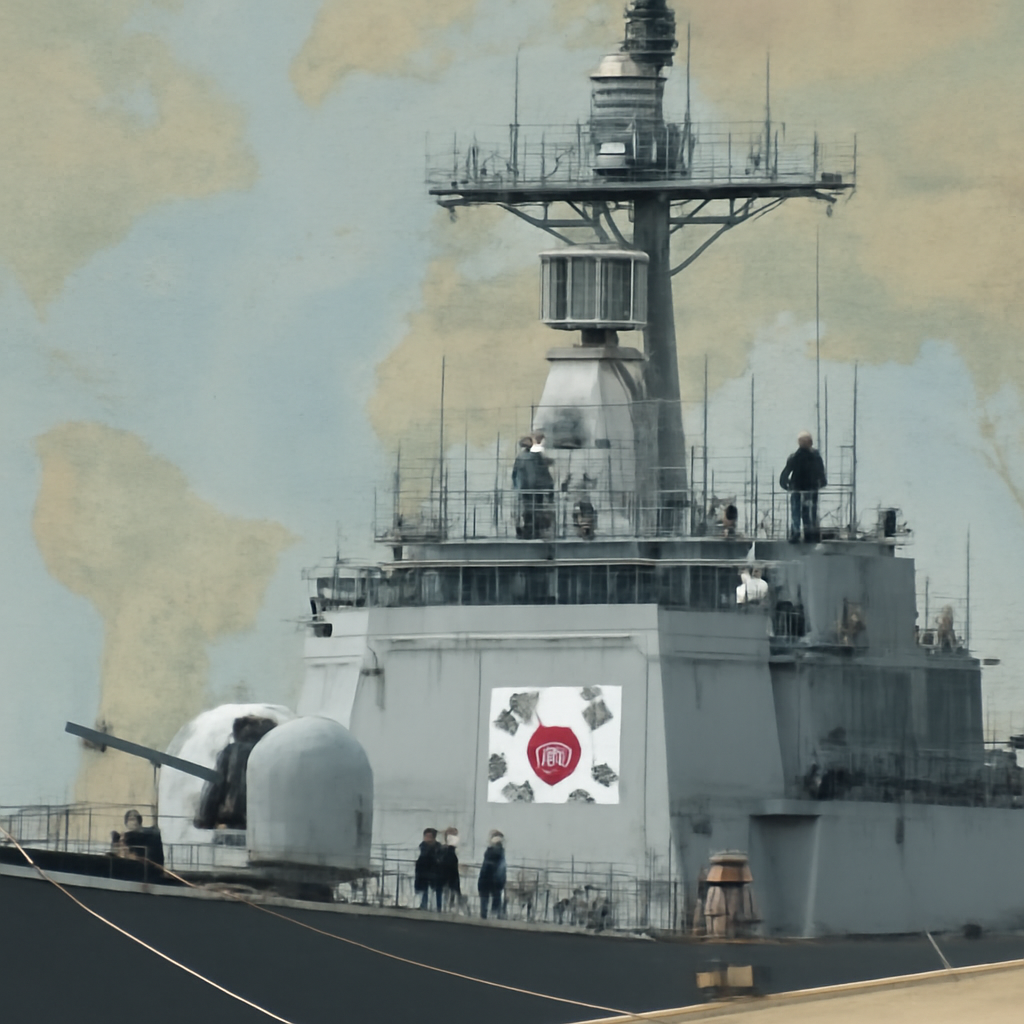
South Korea Weighs Hormuz Deployment Amid Trump's Iran Pressure
South Korea is walking a tightrope in the Middle East, caught between US pressure to join the fray against Iran and its own desire to avoid getting entangled in a war, with President Lee Jae-myung drawing a clear red line against deployment. Can Seoul find a way to protect its interests without taking sides?

Pakistan's Foreign Policy Leverage Eroding Amid Security Pacts
Pakistan's foreign policy leverage is dwindling as it navigates security pacts, particularly the Mecca Joint Defence Agreement, which has sparked questions about its true purpose and potential impact. The agreement's vague terms and lack of clear mission statement have left its effectiveness and intentions unclear.

Trump Resists AI Regulation, Cites China Rivalry
President Trump is betting big on AI, saying whoever leads the charge will reign supreme - and he's not about to let regulations get in the way of America's chance to dominate the industry, particularly with China hot on its heels. He's brushing off warnings of AI risks, instead framing the issue as a high-stakes competition where the US must come out on top.

Europe Scrambles to Counter Russia's Escalating Hybrid Attacks
Ukraine strikes back with a bang, hitting a key Russian oil facility and logistics hub in the Moscow region, dealing a significant blow to the war machine with billions of dollars in damage. President Volodymyr Zelenskyy says their long-range responses are having a major impact.

Beijing's Little Giants Infiltrate Global Supply Chains
Meet China's Little Giants, over 19,000 companies secretly infiltrating global supply chains since 2019. This label is more than just a title - it's a designation that unlocks state-backed support and resources.

US Seeks to Empower Civilians Against Internet Repression
The internet can be a powerful tool for change, as seen in Iran where it fueled protests and helped civilians organize against the regime - which is why the US is working to empower people to fight back against internet repression. Tehran's 88-day blackout may have ended, but controls remain tight, with sophisticated tools used to suppress online freedom.

World War III Looms, Ellwood Warns, Without Urgent Global Strategy Shift
The world is on the brink of a catastrophic shift, with outdated battle strategies and a crumbling international order threatening to spark World War III, unless a drastic global strategy overhaul occurs. British politician and former army officer Tobias Ellwood warns that the old world order is dead or dying, and urgent action is needed.

Australia Urges Substitutes for Critical Minerals
As new US defence procurement rules take effect in 2027, Australia is pushing to reduce its reliance on critical minerals from uncertain foreign sources by exploring substitutes that can perform the same function. By finding alternative materials, Australia can build a more resilient supply chain - and fast.

NATO Misjudges Russia's Military Adaptation Pace
NATO's biggest misstep is underestimating Russia's military evolution - and the real warning sign won't be a new innovation, but when Russia no longer needs the experts who created it. The focus should shift from tracking Russia's battlefield wins to assessing its ability to reproduce and institutionalize those successes.
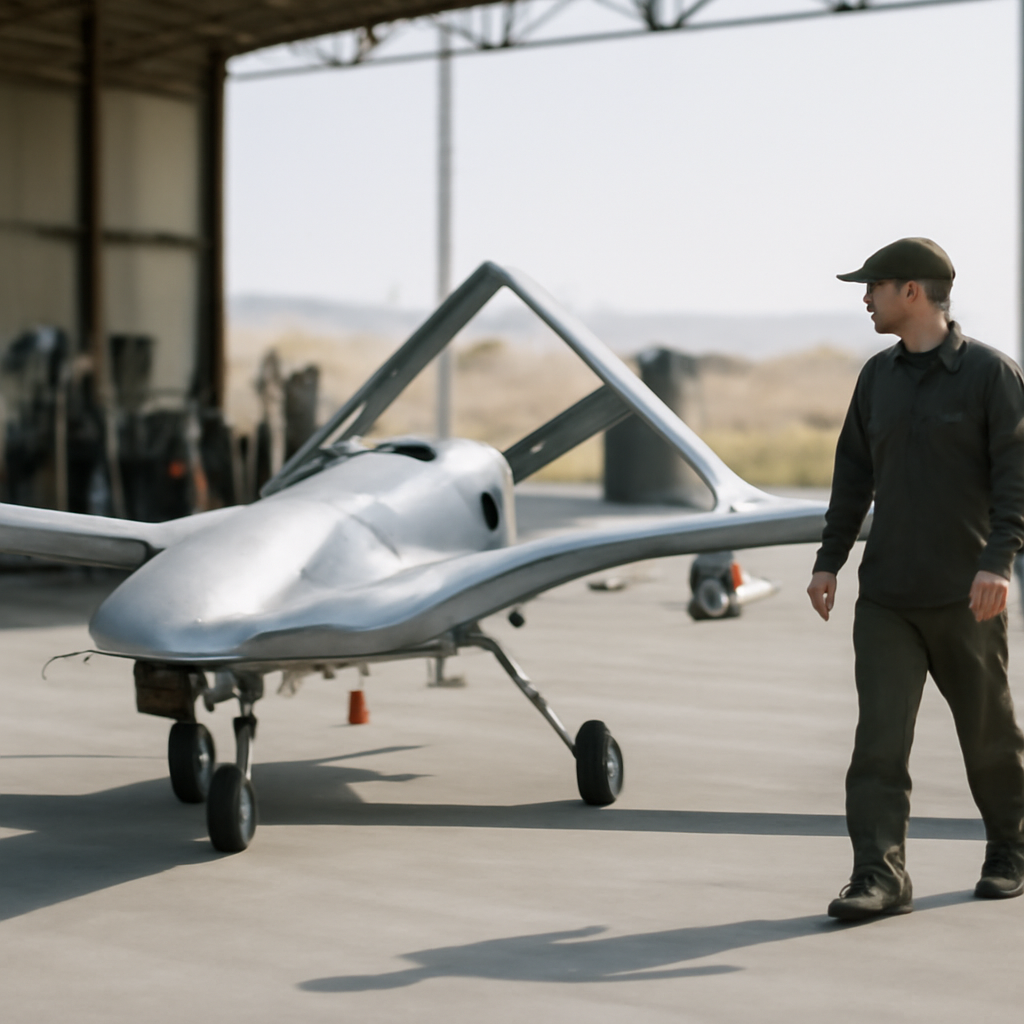
Central Asia Turns to Local Drone Development to Curb Foreign Security Dependency
Central Asian countries are ditching foreign security solutions and turning to local drone development to break free from dependency on external suppliers. Kyrgyzstan's recent procurement spree on Turkish drones, however, only serves to highlight the risks of new foreign entanglements.
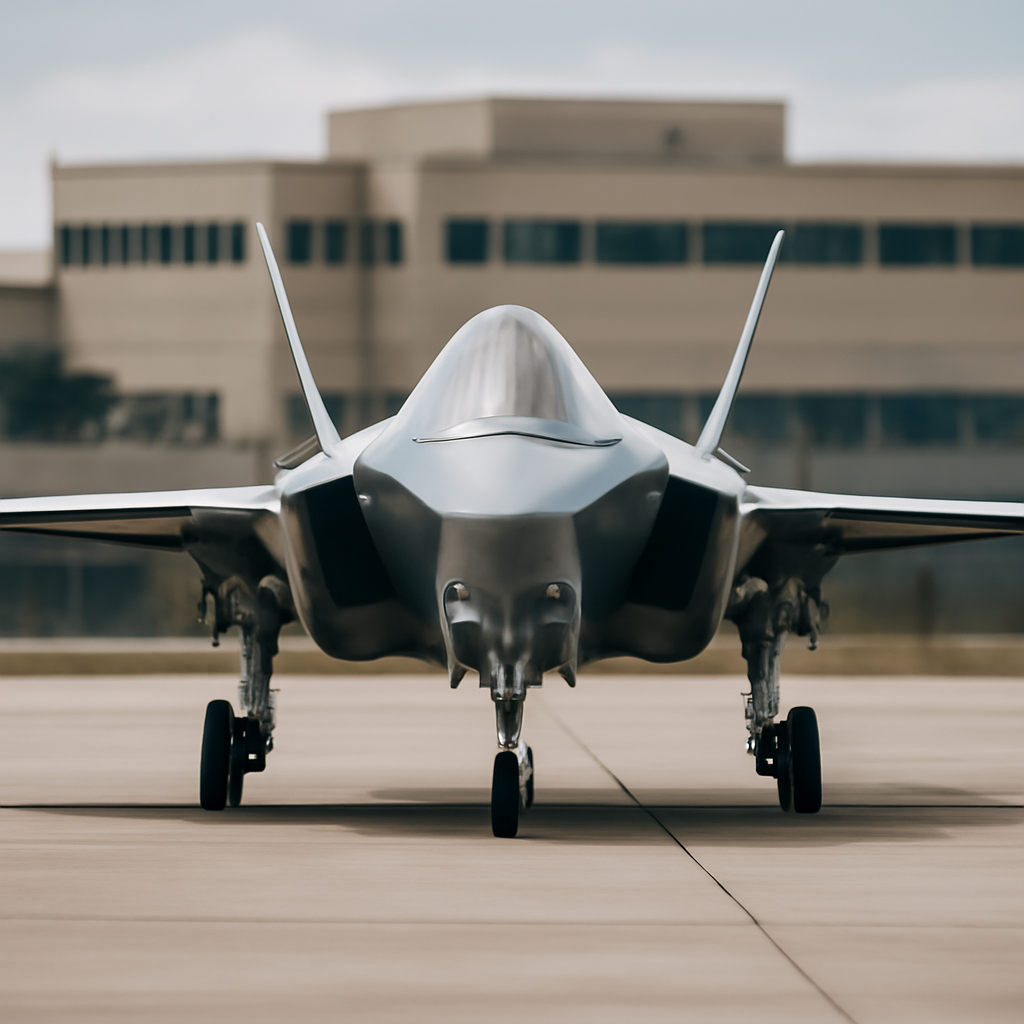
US Clears $24B F-35 Sale to Saudi Arabia
The US has greenlit a massive $24.3 billion deal for Saudi Arabia to purchase up to 48 F-35A aircraft, strengthening the countries' security partnership. The sale, which now heads to Congress for review, aims to bolster long-term cooperation and stability in the region.
US Approves $24 Billion F-35 Sale to Saudi Arabia
The US has greenlit a massive $24 billion deal to sell 48 F-35 fighter jets to Saudi Arabia, a move that will bolster the security of a key ally in the Gulf region and support US foreign policy goals. This sale will help Saudi Arabia continue to promote stability and economic growth in the area.
US Space Force Deploys to Counter Growing Threats in Orbit
The US Space Force has taken a bold step to safeguard American and allied space systems by deploying "space control weapons" to counter the growing threats from China and Russia. For over two decades, these rival nations have been developing tools to disrupt, degrade, or destroy satellites, and recent conflicts in Ukraine and the Middle East have shown how these space-enabled threats can have a direct impact on events on Earth.

US Takeover Exposes Venezuela to Chinese AI Surveillance Risks
Venezuela is on the brink of becoming a major hub for Chinese AI surveillance, with a new generation of advanced AI systems set to supercharge the country's existing surveillance state. This move raises alarming concerns about digital authoritarianism, according to a recent report by the Australian Strategic Policy Institute.
US Military's Cyber Vulnerability Lies in Overlooked Infrastructure
Iranian hacking groups are using surprisingly simple yet effective tactics to wreak havoc on US critical infrastructure, businesses, and public services - and they don't need to be the most sophisticated players in the game to get results. By relying on volume, repeatability, and clear objectives, they're able to impose significant pain and disruption.
Pentagon Accelerates AIM-260 Missile Production Amid China Threat
The Pentagon is ramping up production of the AIM-260 missile to stay ahead of China's growing threat, with a new framework agreement with Lockheed Martin aimed at ensuring a stable and efficient supply chain. This move is part of a broader effort to accelerate development of cutting-edge air dominance weapons.

Asia-Pacific Defense Budgets Rise Amid Regional Tensions
The Asia-Pacific region is witnessing a significant surge in defense budgets, driven by rising tensions and a growing need for enhanced security measures. Japan's defence ministry has just submitted a staggering ¥8.8 trillion (A$79 billion) preliminary request, with a strong focus on bolstering its maritime capabilities.
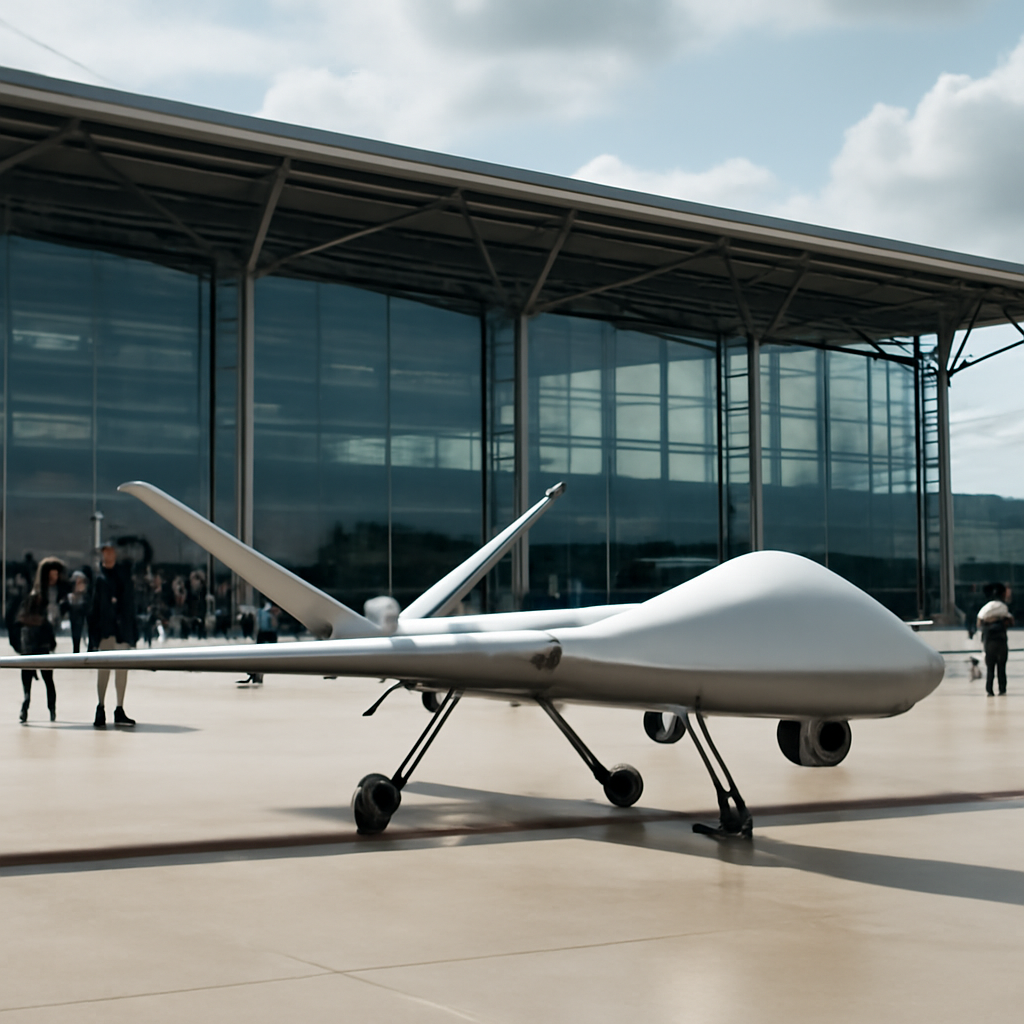
Germany's Hybrid Threats Lesson: Underreaction Invites Sustained Coercion
Can democracies afford to sit back and let state-backed coercion, interference, and sabotage become the new normal - or will they take a stand and build the tools to detect, attribute, and respond to these threats before it's too late? Germany's recent experience with a foiled drone attack at Halle airport serves as a stark reminder that underreaction can invite sustained aggression.
China's Anti-Piracy Mission Masks Maritime Military Expansion
Behind the guise of protecting global waters from piracy, China's naval forces are quietly expanding their military presence at sea. The PLA Navy's recent counterterrorism and anti-piracy drills are just the latest example of this strategic move.
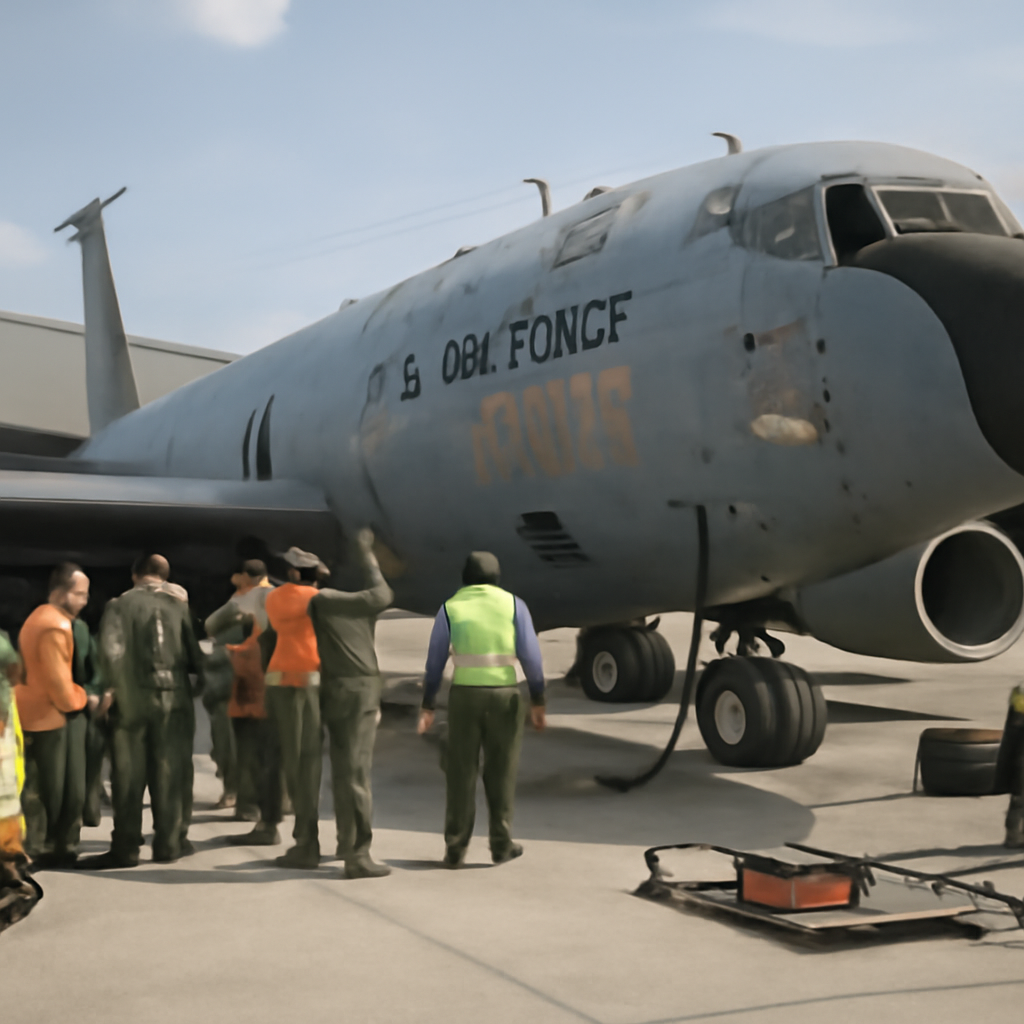
Air Force Details KC-135 Repair After Iranian Shrapnel Attack
In a heart-stopping moment, airmen scrambled for cover as an unexpected attack warning blared, only to emerge and find their fully loaded KC-135 riddled with holes and smoking. Miraculously, a swift response by the maintenance team helped prevent disaster, as they quickly patched up the damage and drained 200,000 pounds of jet fuel within 48 hours.

Australia's Research Sector Divided Over Security Reforms
As Australia's research sector navigates new national security reforms, a pressing question emerges: can freedom and vigilance coexist? The country's top universities are already feeling the impact, with recent terminations of high-profile partnerships sparking a heated debate.
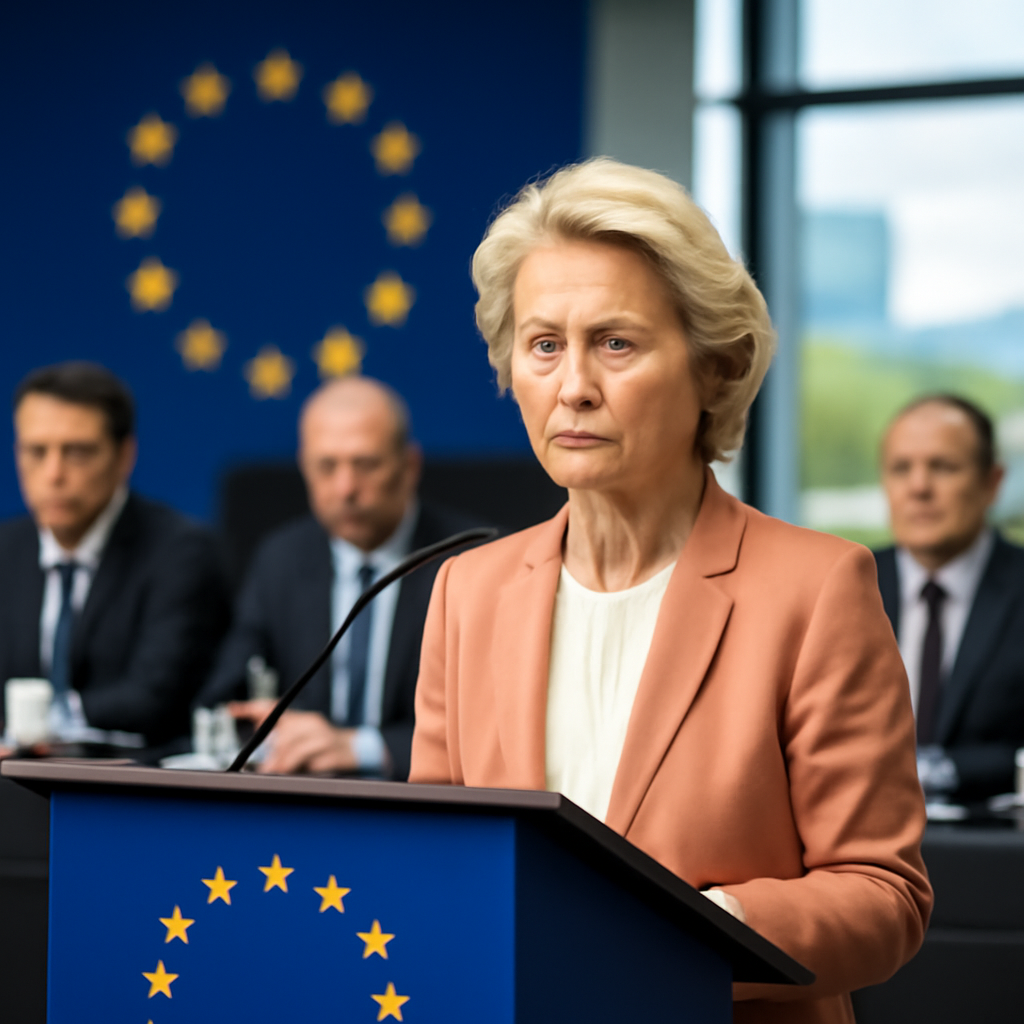
EU Pushes New Hybrid Threat Response Protocol
The EU is calling for a unified response to hybrid threats, with Commission chief Ursula von der Leyen urging leaders to adopt an Emergency Security Protocol to tackle incidents that threaten national security without reaching armed aggression. This proposed protocol aims to address the rising tide of sabotage, cyberattacks, and drone incursions sweeping across Europe.
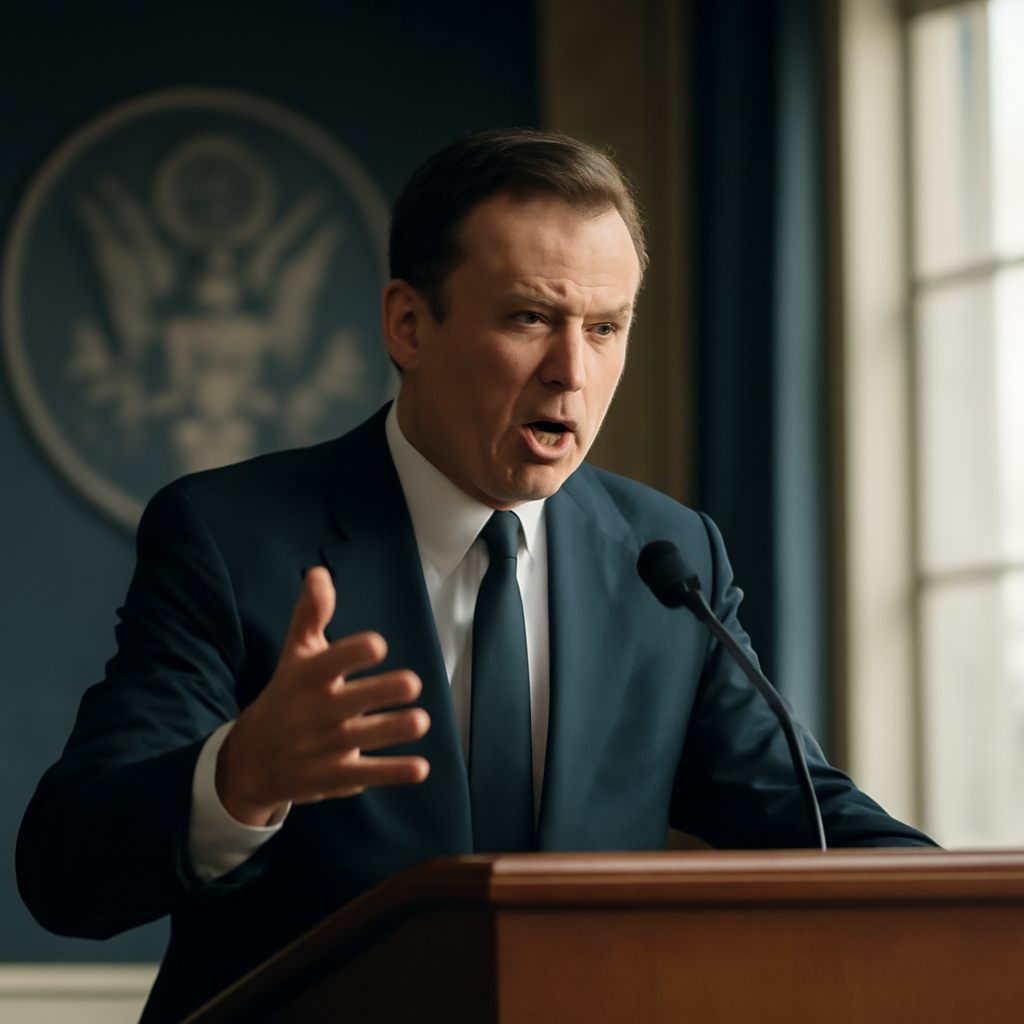
Dans' Arctic Agenda Raises Conflict Concerns
Thomas Dans, the new chair of the U.S. Arctic Research Commission, is stirring up controversy with his ambitious Arctic agenda, which is raising eyebrows among foreign partners, researchers, and ethics experts. His vision for a peaceful Arctic is clashing with concerns about his private interests and the commission's true priorities.