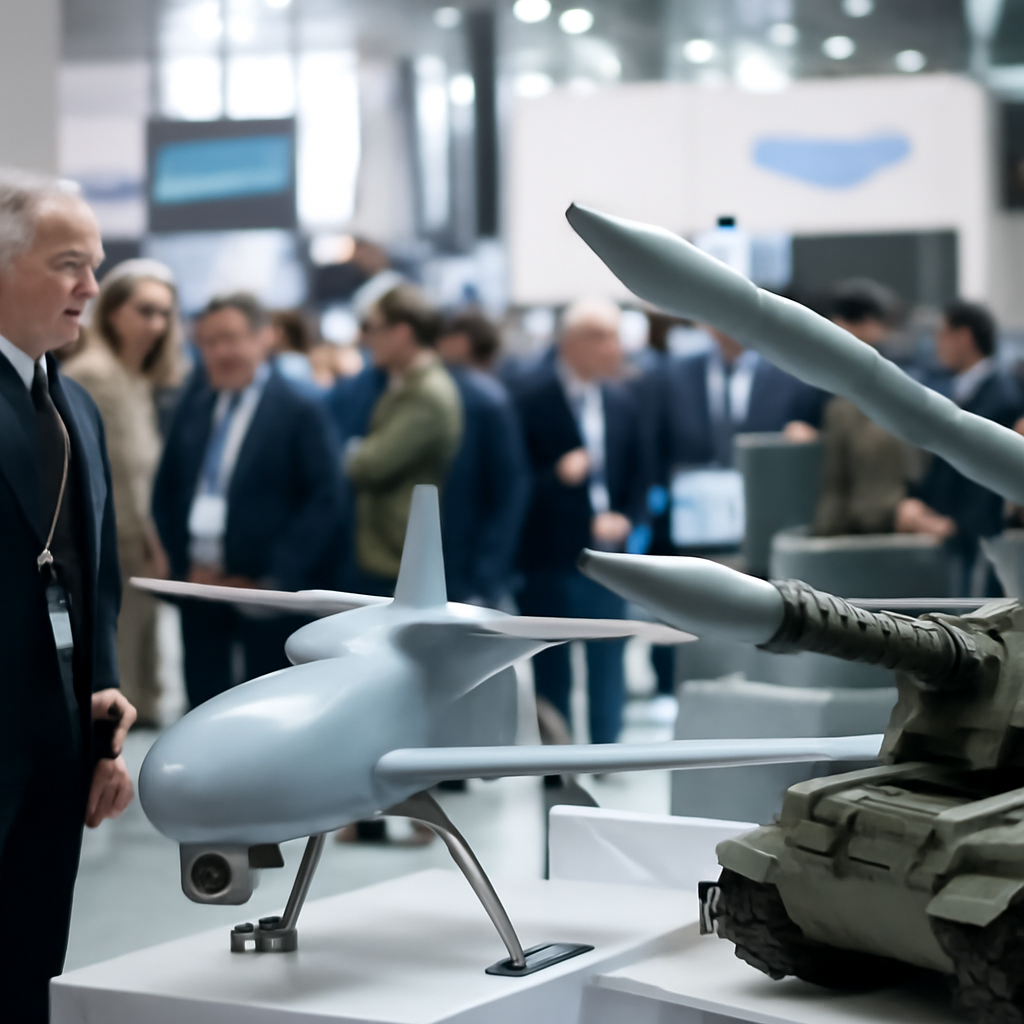
"The MJDA was 'not aggressive' in nature," Pakistani officials reiterated — a phrase that captures both the promise and the problem of the Mecca Joint Defence Agreement signed in mid‑August.
Mecca Joint Defence Agreement (MJDA): promise without a mission
The MJDA, whose founding members are Saudi Arabia, Pakistan, and Türkiye, arrived amid regional tensions with Iran and Yemen testing the new framework almost immediately. Yet the pact lacks a clear charter or concrete mission statement: member states and individual officials offered competing interpretations instead of defined capabilities or timelines. Turkish officials spoke of joint production and industry integration, Pakistani officials stressed the accord was “not aggressive” and based on “collective deterrence,” and Saudi commentators expected tangible support from partners — expectations that have not been translated into observable commitments.
Operational limits: inter‑services integration, expeditionary assets, joint headquarters
The MJDA was never likely to produce joint combat operations in the short term, the record shows, because the framework contains no binding inter‑services integration, no dedicated expeditionary assets, no joint headquarters, and no imperative to form active wartime coalitions. Optimistic readings, such as those from Quwa, argue the MJDA offers a pathway for capacity building across the three countries — but capacity building is not the same as an operational alliance with deployable forces.

Audit-ready is a season. It shouldn't be.
Evidence in spreadsheets, controls drifting between audits, frameworks multiplying on flat headcount. Nubivance runs continuous compliance on Rapid7 Cyber GRC - SOC 2, HIPAA, ISO 27001, PCI, CMMC.
End the scrambleFrom F‑16s and fuel to empty hands: Pakistan’s shrinking bargaining returns
Historically, Pakistan has leveraged security cooperation for material returns: the author notes there was a time when committing Pakistan to a U.S.‑led initiative would result in F‑16s, and that helping guarantee Saudi security once produced fiscal cash transfers and subsidized fuel. Today those kinds of quid pro quo gains are absent. Despite Field Marshal Asim Munir’s direct engagements with the White House and U.S. government, Pakistan’s vital national interests — across relations with India, Afghanistan, America, and the European Union — reportedly do not appear to have been placed firmly on the negotiating table, leaving Pakistan to shoulder regional responsibilities without clearly secured payoffs.
Structural vulnerabilities Pakistan brings to multilateral commitments
The report lists a set of severe, interlocking problems that undercut Islamabad’s leverage: a breakdown in national integrity driven by mixed insurgencies “co‑fuelled by foreign forces”; the potential existential threat of India cutting off upstream water and choking Pakistan’s agriculture; a May 2025 overhang in which India, if convinced of a decisive military edge, could preemptively strike Pakistan; and structural economic stresses where debt instruments, interest payments, and import bills compound into fiscal austerity. Those internal and external pressures limit Pakistan’s ability to demand concessions or to field sustained contributions under new security frameworks.
What this means for Saudi Arabia, Türkiye, and Pakistan
- Saudi Arabia: Riyadh continues to seek American security guarantees and is "doubling down" on massive multi‑billion‑dollar purchases of fighters and munitions — some of which it can buy from Türkiye — rather than relying on immediate material support from MJDA partners.
- Türkiye: Turkish officials have spoken of joint production and industry integration, but the report notes Türkiye’s foreign policy generally refrains from direct participation in distant conflicts except where borders or Kurdish separatism concerns apply, limiting Ankara’s likely operational contributions.
- Pakistan: The national security leadership, led by Field Marshal Asim Munir according to Quwa’s analyses, has “looked West” with an increased focus on Afghanistan and involvement in the Middle East, yet Pakistan is not extracting tangible concessions now the way predecessors did — leaving it with obligations and too few concrete returns.
The core condition the MJDA exposes is not merely an absence of forces but a deficit of bargaining: Pakistan appears to be conceding positions and participating in regional security conversations without securing the fiscal support, industrial integration, or operational capacity it would need to convert those contributions into durable national gains. The author suggests that asking partners for concrete near‑term leverage — for example, preferential routing of oil and gas exports — would be unrealistic today but would at least be the kind of tangible ask that could translate security cooperation into strategic benefits.
Whether the MJDA will evolve into a genuine capacity‑building vehicle, a symbolic alignment, or a short‑lived arrangement tested by Iran and Yemen remains an open question grounded in capabilities, not rhetoric. For Pakistan, the immediate challenge is stark: if national security leadership continues to shoulder external expectations without demanding or receiving measurable returns, the country risks trading past leverage — “from F‑16s” — for what the author bluntly calls “empty hands.”