[SPONSOREDNUBIVANCE]
Rapid7 deployed right the first time.
Full-platform Rapid7 rollouts - InsightVM, InsightIDR, event sources, agents, tuning - by a Registered Partner who has done it at state-agency scale, including OT/SCADA.
Talk deployment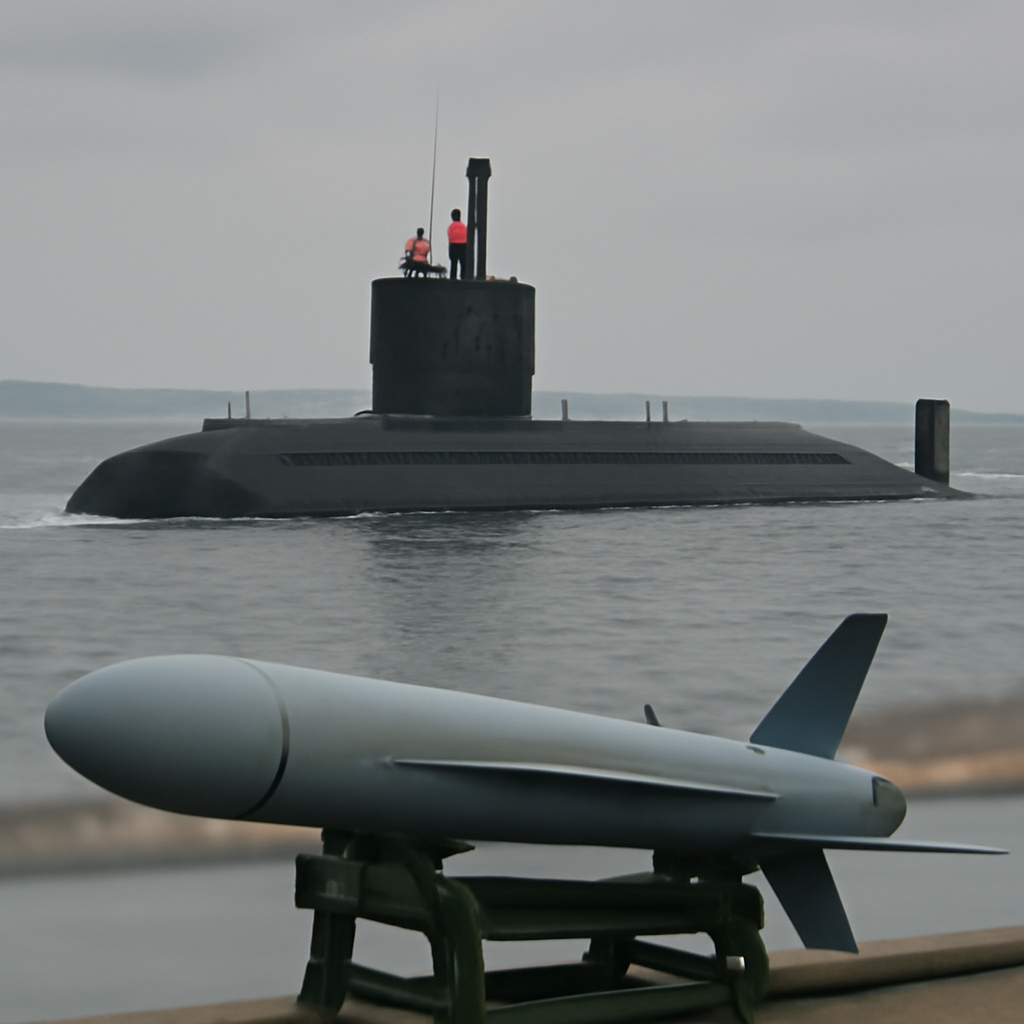
North Korea's latest at-sea missile tests are a bold statement of its military ambitions, with leader Kim Jong Un vowing to arm the Navy with nuclear weapons as soon as possible. The tests, conducted by the Hero Kim Kun Ok submarine, showcased Pyongyang's growing underwater combat capabilities.

China is taking its unique policing model to Africa, exporting a system that prioritizes the Communist Party's interests over citizens' rights and independent oversight. This approach, which emphasizes surveillance and pre-emptive intervention, could have far-reaching implications for partner countries.
Universities are now hotspots for technologies, data, and intellectual property that, if compromised, could put national security, economic resilience, and sovereign capability at risk. To safeguard these critical assets, experts are calling for universities to adopt a robust risk-management approach inspired by Australia's Security of Critical Infrastructure (SOCI) framework.
China just took a major leap in military power, deploying J-35 stealth fighters on its Liaoning aircraft carrier, CV-16, as it sets sail. The move was captured in a stunning photo showing the advanced jets on deck, ready for action.
US Northern Command's task force is stepping up its game, taking on cyber warfare as a new mission to safeguard America's homeland with the Golden Dome Defense. This bold move brings together a team of experts from vendors, government agencies, and military stakeholders to shield Golden Dome capabilities from cyber threats.

Imagine a world where one country controls the lion's share of critical minerals - think 98% of processed gallium and germanium, 95% of refined magnesium, and over 90% of rare earths and battery-grade graphite. China's dominance in the global processing capacity for these essential resources raises significant strategic implications.

The calm of a business-focused conference was shattered when six anti-war protesters stormed the stage, disrupting a high-stakes discussion on autonomous warfare featuring Pentagon chief Pete Hegseth and top military brass. The tense moment sparked a show of patriotism from some audience members, who countered the protesters' chants with a rousing "USA, USA".
The US Army is gearing up for potential supply chain disruptions as a critical mineral deadline approaches, with some impacts expected as early as January. The Army is bracing for a gradual effect, rather than a catastrophic one, as defense companies work to map their supply chains and comply with new rules.
Full-platform Rapid7 rollouts - InsightVM, InsightIDR, event sources, agents, tuning - by a Registered Partner who has done it at state-agency scale, including OT/SCADA.
Talk deploymentAUKUS is a game-changing strategy that's not just about acquiring submarines, but about empowering Australia to dominate the undersea landscape in a rapidly shifting Indo-Pacific. By building undersea power, Australia will gain the capacity to understand, monitor, protect, and defend its underwater interests like never before.
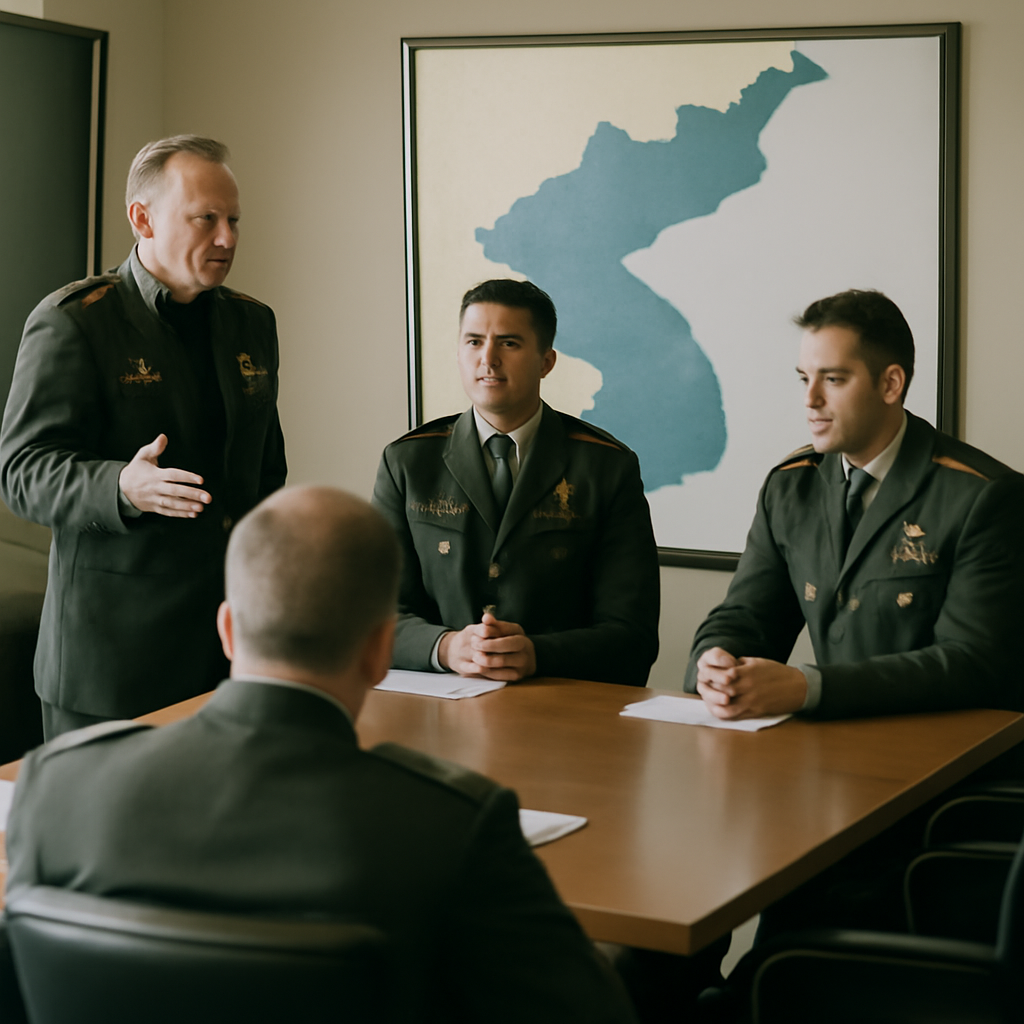
As the US and South Korea consider a historic transition of wartime control, a critical decision looms for the two commanders-in-chief: what level of support will the US provide if South Korea takes the lead in deterring North Korea? The 2026 US National Defense Strategy hints at a limited but crucial role for the US in this new era.
The problem is that we've made it easy for anyone to create and share information, but we haven't developed strong enough tools to verify its accuracy and trustworthiness. This can have serious consequences, as seen in Bougainville in 1997, where a rumor-driven information vacuum threatened a fragile peace.
Poland's Air Force is operating at peak readiness every night, with a whopping 80% of its focus on air defense, as it waits for its modernization efforts to be completed. Despite progress, the air-defense modernization is still years away from full integration, putting a strain on personnel.
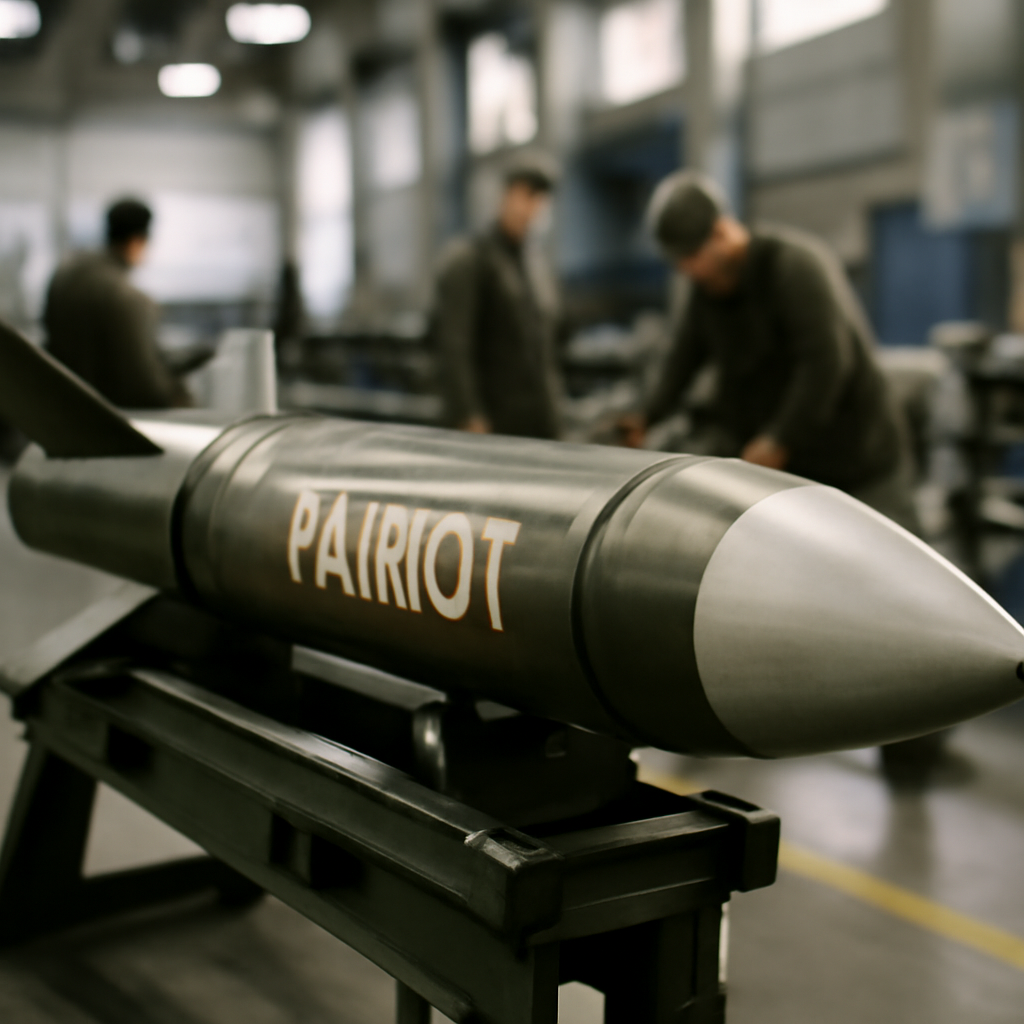
The Army is ramping up production of Patriot air-defense missiles, with a goal of producing 2,000 interceptors annually, but discussions are underway to potentially surge production even further to meet evolving demands amid the ongoing war with Iran. Gen. Frank Lozano says the service is exploring ambitious targets, including 4,000, 6,000, or even 8,000 missiles per year.
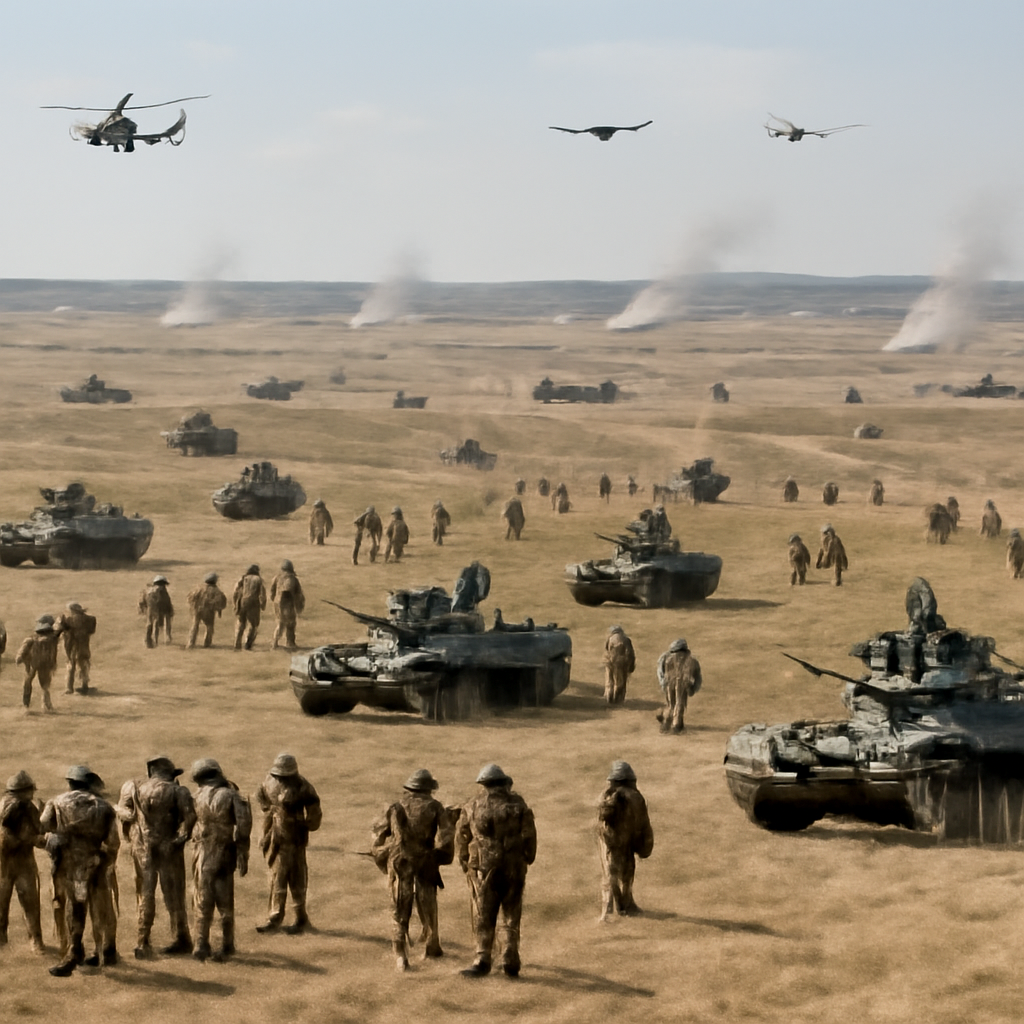
China sent a team to Russia's massive Tsentr military exercise, where troops from over 30 countries practiced tactics learned from the Ukraine conflict on a mock battlefield. The drills, involving 47,000 personnel and 600 aerial drones, gave China valuable insight into Russia's wartime strategies.
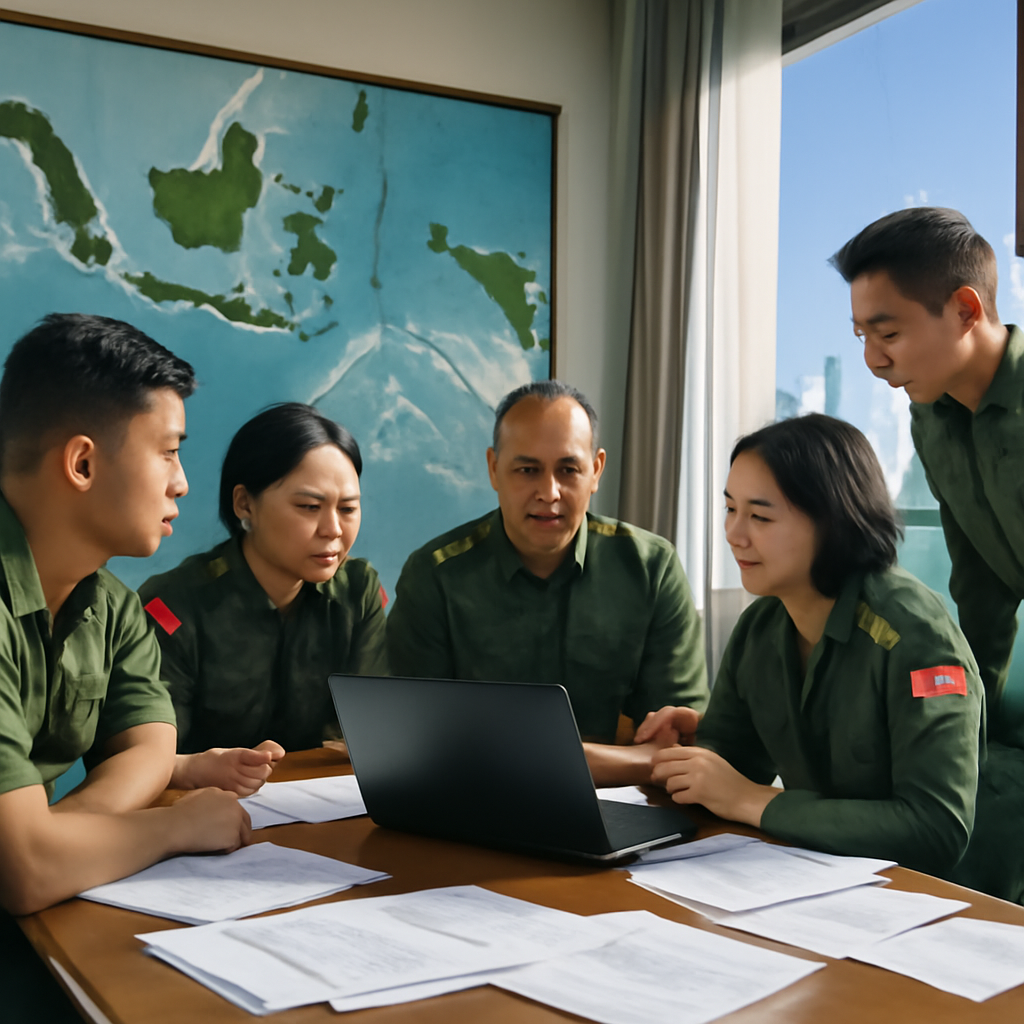
Indonesia's air force launched a space unit in January 2026, but it's stuck in limbo without a clear mandate or dedicated funding to support its mission. This lack of legal authority and resources is holding back the unit's potential to boost space-based surveillance and support military operations.
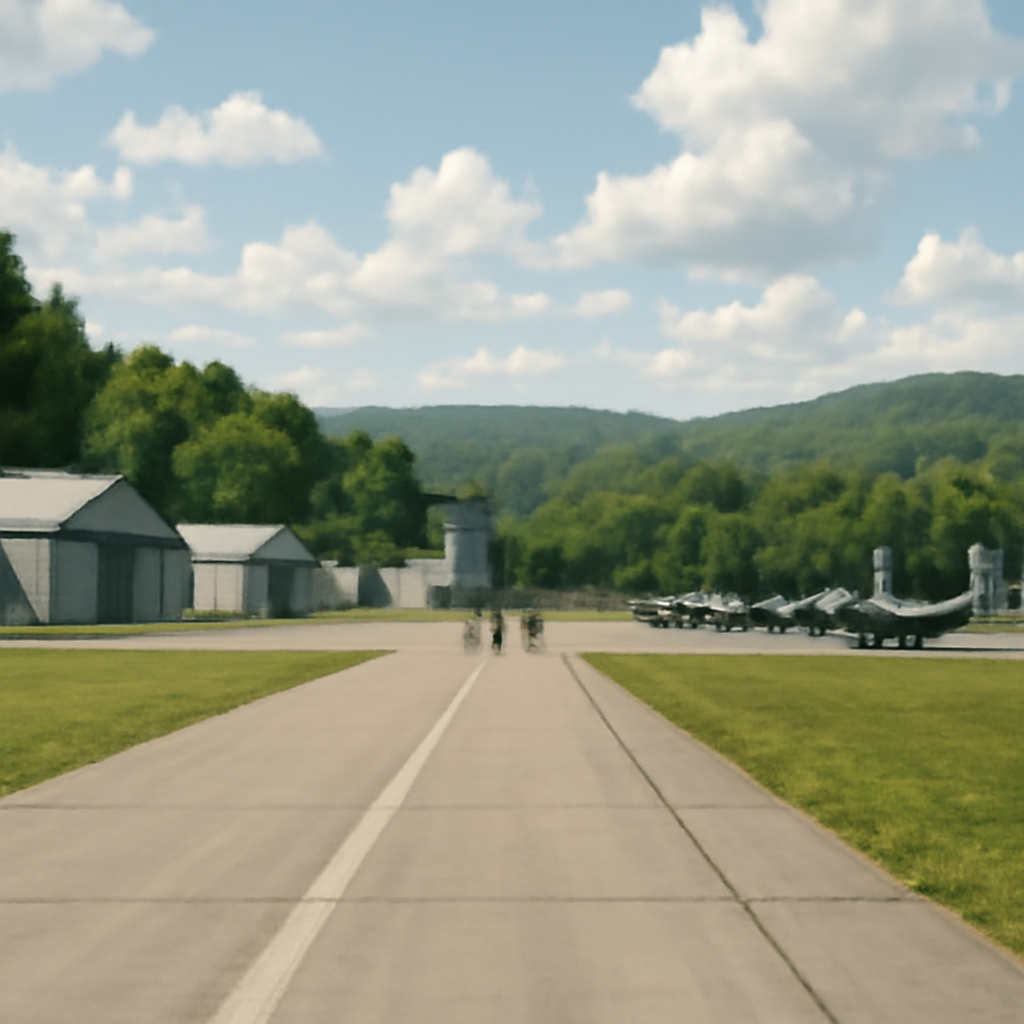
China just took a significant step in expanding its military presence abroad with the launch of a new air base in Laos, touted as a joint training facility to support regional stability. This marks Beijing's first openly acknowledged overseas military installation, sparking curiosity about its strategic ambitions.
Evidence in spreadsheets, controls drifting between audits, frameworks multiplying on flat headcount. Nubivance runs continuous compliance on Rapid7 Cyber GRC - SOC 2, HIPAA, ISO 27001, PCI, CMMC.
End the scramble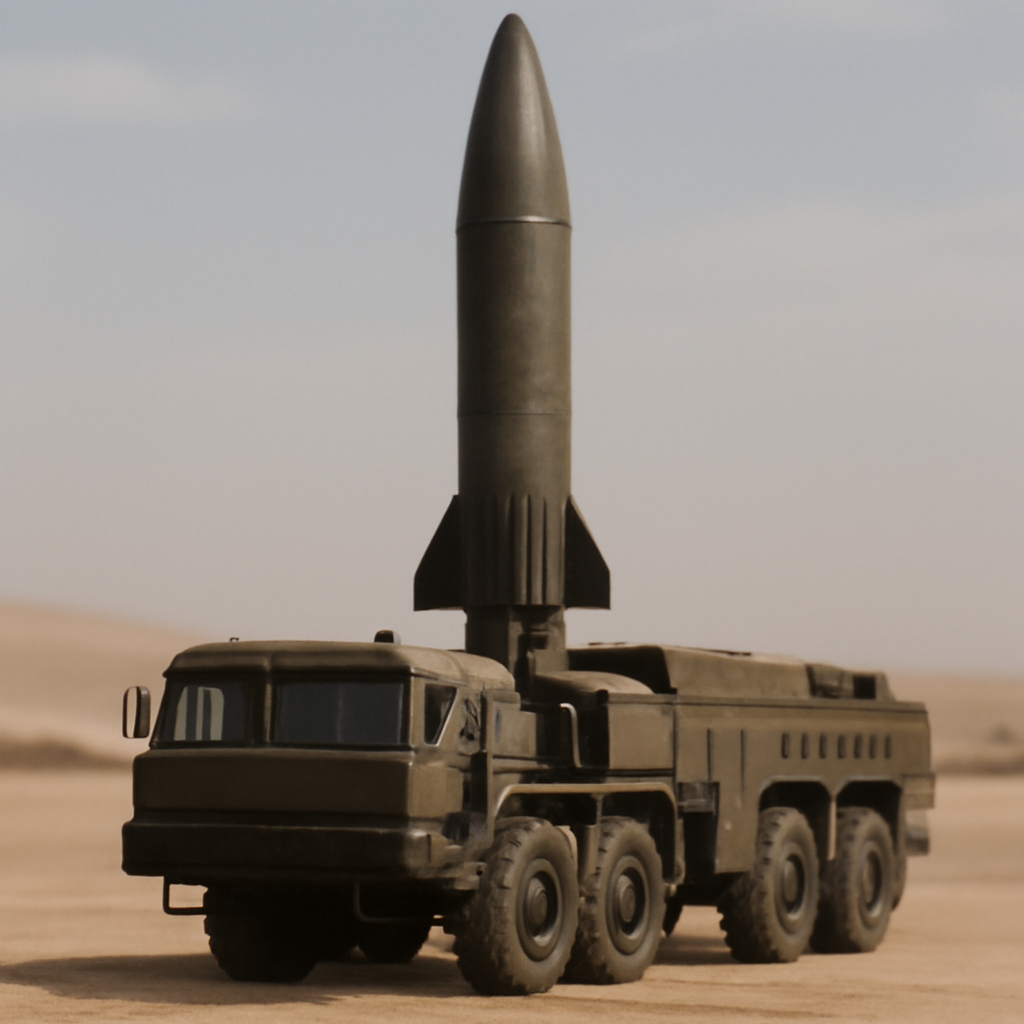
Pakistan just took a giant leap in its military capabilities with the successful test-fire of the Fatah-2 ER, a hypersonic ballistic missile that can hit targets with pinpoint precision and outsmart missile defence systems.
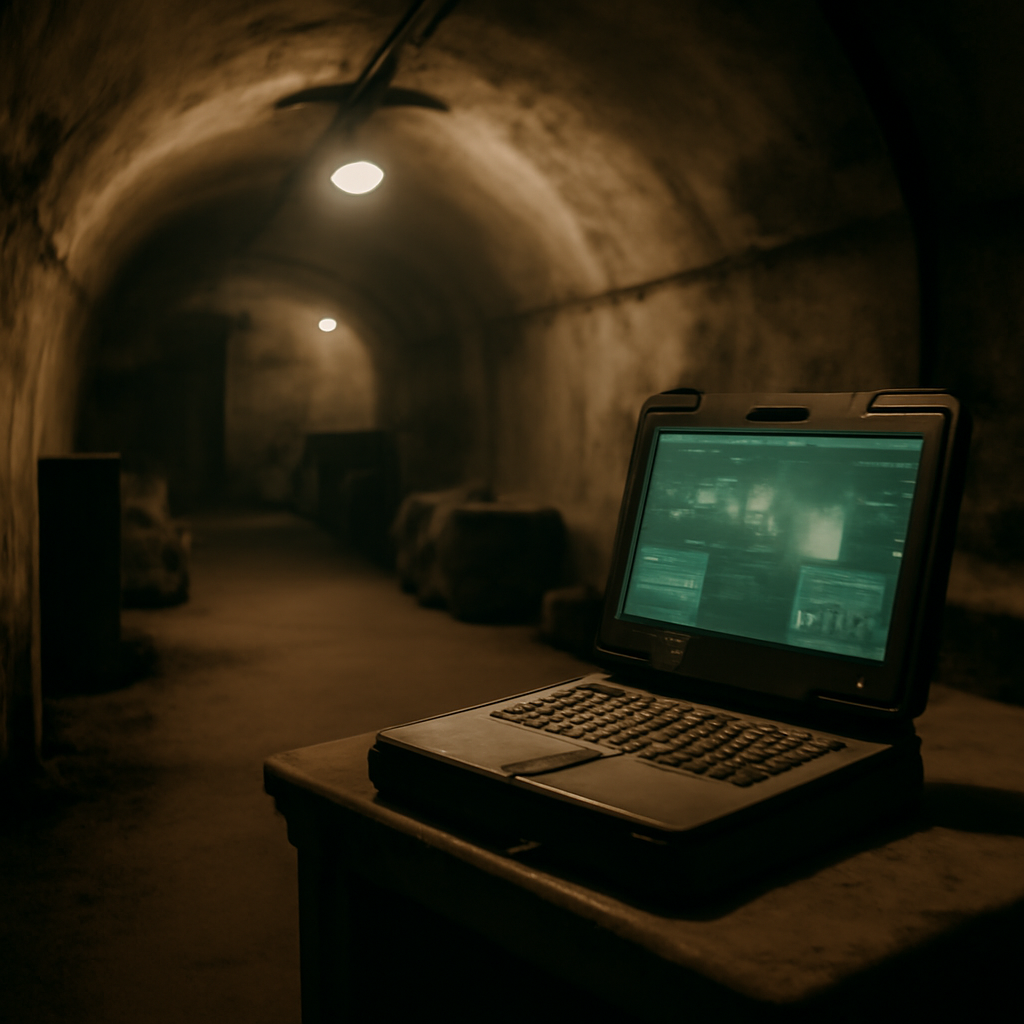
Military superiority isn't what it used to be - in Ukraine, Iran, and Gaza, we've seen a new pattern emerge where superior forces are being checked by defenders who take their operations underground and keep vital supplies flowing. As surface forces become increasingly visible and vulnerable, national-security planners may need to rethink whether great military power alone can still guarantee a quick win.
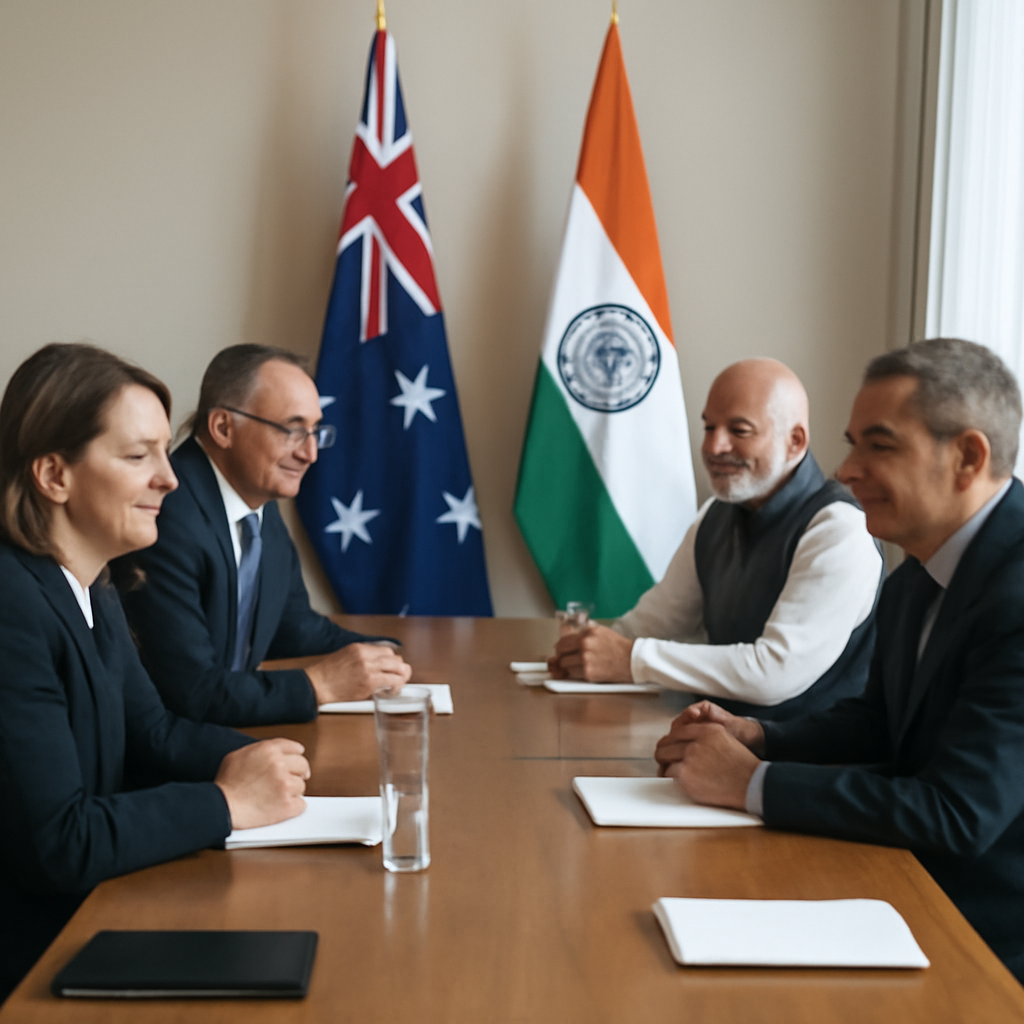
As global instability escalates in the wake of the US-Russia arms treaty expiry, Australia is proactively forging a new path with India through a bold five-step nuclear diplomacy plan. By spearheading targeted bilateral talks, Australia aims to strengthen non-proliferation efforts and promote nuclear transparency.
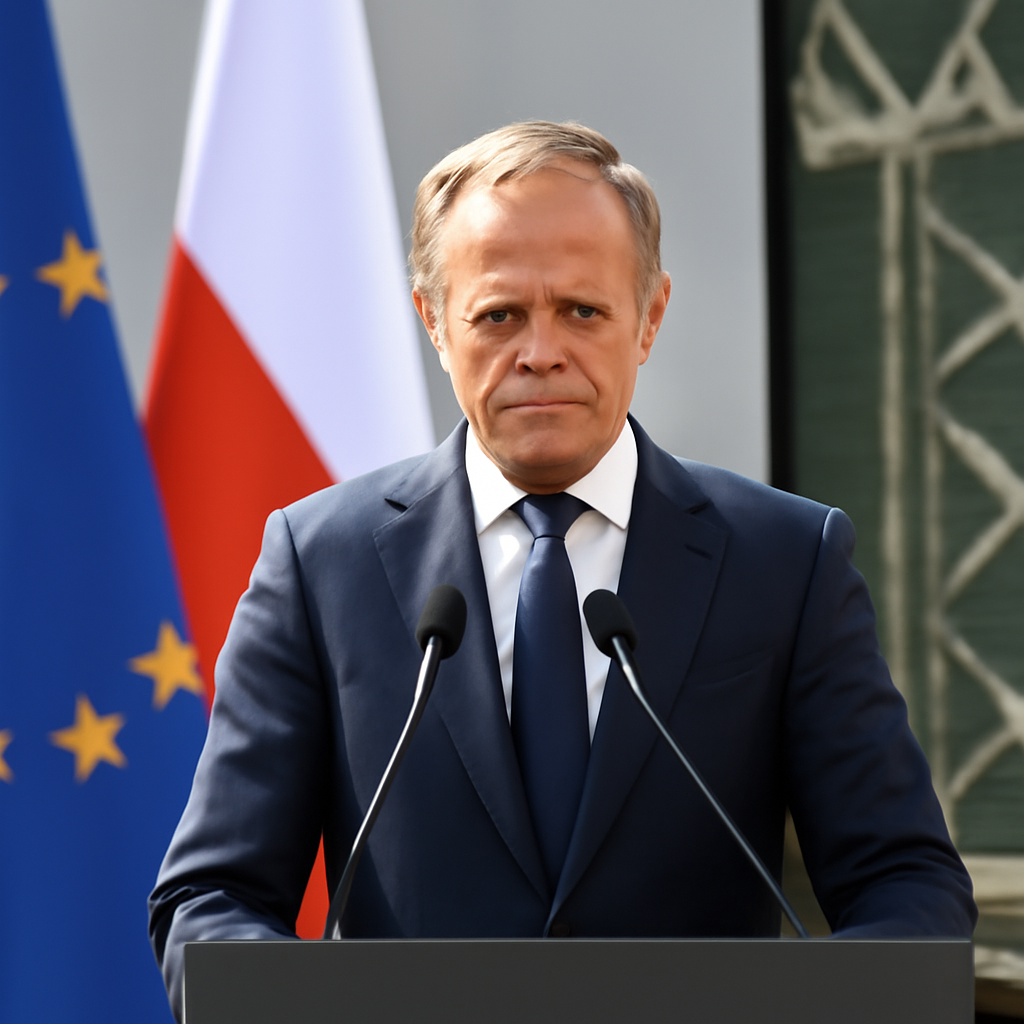
Donald Tusk is sounding the alarm: Europe must stand strong against Russia's growing threat, or risk facing a grim reality. He urges the continent to take a firm stance, warning that weakness only emboldens aggression.
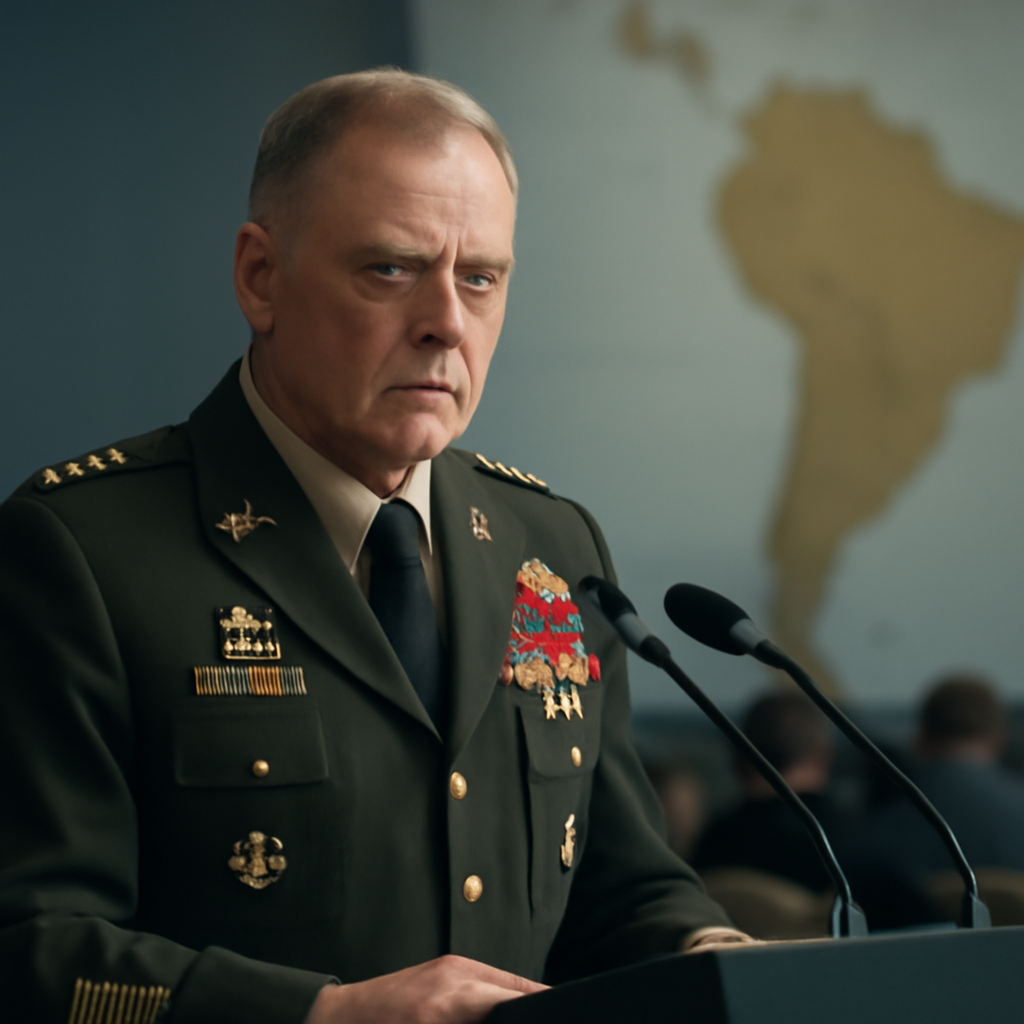
The US Army is ramping up its fight against drug cartels and terrorist organizations in South America, shifting its training focus from building relationships to conducting targeted operations. Gen. Joe Ryan announced the change in direction at the Association of the United States Army annual meeting in Washington, D.C.
The Australian Strategic Policy Institute has supercharged its Critical Technology Tracker with a game-changing patent analysis feature, providing a deeper dive into innovation across over 20 critical technologies. This powerful update arms users with two decades of historical data, revealing trends and insights that will reshape their understanding of global tech leadership.
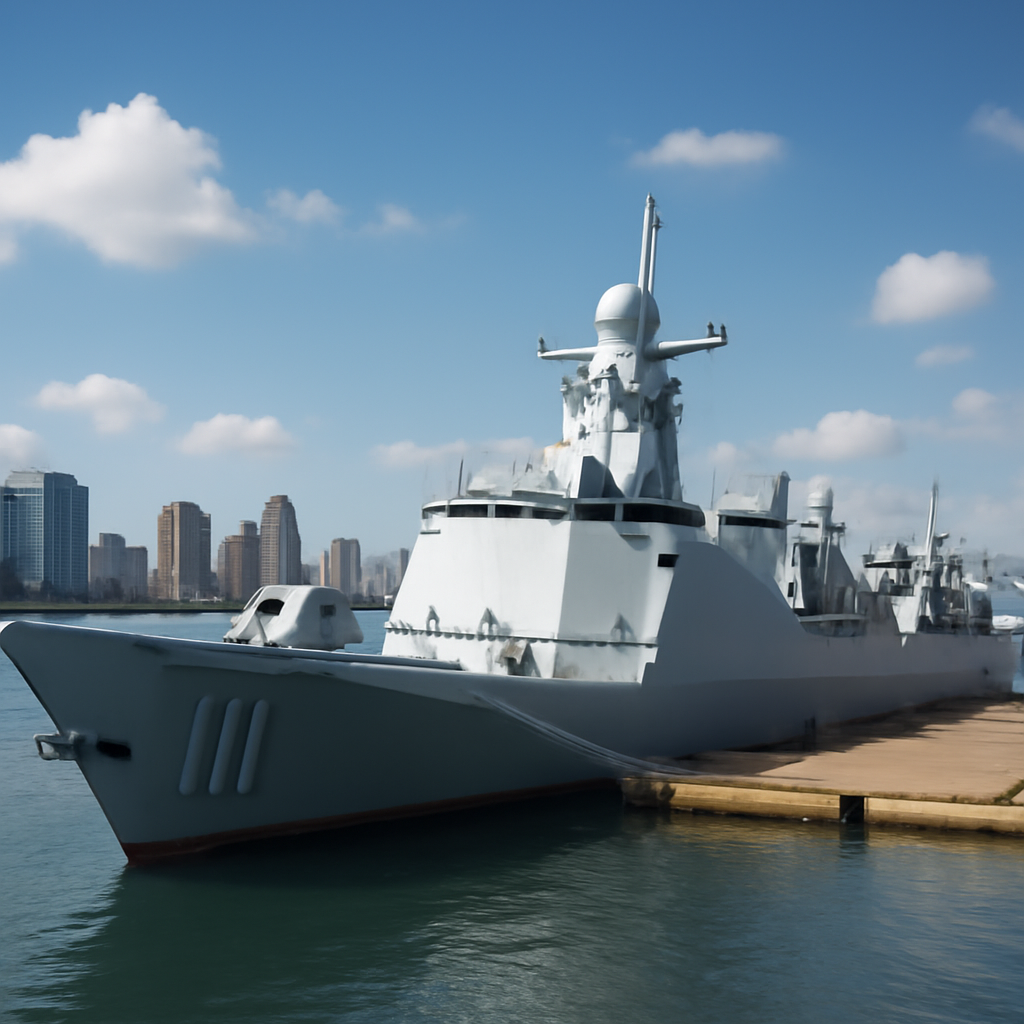
China's People's Liberation Army Navy is modernizing its fleet with the addition of a new Type 052D destroyer, rumored to be named Harbin, as it phases out legacy ships like the Harbin, a pioneering Type 052 Luhu-class destroyer.

Acting Army Secretary Adam Telle warned of supply chain vulnerabilities, highlighting them as weak links that need to be addressed, in his largest address to soldiers and industry since taking on the role.