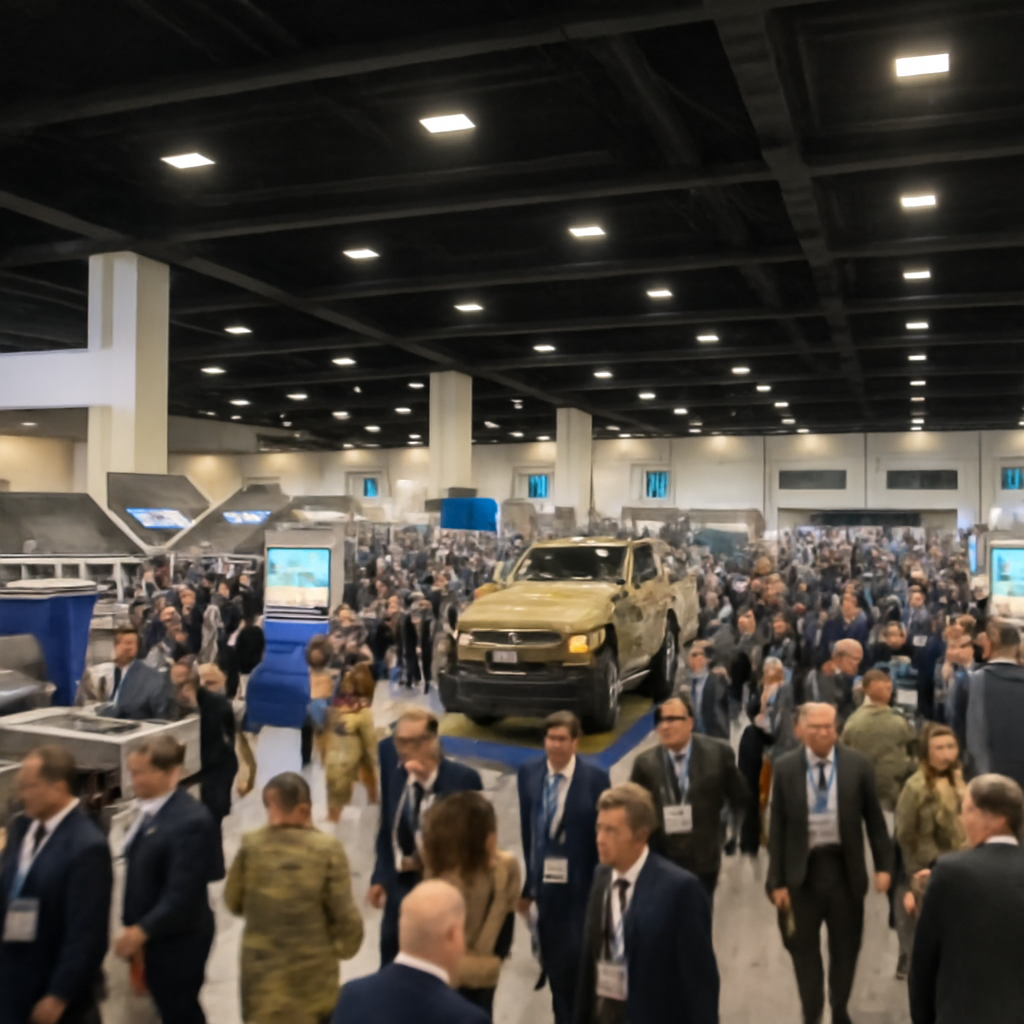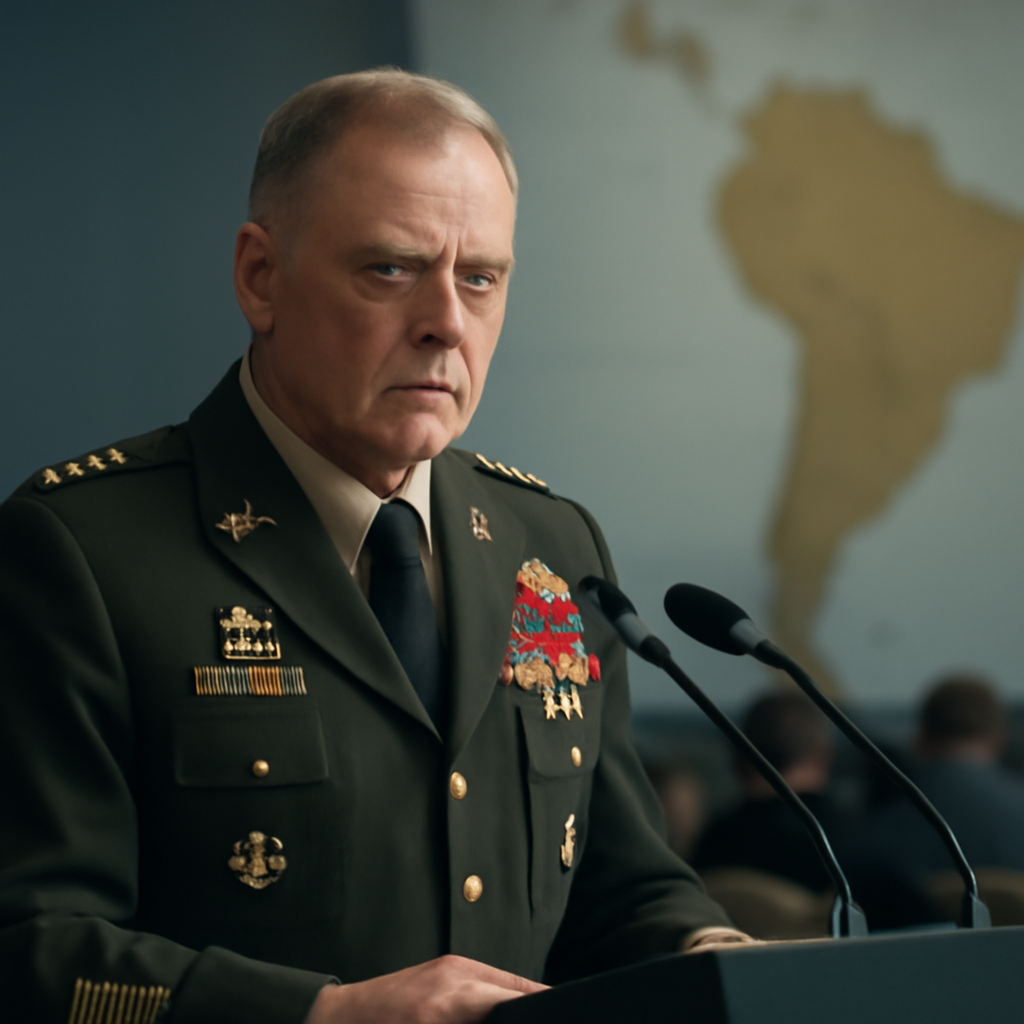
"Future multinational training events will shift away from strictly relationship-building engagements toward operations directly targeting drug cartels and designated terrorist organizations," Gen. Joe Ryan said Monday at the Association of the United States Army annual meeting in Washington, D.C.
Gen. Joe Ryan frames a new mission for Western Hemisphere Command
Gen. Joe Ryan, who heads Army Western Hemisphere Command, told AUSA attendees that the service is refocusing exercises in U.S. Southern Command’s area of responsibility. He described the refocus as part of building a "theater Army," moving beyond the partner-training and disaster-response activities that characterized the missions of U.S. Army North and South, the predecessors to the nascent command.
SOUTHCOM-directed review and federal priorities
Ryan said the adjustment follows a review directed by SOUTHCOM’s commander, Marine Gen. Frank Donovan, "to better align with current federal priorities and strategy." Those priorities, Ryan tied to the latest National Defense Strategy, include placing defense of the homeland at the top of the list and designating the Western Hemisphere as the Pentagon’s priority theater — a concept the source calls the "Donroe Doctrine."
Ryan linked that strategic shift to recent actions by the administration, citing "strikes on suspected drug trafficking boats in the Caribbean and the raid to capture Venezuelan President Nicolas Maduro" as manifestations of the Pentagon's heightened focus on the hemisphere.

Audit-ready is a season. It shouldn't be.
Evidence in spreadsheets, controls drifting between audits, frameworks multiplying on flat headcount. Nubivance runs continuous compliance on Rapid7 Cyber GRC - SOC 2, HIPAA, ISO 27001, PCI, CMMC.
End the scrambleCounter-cartel operations as a training focus
Ryan framed drug cartels and "designated terrorist organizations" as resilient, global financial networks that require targeted interventions. "Make no mistake, these designated terrorist organizations operate as global financial networks, utilizing a resilient business model built to endure over decades unless targeted interventions actively disrupt their economic base," he said.
On that basis, Ryan announced the Army's intent to reorient future multinational training events away from "strictly relationship-building engagements" and toward exercises that simulate or rehearse operations aimed directly at those networks. The source does not provide operational details for those exercises, but it establishes a clear shift in training objectives: partner engagement remains, but the practical emphasis will be on directly countering illicit networks identified in U.S. strategy.
Aviation and crisis-response capacity moving south
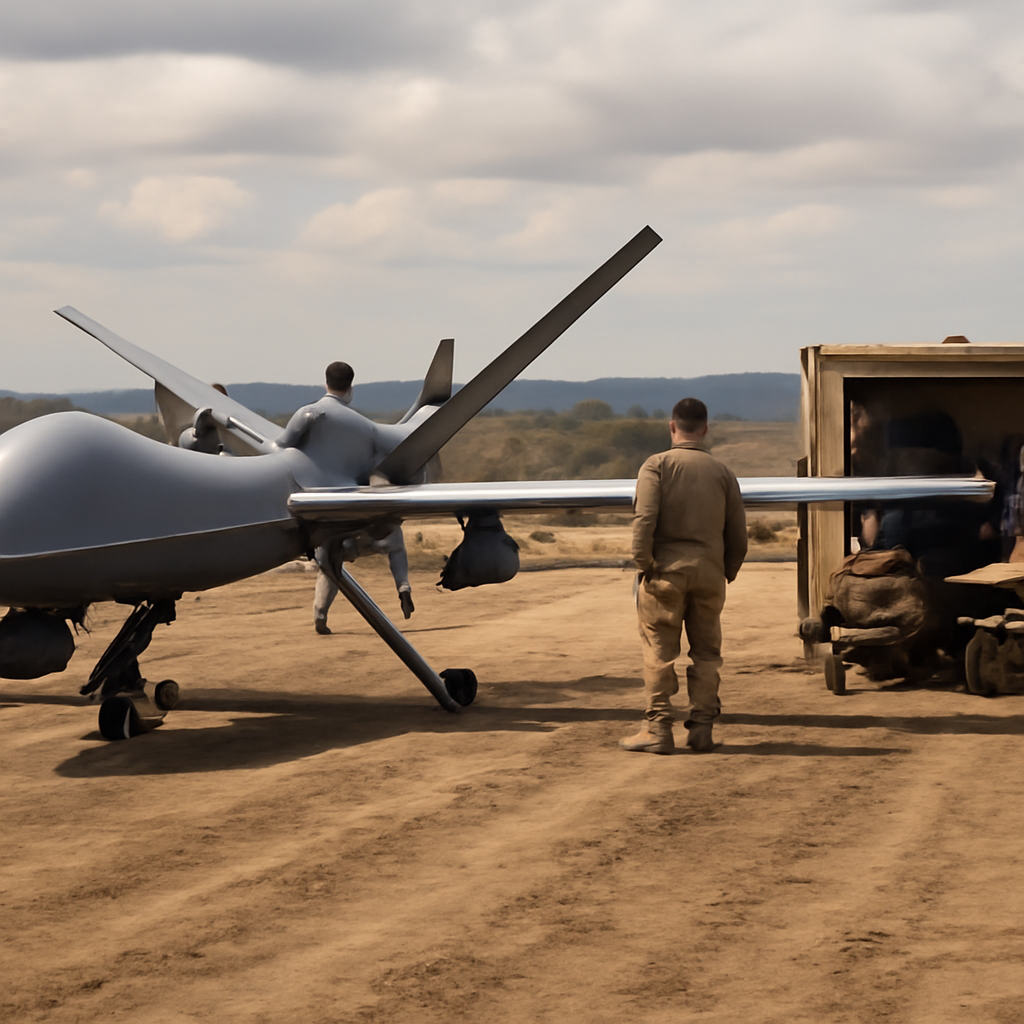
Alongside the shift toward counter-cartel operations, the Army is expanding its capacity to perform traditional crisis-response tasks in the region. Ryan said the service "recently got approval to move more aviation assets and personnel down south, to help move people and supplies."
He added that the Army plans to "grow that footprint down there" and to provide "more aircraft, more crews, more maintainers here over the next couple of fiscal years" so forces in the theater can address natural disasters and other regional threats. The language signals a two-track approach: build operational capability to interdict and disrupt illicit networks while sustaining, and increasing, the logistical and humanitarian capacity that has long characterized U.S. military engagement in the hemisphere.
What this means for SOUTHCOM partners, the U.S. Army, and regional populations
- SOUTHCOM partners: Host nations and multinational training partners should expect exercises that stress operational tactics and direct action against cartels and designated terrorist groups rather than solely relationship-building activities.
- The U.S. Army and Army Western Hemisphere Command: The command will expand aviation footprints and personnel in the region over the "next couple of fiscal years" and will reposition training emphases to match a theater-level mission. That includes following a review ordered by Marine Gen. Frank Donovan to align with federal strategy.
- Regional populations: The stated intent to bolster crisis-response aviation and logistics suggests increased capacity for moving people and supplies in natural-disaster scenarios, even as training now emphasizes operations against illicit financial and trafficking networks.
The Army’s announcement at AUSA places a doctrinal and resource spotlight on the Western Hemisphere. The immediate, concrete actions Ryan named—the SOUTHCOM-directed review, a refocused training curriculum, and approved moves of aviation assets and personnel—set the stage for changes to come over the next couple of fiscal years. How those elements are translated into specific multinational exercises and operational deployments will be the next visible measures of the command’s shift in emphasis.