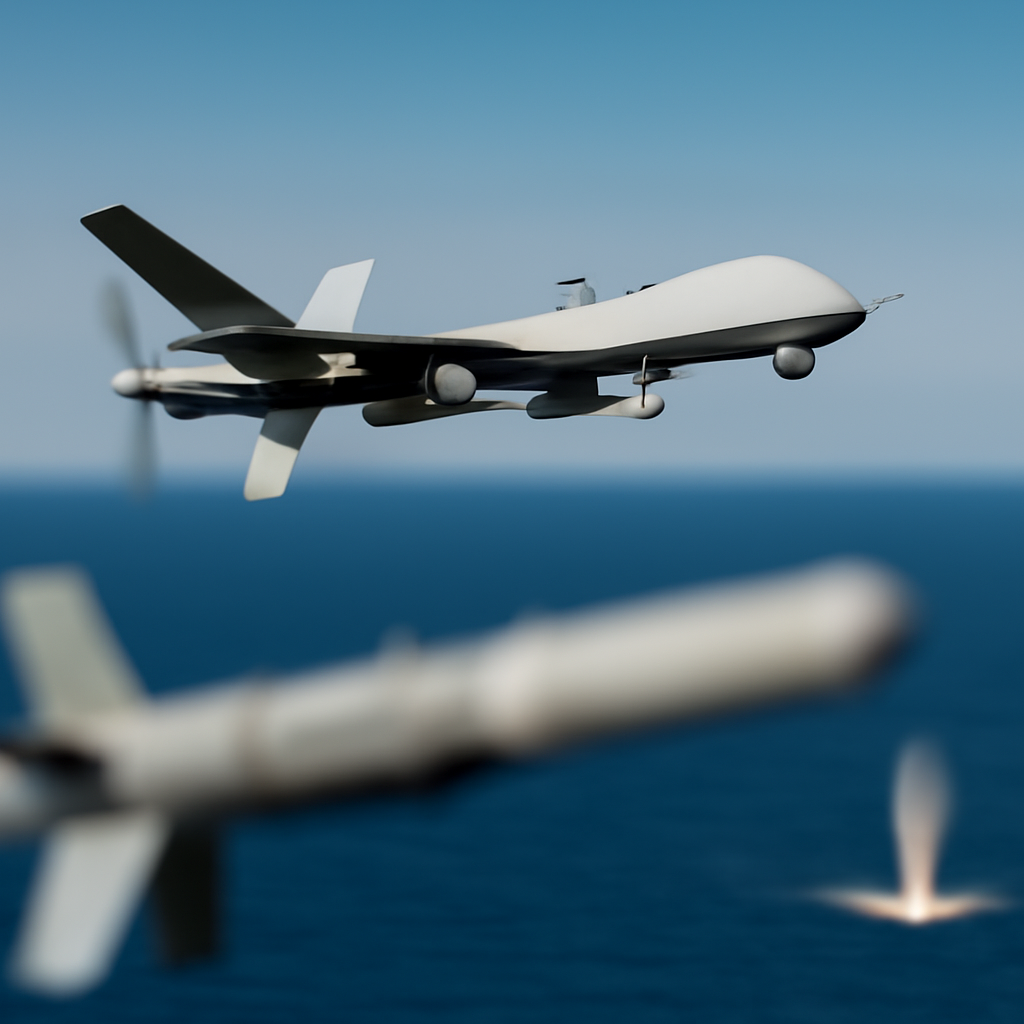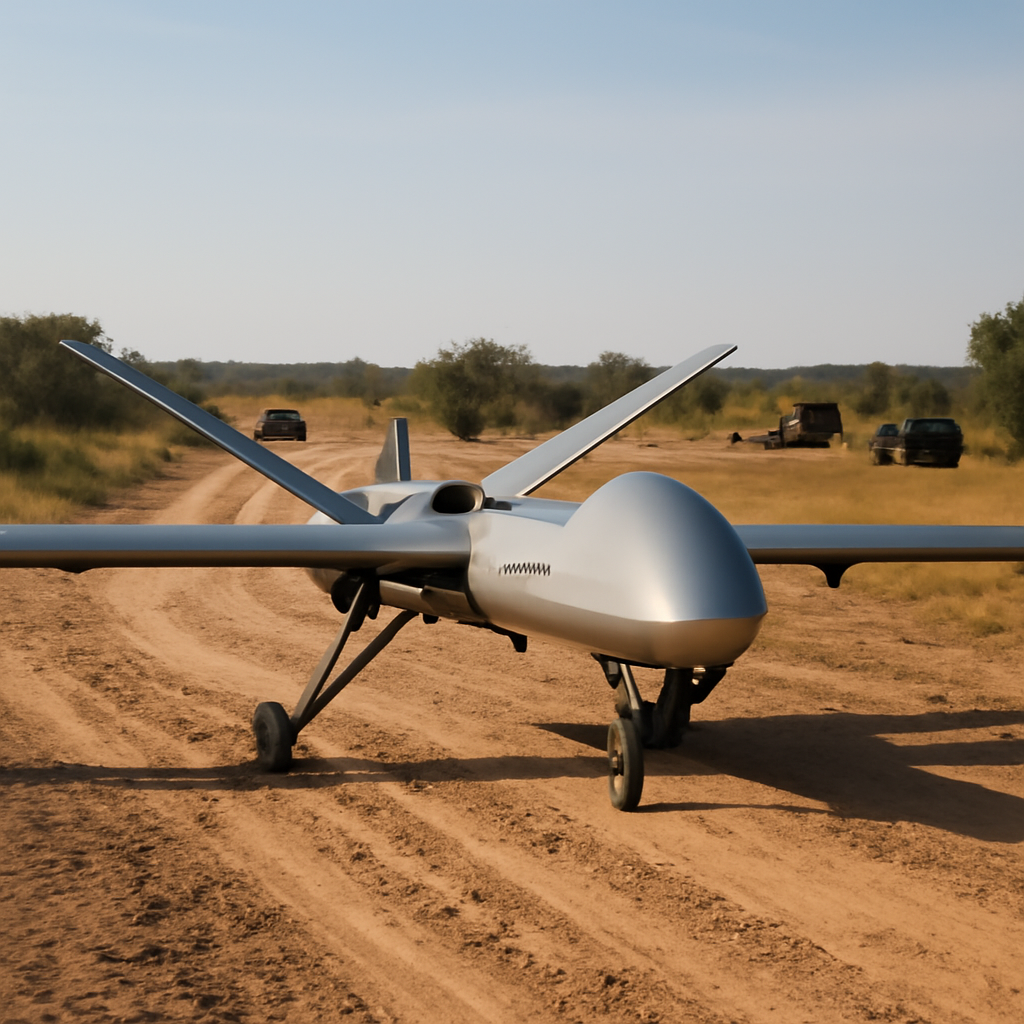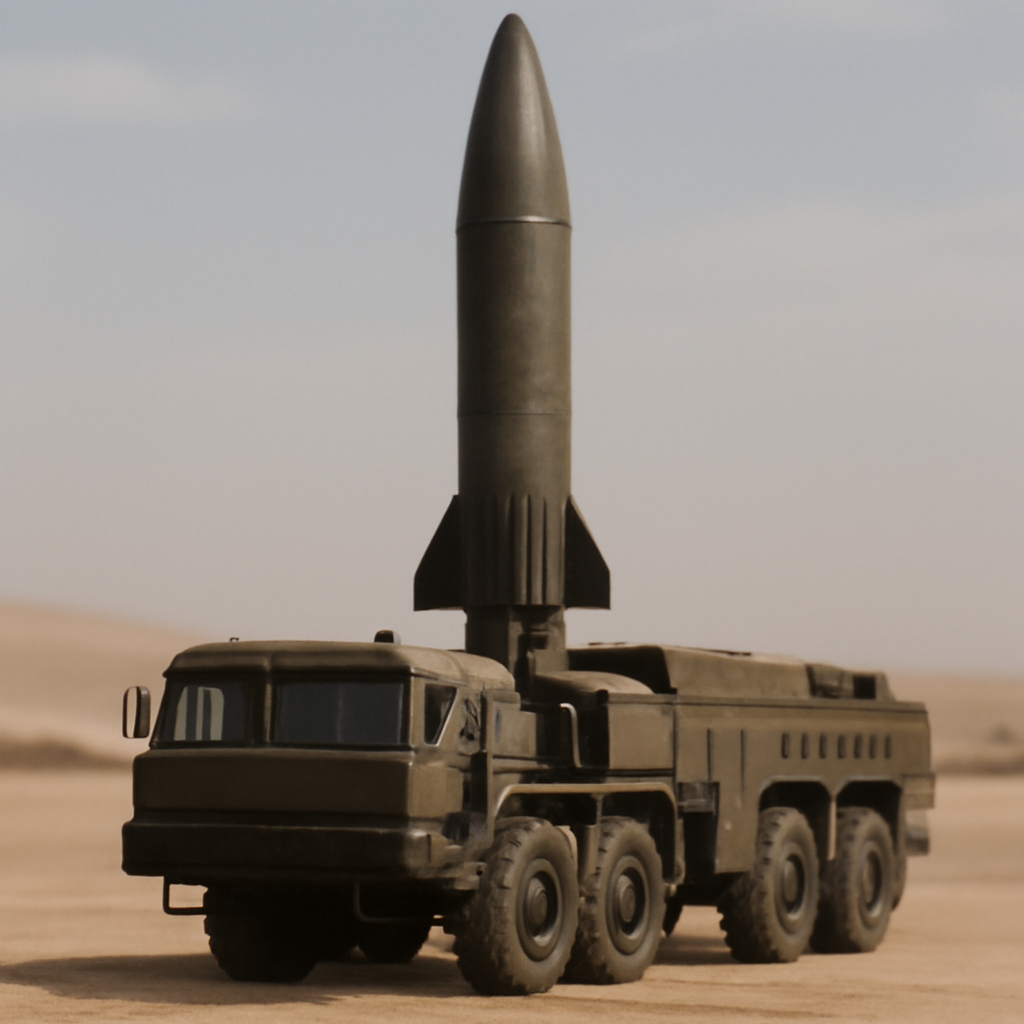
"a 'hypersonic ballistic missile' that is 'capable of engaging targets with high precision and defeating … missile defence systems due to its unique trajectory and maneuverability features,'" wrote the Inter-Services Public Relations (ISPR) on 13 October, describing Pakistan's newly tested Fatah-2 ER.
ISPR's claim and the 13 October test
On 13 October the Pakistan Army publicly announced a successful test-fire of an extended-range variant of the Fatah-2 surface-to-surface missile, officially designated the "Fatah-2 ER." ISPR described the missile as a "hypersonic ballistic missile" and emphasized precision and manoeuvrability. The Pakistan Army Rocket Force Command (ARFC) called this the ARFC's second missile test in October and the fourth publicly announced missile test in 2026. ISPR did not disclose the Fatah-2 ER's range or physical dimensions.
Missile design clues: length, diameter, propulsion
Footage released by ISPR indicates the Fatah-2 ER appears longer than the initial Fatah-2 while retaining the same 600 mm diameter recorded for the original variant. The preceding Fatah-2 is described with concrete specifications: a 7.5 m length, 600 mm diameter, a 365 kg warhead, and a 400 km range (280 km for export), with an accuracy within 50 m circular error probable (CEP). Both the Fatah-2 and its anti-ship variant SMASH use a dual-thrust, single-stage rocket motor, and the SMASH has been reported to achieve 10–15 m CEP depending on seeker configuration.
Lengthening a single-stage rocket is a straightforward path to more fuel volume and thus more range, and ISPR's footage is consistent with that approach. The report also notes the possibility of propulsion or propellant improvements — for the Fatah-2 specifically, an improved solid-fuel composition — which could offset weight penalties introduced by a larger airframe. The Fatah-4 ER ground-launched cruise missile (GLCM), tested earlier in October, appears to have followed a similar lengthening logic.

Audit-ready is a season. It shouldn't be.
Evidence in spreadsheets, controls drifting between audits, frameworks multiplying on flat headcount. Nubivance runs continuous compliance on Rapid7 Cyber GRC - SOC 2, HIPAA, ISO 27001, PCI, CMMC.
End the scrambleThe "hypersonic" label: marketing, capability, and ambiguity
ISPR's use of "hypersonic" repeats a marketing pattern: Pakistan had already applied that label to both the Fatah-2 and SMASH in prior messaging. Global Industrial & Defence Solutions (GIDS), the sales and marketing arm that promotes NESCOM's products, marketed SMASH as "hypersonic" at the start of 2026. Technically, most ballistic missiles reach hypersonic speeds at terminal impact, but the term is often used to imply sustained hypersonic velocity through mid-course as well as terminal phases. Quwa's analysis warns this distinction matters: the most conservative reading is that the Fatah family can reach hypersonic speed in the terminal phase, but there is no confirmed evidence — and ISPR has not claimed — that any of these missiles sustain hypersonic speed during mid-course flight.
Naval variants and Pakistan Navy A2/AD objectives
The Fatah family shares core platforms with naval variants: Fatah-2 with SMASH (an anti-ship ballistic missile) and Fatah-4 with Harbah (an anti-ship cruise missile). Quwa's reporting and the ISPR footage together suggest Pakistan is likely to pursue extended-range variants of these naval/anti-ship missiles. Longer-range ASCMs and ASBMs would align directly with the Pakistan Navy's anti-access and area-denial (A2/AD) objectives, but deployment logistics could shift: larger missiles might push the Pakistan Navy to rely more on coastal batteries than on shipboard launchers.
What this means for the Pakistan Navy, defense analysts, and regional policymakers
- Pakistan Navy: will evaluate how ER variants of Harbah and SMASH can be emplaced and sustained, with coastal batteries a probable option if missile size outstrips shipboard capacity.
- Defense analysts: will watch for observable changes in airframe size, motor design, and propellant composition that can confirm whether range gains are achieved by volume alone or by propulsion efficiency improvements.
- Regional policymakers: will note the growing tempo of tests and public messaging — including ISPR and GIDS use of "hypersonic" — as a signal of intent to expand conventional strike reach and to normalize more routine testing of these systems.
Conclusion: scale, the Fatah lineage, and the 1,000 km question
The 13 October Fatah-2 ER announcement fits a pattern Quwa has tracked this year: a notable increase in both the frequency and the public visibility of Pakistani missile tests, supplemented by at least seven overland NOTAM alerts for unannounced trials. That pattern underscores a shift toward scaling inventories for conventional operations, embodied in the creation and arming of the ARFC.
Quwa's prior analysis and the current reporting point to a clear trajectory: lengthening the Fatah-2 lineage to extend range, iteratively, is underway. Whether Pakistan will produce a distinct Fatah-5 and whether any new variant will combine larger dimensions with multi-stage propulsion and improved propellants to sustain hypersonic speeds mid-course remain open questions. One concrete benchmark in the source material is notable: the ARFC appears to be aiming to cross the 1,000 km threshold with its tactical ballistic missiles — whether by a Fatah-2 ER, a Fatah-5, or another configuration.