"We’re working towards that. Are we there yet? No. So we are going to see some impact come January," Liz Miranda, Army Materiel Command’s executive deputy to the commanding general, told an audience at the Association for the US Army conference.
Liz Miranda and Army Materiel Command: bracing for gradual effects
Miranda told attendees the Army expects "some impact" on defense companies that have not yet fully mapped supply chains to the raw-material level required by the new rule set. She stopped short of predicting any immediate catastrophe: she said she does not anticipate any "off the cliff" outcomes that would be catastrophic for the service. Instead, the Army expects a more measured effect — a "gradual holding all of us accountable" as contractors seek to reduce dependencies on suppliers in adversary nations.
Executive Order 14415: the January 2027 deadline and waiver mechanics
Executive Order 14415, released in July, gives U.S. companies a January 2027 deadline to stop using critical materials and minerals sourced from China, Russia, Iran, and North Korea. Under the EO, companies may obtain a waiver only if the government approves a mitigation plan that "spells out concrete steps" to find new suppliers in the United States or partner nations. Michael Cadenazzi, the assistant secretary of defense for industrial base policy, told Breaking Defense in July that the Pentagon will work with companies that demonstrate a "good faith" effort to resolve supply problems. "And if there’s a gap, a legitimate gap, [and] you have a plan and you need a window to see you through [to] bridge that gap, that’s what we want to know," he said.

Audit-ready is a season. It shouldn't be.
Evidence in spreadsheets, controls drifting between audits, frameworks multiplying on flat headcount. Nubivance runs continuous compliance on Rapid7 Cyber GRC - SOC 2, HIPAA, ISO 27001, PCI, CMMC.
End the scrambleTungsten alloys and germanium: named materials and concentration risk
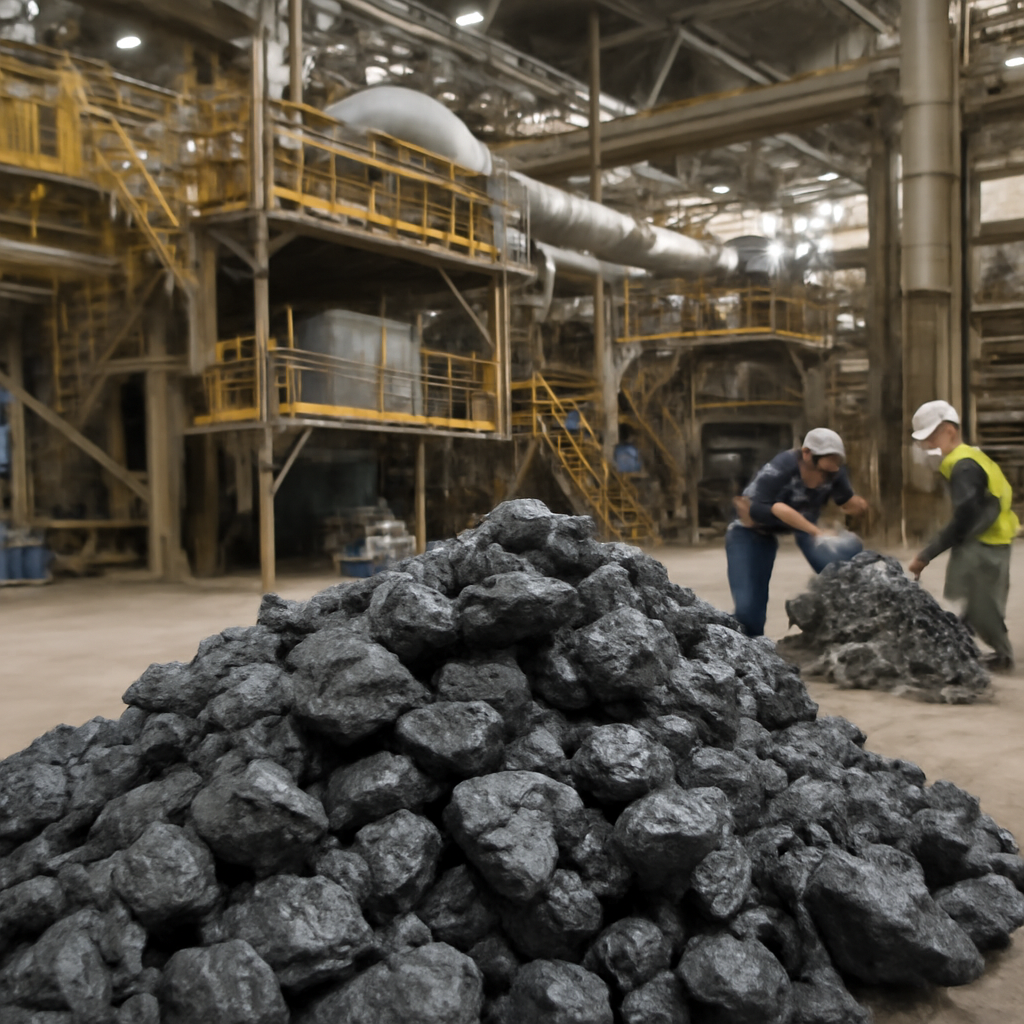
The EO targets a range of critical minerals. The Breaking Defense piece cites tungsten alloys — used in engine components and hypersonics — and germanium — used in thermal imaging systems — as specific examples. An Aerospace Industries Association (AIA) report from September identified China as the dominant producer of both materials, underlining why the EO focuses on supply chains tied to adversary nations.
Aerospace Industries Association: timing, capacity, and mitigation-plan uncertainty
AIA has warned that the EO's timeline is rapid relative to the current state of domestic supply chains. Its September report found that "Significant domestic processing, refining, and magnet production capacity for aerospace-grade materials is not expected to be available until 2028 or later," and that additional certification and qualification steps could delay usable supply further. AIA Vice President of International Affairs Dak Hardwick said the EO makes those challenges "more acute" because waivers will be restricted to firms with approved mitigation plans and, he said, industry has received little feedback on what constitutes an acceptable plan. "Industry is still looking for clarity around the mitigation-plan standard and processing timelines," Hardwick said, adding that AIA is urging "industry, government, Congress, and minerals producers to work together on a practical path forward that meets the unique needs of our industry, preserves waivers where qualified supply does not yet exist, and avoids disruptions to defense production."
How the Army, defense contractors, and AIA are responding
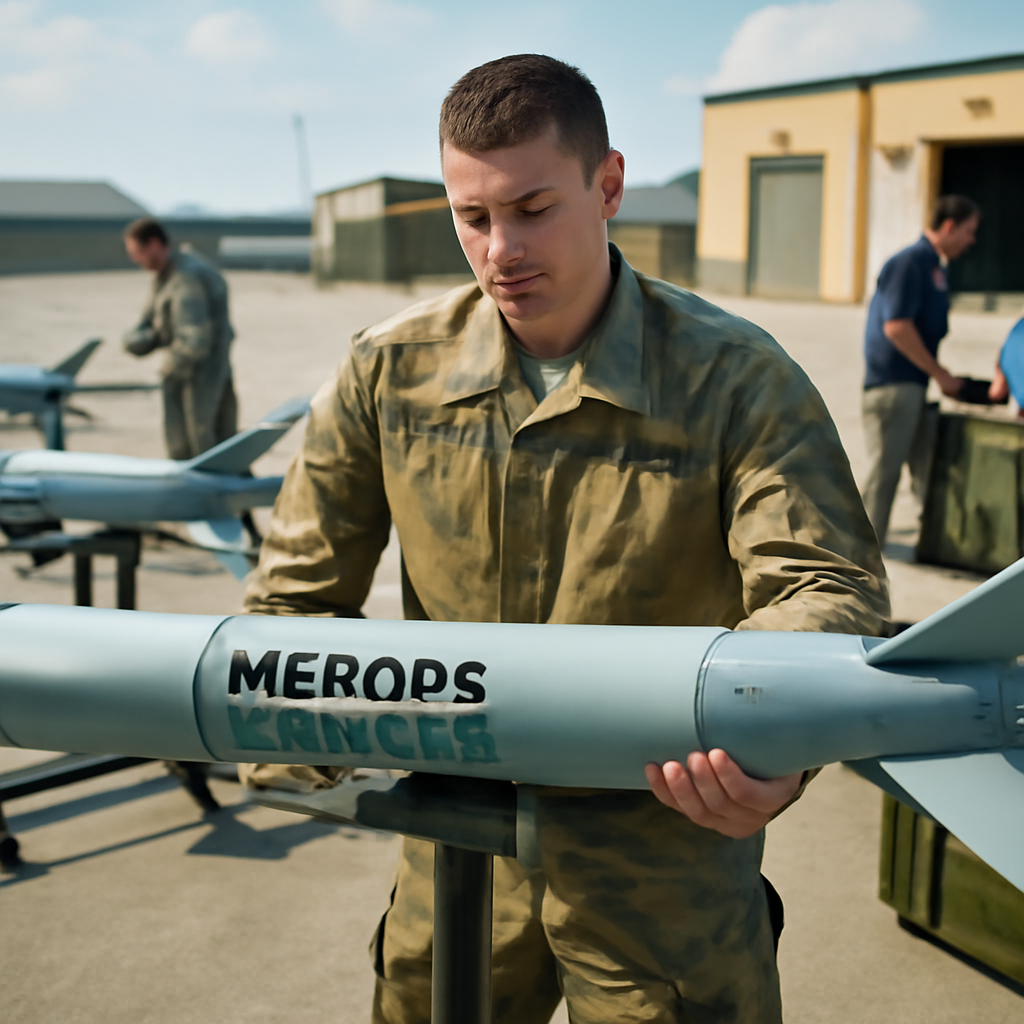
- Army Materiel Command: Miranda described an effort to inventory and map supply chains down to raw materials and to surface risks before they bite. The service has announced a "manufacturing rodeo" aimed at exposing supply chain and manufacturing risks the Army may not yet know about.
- Defense contractors and manufacturers: Companies face a January 2027 compliance date and can pursue waivers only with approved mitigation plans. The Pentagon has said it will work with firms making a "good faith" effort to shift suppliers or "friendshore" production, but industry groups say they need clearer standards and timelines for mitigation plans.
- Aerospace Industries Association (AIA): The trade group has made public findings that domestic processing capacity likely will not be sufficient until 2028 or later and is pressing for coordinated action among industry, government, Congress, and minerals producers to avoid production disruptions and preserve necessary waivers where supply does not yet exist.
Manufacturing rodeo and drone parts: what the Army will test
Miranda emphasized the limits of insourcing: "Unfortunately, we cannot insource all of the parts that are required — specifically for drone dominance." The manufacturing rodeo is intended to “look internal to the US domestic capabilities and see what gaps exist, and then working with industry to invest in building that domestic capability or partnering with other allies to identify resources there that we can leverage to scale what we need," she said. The exercise appears designed to surface actionable gaps where mitigation plans, domestic investment, or allied sourcing could be focused.
The January 2027 deadline sets a hard calendar for compliance; the Army expects a tangible but manageable toll on contractors that have not yet finished supply-chain mapping and mitigation planning. The most pressing open questions on the record are procedural: what concrete mitigation-plan standards the government will accept, how quickly domestic processing and qualification will scale, and how broadly waivers will be granted while new supply lines are built. Those answers, industry groups warn, will determine whether the coming months are a period of orderly transition or of disruptive pinch points in defense production.