[SPONSOREDNUBIVANCE]
Rapid7 deployed right the first time.
Full-platform Rapid7 rollouts - InsightVM, InsightIDR, event sources, agents, tuning - by a Registered Partner who has done it at state-agency scale, including OT/SCADA.
Talk deployment
The Army has awarded Georgia Tech Research Institute up to $33.4 million to lead the integration of its Common Autonomous Multidomain Launcher (CAML) prototype program, a key move to deliver cutting-edge Fires capabilities to Soldiers. As the lead integrator, GTRI will drive the program forward with systems engineering, interface integration, and testing expertise.

The US Army is exploring new options for a tracked self-propelled howitzer, issuing a request for information to gather ideas for a 155mm howitzer that can operate within armored formations. This move is a separate effort from the recent deal for a wheeled variant, signaling a renewed interest in tracked artillery capabilities.
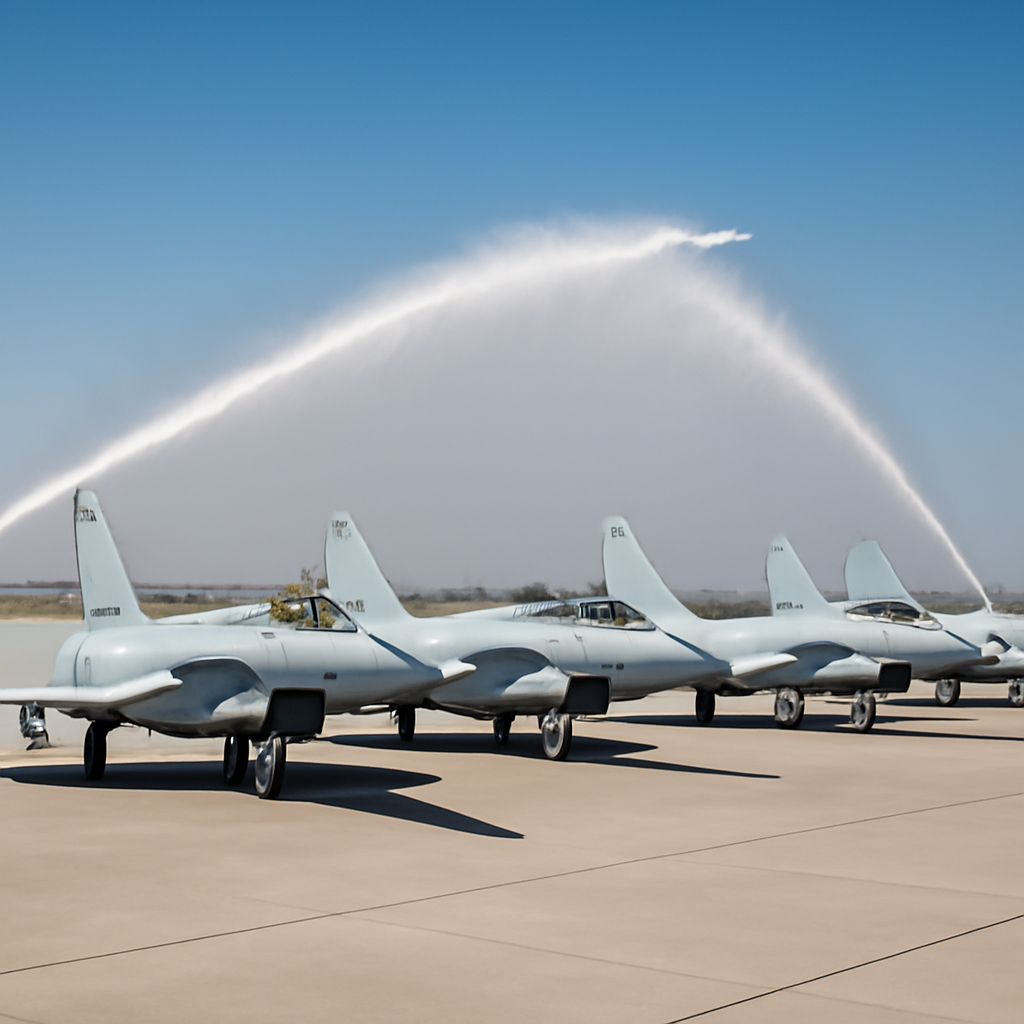
Uzbekistan has officially welcomed its new fleet of Chinese J-10CE fighters, with at least six aircraft making a grand entrance in state TV footage on August 28, 2026. The public debut was marked with a ceremonial water-cannon salute, showcasing the country's growing military capabilities.
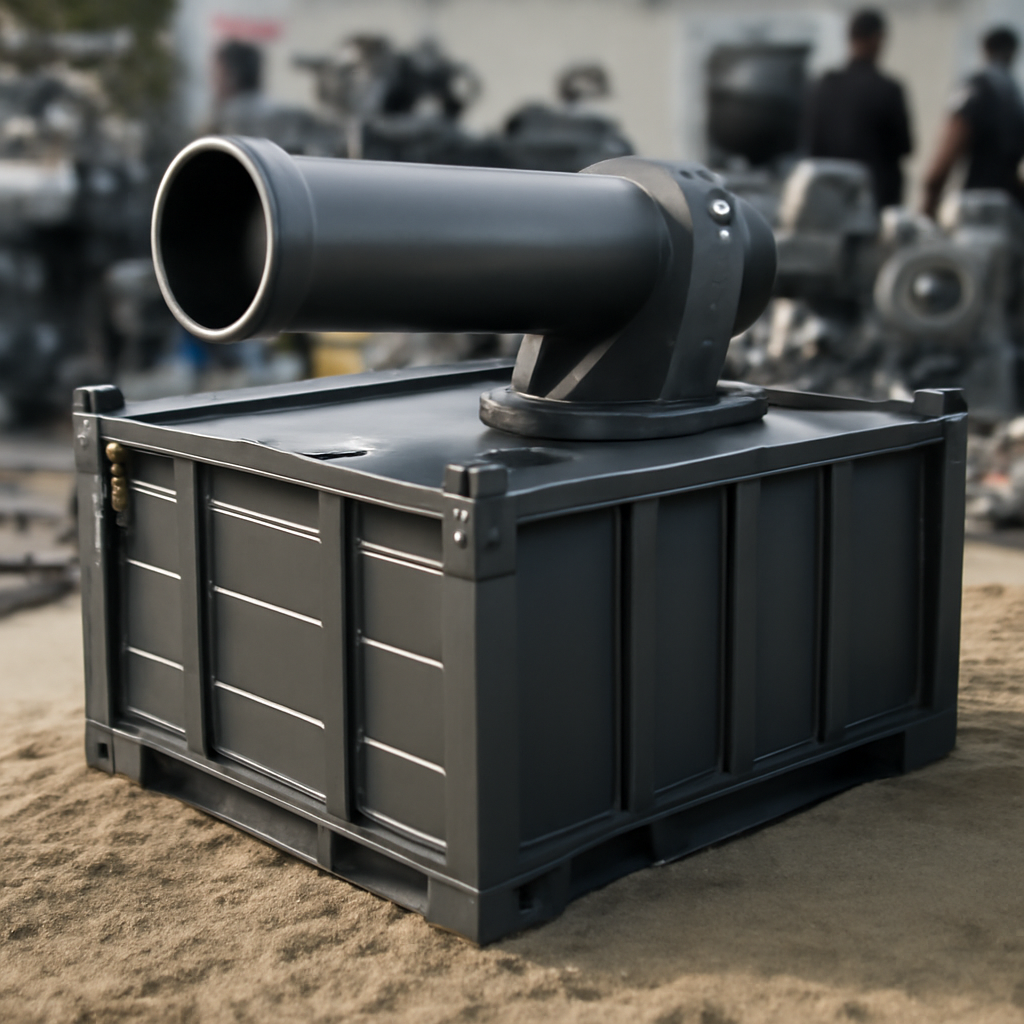
Meet the Liberator, a game-changing, containerized torpedo launcher designed to be deployed on the ocean floor, capable of firing powerful Mk 48 ADCAP heavyweight torpedoes at enemy ships and subs. This autonomous seabed system is set to revolutionize naval warfare as part of the US Navy's cutting-edge Orca submarine vehicle program.
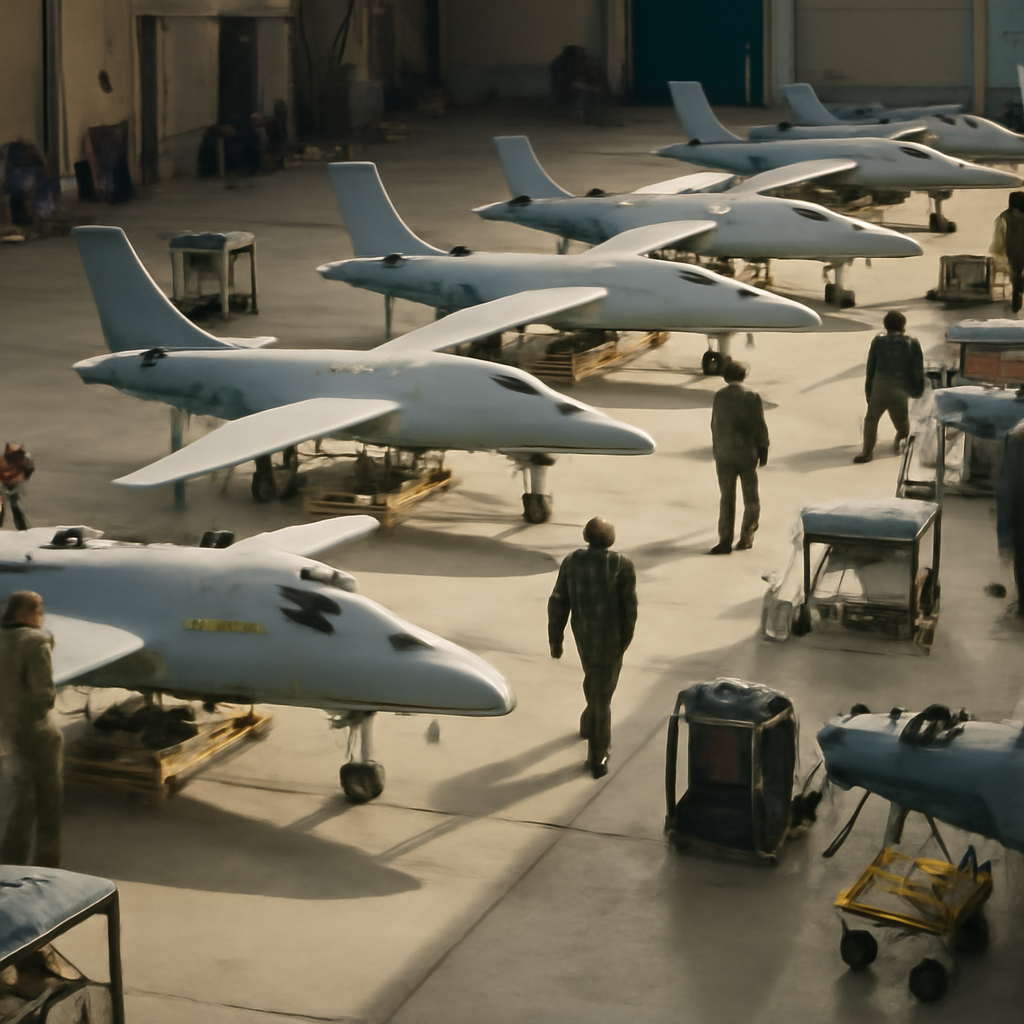
Russia is now launching jet-powered drones at an astonishing rate, with estimates suggesting a whopping 3,000 units per month, and Ukraine's air defenses are feeling the pressure. In fact, two-thirds of all drones launched in a day can now be jet-powered, according to Colonel Yurii Ihnat of the Ukrainian Air Force.
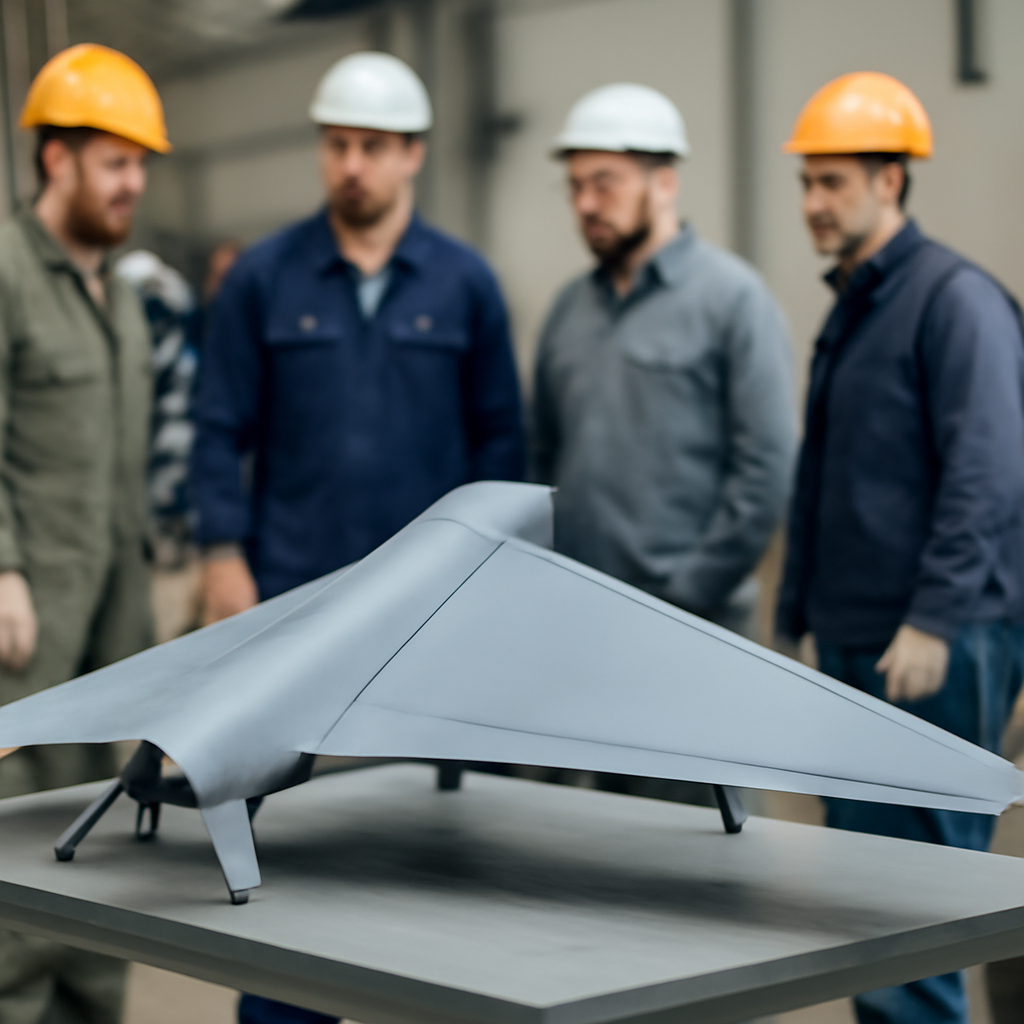
Pakistan is taking a major leap in its military capabilities with the development of loitering munitions, including a tailless delta design, to enhance its deep-strike ability. This new technology, showcased to the Pakistan Army Chief, promises a scalable and long-range strike posture, with some systems boasting a range of up to 3,000 km.
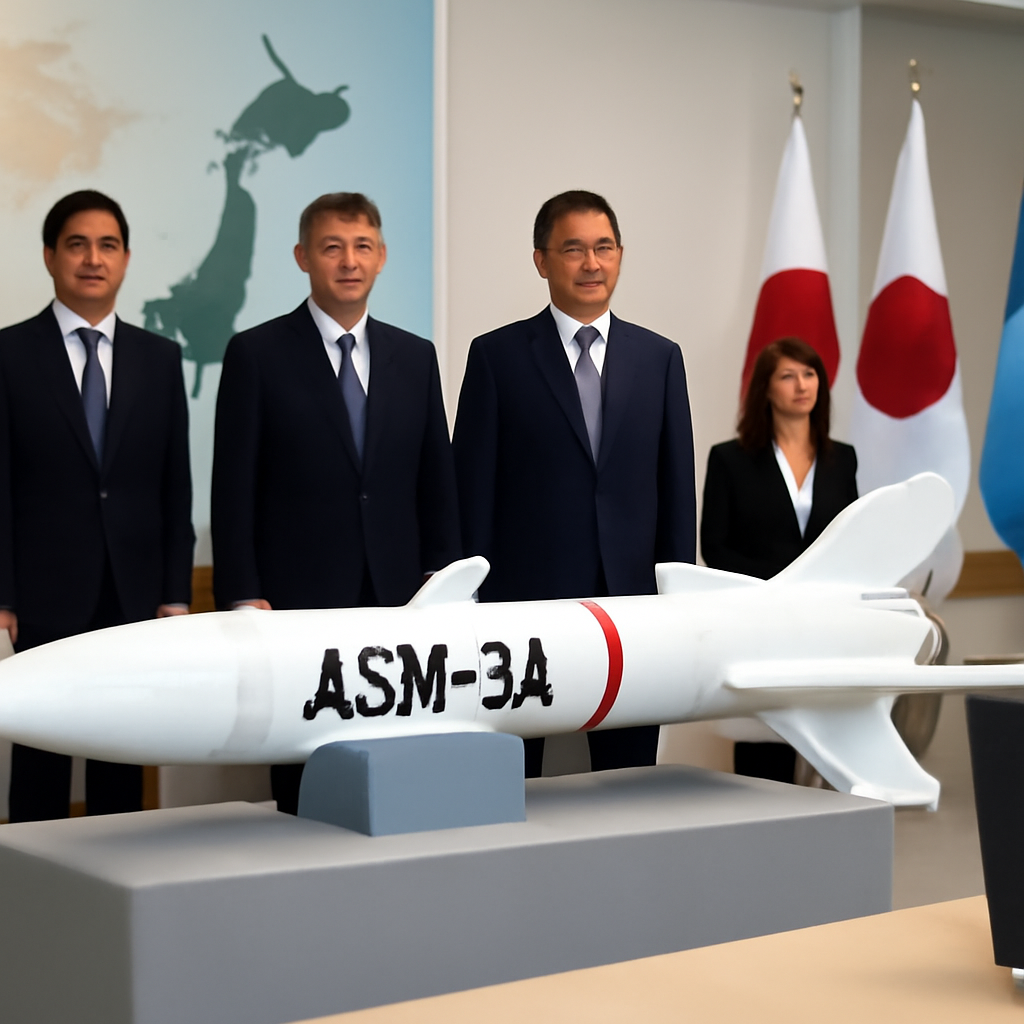
Japan's defense budget request takes a surprising turn with the ASM-3 Kai missile, now being eyed for a dual role as both an anti-ship and anti-air missile, marking a significant expansion of its capabilities. This development hints at a more versatile and robust defense strategy for the country.

Greece has just sealed a game-changing $3.4 billion deal with Israel, dubbed Achilles' Shield, to revolutionize its air defense capabilities with a cutting-edge, multi-layered defense array. This powerhouse package will shield Greece from a wide range of threats, from ballistic missiles to tiny drones.
Full-platform Rapid7 rollouts - InsightVM, InsightIDR, event sources, agents, tuning - by a Registered Partner who has done it at state-agency scale, including OT/SCADA.
Talk deployment
Meet Japan's game-changing new warship, boasting a powerful radar system with five times the tracking capability of its predecessor, designed to tackle multiple ballistic missile threats at once. Its massive integrated mast, carrying four cutting-edge AN/SPY-7(V)1 arrays, is a striking feature that's setting a new standard in naval defense.

Ukrainian intelligence has uncovered a massive network of 70 enterprises and 84 individuals working together to produce Russia's advanced 3M22 Zircon missile, revealing a complex production chain that's raising new questions about technical and policy implications. The detailed breakdown, courtesy of the Main Directorate of Intelligence, names specific companies and components, shining a light on the intricate web of suppliers behind this cutting-edge weapon.

India and the UK are turbocharging their defense partnership with a bold plan to co-design, build, and deploy cutting-edge maritime electric propulsion systems, starting with a game-changing deal for four Indian Navy landing platform docks. This innovative collaboration is set to revolutionize naval capabilities with Integrated Full Electric Propulsion technology.

Taiwan's parliament has greenlit a whopping $7.57 billion drone funding package as part of a broader strategy to bolster its defenses, despite analyst warnings that the compromise could create uncertainty for local manufacturers. The approved budget allocates $40 billion annually for six years, falling short of President Lai Ching-te's request for immediate access to a larger special budget.

The US is shaking up its military partnerships in the Middle East with a potential $4.5 billion deal to sell four KC-46A refueling aircraft to Qatar, a move that highlights the region's evolving military-commercial landscape. This massive sale is just one piece of a larger puzzle that includes a new multinational drone force initiative.

The US Air Force is upgrading Moron Air Base in Spain to supercharge its readiness capabilities, with a major expansion planned to boost capacity for strategic bombers like the B-52. The project includes a bigger parking apron, live-ordnance capacity, and new fuel pits to support more aircraft.

The Marines are revolutionizing their logistics game with an AI-powered engine, recently tested in the Pacific Theater, which can analyze over 16 million parts and 4 million vendors to streamline sustainment planning. This cutting-edge tech, developed by defense company Tagup, is already being used by select Marine units to optimize logistics and drive efficiency.
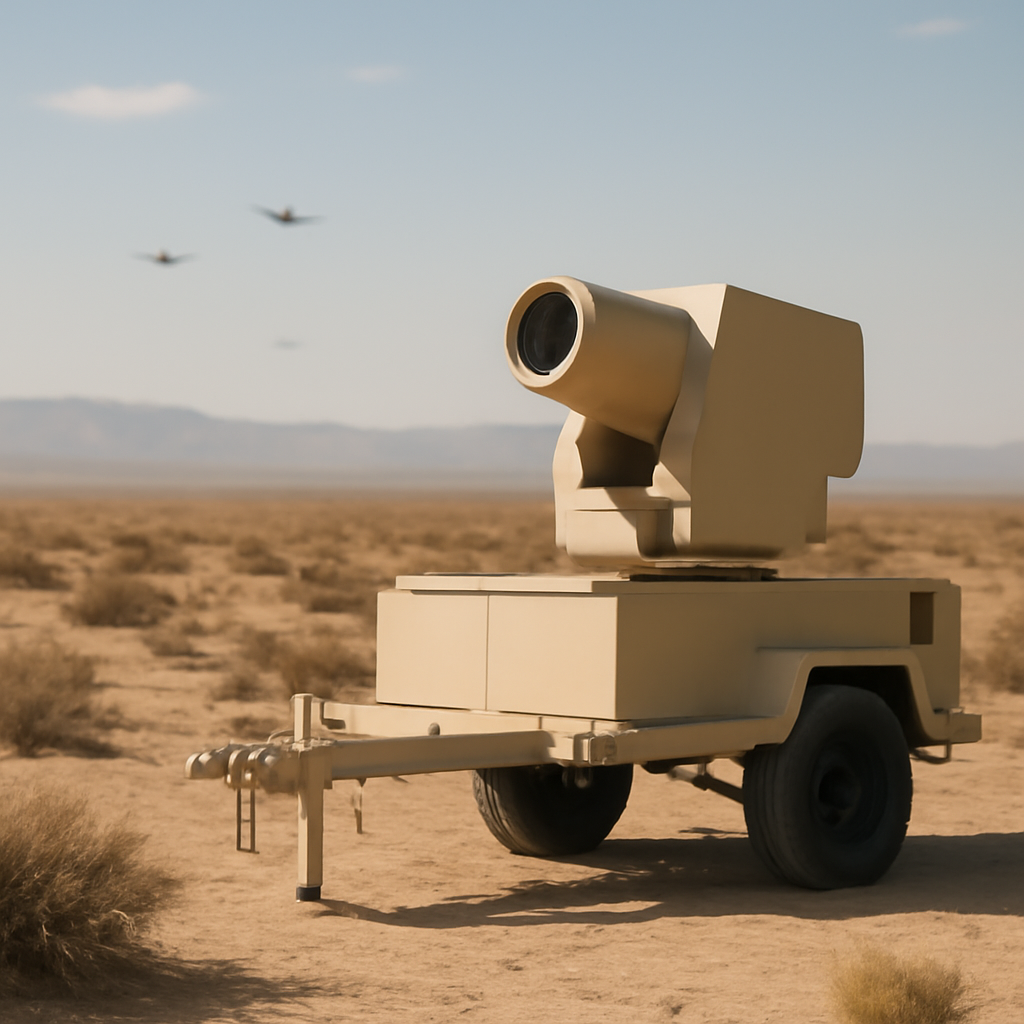
The Pentagon is fighting back against cartel drones at the southern border, using a powerful military laser system to shoot down three hostile unmanned aircraft that were smuggling humans and spying on US personnel. This high-tech defense move marks a new front in the battle against border threats.
Evidence in spreadsheets, controls drifting between audits, frameworks multiplying on flat headcount. Nubivance runs continuous compliance on Rapid7 Cyber GRC - SOC 2, HIPAA, ISO 27001, PCI, CMMC.
End the scramble
Australia's neighbors are taking a bold leap forward with drone technology, with a recent test featuring over 100 autonomous systems flying for an impressive 560 hours - and it's time for Australia to take note. The country's Northern Territory is poised to play a key role in this space, with plans to establish Darwin as a sustainment hub for uncrewed systems and a proving ground for next-gen equipment.
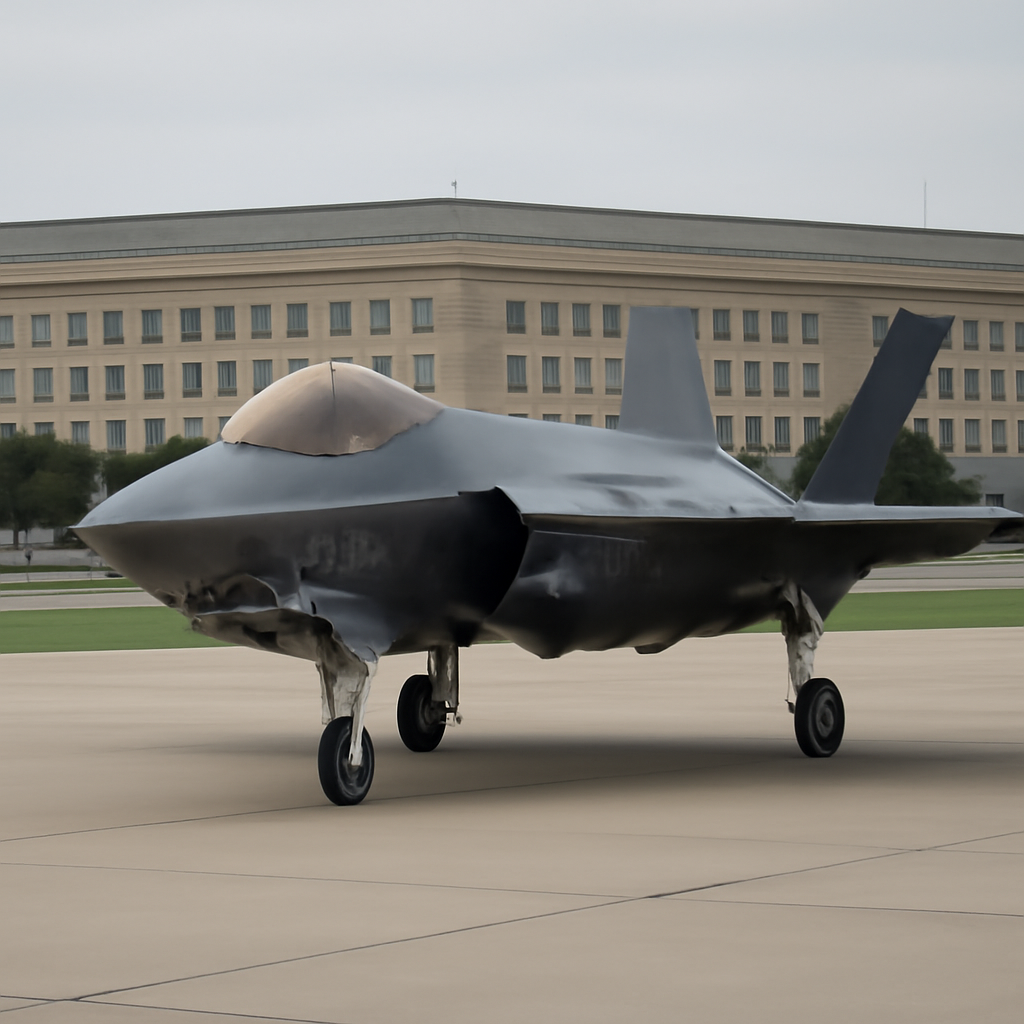
The Pentagon just revised its estimate of the F-35's lifecycle costs down to $1.93 trillion, a significant drop from the previously reported $2 trillion price tag. This updated figure includes all development, procurement, operating, and sustainment costs over the jet's expected service life.

EDGE Group is teaming up with the Brazilian army to launch a groundbreaking Cyber Defense Centre of Excellence, positioning Brazil as a leader in Latin American cyber excellence. This strategic partnership combines cutting-edge tech, expertise, and knowledge to bolster Brazil's cyber defenses.
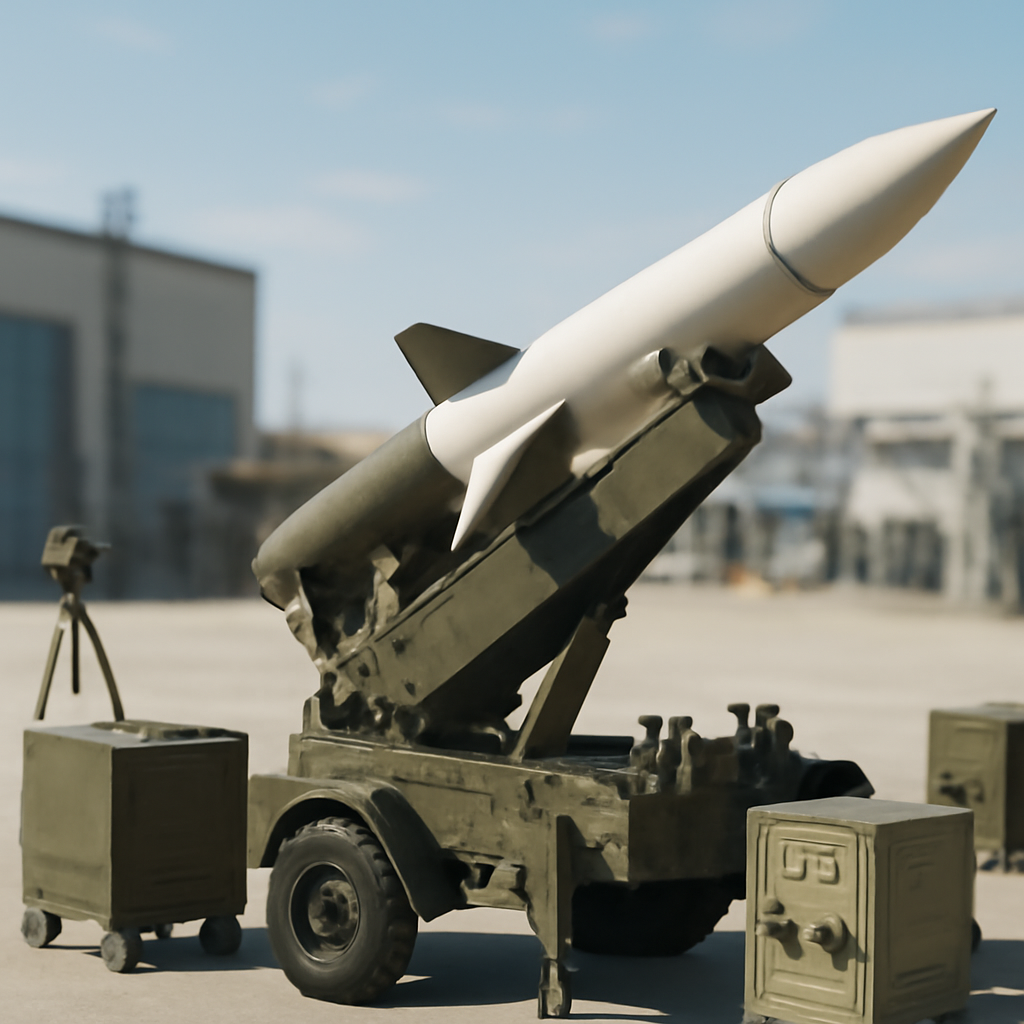
The US Army is on the hunt for a game-changing Stinger Missile Replacement, with plans to purchase 11,000 new interceptors and 2,200 portable launchers by 2028. They're now seeking innovative solutions, with a demonstration planned for Spring 2027 that could lead to a major procurement award.
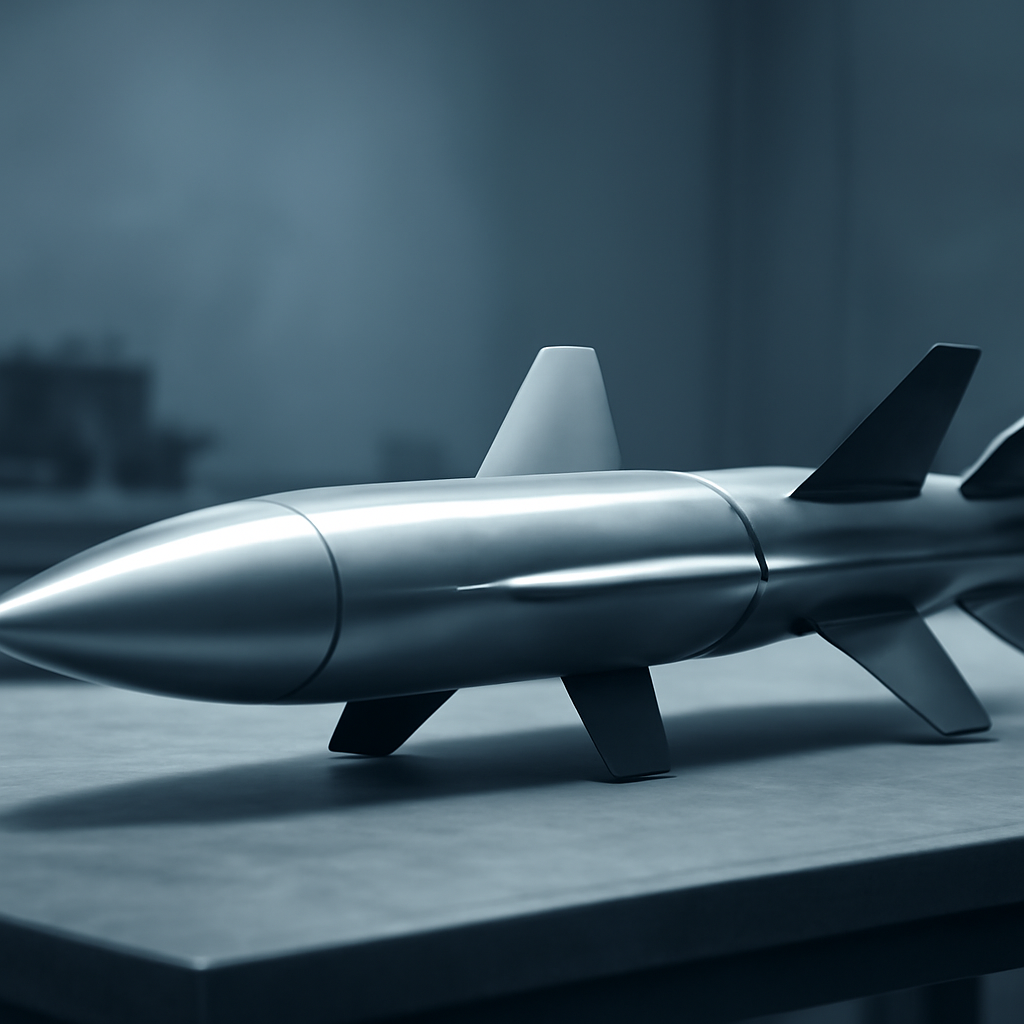
Europe is racing to upgrade its air missile arsenal to counter emerging threats, driven by recent military showdowns like the tense exchanges between Pakistan and India. France's Comet program, led by MBDA, is at the forefront, promising a next-gen missile with greater range and speed by 2030.

The Air Force is revolutionizing its command and control communications, ditching its old model of bulky, 10-pallet comms packages that required 40-person teams to deploy, and embracing a leaner, more agile approach. Brig. Gen. Jeffrey Phillips, deputy chief of staff for warfighter communications and cyber systems, is spearheading the change.
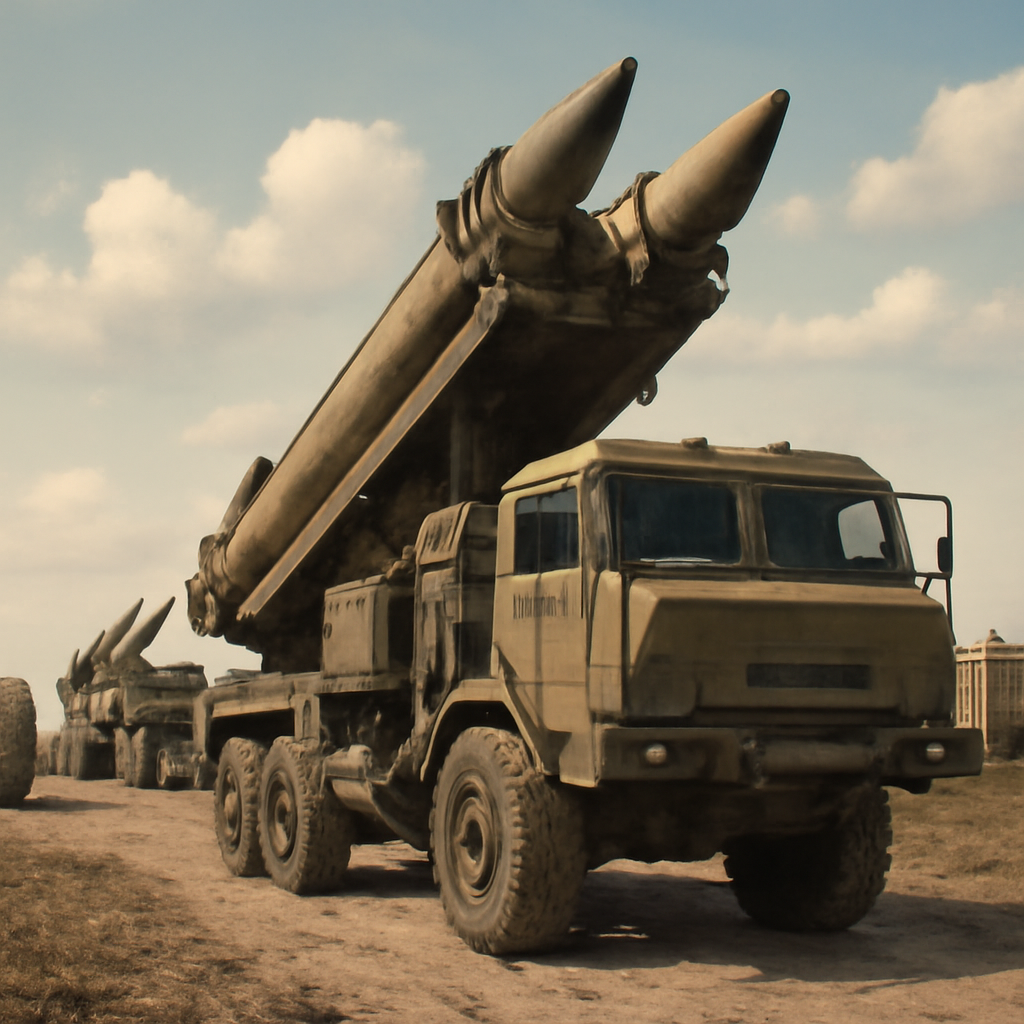
Russia just took a significant leap in its military capabilities, deploying upgraded Iskander missiles with a staggering 550km range, capable of striking targets with unprecedented precision. This game-changing move has dramatically shifted the battlefield dynamics between Russia and Ukraine.

The US Army is ramping up its air-defense game by embracing a diverse range of interceptors to stay ahead of evolving missile threats. Lt. Gen. John Rafferty reveals why a varied arsenal is key to countering growing drone and missile attacks in today's conflict zones.