"The $2T price tag commonly reported in the media doesn’t come close to telling the whole story," the recent MSAR says.
2025 MSAR: $1.93 trillion lifecycle and what changed
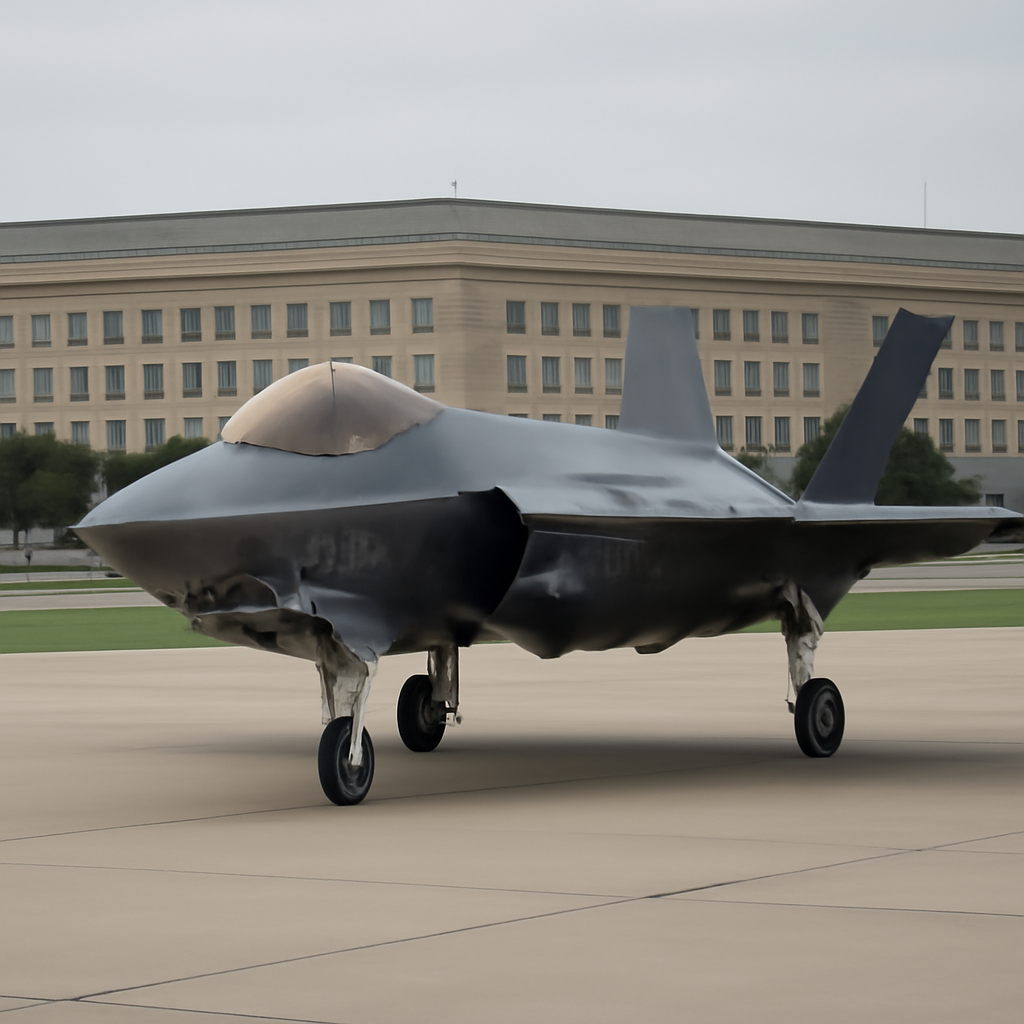
The Pentagon’s modernized selected acquisition report (MSAR) for 2025 projects the F-35 program’s lifecycle cost at about $1.93 trillion. That total — which incorporates development, procurement, operating, sustainment and upgrade costs across the jet’s expected service life and is adjusted for inflation to the year of purchase — is lower than the $2.06 trillion figure the Pentagon reported in the 2024 MSAR. The Joint Program Office (JPO) confirmed to Breaking Defense that lifecycle costs have now fallen beneath $2 trillion.
The MSAR cautions that lifecycle figures are estimates stretching decades into the future and are sensitive to assumptions about manpower, materials, sustainment, and planned affordability initiatives. The report explicitly credits affordability initiatives and adjustments in cost assumptions as factors that have helped lower anticipated spending.
Rising acquisition costs: $536.3 billion and its drivers
While the lifecycle projection dipped, acquisition costs have climbed. The Pentagon now estimates it will cost about $536.3 billion to acquire all planned F-35 aircraft — up from $485.2 billion in the 2024 MSAR. That acquisition total includes both development and procurement.
A spokesperson for the JPO detailed the makeup of the roughly $51 billion increase in acquisition costs: about $19 billion is attributable to higher development costs for the aircraft and its engine, and roughly $32 billion stems from greater procurement needs. The procurement increases include more spare parts meant to address "lackluster readiness rates" and the purchase of an advanced radar. Delays for that radar, the report and prior reporting note, have temporarily forced the Pentagon to accept aircraft without the nose-mounted sensor.

The cyber insurance questionnaire just landed. Now what?
SOC 2, HIPAA, insurance renewals - someone has to own security strategy. Nubivance provides fractional CISO leadership without the full-time salary.
Get a security leadBlock 4, Technology Refresh 3, and remaining modernization work
The MSAR and JPO comments underline that the program has shifted from proving the basic aircraft toward executing major modernization efforts. One major modernization bundle, Block 4, is cited as being over budget and years behind schedule. The computing backbone of that effort, Technology Refresh 3, has not been certified for combat; as a result, jets delivered over the past two years have been confined to training roles rather than frontline deployment.
Beyond software and mission systems, the Pentagon is pursuing hardware upgrades as well: one set of efforts focuses on engine enhancements while another seeks to field a new power and thermal management system to address cooling challenges. Lockheed Martin described the program as “moving into full-rate production, resuming high-volume development deliveries and growing globally,” and pointed to modernizations, improved fleet readiness and actions to control sustainment and integration costs.
Operational tempo, service life projections, and omitted war activity
MSAR lifecycle estimates are also shaped by how long planners expect each variant to fly. The 2023 MSAR projected F-35A operations through 2088; the 2025 MSAR shortens that projection to 2083. The most recent report uses data from 2025 — a cut-off that, the report notes, omits the effects of the high tempo of operations for F-35s in the ongoing war against Iran. That operational tempo and any future changes could alter sustainment needs and costs in future MSARs.
What this means for the F-35 Joint Program Office (JPO), Lockheed Martin, and the U.S. services
- F-35 Joint Program Office (JPO): The JPO will continue to reconcile rising near-term acquisition costs with downward lifecycle adjustments in public reporting, manage Block 4 delays and certify Technology Refresh 3 for combat to move aircraft from training roles to operational fleets.
- Lockheed Martin and Pratt & Whitney: Lockheed Martin emphasizes growing global demand and the program’s modernization focus; Pratt referred questions about engine-related cost increases back to the JPO, while the JPO attributed $19 billion of the acquisition increase to development costs for the aircraft and its engine.
- U.S. services (Air Force, Marine Corps, Navy) and international customers: Services operating the A, B and C variants face near-term readiness pressures that are driving procurement of additional spare parts and capability buys such as advanced radars, even as some delivered jets remain limited to training pending software certification.
The 2025 MSAR paints a picture of a program simultaneously contending with near-term buying costs and long-term cost reductions through assumed affordability measures and adjusted service-life expectations. The central questions left by the report are concrete: when will Technology Refresh 3 be certified for combat, how will Block 4 schedules and costs evolve, and how will ongoing, high-tempo operations reshape sustainment demands in the next MSAR cycle?