[SPONSOREDNUBIVANCE]
Know a small business winging it on security?
No IT department, no security budget, real exposure. Nubivance builds right-sized security foundations for small companies. Send them this.
Send it along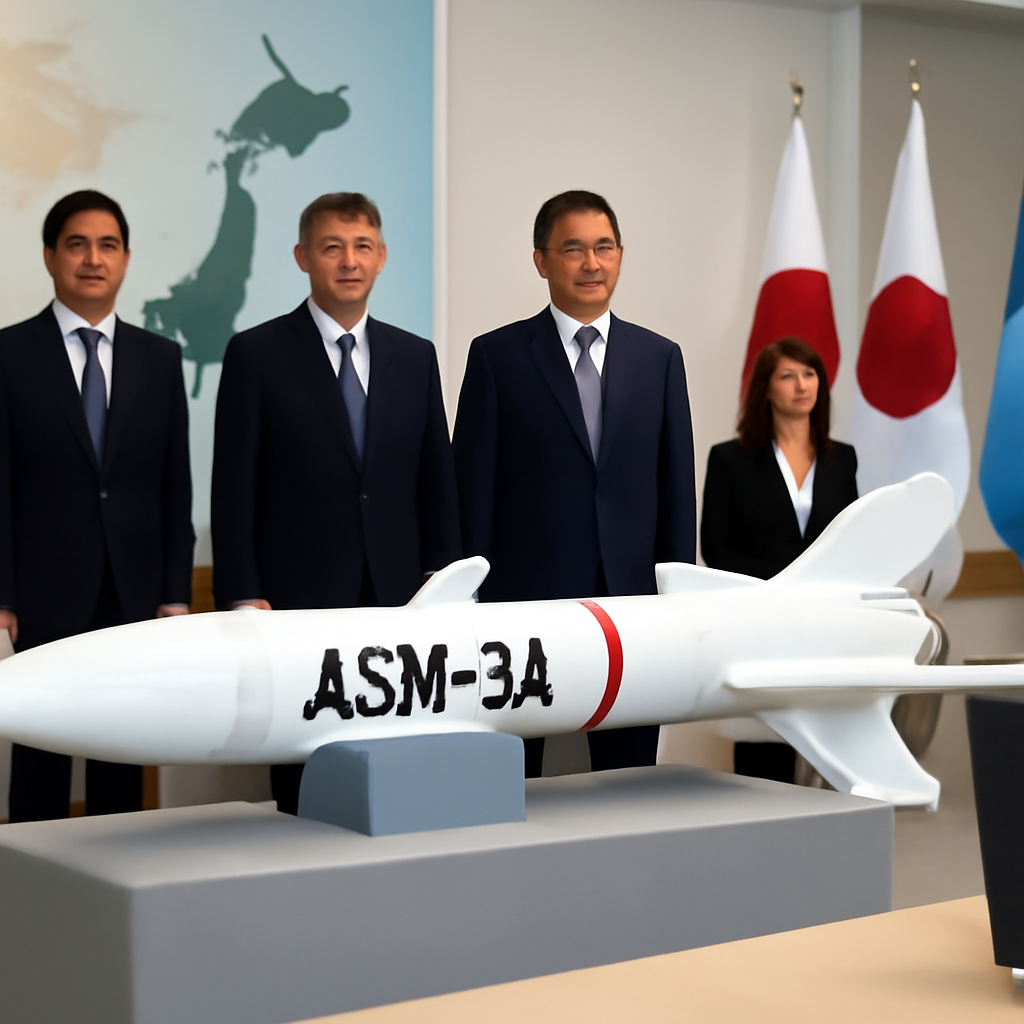
Japan's defense budget request takes a surprising turn with the ASM-3 Kai missile, now being eyed for a dual role as both an anti-ship and anti-air missile, marking a significant expansion of its capabilities. This development hints at a more versatile and robust defense strategy for the country.

Greece has just sealed a game-changing $3.4 billion deal with Israel, dubbed Achilles' Shield, to revolutionize its air defense capabilities with a cutting-edge, multi-layered defense array. This powerhouse package will shield Greece from a wide range of threats, from ballistic missiles to tiny drones.
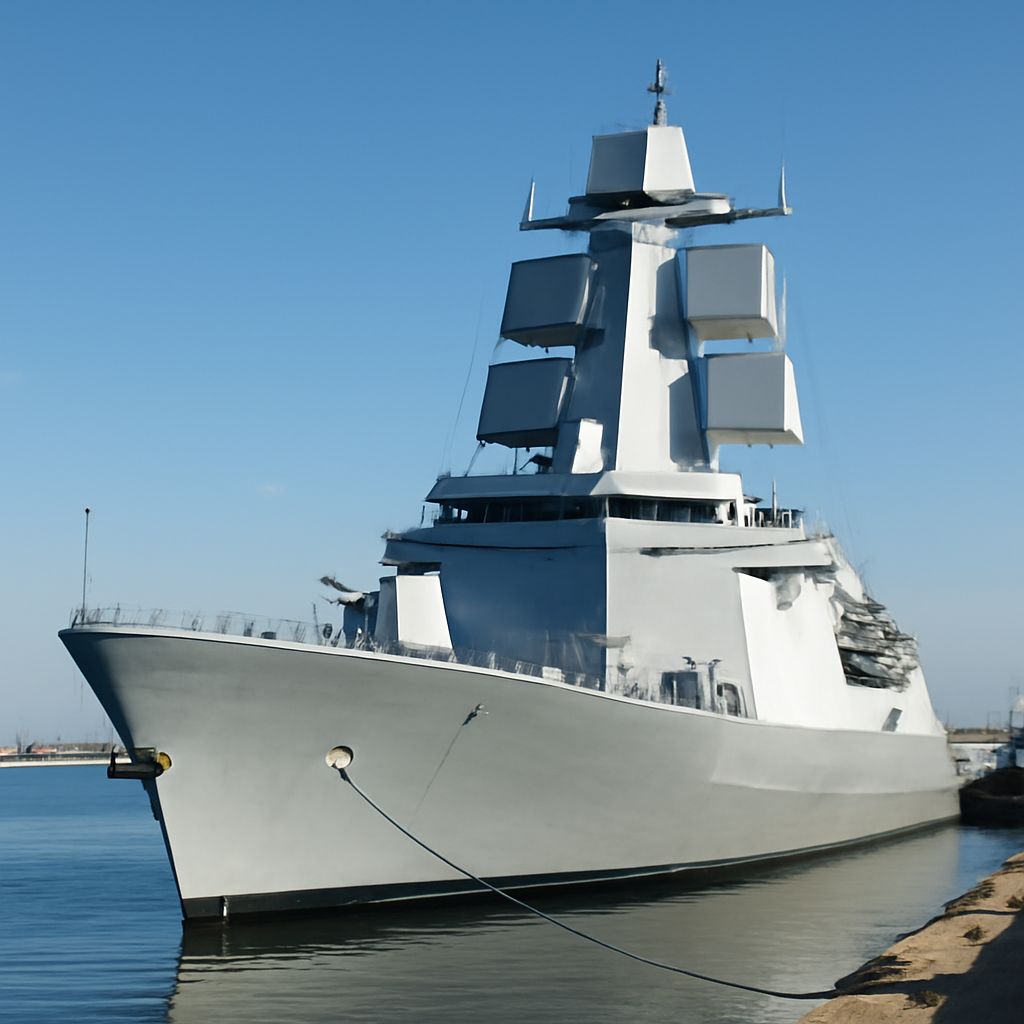
Meet Japan's game-changing new warship, boasting a powerful radar system with five times the tracking capability of its predecessor, designed to tackle multiple ballistic missile threats at once. Its massive integrated mast, carrying four cutting-edge AN/SPY-7(V)1 arrays, is a striking feature that's setting a new standard in naval defense.

Ukrainian intelligence has uncovered a massive network of 70 enterprises and 84 individuals working together to produce Russia's advanced 3M22 Zircon missile, revealing a complex production chain that's raising new questions about technical and policy implications. The detailed breakdown, courtesy of the Main Directorate of Intelligence, names specific companies and components, shining a light on the intricate web of suppliers behind this cutting-edge weapon.

India and the UK are turbocharging their defense partnership with a bold plan to co-design, build, and deploy cutting-edge maritime electric propulsion systems, starting with a game-changing deal for four Indian Navy landing platform docks. This innovative collaboration is set to revolutionize naval capabilities with Integrated Full Electric Propulsion technology.

Taiwan's parliament has greenlit a whopping $7.57 billion drone funding package as part of a broader strategy to bolster its defenses, despite analyst warnings that the compromise could create uncertainty for local manufacturers. The approved budget allocates $40 billion annually for six years, falling short of President Lai Ching-te's request for immediate access to a larger special budget.

The US is shaking up its military partnerships in the Middle East with a potential $4.5 billion deal to sell four KC-46A refueling aircraft to Qatar, a move that highlights the region's evolving military-commercial landscape. This massive sale is just one piece of a larger puzzle that includes a new multinational drone force initiative.

The US Air Force is upgrading Moron Air Base in Spain to supercharge its readiness capabilities, with a major expansion planned to boost capacity for strategic bombers like the B-52. The project includes a bigger parking apron, live-ordnance capacity, and new fuel pits to support more aircraft.
No IT department, no security budget, real exposure. Nubivance builds right-sized security foundations for small companies. Send them this.
Send it along
The Marines are revolutionizing their logistics game with an AI-powered engine, recently tested in the Pacific Theater, which can analyze over 16 million parts and 4 million vendors to streamline sustainment planning. This cutting-edge tech, developed by defense company Tagup, is already being used by select Marine units to optimize logistics and drive efficiency.
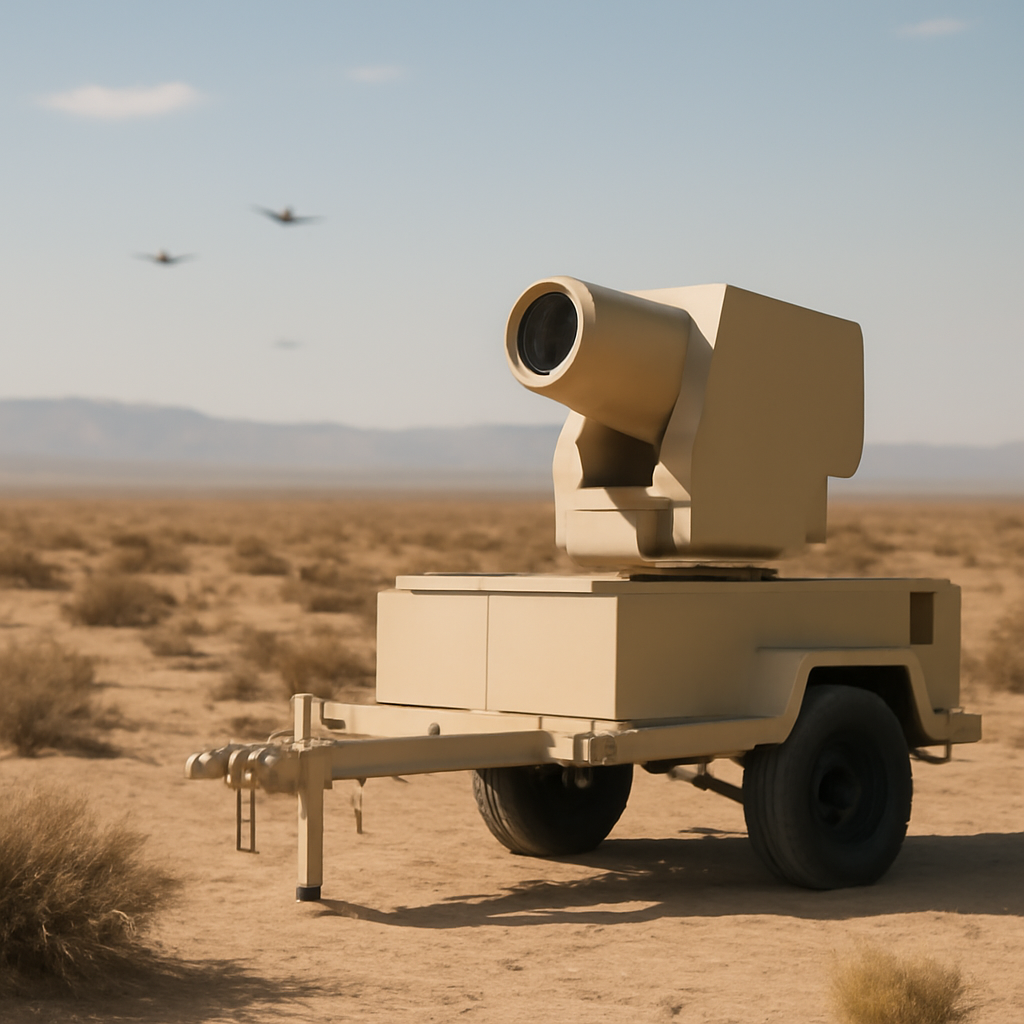
The Pentagon is fighting back against cartel drones at the southern border, using a powerful military laser system to shoot down three hostile unmanned aircraft that were smuggling humans and spying on US personnel. This high-tech defense move marks a new front in the battle against border threats.
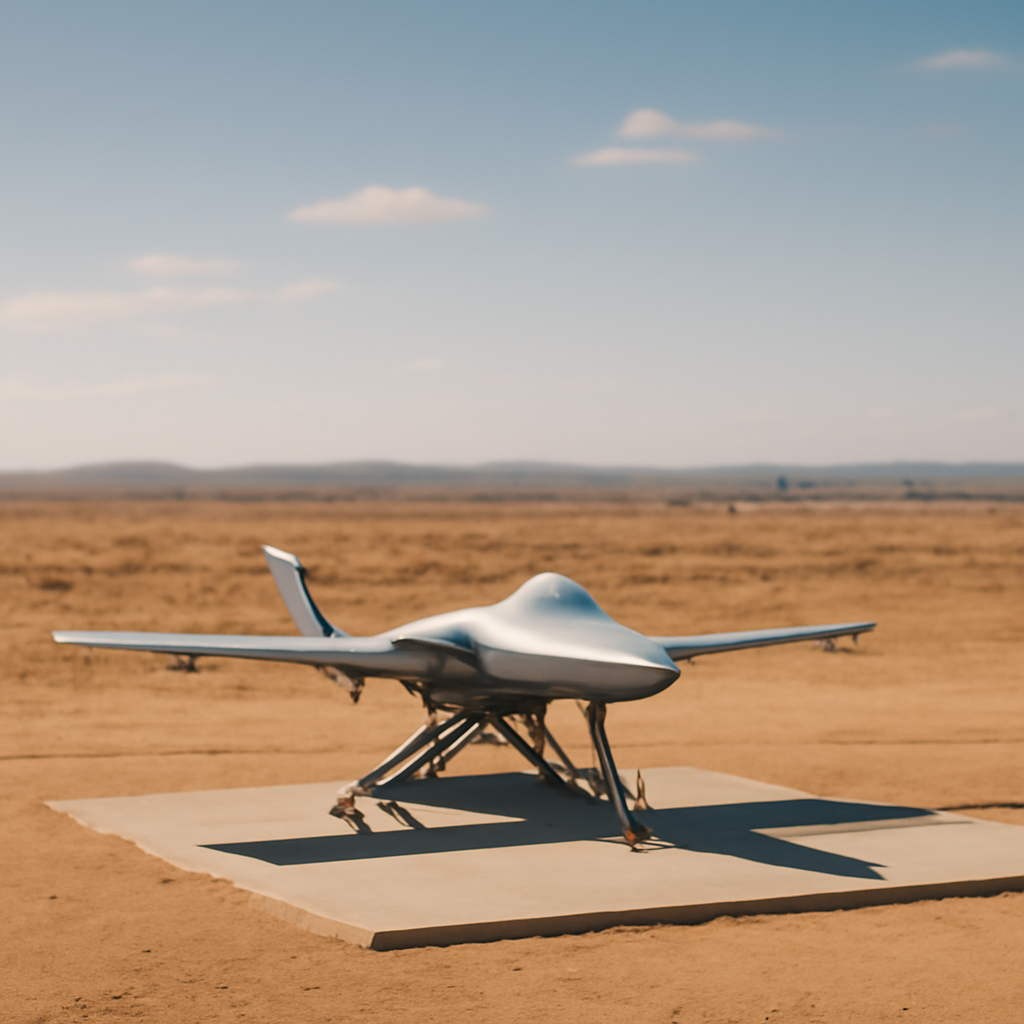
Australia's neighbors are taking a bold leap forward with drone technology, with a recent test featuring over 100 autonomous systems flying for an impressive 560 hours - and it's time for Australia to take note. The country's Northern Territory is poised to play a key role in this space, with plans to establish Darwin as a sustainment hub for uncrewed systems and a proving ground for next-gen equipment.
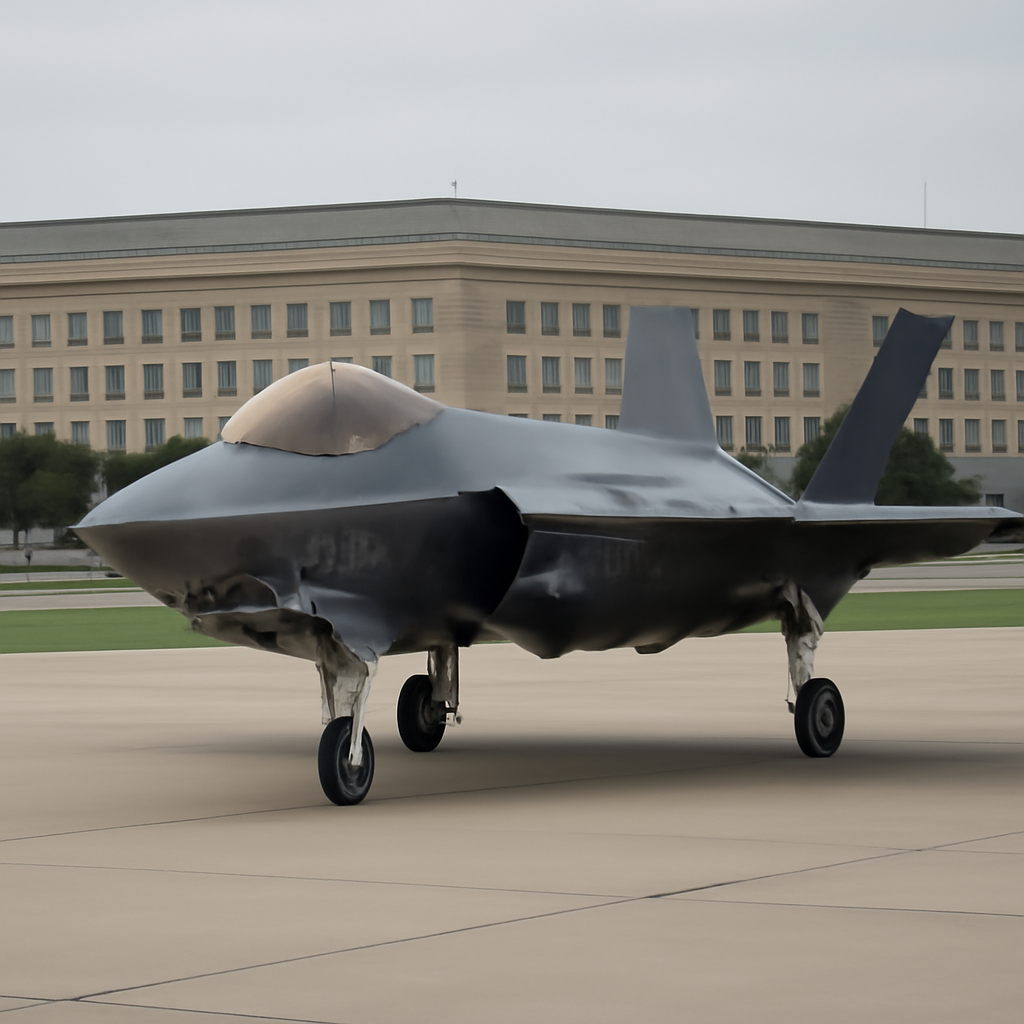
The Pentagon just revised its estimate of the F-35's lifecycle costs down to $1.93 trillion, a significant drop from the previously reported $2 trillion price tag. This updated figure includes all development, procurement, operating, and sustainment costs over the jet's expected service life.

EDGE Group is teaming up with the Brazilian army to launch a groundbreaking Cyber Defense Centre of Excellence, positioning Brazil as a leader in Latin American cyber excellence. This strategic partnership combines cutting-edge tech, expertise, and knowledge to bolster Brazil's cyber defenses.
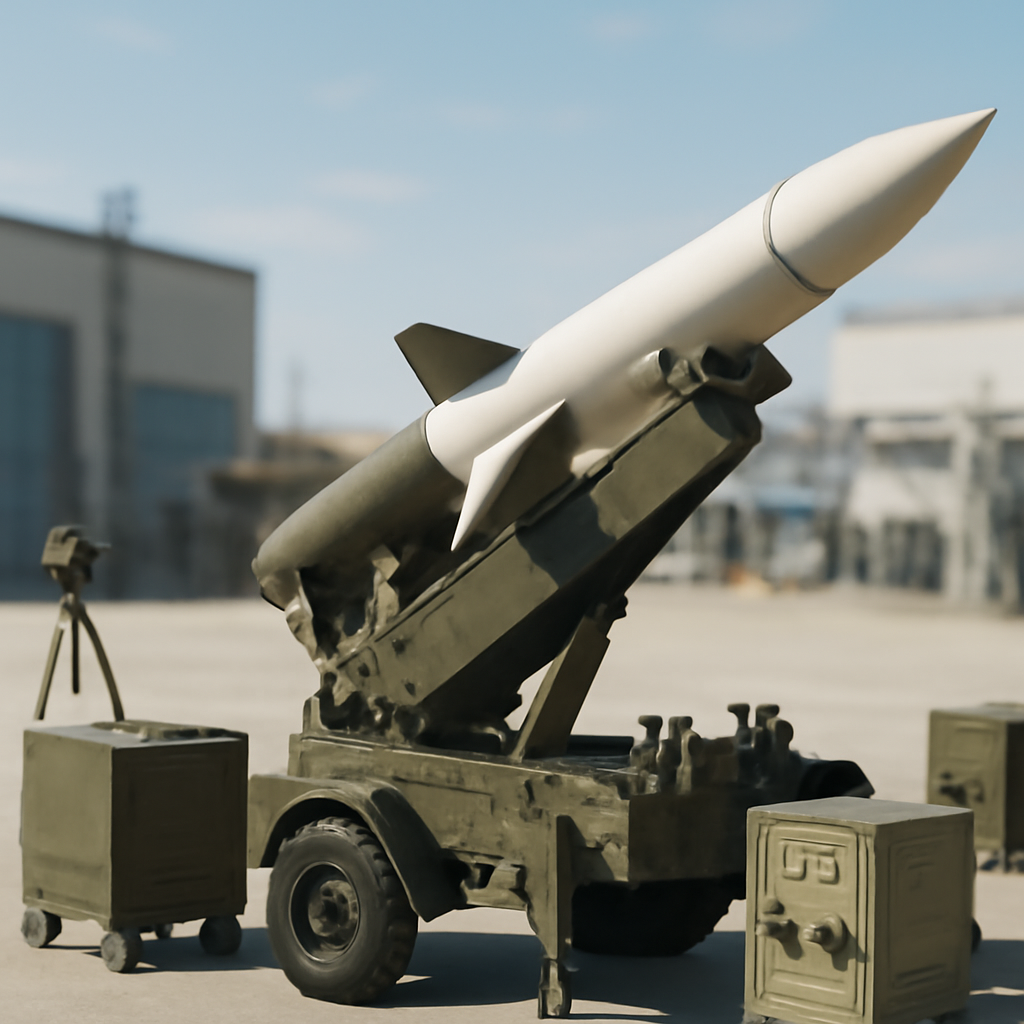
The US Army is on the hunt for a game-changing Stinger Missile Replacement, with plans to purchase 11,000 new interceptors and 2,200 portable launchers by 2028. They're now seeking innovative solutions, with a demonstration planned for Spring 2027 that could lead to a major procurement award.
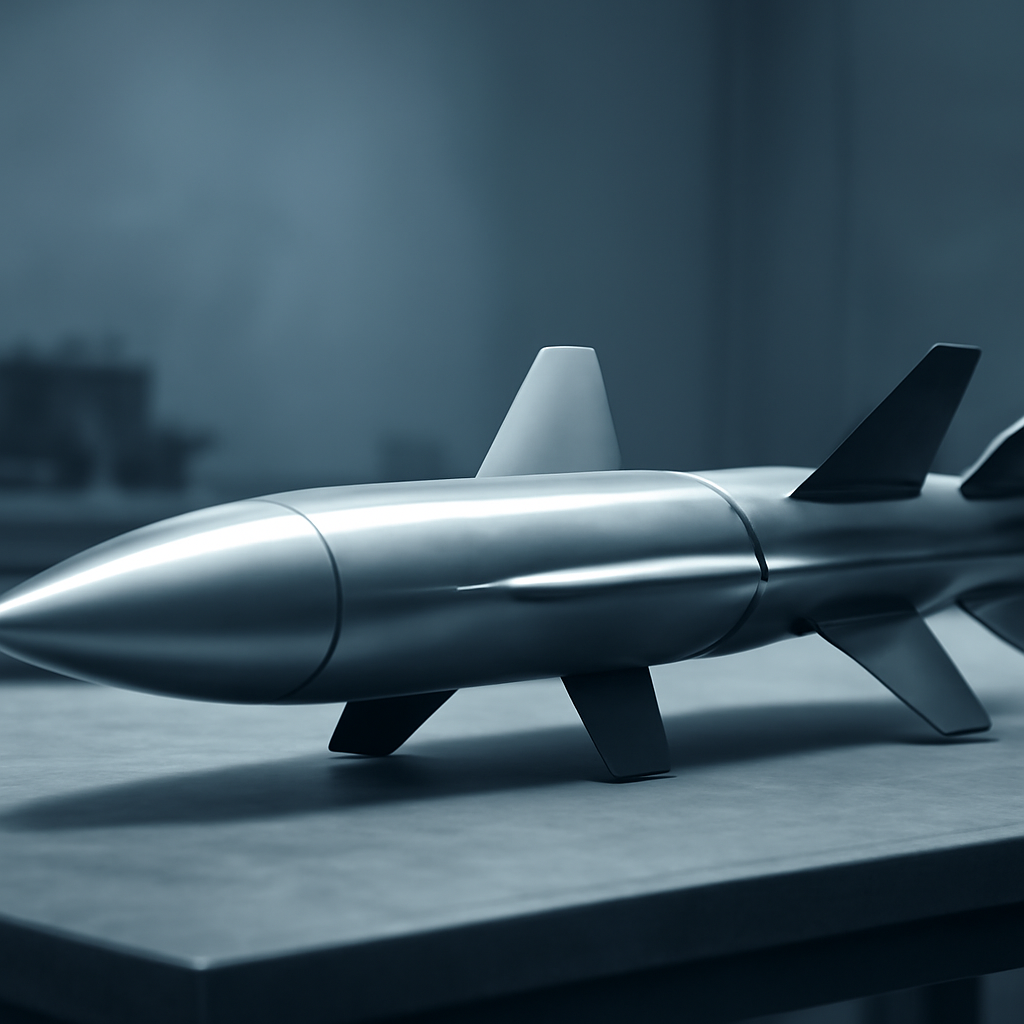
Europe is racing to upgrade its air missile arsenal to counter emerging threats, driven by recent military showdowns like the tense exchanges between Pakistan and India. France's Comet program, led by MBDA, is at the forefront, promising a next-gen missile with greater range and speed by 2030.

The Air Force is revolutionizing its command and control communications, ditching its old model of bulky, 10-pallet comms packages that required 40-person teams to deploy, and embracing a leaner, more agile approach. Brig. Gen. Jeffrey Phillips, deputy chief of staff for warfighter communications and cyber systems, is spearheading the change.
Evidence in spreadsheets, controls drifting between audits, frameworks multiplying on flat headcount. Nubivance runs continuous compliance on Rapid7 Cyber GRC - SOC 2, HIPAA, ISO 27001, PCI, CMMC.
End the scramble
Russia just took a significant leap in its military capabilities, deploying upgraded Iskander missiles with a staggering 550km range, capable of striking targets with unprecedented precision. This game-changing move has dramatically shifted the battlefield dynamics between Russia and Ukraine.

The US Army is ramping up its air-defense game by embracing a diverse range of interceptors to stay ahead of evolving missile threats. Lt. Gen. John Rafferty reveals why a varied arsenal is key to countering growing drone and missile attacks in today's conflict zones.
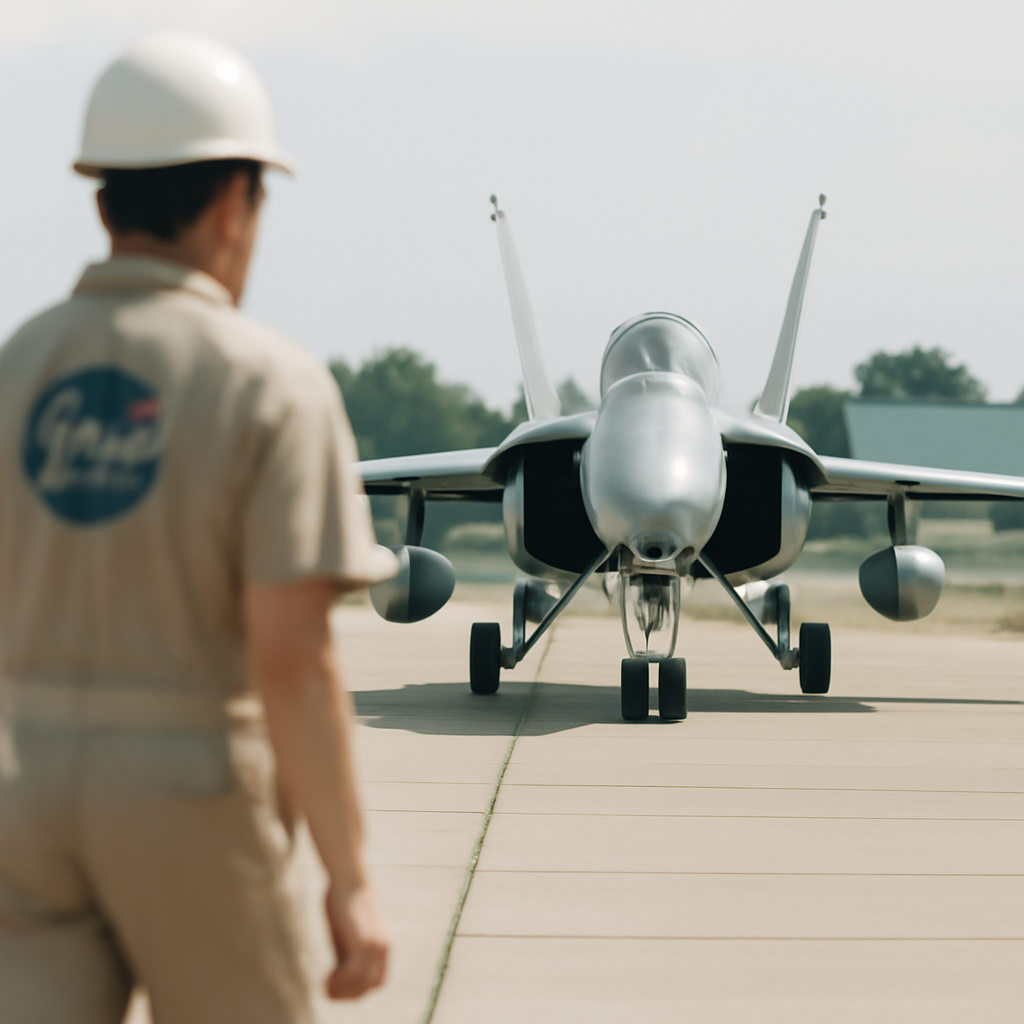
NASA is on the hunt for a high-performance jet to replace its aging T-38 Talons, which have been a trusty sidekick for astronaut training since the 1960s. The space agency is seeking industry insights on modern jet trainers that can meet its spaceflight readiness training needs.

The Army is fast-tracking its Terrestrial Layer System‑Echelons Above Brigade (TLS‑EAB) - a long-range ground jammer program - into production by 2027, after pivoting from its original plan to meet rapidly evolving operational demands. This move comes after over five years of development and testing.
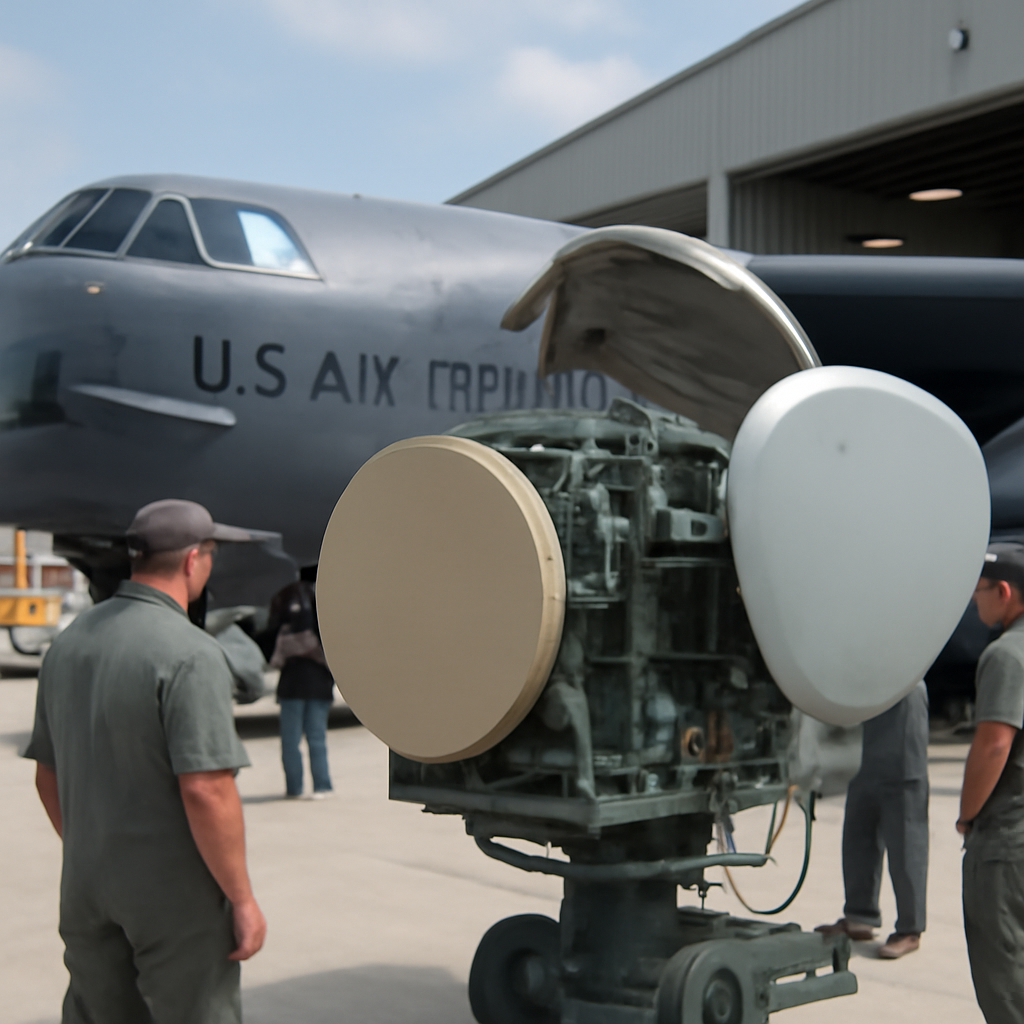
The US Air Force just took a major step forward with its $2.9 billion B-52 Radar Modernization program, awarding two new contracts worth $766 million to RTX/Raytheon and Boeing to upgrade the bombers' radar systems and bomb rack equipment. This move comes despite a Government Accountability Office report warning that the program may deliver less capability at a higher cost.

NATO's speedy adoption of the Maven Smart System - a cutting-edge AI-enabled decision-support tool - sets a powerful precedent for Indo-Pacific allies, showcasing how quickly innovative tech can be deployed to drive significant benefits, including $6 million in annual savings. This landmark acquisition, completed in just six months, paves the way for faster and more effective tech integration in the region.
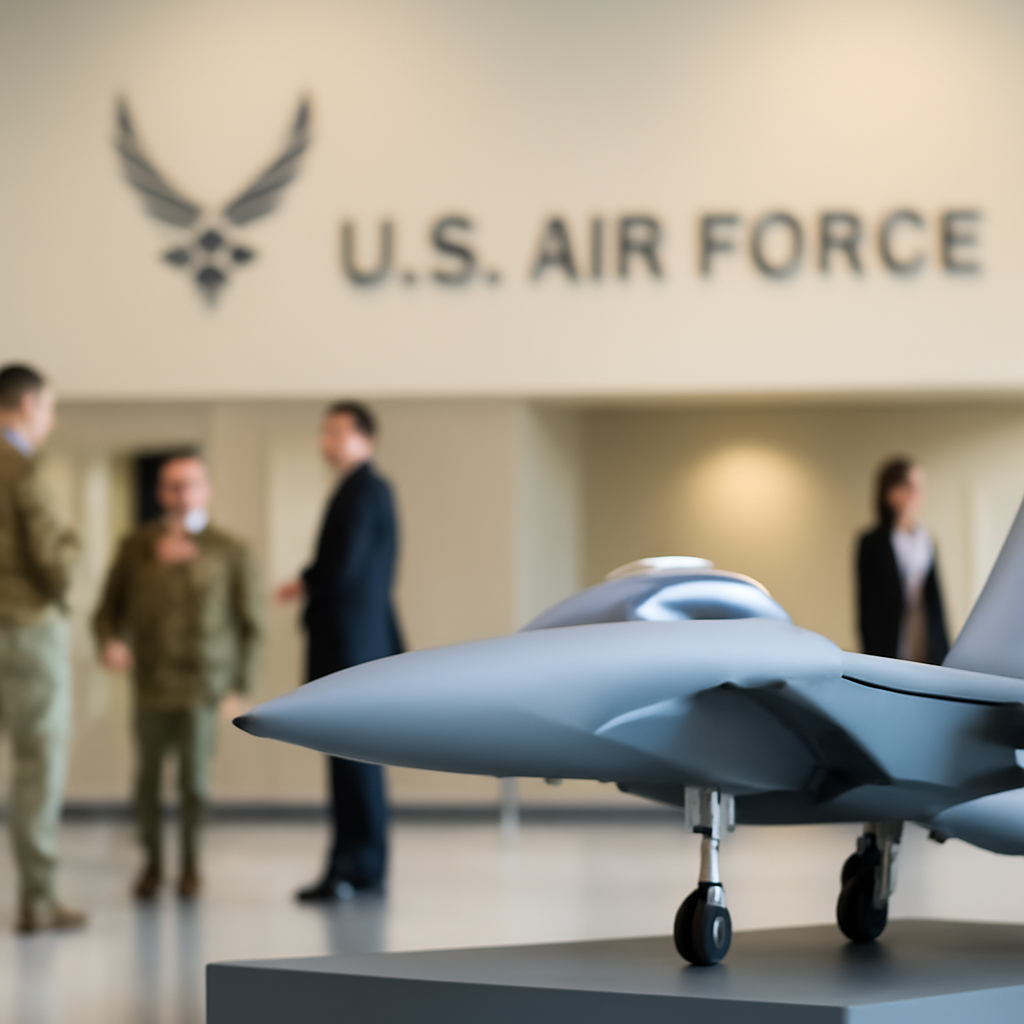
The US Air Force has awarded Boeing a whopping $131.2 billion contract to support the F-15 family through production, upgrades, and sustainment, a deal that will run through August 2037. This massive Eagle Crest contract is set to streamline future F-15 requirements and accelerate delivery of critical capabilities to the warfighter.
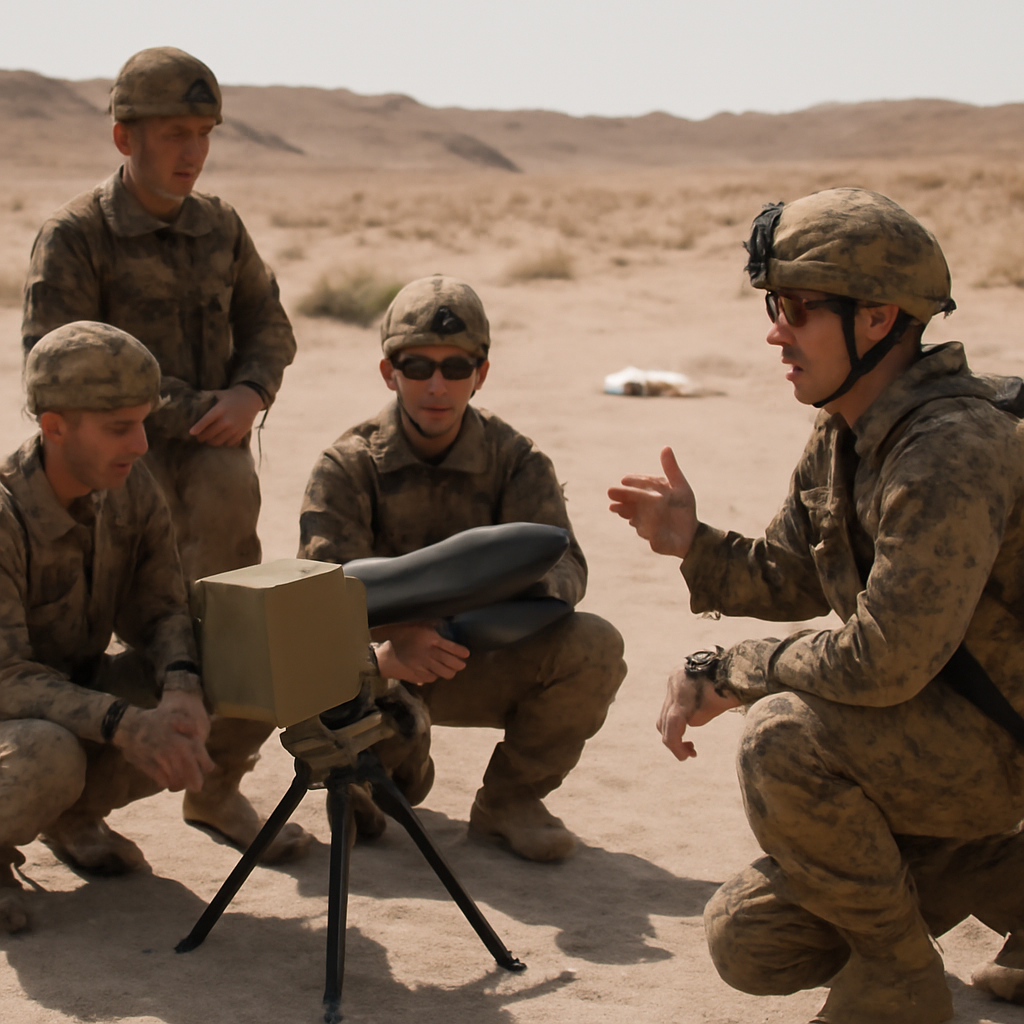
The US Marine Corps is tackling the growing drone threat by arming its smallest units with countermeasures, filling a critical gap in its defense capabilities. This move is part of a new doctrine, GCE 2040, which reimagines ground combat in a world where drones, sensors, and AI are increasingly prevalent.