"NASA JSC is conducting market research to obtain industry information regarding availability, capability, schedule, sustainment models, and cost efficacy for modern high-performance jet aircraft that could be used in evaluation and an evaluation program for supporting NASA’s astronaut SFRT [Spaceflight Readiness Training] requirements," the contracting notice from Johnson Space Center states.
Why Johnson Space Center has opened the hunt
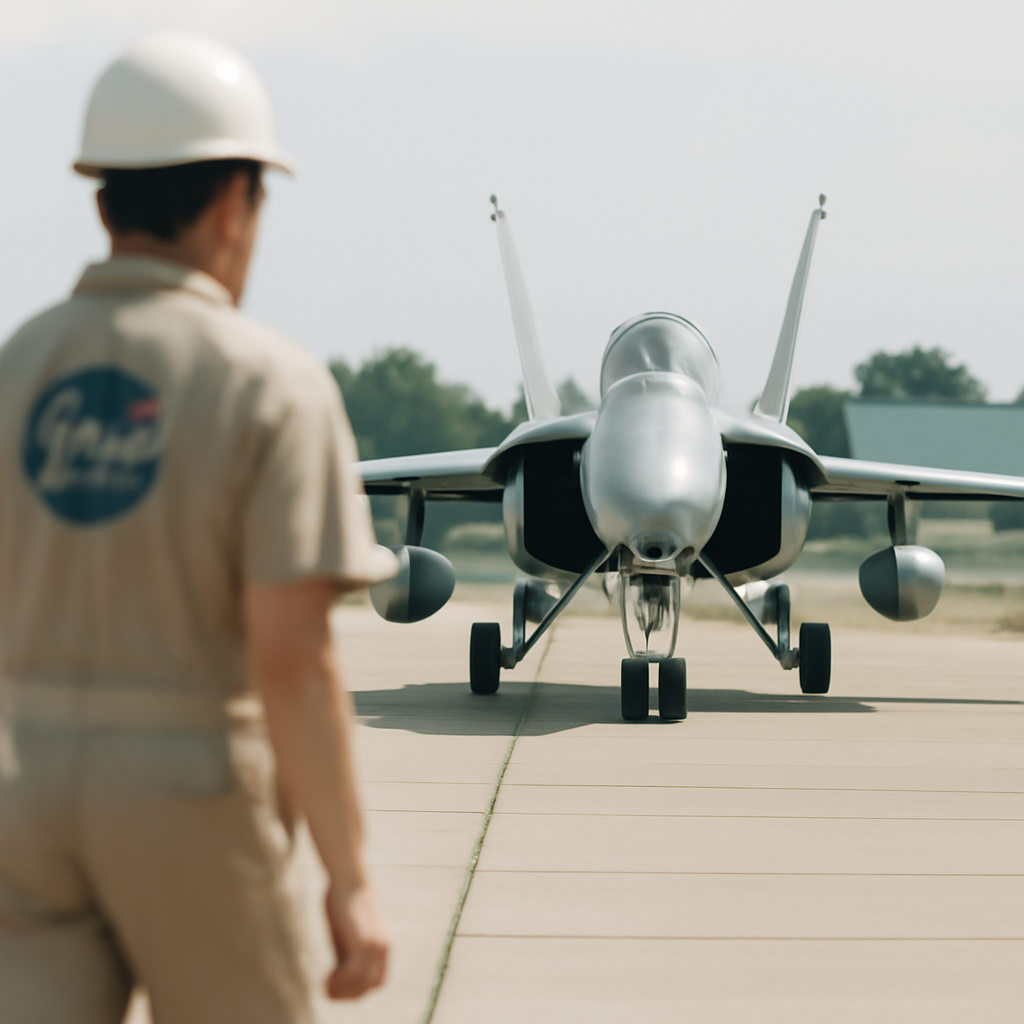
NASA has relied on the Northrop T‑38 Talon family since the 1960s to support astronaut training and to serve as chase planes. The agency’s T‑38N variant — a NASA‑specific configuration derived from the original T‑38A that first entered Air Force service in 1961 — faces growing sustainment challenges as part of an aging fleet. According to the Federal Aviation Administration’s online database, NASA currently has 25 Talons in its inventory.
What the JSC contracting notice asks industry to provide
The Johnson Space Center’s notice seeks information on “existing, production, or near‑production high‑performance jet aircraft capable of supporting SFRT.” It explicitly does not limit responses to a particular performance class or design heritage and requests detail on availability, capability, schedule, sustainment models, and cost efficacy.
NASA supplied a short list of desired characteristics, which the notice frames as guidance for industry responses:
- High reliability with established maintenance documentation
- Self‑starting engine capability
- Performance comparable to a modern jet trainer/light fighter aircraft
- Capability to support dynamic maneuvering, formation flying, and cross‑country navigation
- Dual‑seat, dual‑control configuration (tandem or side‑by‑side)
- Modern avionics compatible with instrument flight operations
- Aircraft capable of being single‑pilot qualified from either seat is highly desired

Audit-ready is a season. It shouldn't be.
Evidence in spreadsheets, controls drifting between audits, frameworks multiplying on flat headcount. Nubivance runs continuous compliance on Rapid7 Cyber GRC - SOC 2, HIPAA, ISO 27001, PCI, CMMC.
End the scrambleAn evaluation, not an immediate fleet buy
NASA is clear that the near‑term goal is a limited, small‑scale evaluation program rather than a full fleet replacement. The notice says NASA “seeks to conduct a limited‑scope evaluation program using a small number of modern aircraft” to assess compatibility, logistics, cost efficacy, and training impact. The agency anticipates evaluating a small number of aircraft over a multi‑year period and requests information on procurement options such as lease, lease‑to‑own, barter, or other arrangements due to limited upfront procurement funding.
Operationally, NASA expects to be solely responsible for flight operations, while maintenance would be the responsibility of contractors whether the aircraft are government‑owned or not. The notice also states NASA is open to operating the aircraft under “reasonable flight hour limits, maneuver restrictions, or operational envelopes consistent with contractor recommendations.”
The looming influence of the USAF T‑7A program and other trainer options
The Air Force’s plan to retire its T‑38 fleet in the 2030–2035 timeframe is a central driver for NASA’s move to explore successors. The Air Force is replacing its T‑38s with the Boeing T‑7A Red Hawk program, but that program has experienced delays: the service’s original goal for initial operational capability was October of last year, it is now targeting August 2027 for IOC, and a full‑rate production decision is not expected until January 2029.
Given those delays, the notice points out that NASA acquiring T‑7s before the Air Force is questionable. The contracting notice leaves room for a wide range of alternatives. The market includes legacy trainers such as Korea Aerospace Industries’ T‑50 family (a supersonic trainer that has previously been offered on the U.S. market) and various privately operated jet trainers used by companies that provide flight training and “red air” aggressor services.
How the Johnson Space Center, the U.S. Air Force, and commercial providers are likely to respond
Johnson Space Center will use the market research to weigh procurement models, operational envelopes, and sustainment tradeoffs as it plans a small evaluation program rather than an immediate fleet purchase. The U.S. Air Force’s T‑7A acquisition timeline and production priorities will constrain the availability of that platform to other operators while the service completes its own transition. Commercial providers — including firms that operate demilitarized fighters and jet trainers — may see an opening to offer lease, lease‑to‑own, or contractor‑owned sustained‑operations models, particularly given NASA’s stated interest in limited upfront funding arrangements.
The contracting notice is a formal start to a long path. NASA is preserving maneuverability, formation capability, and instrument flight compatibility as essential attributes for any successor, while keeping its options open on acquisition and operating models. Whether NASA will end up partnering with the military, leasing aircraft from private firms, or selecting a new production trainer will be settled only after the multi‑year evaluation the notice describes — a process that will run in parallel with the Air Force’s own slow march toward the T‑7A.