"This is a program that was started over five years ago, and we went down a path where we were trying to get after very specific requirements and realized that the operational environment is changing rapidly and those requirements were no longer the requirements we needed," Mark Saxon, deputy project manager for Electromagnetic Warfare & Collection, said at the TechNet Augusta conference.
Terrestrial Layer System‑Echelons Above Brigade (TLS‑EAB) moves toward fiscal‑2027 production
The Army plans to shift the long‑range ground jammer program, known as Terrestrial Layer System‑Echelons Above Brigade (TLS‑EAB), into production in fiscal year 2027, service officials told attendees at TechNet Augusta. The decision follows more than five years of development and a multi‑stage effort that included concept and prototype contracts awarded years earlier.
From rigid requirements to a commercial‑first, modular approach for TLS‑EW
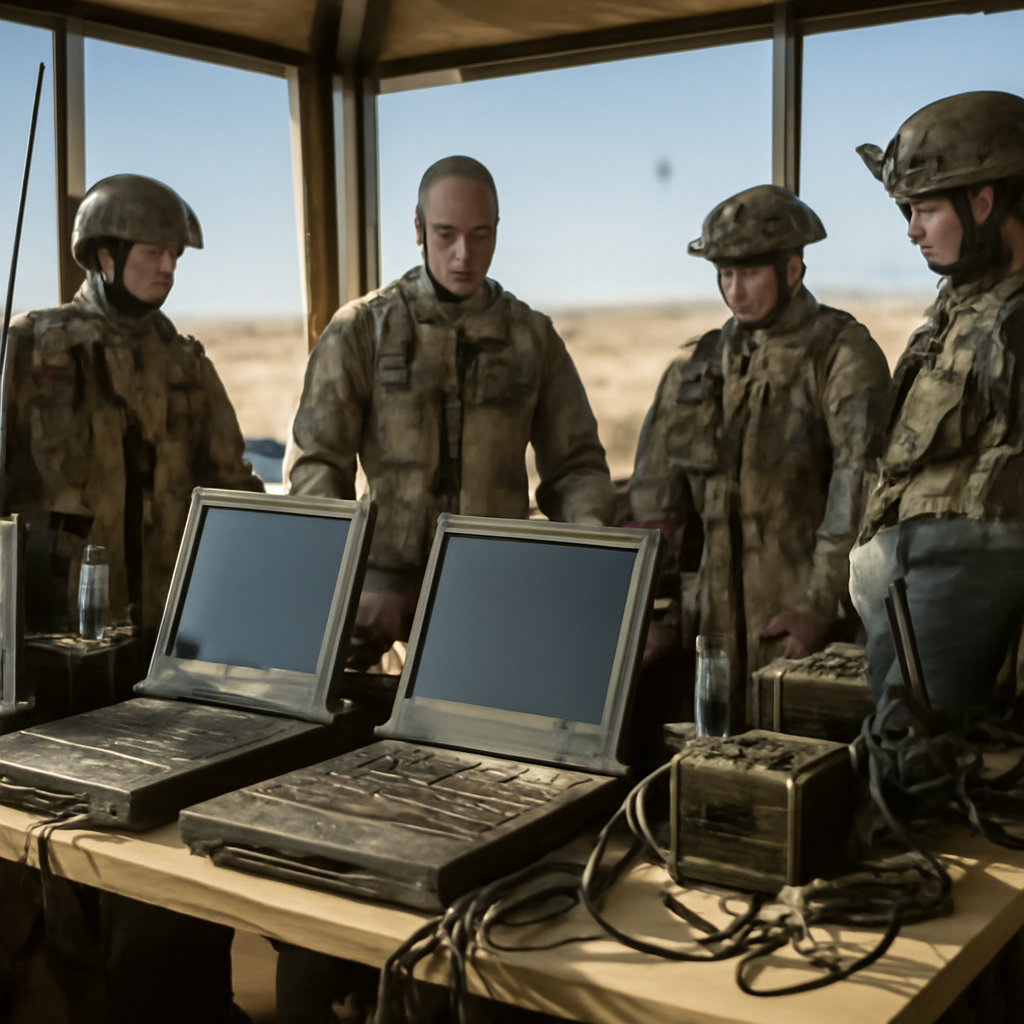
Saxon described a deliberate pivot away from hardline requirements toward a commercial‑first mentality. The terrestrial layer’s electronic warfare variant, TLS‑EW, was redesigned to fit into a portable box that can be loaded onto different platforms rather than being permanently integrated into specific vehicles. Saxon said that the program "shifted our whole mentality and went after commercial first," a change validated by prototype performance at Project Convergence and in operations with the 25th Infantry Division in the Pacific.

Audit-ready is a season. It shouldn't be.
Evidence in spreadsheets, controls drifting between audits, frameworks multiplying on flat headcount. Nubivance runs continuous compliance on Rapid7 Cyber GRC - SOC 2, HIPAA, ISO 27001, PCI, CMMC.
End the scrambleSplit into signals intelligence and electronic warfare variants; vehicle and sheltered prototypes continue
What began around 2020 as a combined signals intelligence (SIGINT) and electronic warfare (EW) capability for higher echelons evolved into a more tailored approach by 2023. The Army split TLS‑EAB into separate SIGINT and EW variants, and both variants are slated for procurement in 2027. While TLS‑EW in its portable, box form is a primary near‑term configuration, additional versions intended for sheltered or vehicle‑based platforms — including Humvees and Joint Light Tactical Vehicles — remain in prototype stages.
Airborne EW pivot: from MFEW‑AL to LRAEW, appendices, and multi‑platform thinking
On the aerial side, Army leaders moved in 2025 away from a single main platform, Multi‑Function Electronic Warfare Air Large (MFEW‑AL), toward multiple approaches. Col. John Harrell, director of the EW directorate in Army Futures and Concepts Command, framed the problem bluntly: "When you talk about airborne EW, are we just talking payloads? So are we just buying payloads and then we’re slapping them onto a UAS? Well, there is your problem, right?"
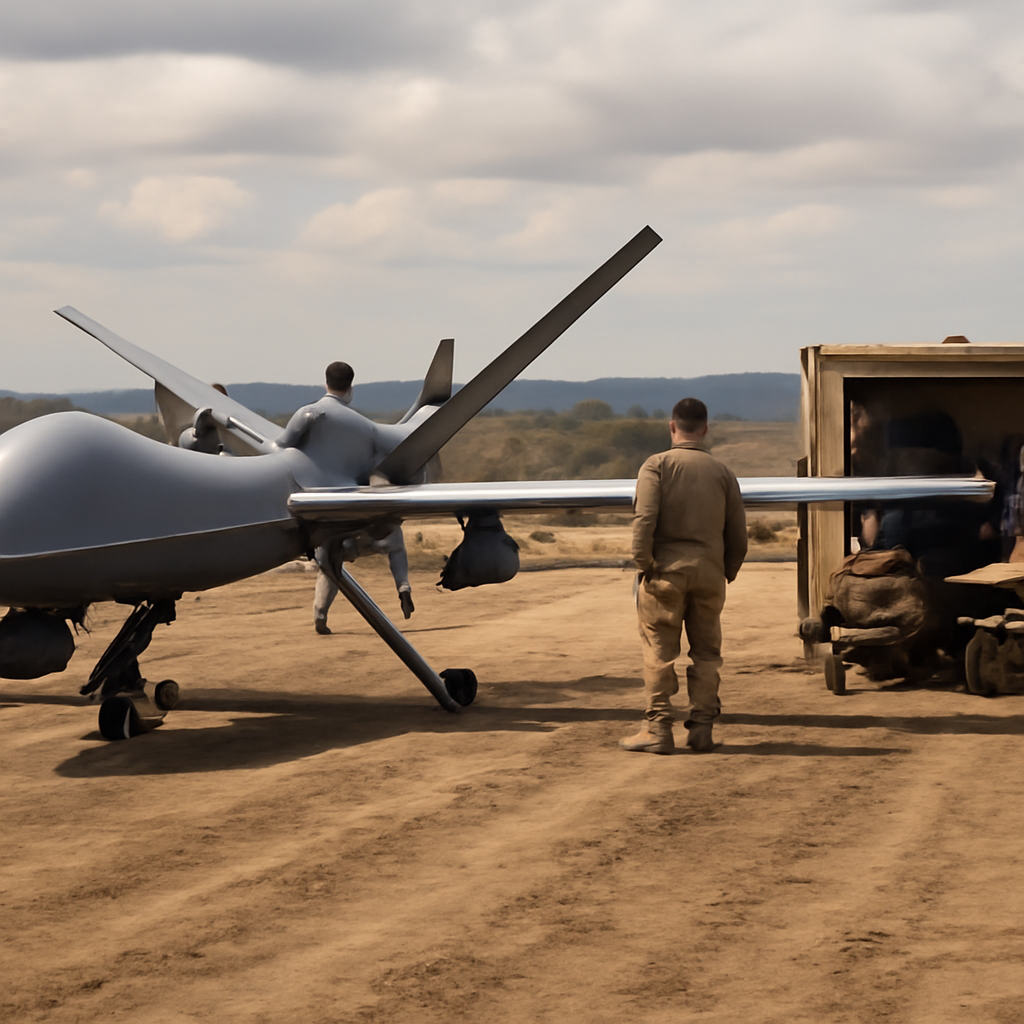
The service is completing an airborne electronic warfare appendix to existing documentation in the "next couple of months," officials said, informed by assets that participated with 4th Infantry Division at Project Convergence. One follow‑on is the Long‑Range Airborne Electronic Warfare (LRAEW) platform, described by a Capability Program Executive for Intelligence and Spectrum Warfare spokesperson as a commercial, modular, platform‑agnostic solution that will provide EW situational awareness and non‑kinetic capabilities. The spokesperson noted LRAEW "will be housed on the Gray Eagle in the near term," and Saxon said three LRAEW systems will be delivered in the first quarter of 2027 to XVIII Airborne Corps.
What this means for XVIII Airborne Corps, 25th Infantry Division, and Army commanders and EW troops
- XVIII Airborne Corps: Will be an early fielding recipient — three LRAEW systems are scheduled for delivery in Q1 2027 — meaning airborne EW situational awareness and non‑kinetic tools will be introduced into its formations on a near‑term schedule.
- 25th Infantry Division and Pacific units: Prototype success with TLS and related capabilities in the Pacific informed the commercial‑first, modular shift and validated that portable TLS‑EW designs can support theater operations at distance.
- Army commanders and EW troops: The broader, echeloned use of EW at Project Convergence showed "units had EW capabilities at different echelons of the command and control chain," enabling collection, signature monitoring and high‑value target finding. Leaders say expanded gear will help commanders treat EW as "an actual key terrain feature that they can actually maneuver through, use, utilize, fight, and win with."
The Army’s path from a tightly specified, vehicle‑integrated jammer to commercial, modular boxes and multiple airborne approaches reflects a programmatic response to a rapidly changing operational environment. Key near‑term markers are clear: procurement of both TLS‑EAB variants in 2027, delivery of three LRAEW systems to XVIII Airborne Corps in Q1 2027, and completion of an airborne EW appendix in the coming months. At the same time, additional sheltered and vehicle‑based prototypes continue to be developed, and the service has broadened its airborne EW concept beyond a single platform.
One practical question the record leaves: which of the ongoing vehicle and sheltered prototypes will be selected for wider fielding as TLS‑EW moves into production. For now, the Army has locked in a production year and signaled a shift in acquisition philosophy; the specific platform mix and fuller force structure implications will follow as those procurements and prototype evaluations proceed.