Tag: us army
94 articles
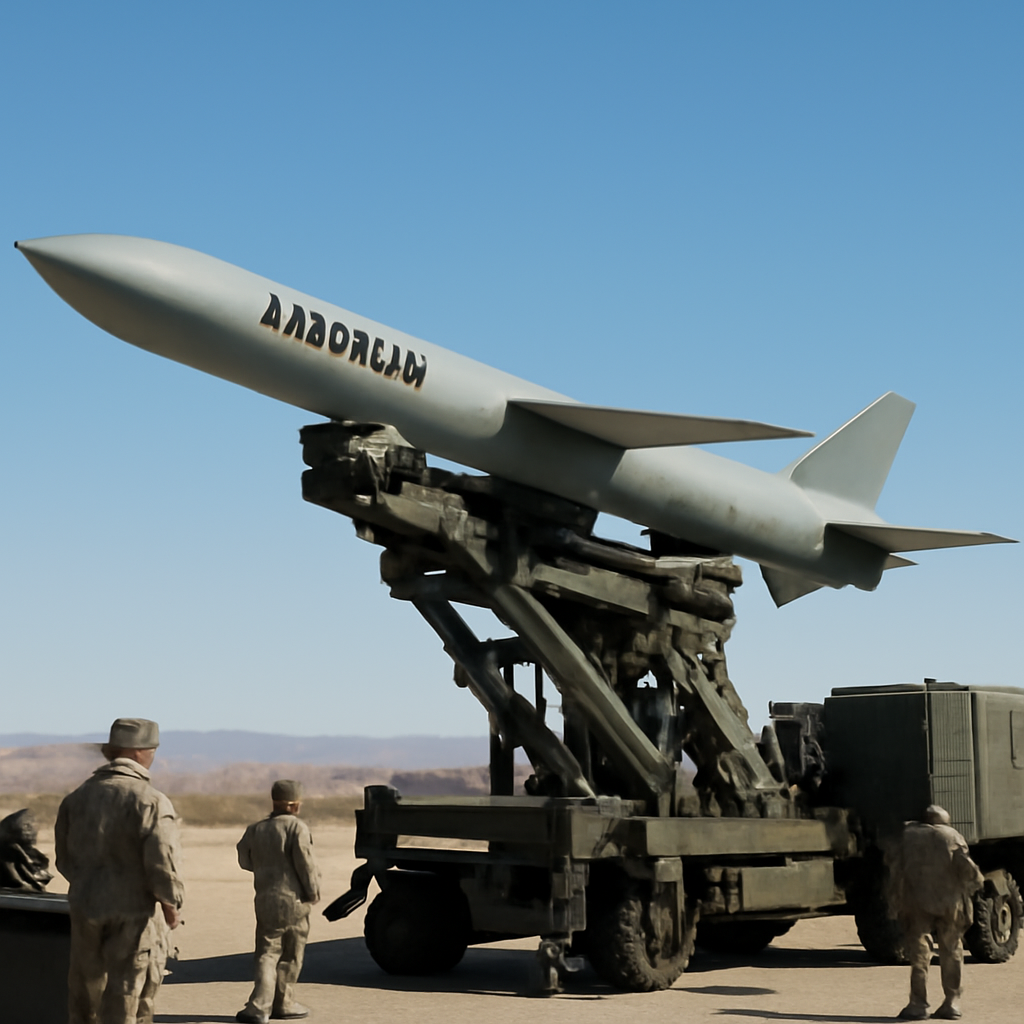
US Army Tests Covenant's Anthem Long-Range Strike Weapon
Meet Anthem, a game-changing long-range strike weapon designed to shake up the battlefield: Covenant's innovative, lower-cost missile is poised to revolutionize precision strikes with its heavy-hitting 200kg warhead and versatile propulsion system. Developed with the China fight in mind, Anthem is set to become a high-volume, go-to solution for military forces.

US Army Unveils Biodefense Strategy to Counter Pandemic, Adversary Threats
The US Army is bolstering its defenses against pandemic and biological threats with a new strategy that ensures global health events won't hinder its operations. By 2035, the Army aims to implement five key initiatives, starting with building a team of expert scientists, medical professionals, and operators to tackle biodefense challenges.
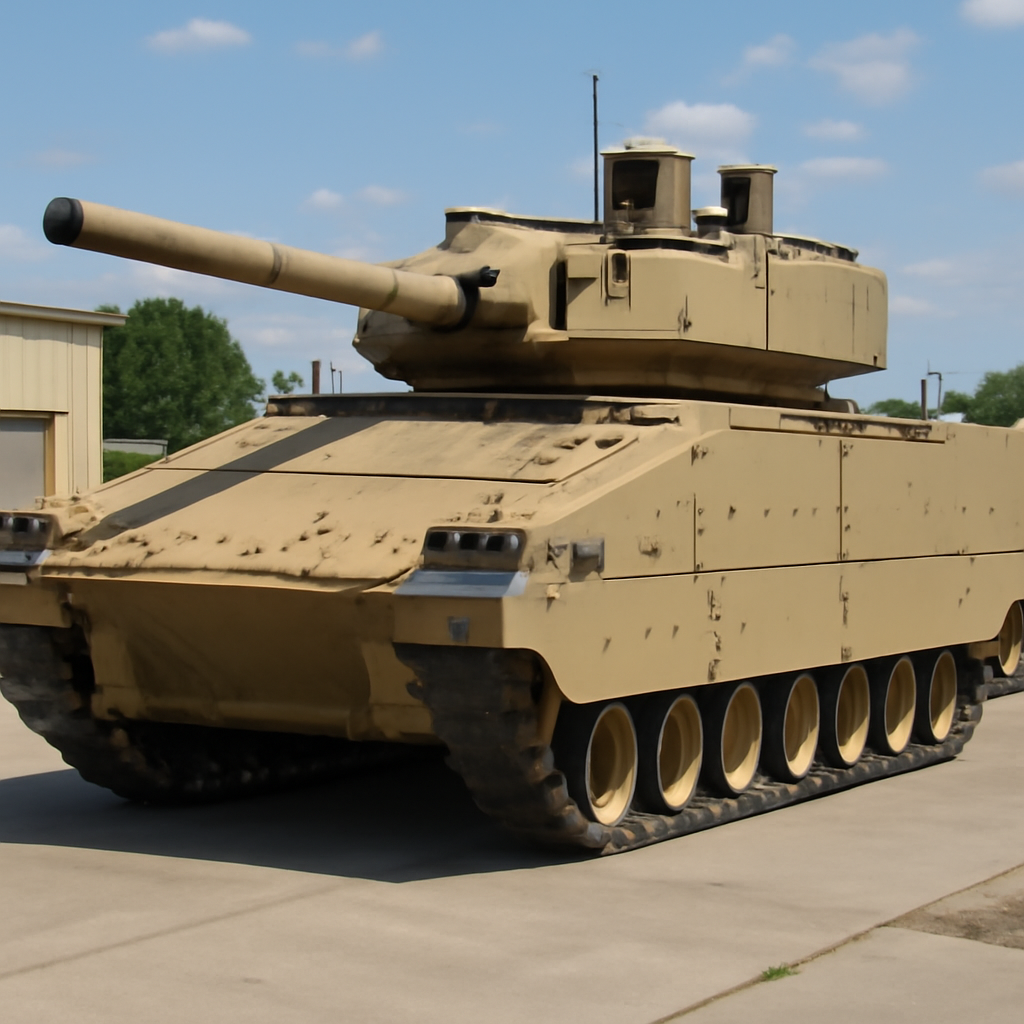
US Army Receives Competing XM30 Vehicle Prototypes
American Rheinmetall has delivered the first prototype of its Lynx-based XM30 Combat Vehicle to the US Army, marking a major milestone in the program. The company will supply a total of eight prototypes for testing, showcasing its innovative design featuring hybrid-electric propulsion and advanced combat capabilities.

Army Taps Georgia Tech to Lead CAML Launcher Integration
The Army has awarded Georgia Tech Research Institute up to $33.4 million to lead the integration of its Common Autonomous Multidomain Launcher (CAML) prototype program, a key move to deliver cutting-edge Fires capabilities to Soldiers. As the lead integrator, GTRI will drive the program forward with systems engineering, interface integration, and testing expertise.
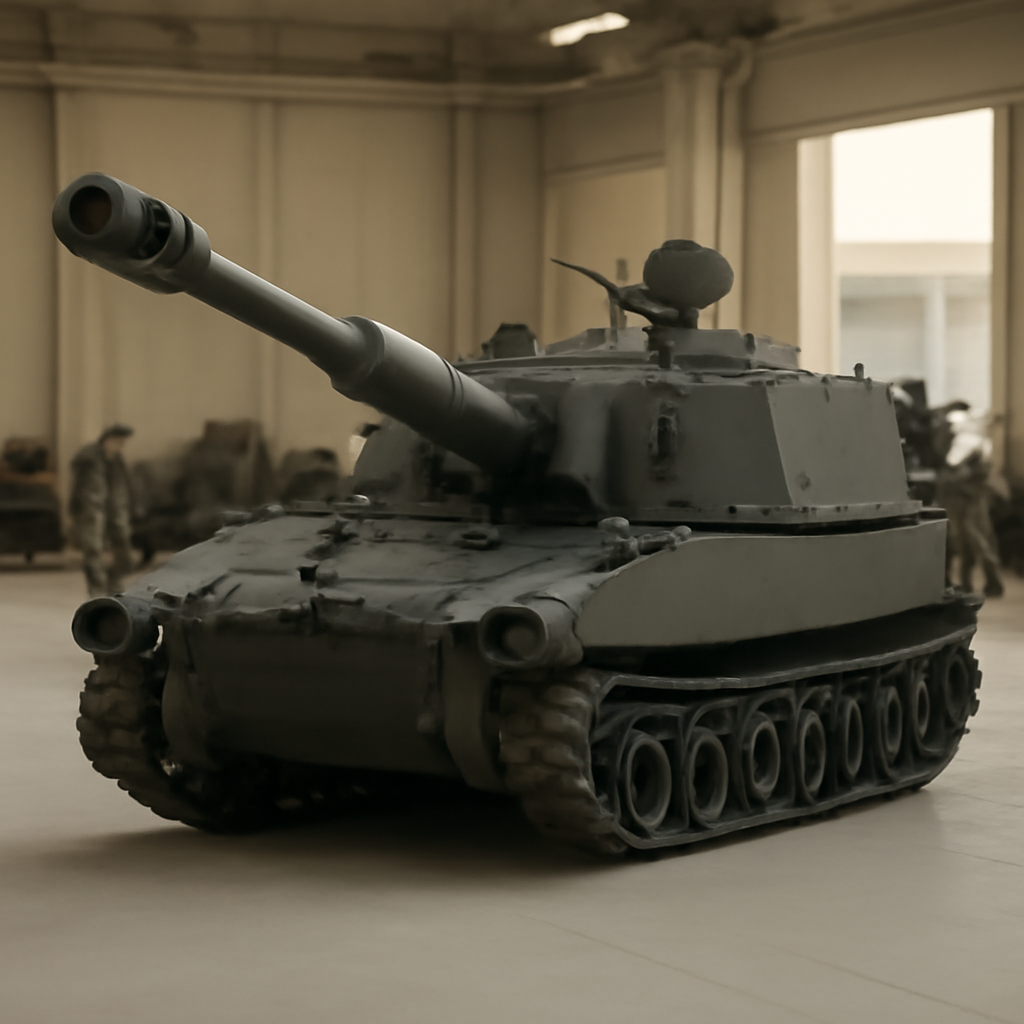
Army Seeks Tracked Howitzer Options Amid Wheeled Variant Deal
The US Army is exploring new options for a tracked self-propelled howitzer, issuing a request for information to gather ideas for a 155mm howitzer that can operate within armored formations. This move is a separate effort from the recent deal for a wheeled variant, signaling a renewed interest in tracked artillery capabilities.
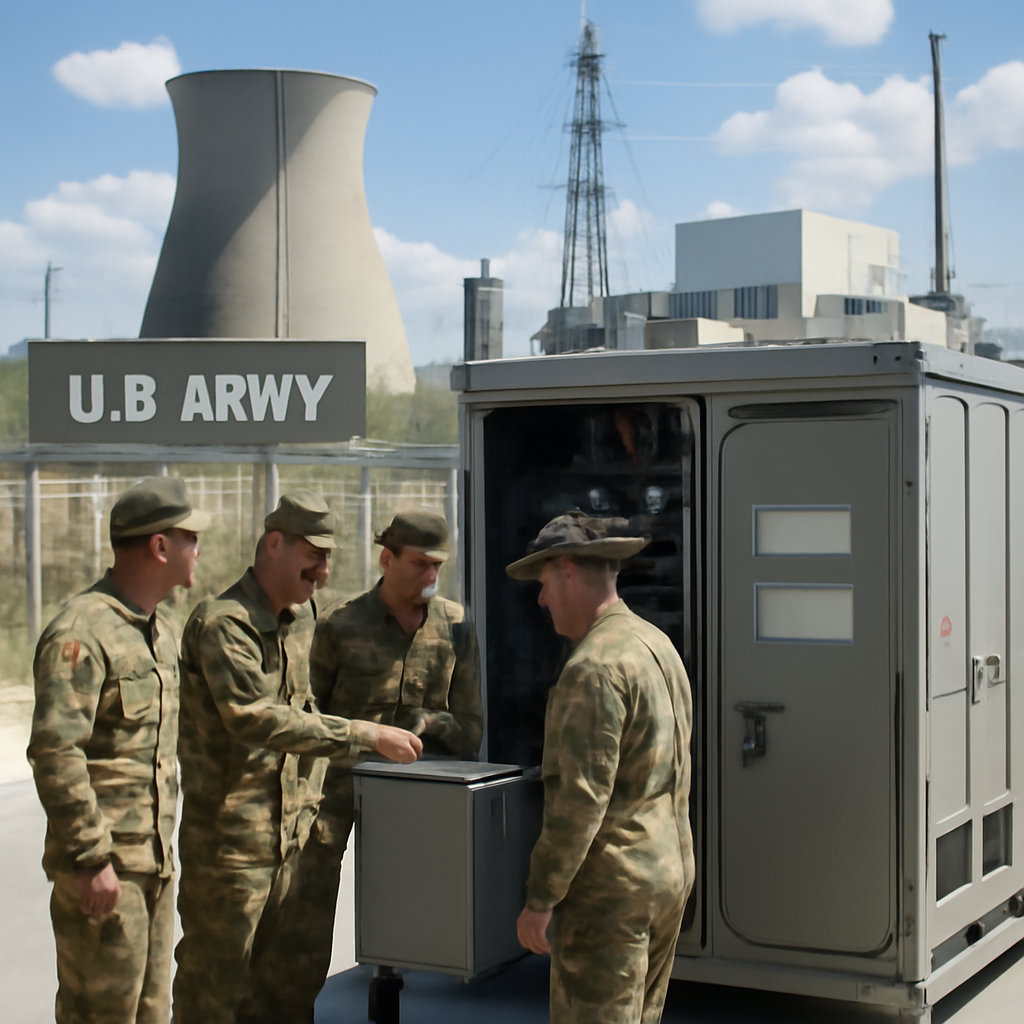
US Army Grapples with Nuclear Microreactor Waste, Fuel, and Safety Concerns
The US Army is investing $2.2 billion in its Janus program to develop 20 prototype nuclear microreactors, aiming to reduce reliance on the vulnerable domestic electric grid and mitigate risks in remote operations. The first prototype is set to be operational by fall 2028.
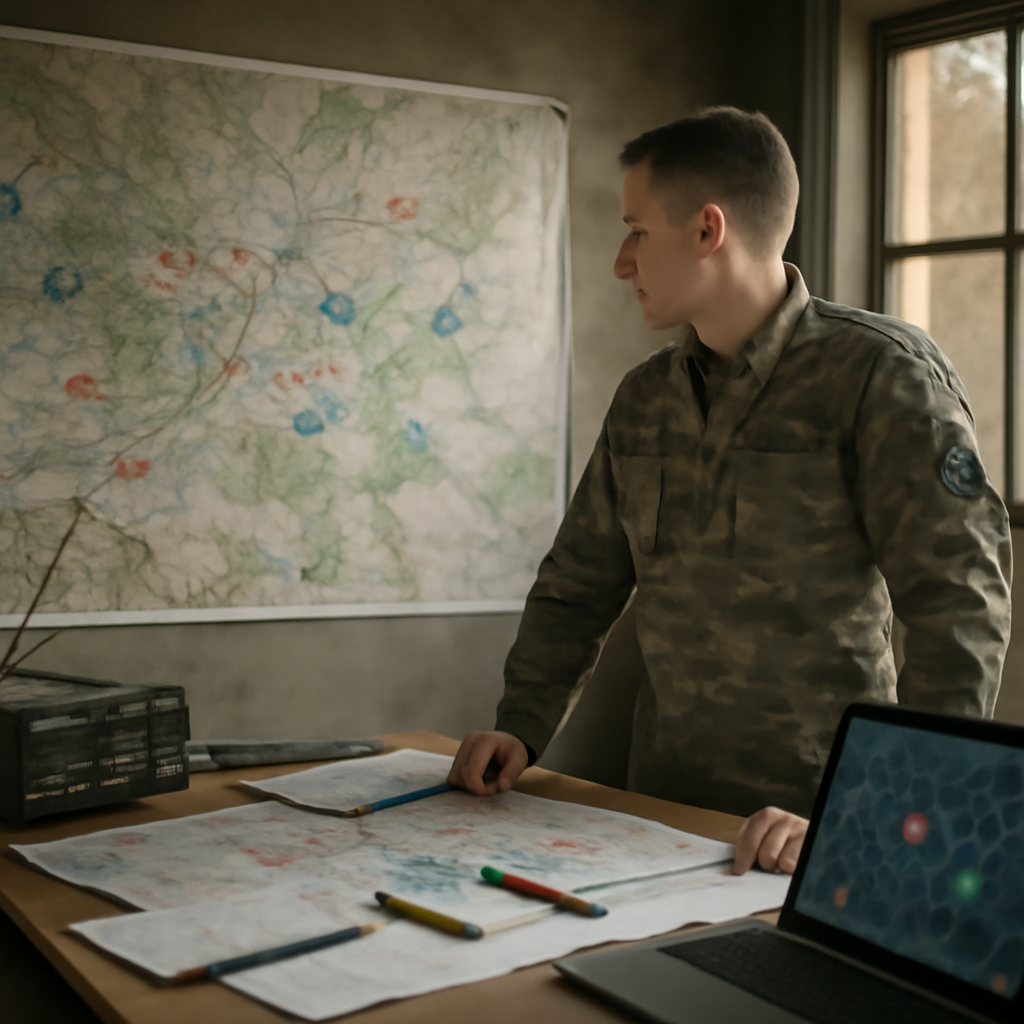
US Army Must Optimize for Adaptability
The US Army needs to shift its focus from predicting the future to adapting to the unexpected, because the next crisis will likely arrive with little warning. By optimizing for uncertainty, the Army can respond effectively to surprise attacks and rapidly evolving situations.

Army Taps Diverse Interceptors to Counter Evolving Missile Threats
The US Army is ramping up its air-defense game by embracing a diverse range of interceptors to stay ahead of evolving missile threats. Lt. Gen. John Rafferty reveals why a varied arsenal is key to countering growing drone and missile attacks in today's conflict zones.

Pentagon Pushes for LaNeve Confirmation Amid Senate Hesitation
The Pentagon is ramping up efforts to confirm General Christopher LaNeve as the Army's Chief of Staff, with Defense Secretary Pete Hegseth praising LaNeve as exactly the leader the US Army needs. The department is working closely with Senate partners to find the perfect moment to submit LaNeve's nomination.
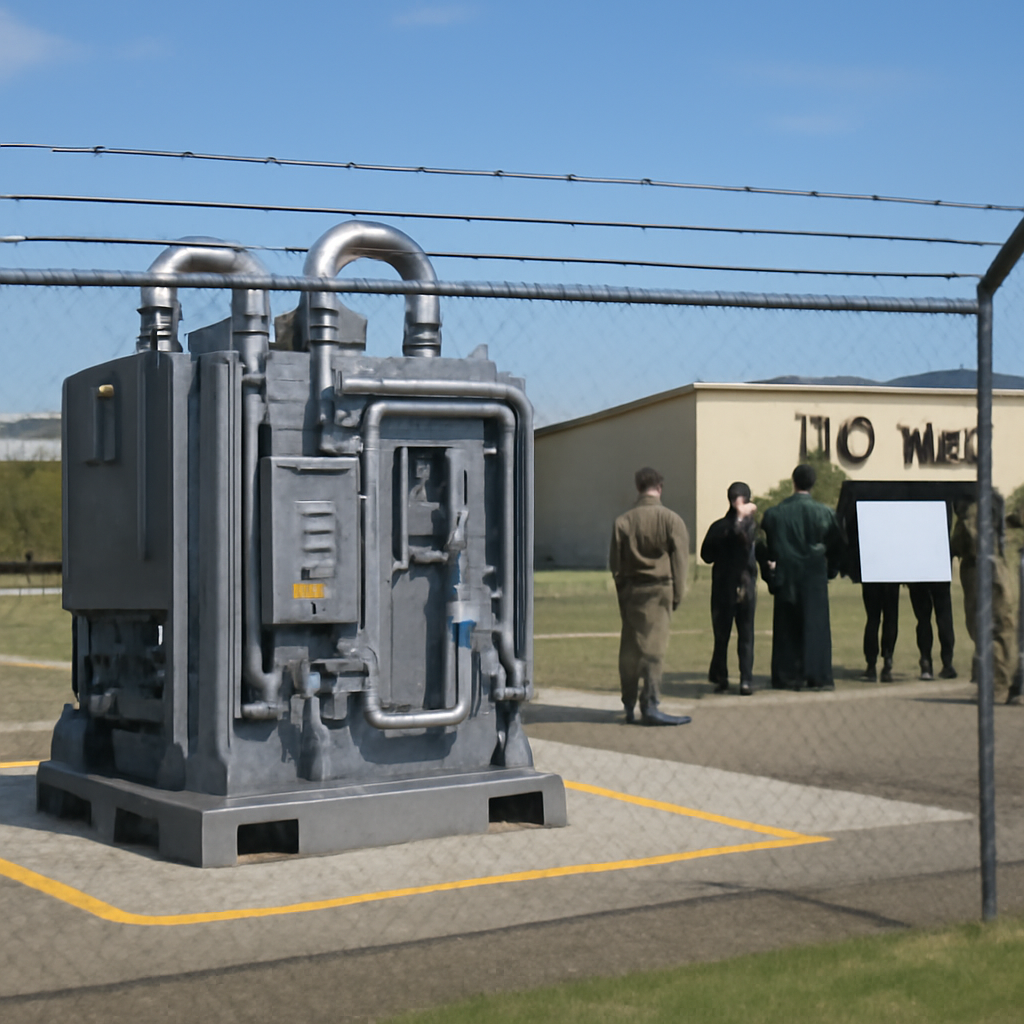
US Army Awards $2.2 Billion for Nuclear Microreactor Prototypes
The US Army is investing $2.2 billion in nuclear microreactor prototypes to boost energy resilience, with five companies selected to develop the technology under the Janus program. This move aims to secure a reliable energy supply for key installations, especially in conflict zones where traditional fossil fuels may be hard to transport.
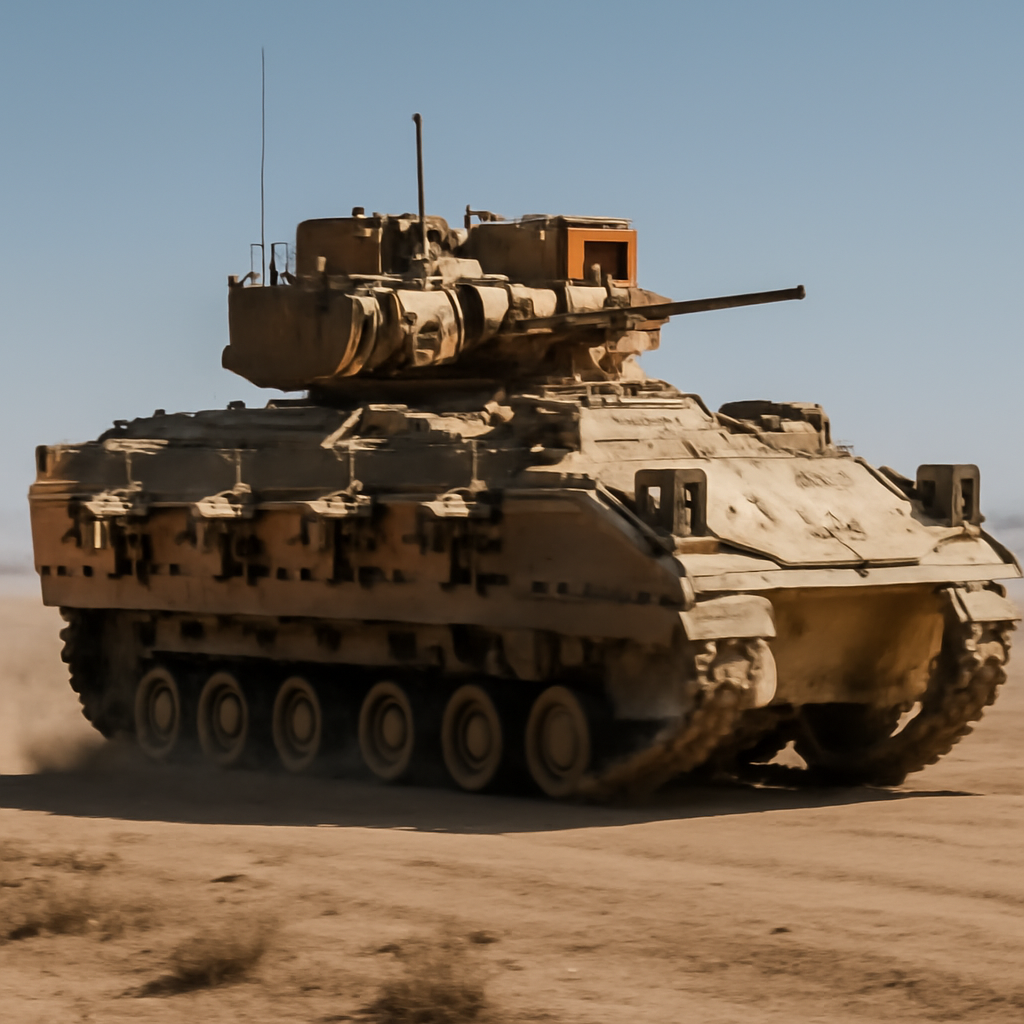
US Army Deploys Swarming Ground Drones from Bradley Fighting Vehicle
Imagine a Bradley Fighting Vehicle unleashing a swarm of mini robots - weighing just 27 kg each - to revolutionize the battlefield. The US Army recently tested this game-changing tech, deploying five FireAnt drones from a M2A4 Bradley during a 1st Cavalry Division exercise.
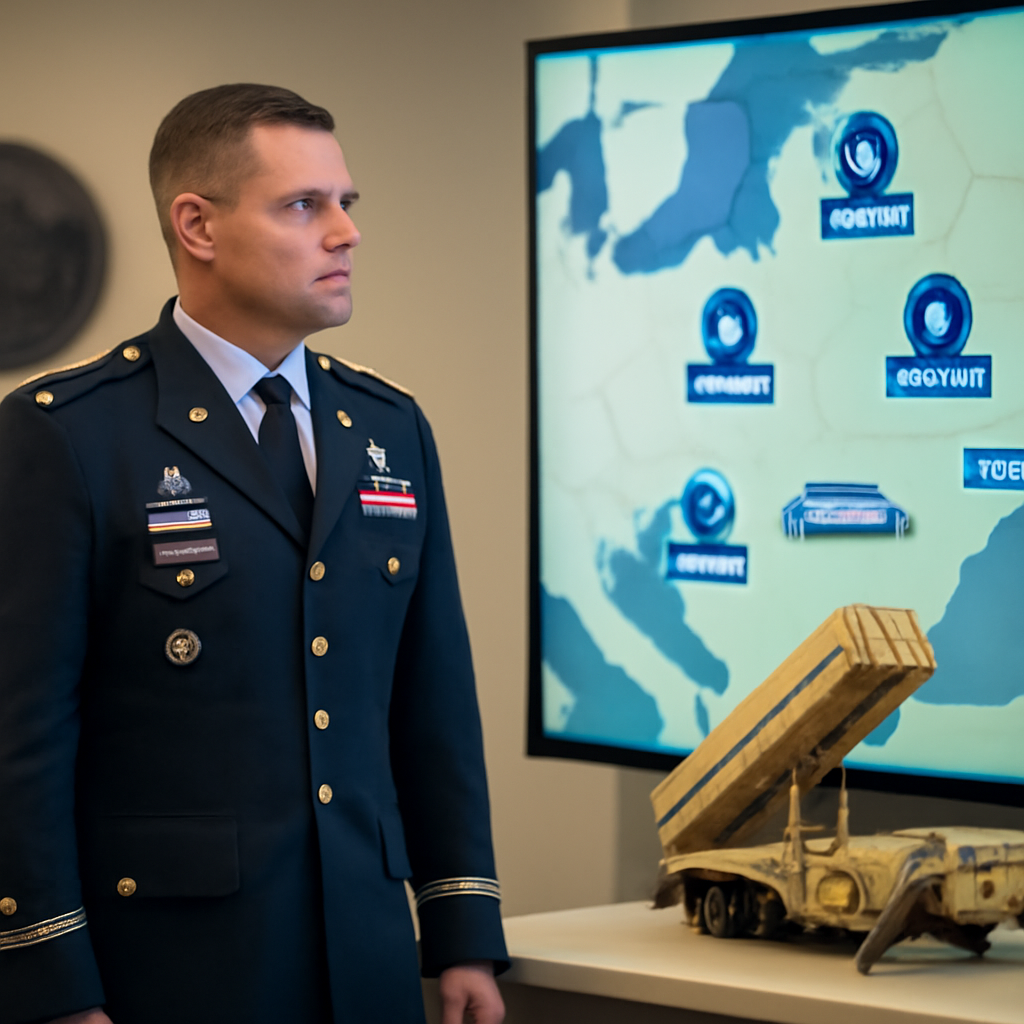
Army Expands Patriot Force Amid Golden Dome Integration Push
The US Army is ramping up its Patriot air-defense force to meet growing demands, all while integrating new technologies like the Golden Dome system. This strategic expansion aims to bolster the military's defenses now while preparing for future threats.

US Army Overhauls Battlefield Comms Plans to Counter Jamming Threats
The US Army is overhauling its battlefield communications plans to counter jamming threats, as traditional Primary, Alternate, Contingency, and Emergency (PACE) plans are no longer effective. Current sequential PACE plans are brittle and can't withstand concurrent, multi-band jamming, says Lt. Gen. Matthew McFarlane.

Army Seeks New Intel Tools with Guiding Document
The Army is shaking up its approach to intelligence gathering with a new guiding document that outlines key problems to be solved, and they're turning to industry for innovative solutions. This fresh "characteristics of need" approach is a deliberate departure from traditional requirement-driven methods, and a decision on its implementation is expected soon.
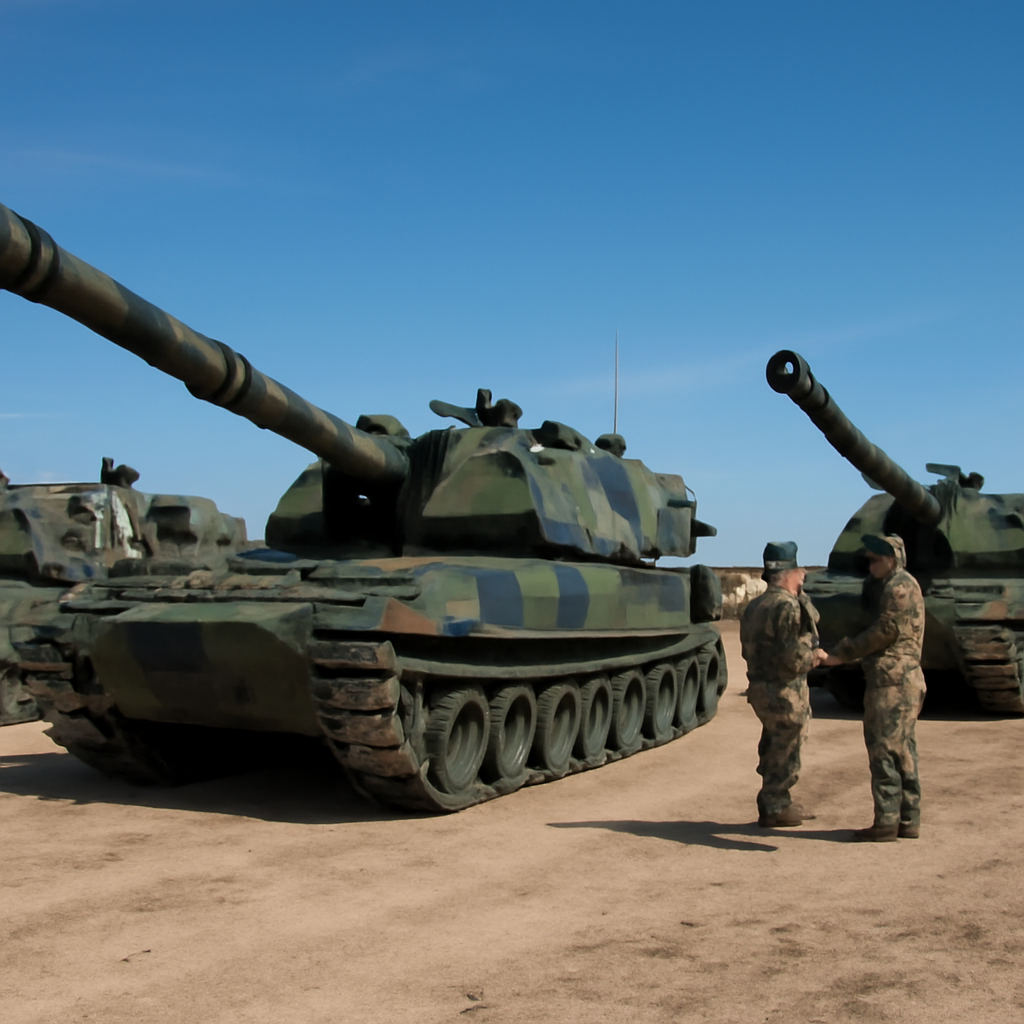
Army Awards Hanwha $233 Million Deal for Self-Propelled Howitzer Prototypes
The Army has awarded Hanwha Defense USA a $233 million contract to deliver six prototype self-propelled howitzers, with an option for 12 more, as part of its modernization push. These cutting-edge Mobile Tactical Cannon systems will be put through a series of operational experiments to test their capabilities.
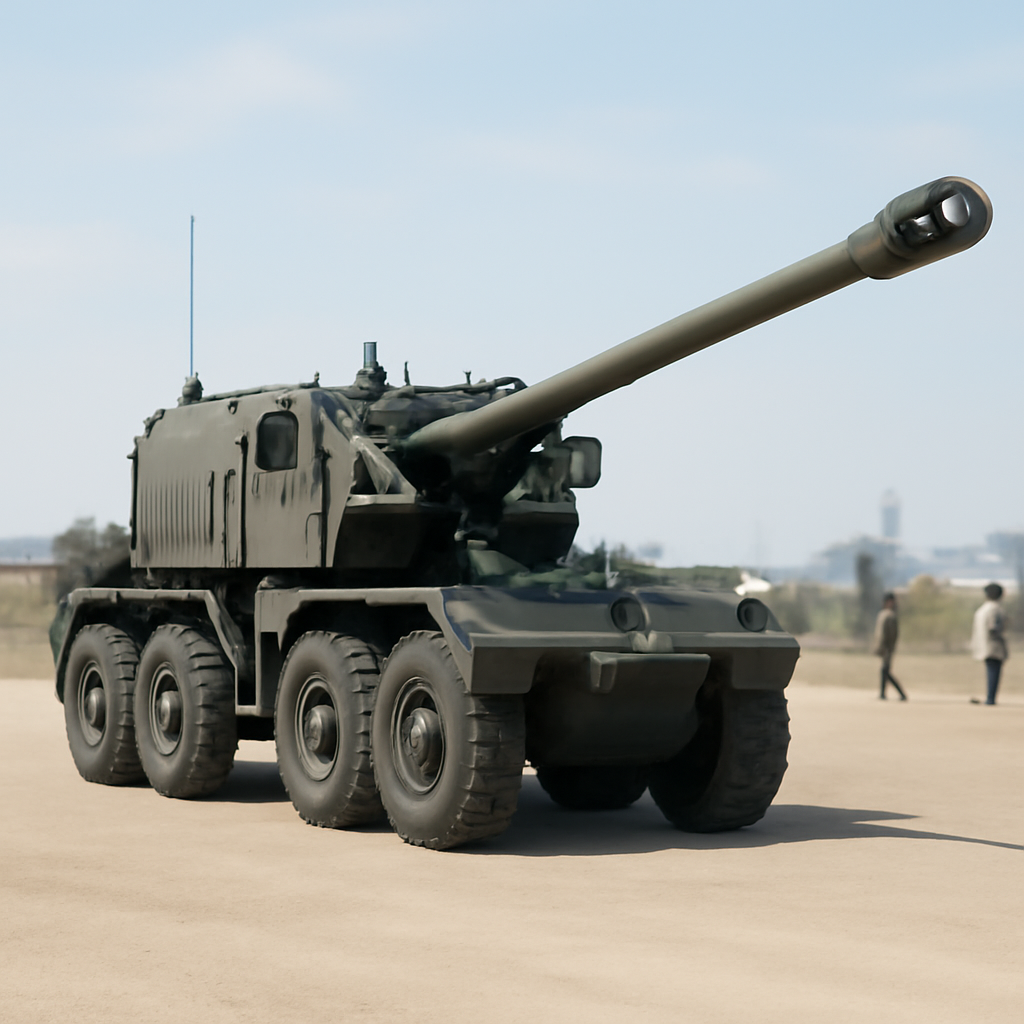
US Army Taps Hanwha for Mobile Howitzer Prototypes
The US Army has partnered with Hanwha Defense USA to deliver six prototype mobile howitzer systems, with potential for 12 more, marking a significant step towards upgrading its artillery capabilities with a modern, wheeled design. Hanwha will supply its advanced K9 Mobile Howitzer, building a US-based manufacturing network starting in Alabama.
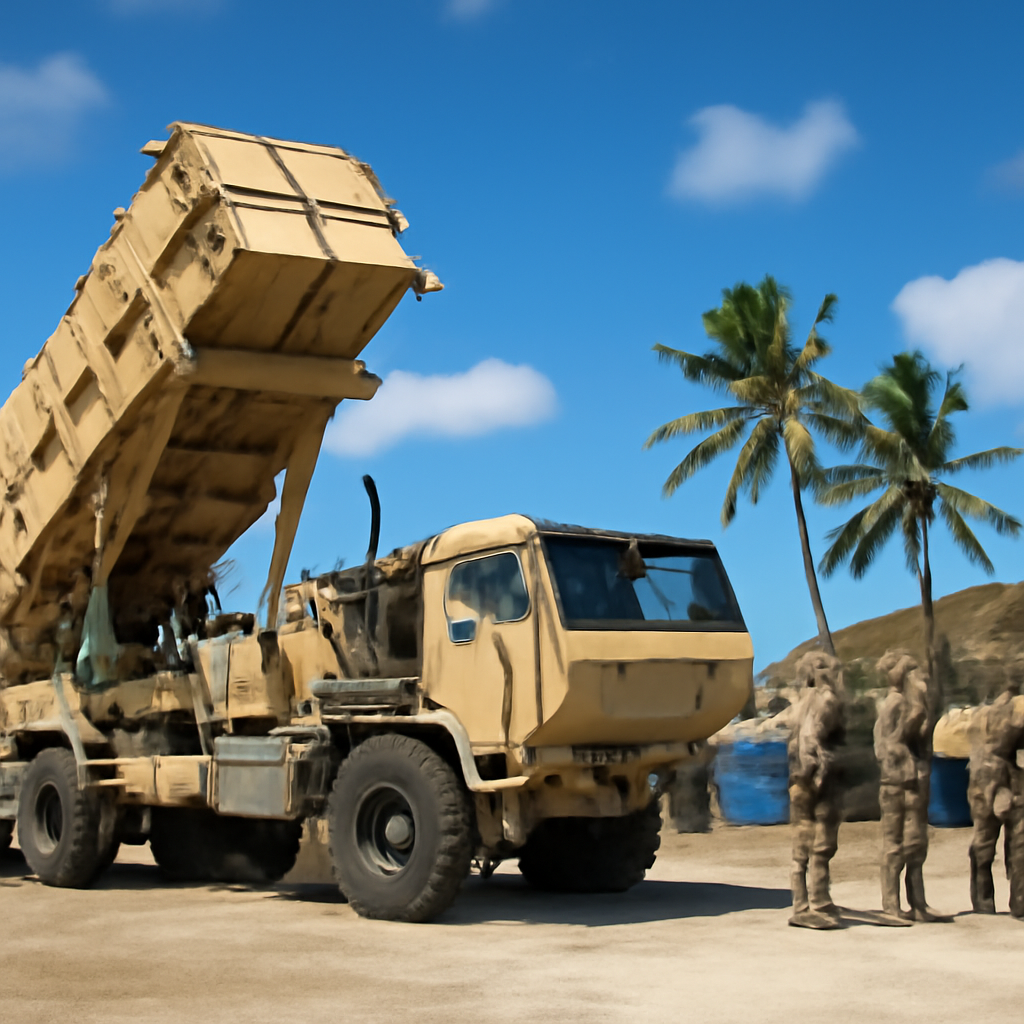
US Army to Deploy New Patriot Battalion to Guam This Fall
Get ready for a significant boost in defense: the US Army is deploying a new Patriot battalion to Guam this fall, with the 3rd Battalion, 43rd Air Defense Artillery Regiment set to arrive in October. This move is part of a multi-year effort to ramp up protection on the island.

US Army Selects Robinson R66 for Helicopter Pilot Training Overhaul
The US Army has taken a major leap in helicopter pilot training, selecting the Robinson R66 as part of its groundbreaking Flight School Next program, promising to equip new pilots with far better foundational skills. This $10-billion initiative aims to train up to 1,500 pilots annually, revolutionizing the way military helicopter pilots are trained.
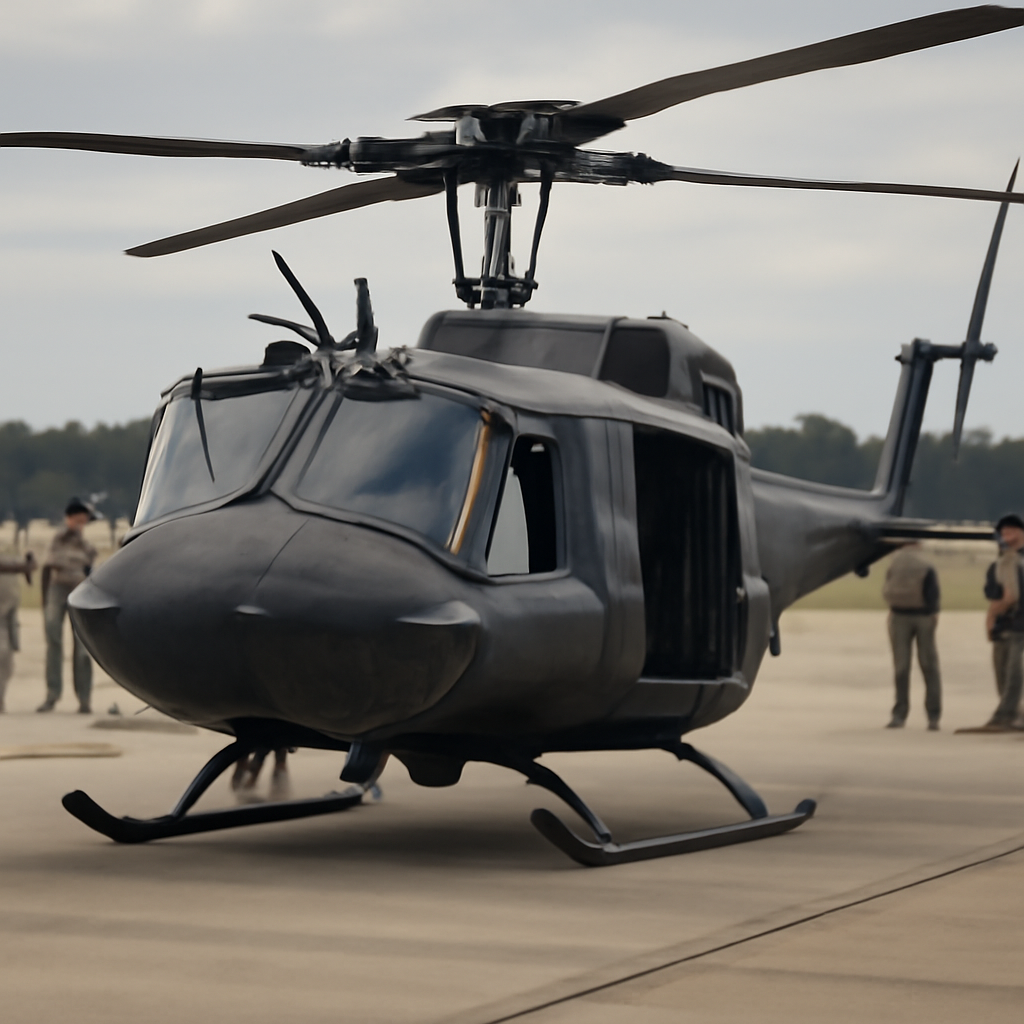
Army Awards $10B Contract to M1 for Helicopter Training Overhaul
The Army has taken a giant leap forward in modernizing its aviation training with a $10 billion contract awarded to M1 Support Services, revolutionizing the way pilots learn to fly. This game-changing deal paves the way for a cutting-edge training model that lets pilots focus on mastering the essentials of aviation.
Army Seeks Innovative Power Solutions as Energy Demands Surge
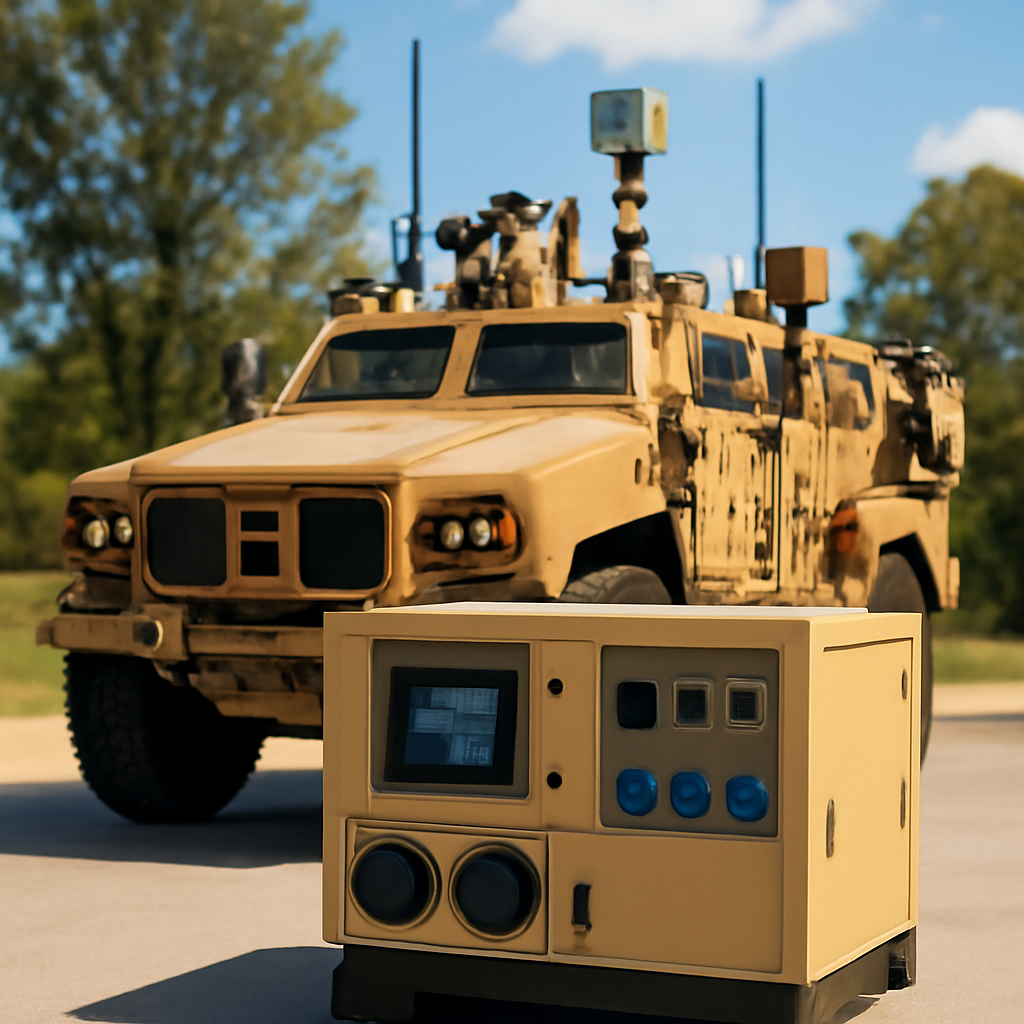
The Army is facing a pressing power problem: its vehicles lack the exportable power needed to fuel modern sensors, drones, and command centers, severely limiting operations. Brigade commanders are being forced to ration critical assets like unmanned aerial systems due to insufficient power, not mission requirements.
US Army Pursues Lower-Cost Strike Missile With 1,000-Kilometer Range
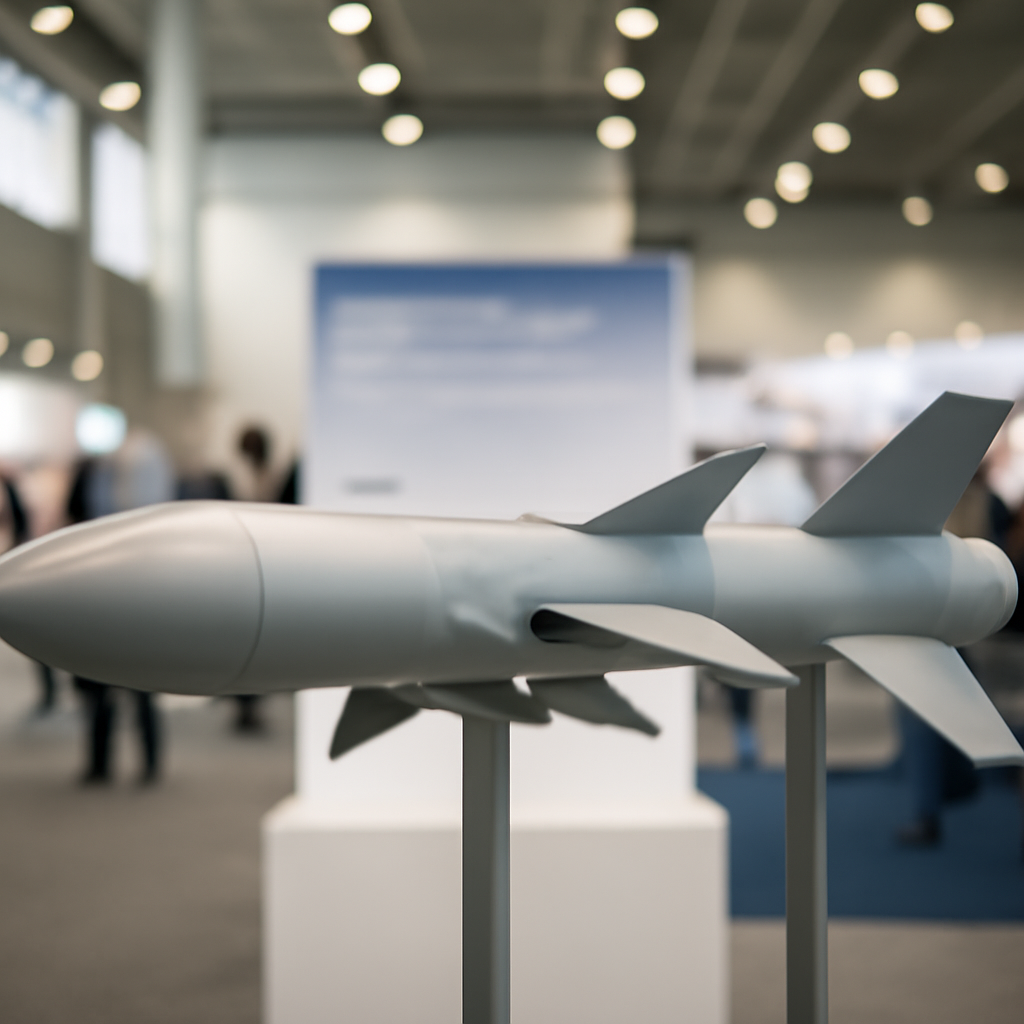
The US Army is on a mission to develop a game-changing, lower-cost strike missile that can travel up to 1,000 kilometers, and their Affordable High Speed Strike (AHSS) program is already exploring two innovative design concepts. This new missile promises to be a total game-changer, offering unprecedented speed and range at a fraction of the cost.
Army Targets Four Key Capability Gaps in Fires Portfolio Overhaul
The Army is zeroing in on four critical gaps in its Fires portfolio, tackling major challenges in high-cost manufacturing, limited capacity, and constrained resources. Brig. Gen. Robert Mikesh outlined these key areas for improvement, including energetics and propulsion, targeting and seekers, the industrial base, and munitions breadth and depth.
US Army Targets Adversary Satellites with New Counter-Space Tech
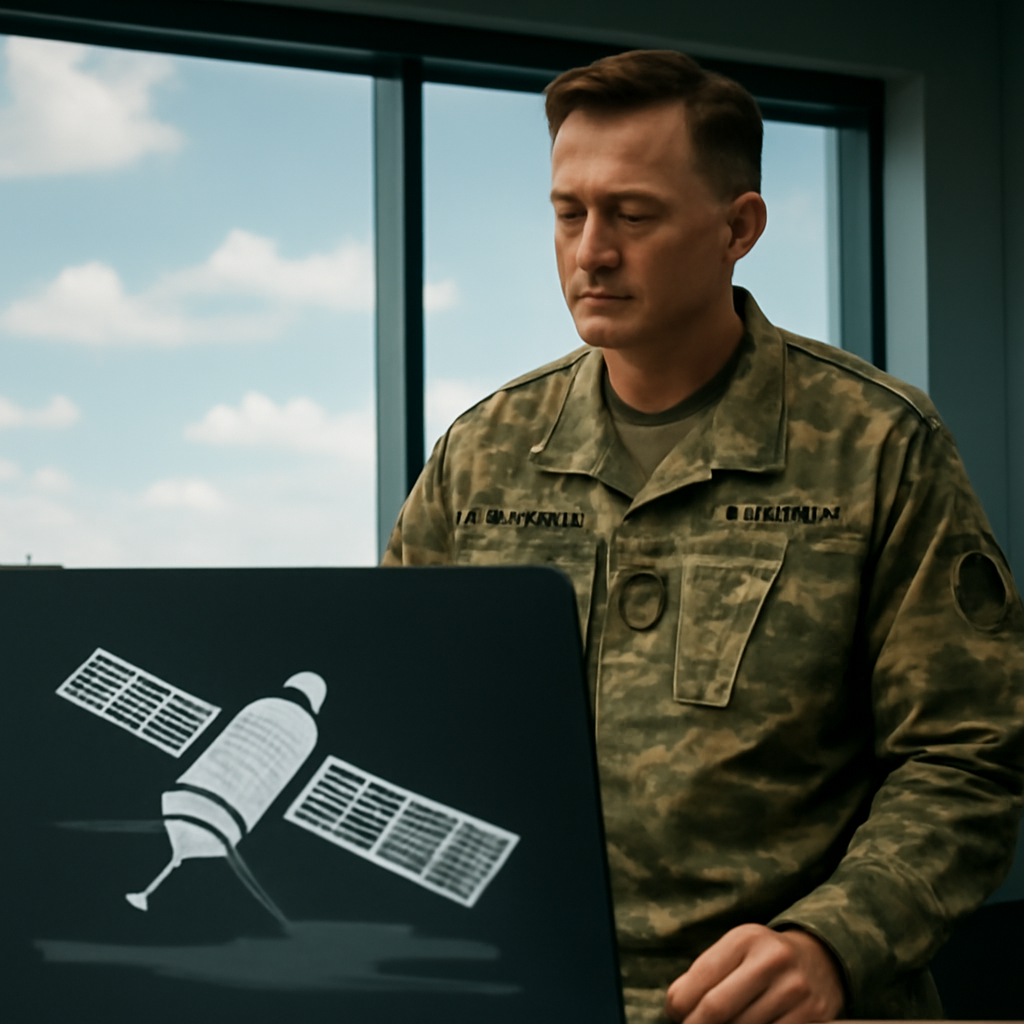
The US Army is taking a bold step into space superiority, developing counter-space tech to take down adversary satellites that threaten US forces. It's a move that's not as out of this world as it sounds, says Col. Joe Mroszczyk - after all, the Army has long been able to take out enemy ships at sea.

US Army Tackles Readiness Crisis with New Industry Engagements
The US Army is facing a pressing readiness crisis, with an aging fleet and looming modernization challenges that won't arrive quickly enough to ease the strain, warns Brig. Gen. Beth Behn. As a result, the Army is bracing for a long-term supply-chain and sustainment headache.