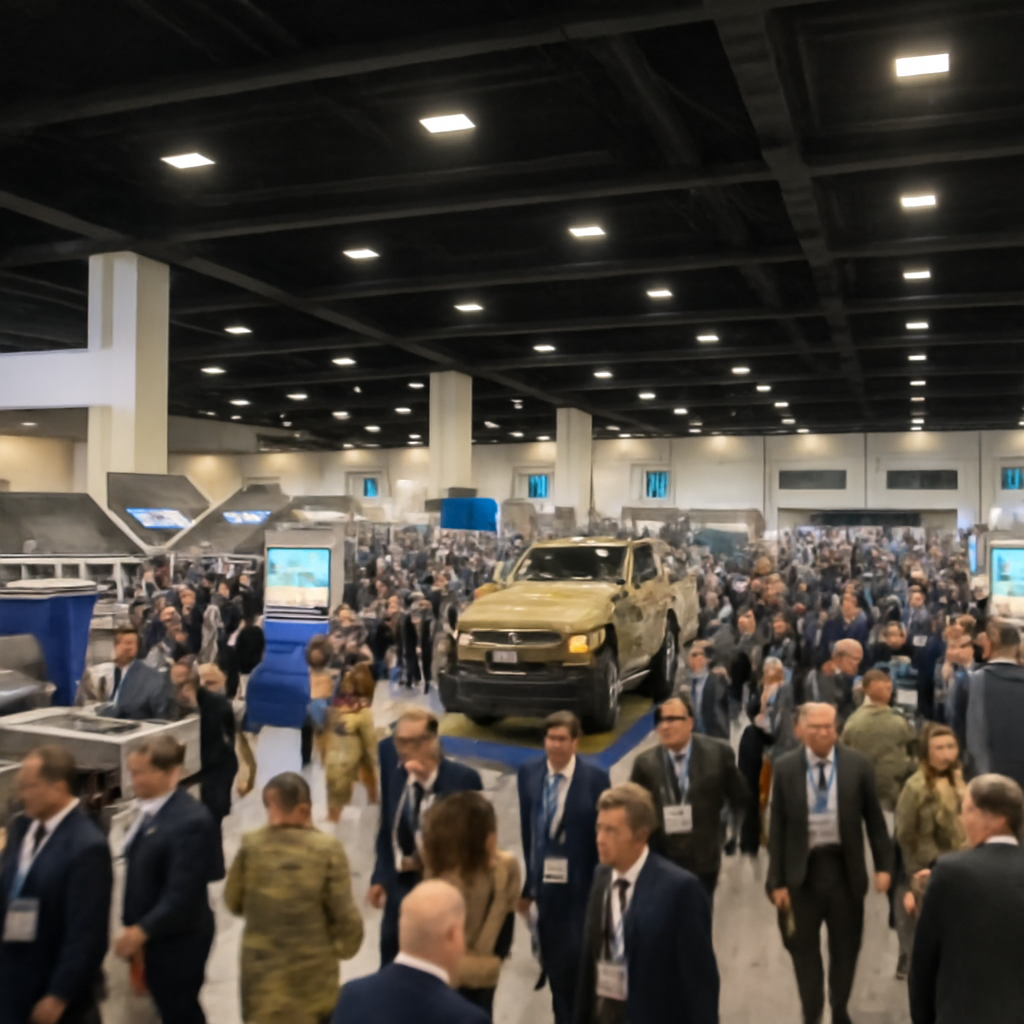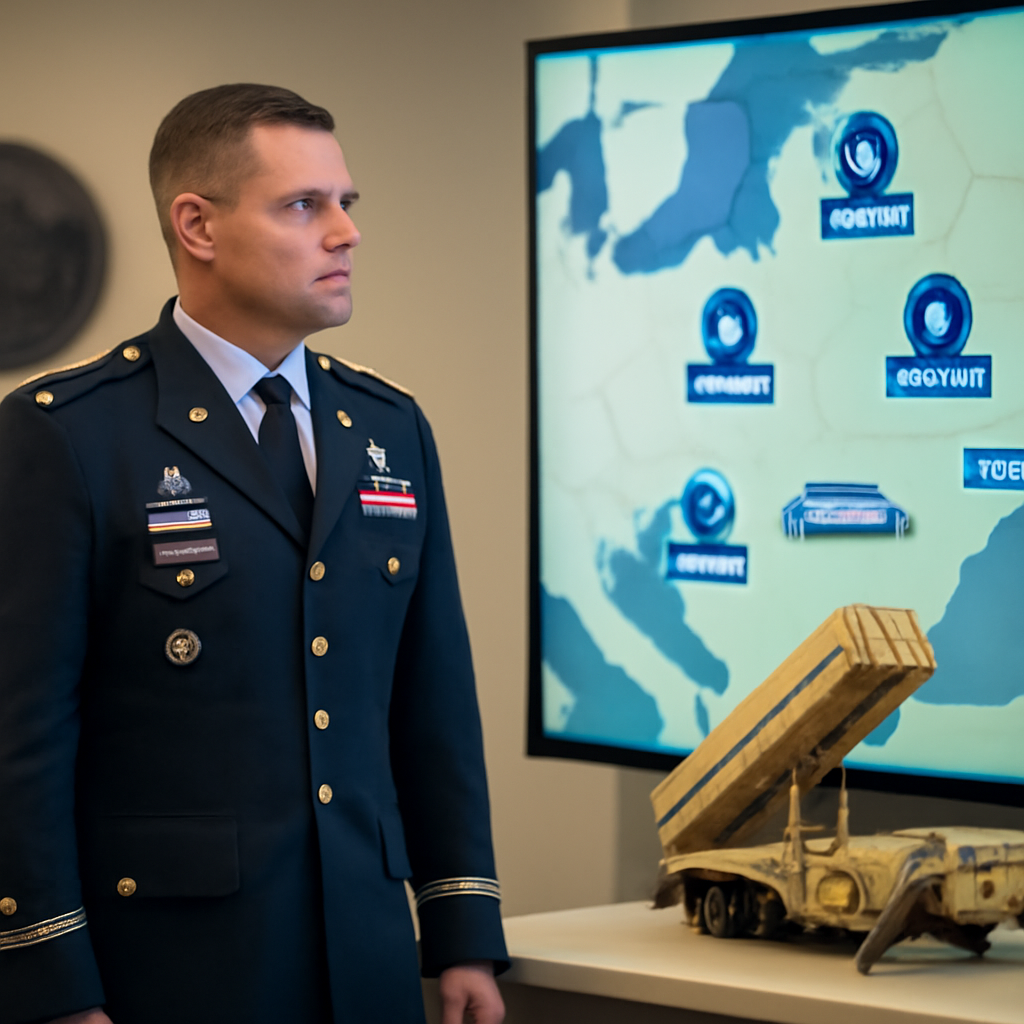
Filmed on the sidelines of the recent Space and Missile Defense Symposium, a brief conversation captured a single operational tension: expand what works now while preparing for what’s coming next.
A moment at the Space and Missile Defense Symposium
On the sidelines of the Space and Missile Defense Symposium, Pentagon reporter Ashley Roque sat down with Lt. Gen. John Rafferty, head of the U.S. Army’s Space and Missile Defense Command. The recorded exchange, part of The Pentagon Buzz, focused on how the Army is managing concurrent demands on its air- and missile-defense resources.
Lt. Gen. John Rafferty on Patriot expansion
Rafferty described an ongoing effort “to expand its Patriot air-defense force,” saying the expansion is driven by growing demand “around the world.” Those are the Army’s priorities as described in the interview: sustain and grow a fielded capability that partners and customers are requesting today while managing future investments.

Audit-ready is a season. It shouldn't be.
Evidence in spreadsheets, controls drifting between audits, frameworks multiplying on flat headcount. Nubivance runs continuous compliance on Rapid7 Cyber GRC - SOC 2, HIPAA, ISO 27001, PCI, CMMC.
End the scrambleHow the Army is approaching Golden Dome
Rafferty also addressed the service’s posture toward the developing Golden Dome missile-defense system. He said the Army is “flexing to meet demands” generated by Golden Dome as it moves through development. That phrasing positions the Army as actively adapting personnel, force structure, or logistics—Rafferty’s words emphasize operational movement rather than static planning.
How technologists, procurement leaders, and military planners are responding
- Technologists and security teams: Expect a focus on integration work between current Patriot systems and the developing Golden Dome system, since Rafferty framed the effort as the Army “flexing” to meet new technical and operational demands.
- Procurement leaders and acquisition officials: The emphasis on expansion of Patriot forces alongside adjustments for Golden Dome implies parallel acquisition tracks—one to scale a deployed capability and one to support a system still in development—requiring prioritized resourcing and sequencing decisions.
- Military planners and operators: Rafferty’s comments suggest planners will balance present operational commitments from Patriot deployments with absorbed requirements tied to Golden Dome’s maturation, with force posture and training adjusted to support both axes of demand.
Implications from a short conversation
The brief interview captured a pragmatic trade-off: maintain and expand an extant, widely requested capability while preparing to absorb and enable a next-generation system. Rafferty’s use of terms such as “expand,” “demand around the world,” and “flexing to meet demands” provides a clear, if concise, signal about priorities—sustain readiness and growth of Patriot forces now, and adapt organizationally as Golden Dome comes online.
That framing leaves operational detail sparse in the public record, but it does clarify priorities in plain language: the Army is actively managing two concurrent objectives. The practical work—training, logistics, technical integration, and acquisition sequencing—was implied by Rafferty’s description of how the service is “flexing,” even if the interview did not enumerate specific programs, timelines, or resource levels.
For readers looking to follow this issue, the dialogue underscores two linked themes to watch: how expansion of a fielded system (Patriot) is resourced and executed while a developing program (Golden Dome) imposes new demands, and how Army leaders publicly frame that balance to partners, policymakers, and industry.
Original reporting: https://breakingdefense.com/2026/08/how-the-army-balances-patriot-priorities-and-approaches-golden-dome/