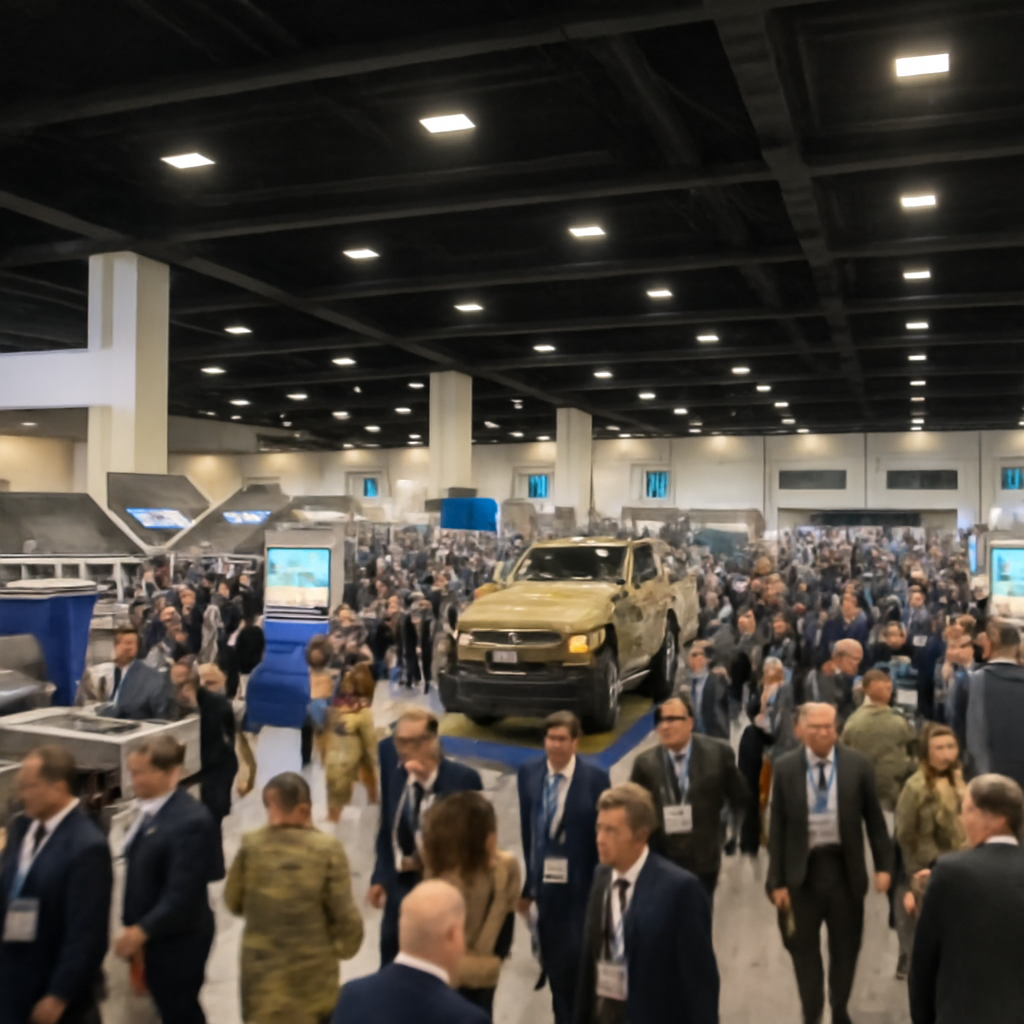
"Every formation we have today is underpowered. Every single one of them, and more power requirements are coming," Brig. Gen. Troy Denomy told an audience at the GVSETS conference in Detroit, laying out a problem the Army says is immediate and widespread: the force lacks exportable power on its vehicles to sustain modern sensors, unmanned systems and command-post functions.
Brig. Gen. Troy Denomy: organic power shortfalls are constraining operations
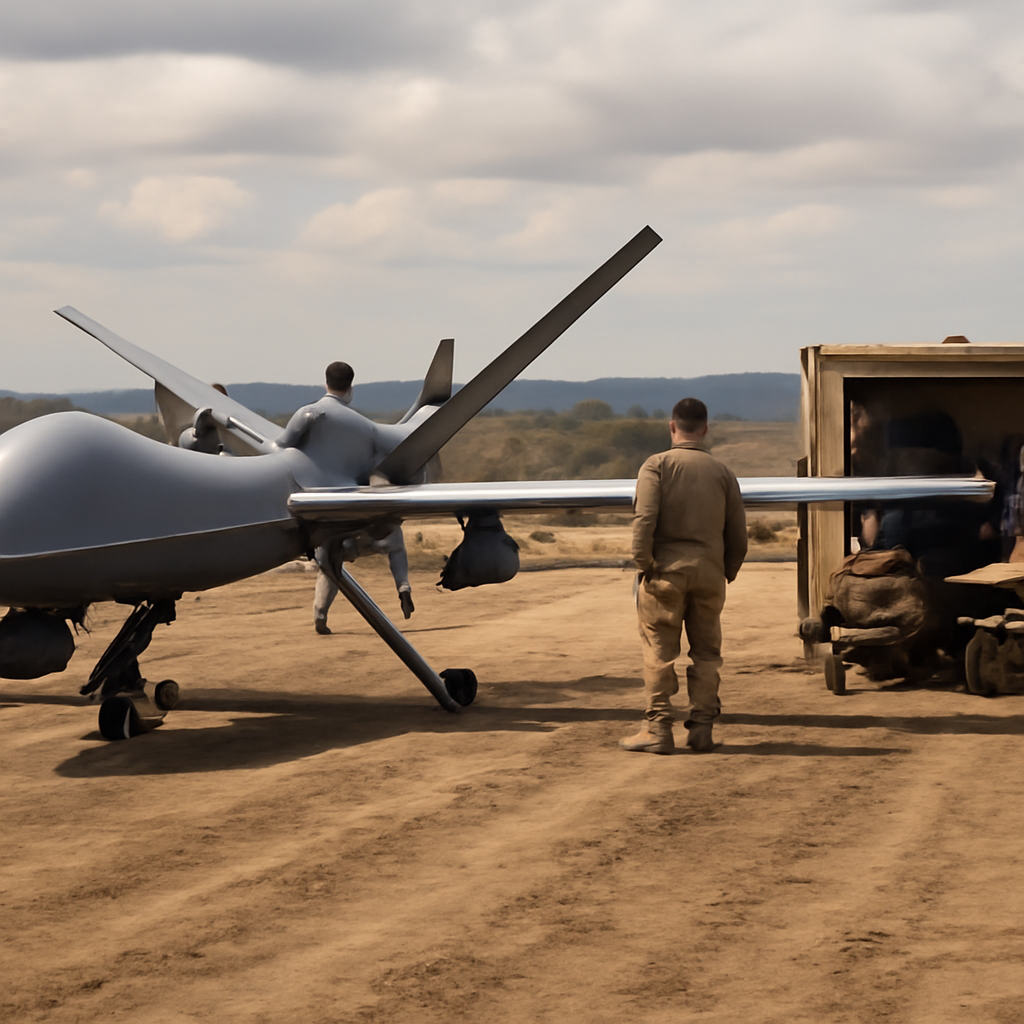
Denomy, the Army's program acquisition executive for maneuver, told the GVSETS keynote that the shortfall is not a niche logistics annoyance but an operational limiter. Brigade commanders, he said, are "having to meter how many UASs they can actually put in the air, not because of what the mission dictates, but because of how much power they have available." The core problem, according to Denomy, is that legacy platforms were not designed to provide the exportable electrical output needed for contemporary mission sets.
Legacy vehicles named: M1A2 Abrams, Bradleys and the tactical wheeled family
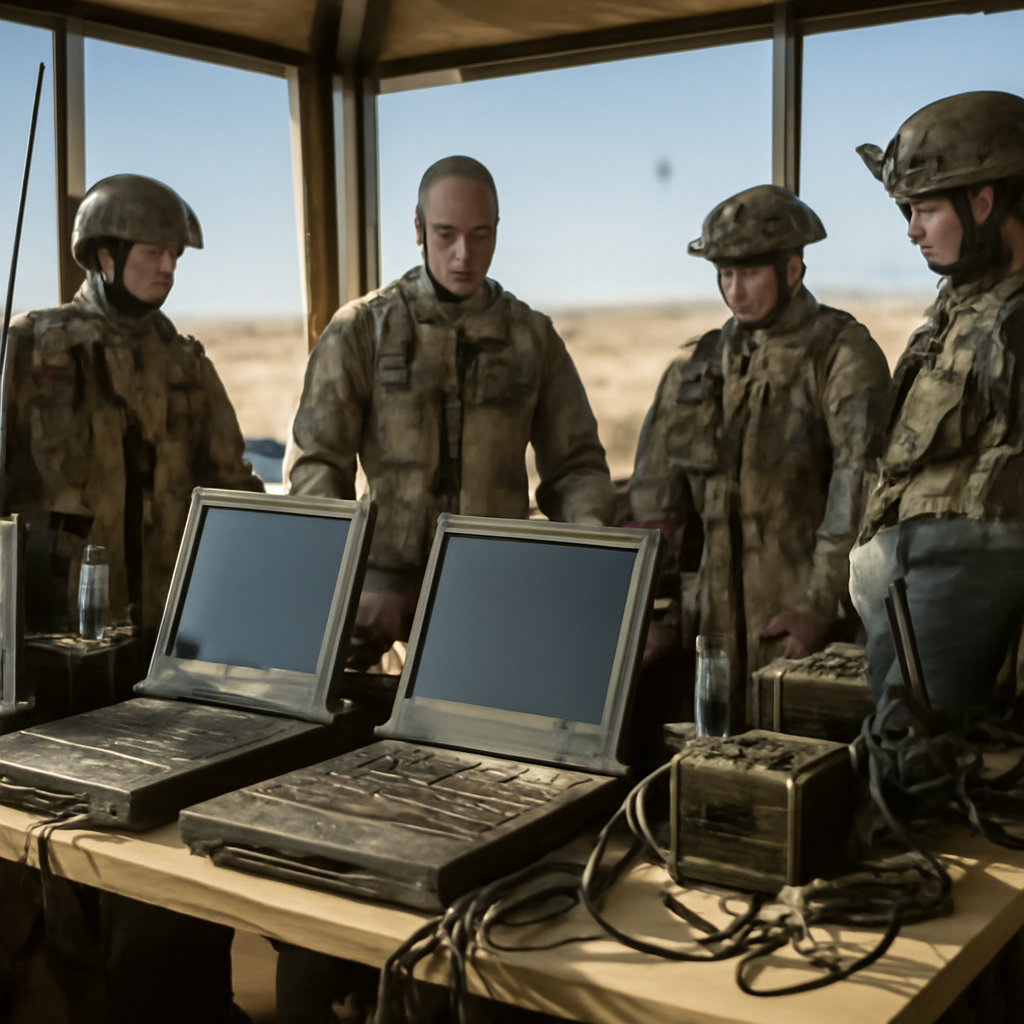
Denomy pointed specifically to legacy vehicles in the Army's fleet — the M1A2 Abrams, Bradley Fighting Vehicles and those in the tactical wheeled family — as examples of platforms that "were not built to generate the power needed to charge and run the current systems the Army is increasingly relying on." That shortfall affects not only unmanned aerial systems and counter-UAS equipment but "increasingly complex command posts" that require sustained, reliable electrical power.

The cyber insurance questionnaire just landed. Now what?
SOC 2, HIPAA, insurance renewals - someone has to own security strategy. Nubivance provides fractional CISO leadership without the full-time salary.
Get a security leadGenerators, batteries and signatures: Alex Miller’s warning on observable costs
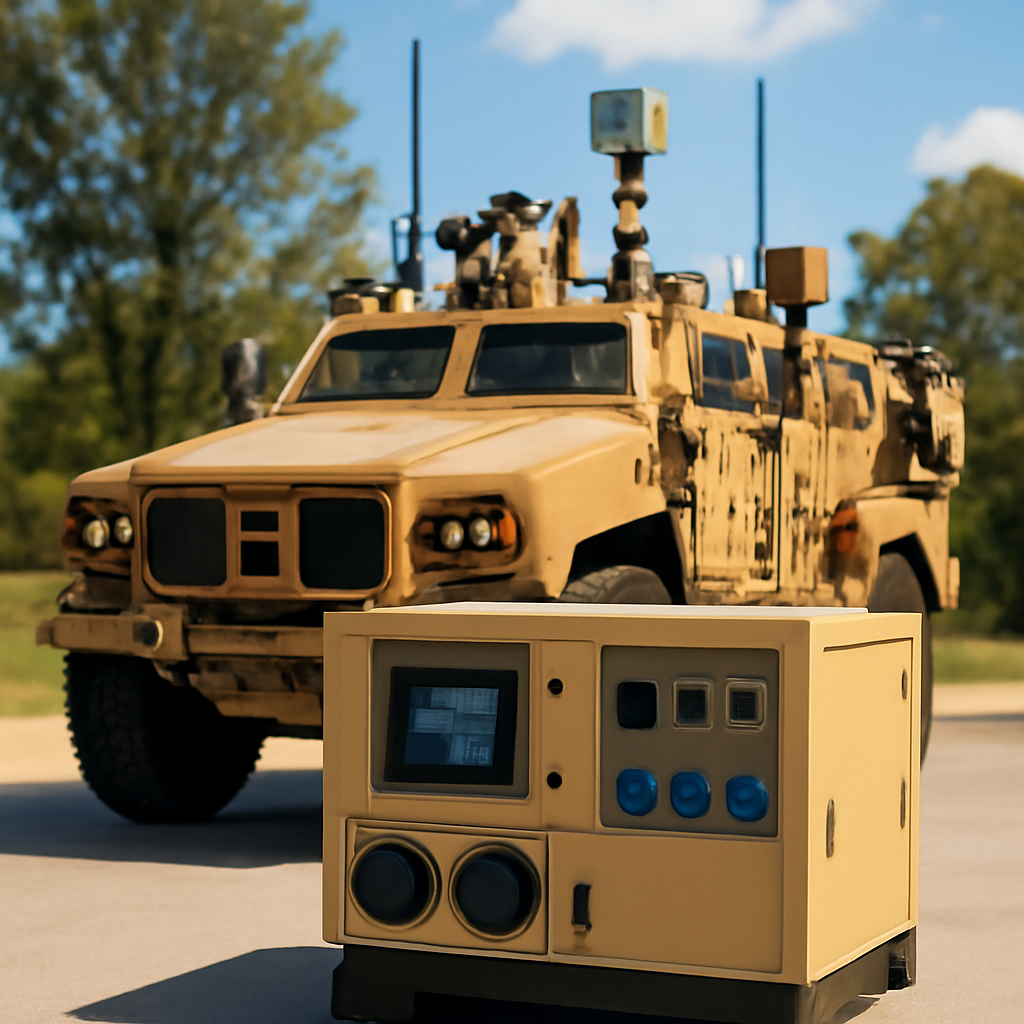
Alex Miller, the Army’s chief technology officer, cautioned that the common fixes come with tradeoffs. Generators provide extra power but are "loud," create "a lot of visual signature" and "create a lot of thermal signature," Miller said, making them conspicuous to adversaries. Simple proliferation of battery packs also fails as a practical solution: Denomy reproached the idea with a blunt soldier-centric image — "You walk with five batteries in your pack for eight hours, and tell me how your feet feel," — and noted that troops must remain combat-effective on arrival, not simply charged up.
New platforms and technologies: fuel cells, XM30, M1E3 and ISV heavy variants
Denomy noted that some incoming platforms are being designed with higher exportable power. He singled out the XM30 (intended to replace Bradleys) and the M1E3 Abrams (intended to replace M1A2s) as examples of vehicles that "provide more exportable power." The Army has also been designing heavy variants of the Infantry Squad Vehicle to generate greater exportable power, a point the reporting noted had been covered previously. Beyond platform redesign, Denomy said there are "some new technologies that are really encouraging with fuel cells."
Next-gen power management and the call to industry
Miller said the Army "has been fielding some 'next-gen' power management solutions," but declined to outline specifics at the keynote. He framed a broader challenge — and an appeal — to industry: alternatives are needed both to noisy generators and to liquid fuel, which he described bluntly as the current baseline for battlefield energy transfer. "We have got to change the fact that liquid fuel is still the most power dense, efficient way to move energy across the battlefield. We’ve got to change that," Miller said, asking the technical audience to "dig into those things" because, he argued, they possess the historical expertise to solve them.
What this means for brigade commanders, vehicle designers, and soldiers
- Brigade commanders: will continue to face operational tradeoffs as they "meter" UAS employment against available vehicle-exported power rather than purely mission requirements.
- Vehicle designers and program offices: must reconcile the need to retrofit or replace legacy platforms — like the M1A2 and Bradley lines — with higher exportable power, and to translate promising technologies (fuel cells, next‑gen power management) into fielded hardware.
- Individual soldiers and small units: cannot be expected to absorb power shortfalls by carrying substantially more batteries without impacting mobility and combat effectiveness, a point Denomy emphasized with the pack-and-feet example.
The Army’s message at GVSETS was unequivocal: more power is not optional, but the conventional fixes carry their own costs. Brig. Gen. Denomy and CTO Alex Miller both urged industry to pursue alternatives — not simply more generators or batteries, but new power architectures and energy sources — as the service fields counter-UAS systems, Next Generation C2, and other energy‑hungry capabilities. The question left hanging in Detroit is practical and immediate: how quickly can promising options like fuel cells and next‑gen power management be scaled and retrofitted into the vast inventory of legacy platforms that currently "were not built" for this era?