Tag: national security
2618 articles

North Korea Unveils Choe Hyon-class Destroyer Amid Naval Nuclearisation Push
North Korea has just unveiled its most powerful warship yet, the Choe Hyon-class destroyer, marking a major milestone in its naval modernisation efforts. This massive 145-metre-long vessel is a game-changer for the Korean People's Army Navy.

NATO Unveils Massive Defence Contracts at Ankara Summit
NATO Secretary-General Mark Rutte promises a huge boost in defence spending, with "tens of billions" of dollars in new contracts set to be unveiled at the Ankara summit, marking a major step from commitment to action. The move aims to show the alliance is delivering on its pledges, not just making promises.

Japan Air Force Renamed to Reflect Expanded Space Domain Role
Japan is taking a giant leap in its defense strategy, renaming its air force to the Japan Aerospace Self-Defense Force to reflect its expanded role in the space domain. This move, approved by parliament on June 26, 2026, will take effect on April 1, 2027, and marks a significant shift in Tokyo's military capabilities.
Burnham's Rise Poses Test for UK Defense Spending Pledge
As Andy Burnham rises to prominence with his decisive by-election win in Makerfield, the UK's defense spending pledge is about to face its biggest test yet. With Labour's future leadership potentially in his hands, Burnham's next moves will be closely watched, especially given the ambitious targets to increase defense spending to 3.5 percent of GDP by 2035.

Australia Boosts Deterrence with Nuclear-Powered Submarines
Imagine having a game-changing asset on the battlefield that can single-handedly shift the balance of power - that's the unparalleled impact of nuclear-powered submarines, as Vice Admiral Mark Hammond aptly puts it, a remarkable difference-maker in combat. With a proven track record of success, these submarines have consistently demonstrated their ability to deter and dominate in multi-domain warfare.

India Accelerates Drone Production Amid Regional Security Push
India is taking a cue from Ukraine's playbook, aiming to turbocharge its drone production to marry mass manufacturing with real-time battlefield feedback, and transform its national industrial policy. By leveraging policy tools like import curbs, the Production Linked Incentive scheme, and the Drone Shakti Mission, New Delhi is aggressively pushing to become a major drone producer.

Crypto-Agile Infrastructure Bolsters US Military's Edge in Space Domain
In the high-stakes world of space domain warfare, the US military's edge hinges on its ability to sift through vast amounts of data in seconds, enabling leaders to make smarter decisions faster than the enemy can react. By pairing rapid AI-enabled analysis with equally rapid cryptographic protections, the military can gain a decisive advantage.
Canada Explores Joining GCAP Sixth-Gen Fighter Program
Canada's Minister of National Defense, David McGuinty, has expressed interest in exploring the possibility of joining the Global Combat Air Program (GCAP), a next-generation fighter jet initiative. This development comes after a meeting with Japanese Defense Minister Shinjiro Koizumi in Tokyo, where Canada's potential participation was discussed.

Turkey Pursues F-16, SAMP/T Deals Ahead of NATO Summit
Turkey is taking a major leap in its defense capabilities with two game-changing deals: 40 cutting-edge F-16 Block 70 "Viper" fighters and the advanced SAMP/T long-range air-defence system. The F-16 deal is moving forward with a Letter of Offer and Acceptance in place, and talks are underway to finalize the terms.
USAF Pursues Air-To-Air Missile With 1,000-Mile Range
The US Air Force is seeking to revolutionize its air-to-air missile capabilities with a new weapon that can strike targets up to 1,000 miles away, aligning with the Department of War's top priorities. The Air Force Life Cycle Management Center will host a classified industry event to share requirements and explore options for the cutting-edge Air Force Long Range Weapon program.
Canada Explores Sixth-Gen Fighter Project with GCAP
Canada's Defense Minister David McGuinty has expressed interest in exploring the Global Combat Air Programme (GCAP), a next-generation fighter project, following a meeting with his Japanese counterpart in Tokyo. This development marks a significant step towards Canada's potential involvement in the ambitious tri-national program.

Australia, Japan forge counter-disinformation pact
As China criticizes Japan's intelligence reforms, experts say Australia and Japan are joining forces to tackle a pressing issue: countering state-backed disinformation that fuels tensions across the region. By working together, they aim to mitigate the impact of false narratives and promote a more stable international landscape.

Air Force Bases Pursue Connectivity Upgrades to Bolster Readiness
The Air Force is speeding up its modernization efforts, with a focus on integrated connectivity upgrades at bases to enhance readiness for future conflicts. This shift towards a more agile approach is driven by a new vision that aligns capability development with force design and rapid delivery.
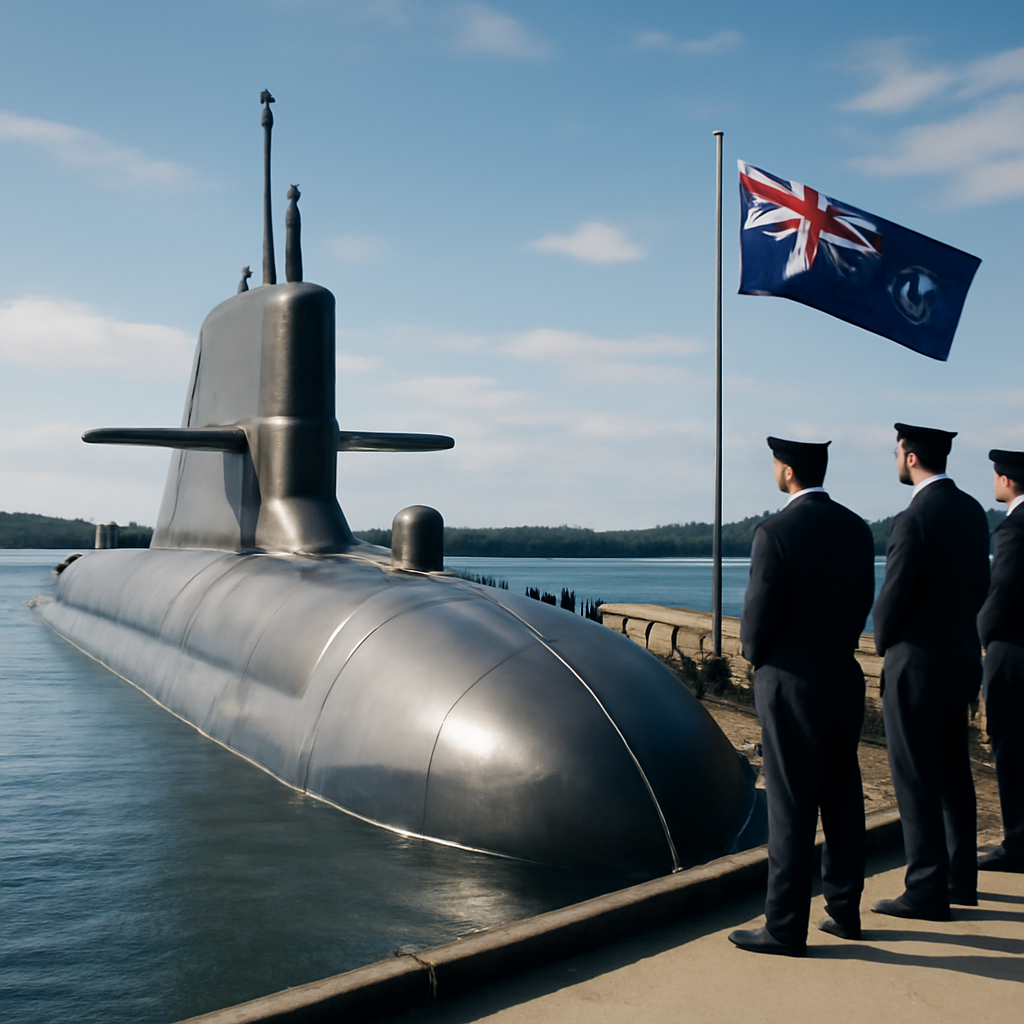
Australia Bolsters Maritime Security with Nuclear-Powered Submarines
Australia is taking a bold step to safeguard its maritime lifelines and ensure a secure future, with the acquisition of nuclear-powered submarines set to bolster the nation's defence. By protecting its vast maritime domain, the country is securing the sea routes that bring in vital essentials like fuel, food, and medicine.

Pentagon Rallies New Defense Firms to Boost Munitions Production
The Pentagon has taken a proactive approach to ramping up munitions production by convening a closed-door meeting with emerging defense firms, including Anduril, Castelion, CoAspire, and Leidos, to discuss accelerating production in response to current global threats. Top defense officials, such as Defense Secretary Pete Hegseth, were in attendance to drive this crucial initiative forward.

ODNI Shakeup Disrupts Intelligence Community Operations
A major shakeup at the Office of the Director of National Intelligence has led to the sudden departure of around 50 staffers, including the deputy director for mission integration, Will Ruger, who has been placed on administrative leave. This significant downsizing is sending shockwaves through the intelligence community.

Australia Seeks African Support for Security Council Bid
As Australia vies for a spot on the UN Security Council, it's facing a crucial hurdle: winning over Africa's 54 UN members, who hold the power to decide its fate in the June 2028 vote. Can Canberra convincingly show that its interest in the continent is genuine, long-term, and mutually beneficial?

Congress Backs $1.5B White House Bid for E-7 Wedgetail Funding
Congress is throwing its weight behind the White House's $1.5 billion bid to fund the E-7 Wedgetail program, a move that could give the project a flying start. The funding boost would come from reallocating resources from the Navy's E-2 procurement account and the Air Force's classified special update programs.

FCC Tightens Cybersecurity Rules for Emergency Alert Systems, Undersea Cables
The FCC has just tightened cybersecurity rules for emergency alert systems and undersea cables to prevent vulnerabilities that could be exploited by rogue actors, foreign governments, or cybercriminals to spread chaos and misinformation. This move aims to safeguard the nation's primary public-warning platforms, including the Emergency Alert System and Wireless Emergency Alerts.

US Navy Eyes Fifth Public Shipyard to Support Expanding Fleet
The US Navy is setting its sights on building a fifth public shipyard to keep up with its rapidly expanding fleet, and ensure that multi-trillion dollar investments pay off with long-term maintenance and support. This move is a practical response to the administration's ambitious plan to dramatically increase the Navy's inventory.

Pentagon seeks $5B to overhaul 'deteriorating' research labs
The Pentagon's research labs are in a state of disrepair, posing safety risks and technical limitations that threaten the US military's ability to stay ahead of the curve. A recent review led by Assistant Secretary for Science & Technology Joseph Jewell calls for a $5B overhaul to modernize these critical facilities.

UK Tests Low-Cost Deep-Strike Weapons for Ukraine
The UK has successfully tested three low-cost, long-range strike weapons designed to give Ukraine a powerful defense boost, with the goal of delivering a cheap and effective deep-strike capability. These British-made weapons can fly over 500 km and pack a 225 kg punch, all at an affordable price tag of around £400,000 each.

Kendall Warns of Lethal Autonomy Control Challenges
The challenge with lethal autonomy control is that it's incredibly hard to define - and therefore regulate - because its core capabilities exist on a spectrum with no clear boundaries. This makes it nearly impossible to draw a line between acceptable and banned systems, leaving us with a daunting question: how can we create an effective arms control regime?
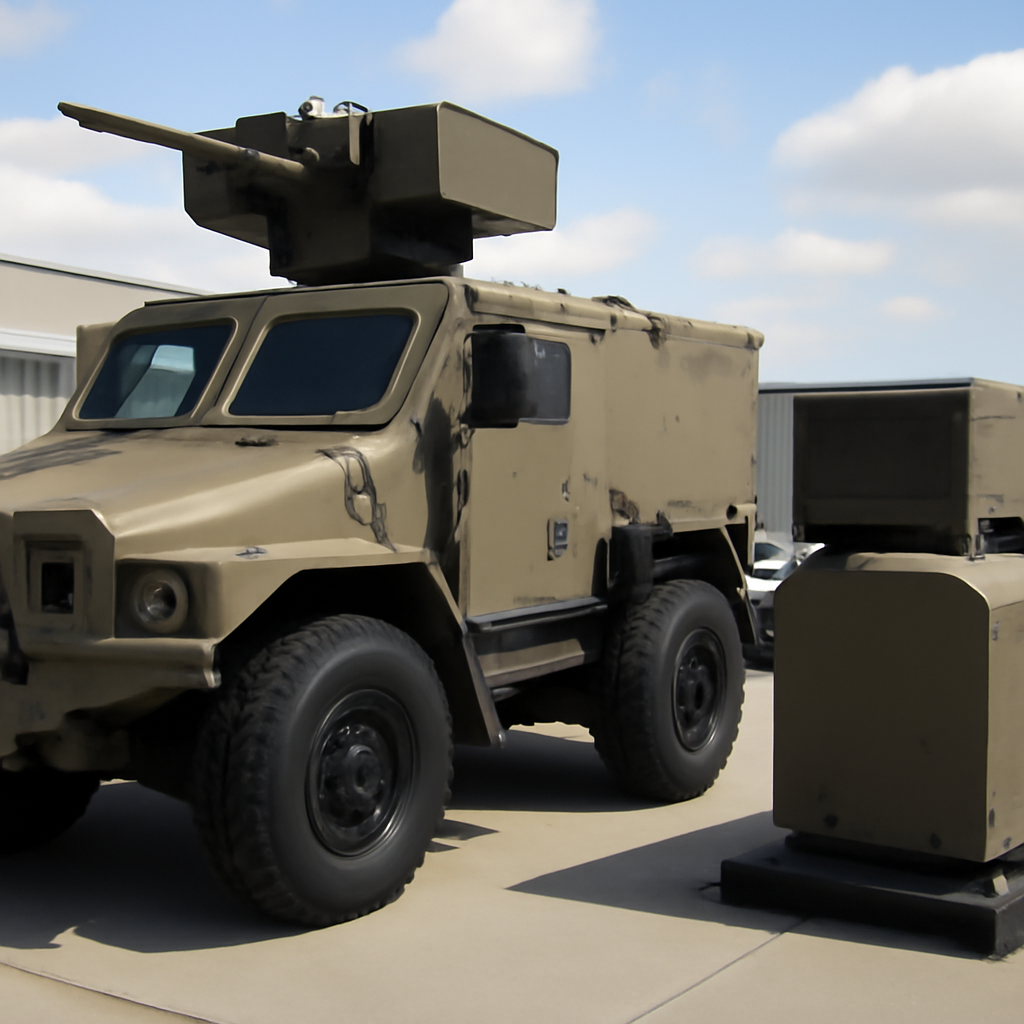
Australia Shifts to Spiral Development for Military Acquisitions
Defence Industry Minister Pat Conroy announced a game-changing approach to military acquisitions: spiral development, an adaptive process that incrementally adds features to systems, reducing risks and enabling smoother adaptation. This approach is set to revolutionize project delivery, allowing for greater flexibility and efficiency.