“You will see a massive amount of new contracts,” Secretary‑General Mark Rutte said on 25 June, promising that NATO’s leaders’ summit in Ankara will produce “tens of billions” of dollars in new defence agreements intended to show the alliance is “doing what is necessary.”
Rutte’s message: delivery, not pledges
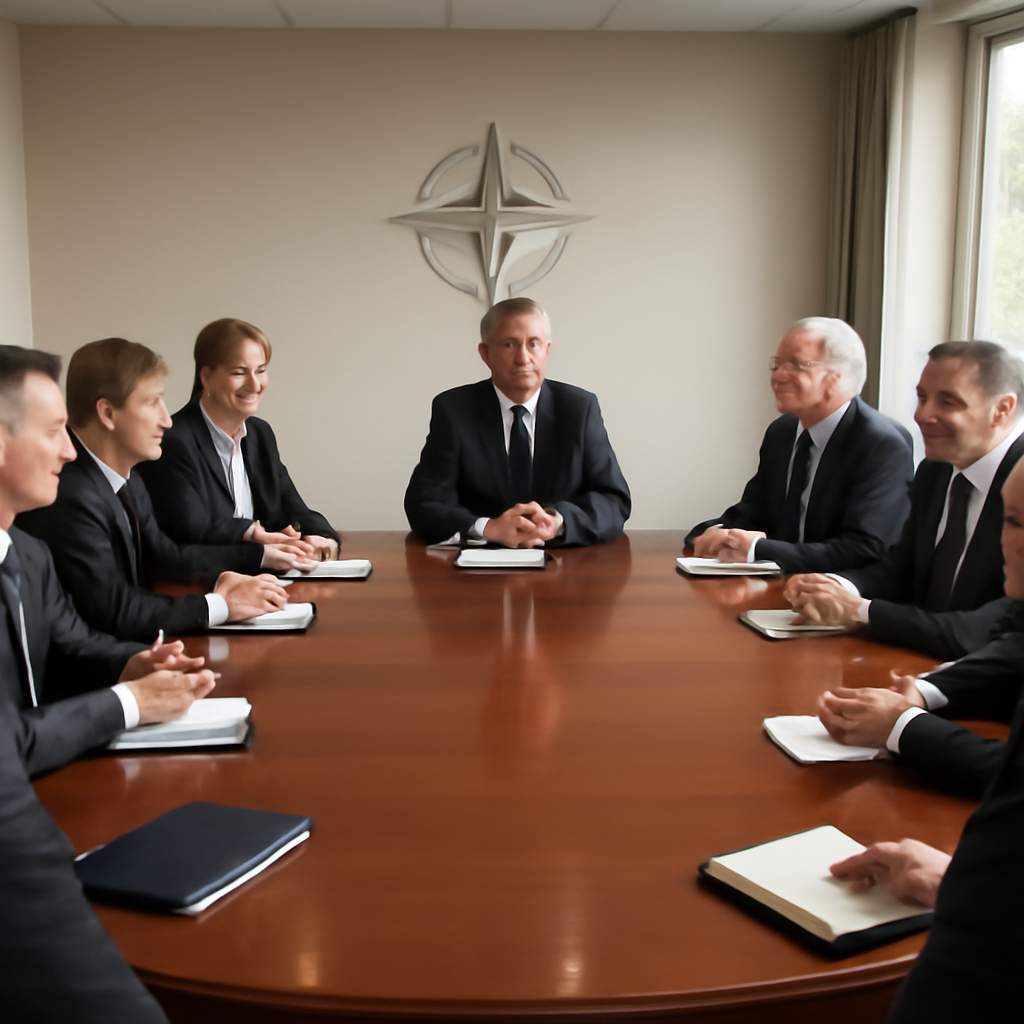
Rutte spoke at an Atlantic Council event in Washington days before the NATO summit in Türkiye on 7–8 July. He described the Ankara meeting as a step from commitment to implementation: last year’s Hague summit set out headline pledges — a path toward spending 5 percent of GDP on defence, continued support for Ukraine, and higher defence production — and Ankara, Rutte said, should be where those pledges are converted into orders and capacity.
The first day of the summit is designated a defence‑industry day and, according to Rutte, will carry “a mix of signed contracts, memorandums of understanding and letters of intent.” He framed the announcements as both practical and symbolic: alliance‑wide contracts worth “tens of billions” and a signal to NATO’s roughly one billion citizens that commitments are being implemented. Rutte also argued the implementation phase matters strategically, saying Russia fears execution more than the pledges themselves and calling the summit potentially “even more important than The Hague.”
Türkiye as production hub: Aselsan and 3,000 companies
Rutte placed production at the centre of his remarks, urging allies to turn economic weight into military capability while noting obstacles such as fragmented national defence industries and procurement red tape in Washington. He highlighted Türkiye’s industrial footprint inside NATO, saying the country has around 3,000 defence companies working across alliance territory.
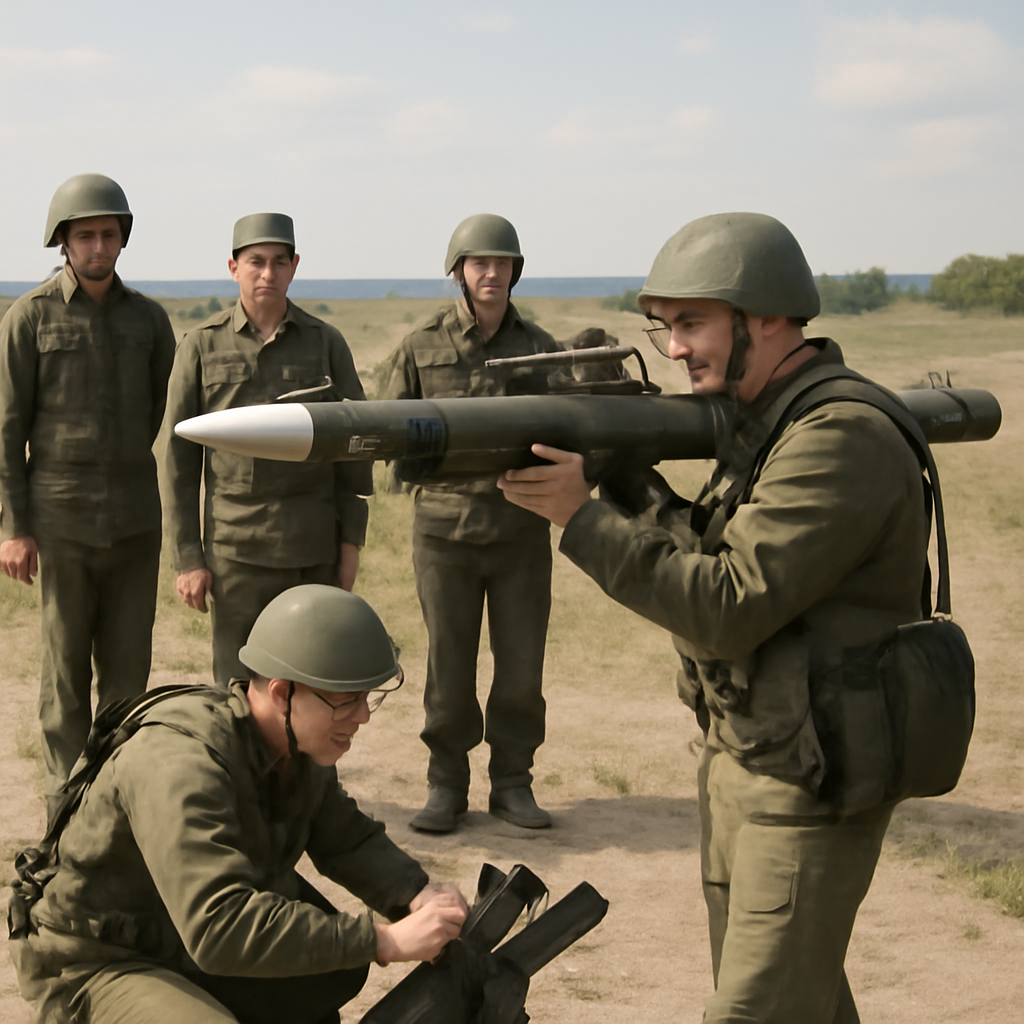
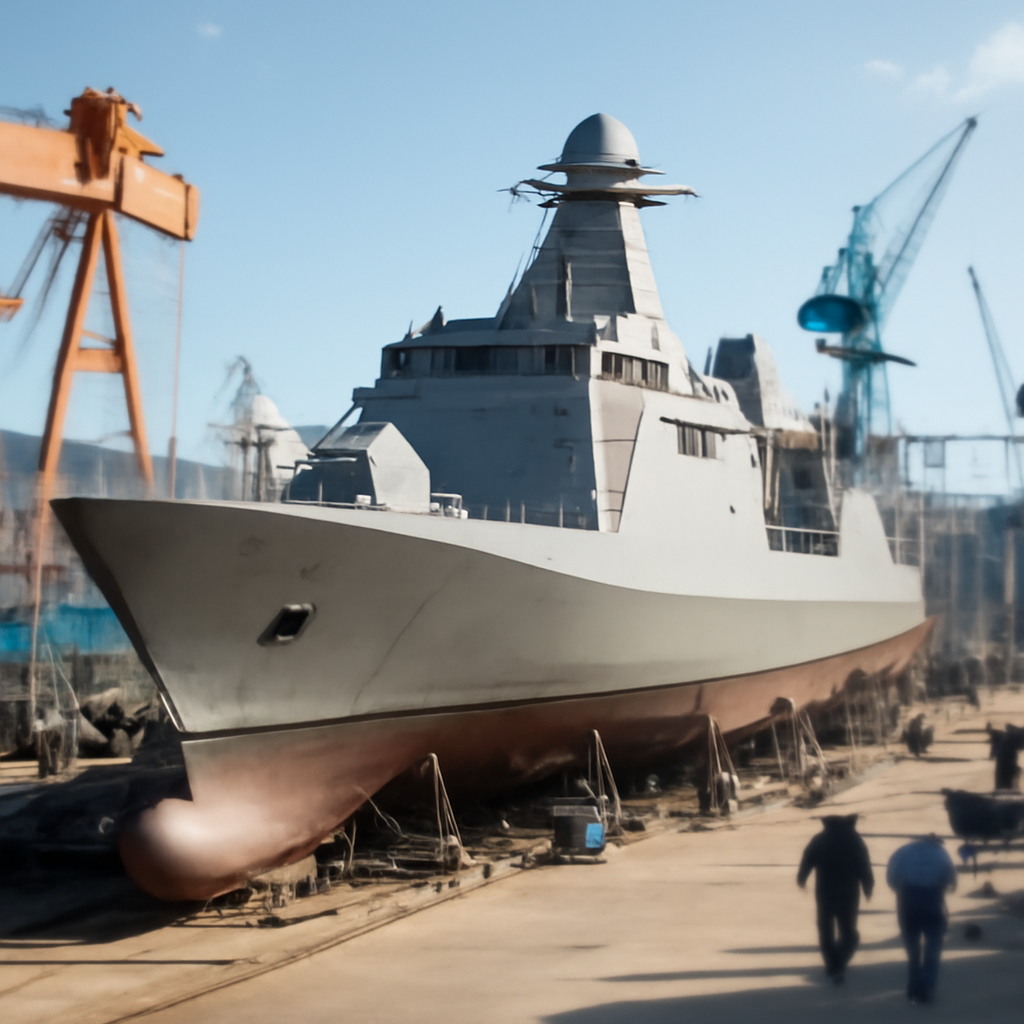
He singled out Aselsan, Türkiye’s largest defence‑electronics firm, after meeting its engineers in the spring. The notes accompanying the announcement underline that Türkiye can point to real output — drones, armoured vehicles, warships and electronics — at a moment when NATO wants production rather than promises. The Ankara summit will be the 36th NATO leaders’ meeting and the second time Türkiye has hosted after Istanbul in 2004.

Audit-ready is a season. It shouldn't be.
Evidence in spreadsheets, controls drifting between audits, frameworks multiplying on flat headcount. Nubivance runs continuous compliance on Rapid7 Cyber GRC - SOC 2, HIPAA, ISO 27001, PCI, CMMC.
End the scrambleUkraine will be on the stage — and asking for air defence
Ukrainian President Volodymyr Zelenskyy is scheduled to attend the summit. Rutte said NATO’s support for Ukraine will continue and noted that, in his assessment, Ukraine still leads Russia in drone and counter‑drone technology and in striking Russian energy infrastructure. He pressed allies to send Ukraine “as much air defence as they can spare,” framing air‑defence transfers as a current and pressing implementation task for member governments.
Major Western defence files and the Ankara thaw
Notes on the run‑up to Ankara describe a visible thaw in bilateral ties that intersects with procurement files and industrial cooperation. The material states Washington is moving to release GE engines for the KAAN fighter, a Turkish delegation is in the United States on a new F‑16 package, and Italy is working to clear the way for Türkiye’s SAMP/T air‑defence purchase. The commentary also says one US leader has signalled possible movement on Türkiye’s F‑35 request and that an Erdoğan–Trump meeting is expected on the margins of the summit.
At the same time, the reporting cautions that the headline “tens of billions” are alliance‑wide and that how much of that will flow to Turkish firms is not yet clear. It also stresses that signed contracts, memorandums of understanding and letters of intent are different instruments: some announcements will commit money and work, others will be preliminary or symbolic. The notes underline that Türkiye’s potential return to F‑35 participation and the residual questions around sanctions are not resolved by a summit appearance.
What this means for Turkish firms, NATO procurement officials, and Ukraine
- Turkish defence firms such as Aselsan and the broader pool of roughly 3,000 companies: will be on display and may gain new letters of intent, MOUs or contracts if alliance members convert industry‑day announcements into firm orders; they will also be measured on existing output — drones, armoured vehicles and warships — that Ankara points to as proof of capability.
- NATO procurement and defence ministries: face pressure to convert pledges into production, to streamline cross‑border procurement and to overcome fragmentation and Washington’s procurement red tape if the alliance is to deliver the scale Rutte outlined.
- Ukraine: will use the summit platform to seek more air defence and sustain allied support, while allies will be asked to prioritize transfers from stockpiles they can spare.
Rutte’s promise of “tens of billions” sets a high bar for Ankara’s defence‑industry day. The summit will test how much of that headline sum converts into signed, financed work and how much remains memoranda and theatre. Whether the current thaw in US–Türkiye ties and the pledges on production survive beyond July is an open question that the summit’s contract list — and its follow‑through — will begin to answer.