"a new chapter," Kim Jong Un said, according to KCNA.
The Choe Hyon’s size, sensors, and weapons fit a different navy
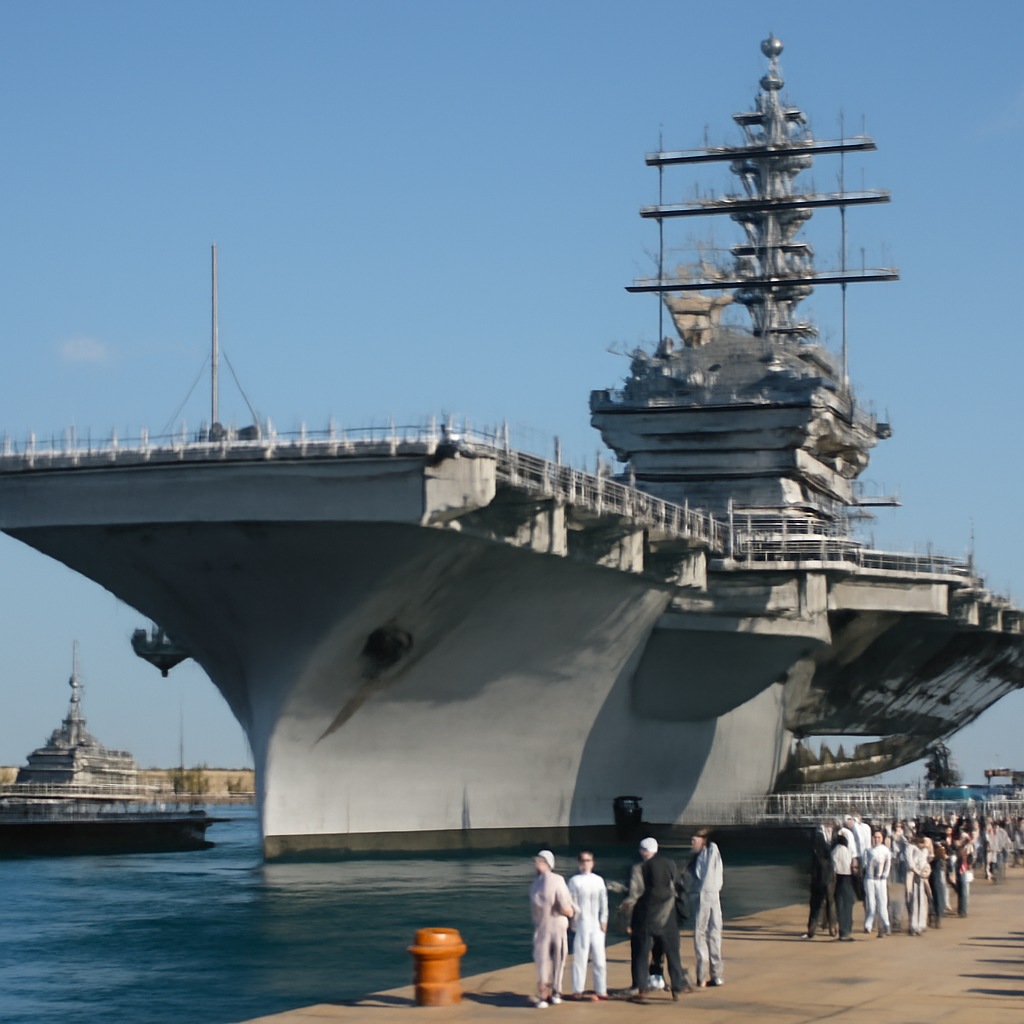
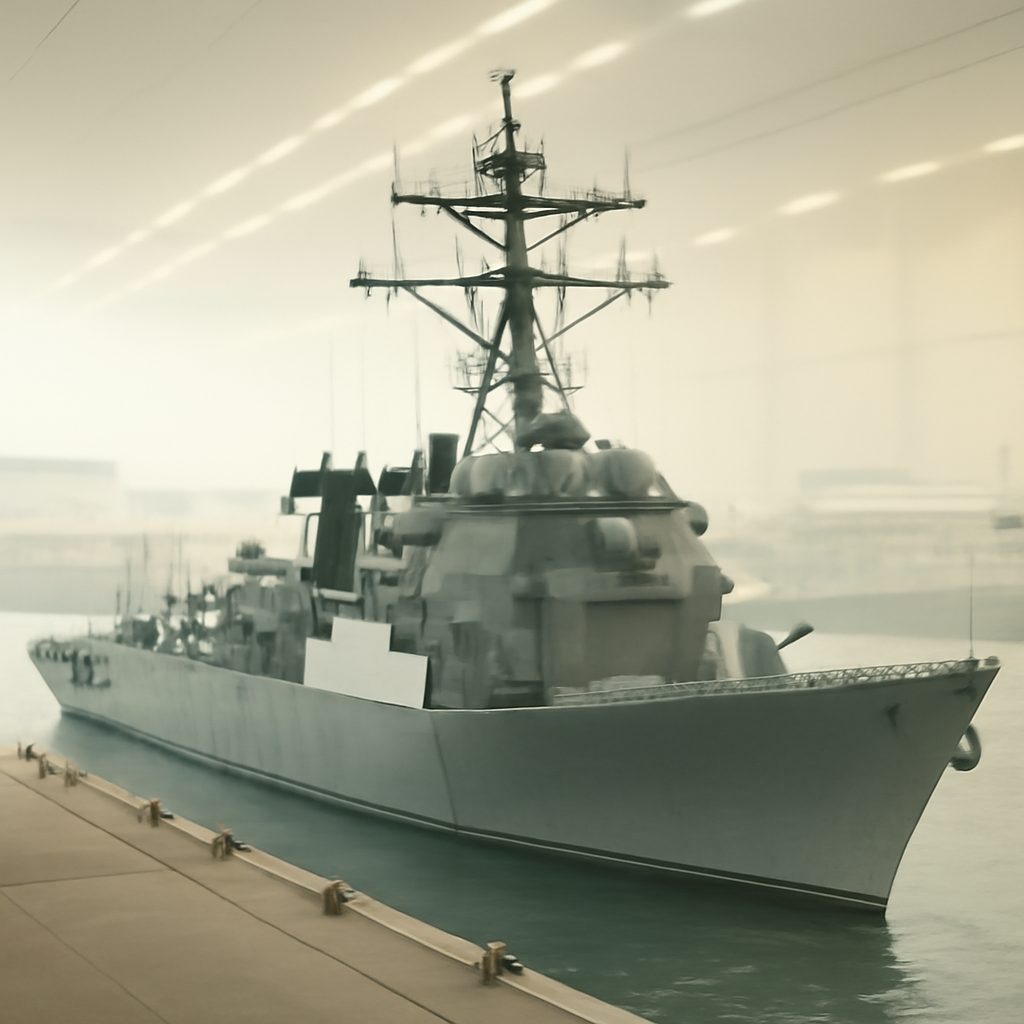
North Korea has commissioned the Choe Hyon (51), the first of four planned Choe Hyon-class guided-missile destroyers and the largest warship the country has ever built, the state-run Korean Central News Agency reported on 23 June. The ship is roughly 145 metres long, displaces about 5,000 tonnes, and will serve with the West Sea Fleet of the Korean People’s Army Navy (KPAN). Launched at Nampho in April 2025, the vessel then spent roughly 14 months in sea trials and modification before entering service.
The destroyer’s fitted sensors and armament mark a clear step beyond coastal patrol platforms. It carries 88 vertical launch system (VLS) cells — 64 aft and 24 forward — across several cell types, plus eight inclined launchers in the superstructure. With its other launchers, the ship appears able to carry up to 104 missiles. Its gun and close-in armament include a 127mm main gun at the bow, two six‑barrel 30mm close-in weapon systems resembling China’s Type 730, and a Russian Pantsir‑M‑type air‑defence mount aft. The ship also carries torpedo tubes, decoy launchers, and a new 12‑tube anti‑submarine launcher on each side, and is fitted with four fixed phased‑array radar panels and an electronic‑warfare suite.
Kim’s “strategic” language and the claim of naval nuclearisation
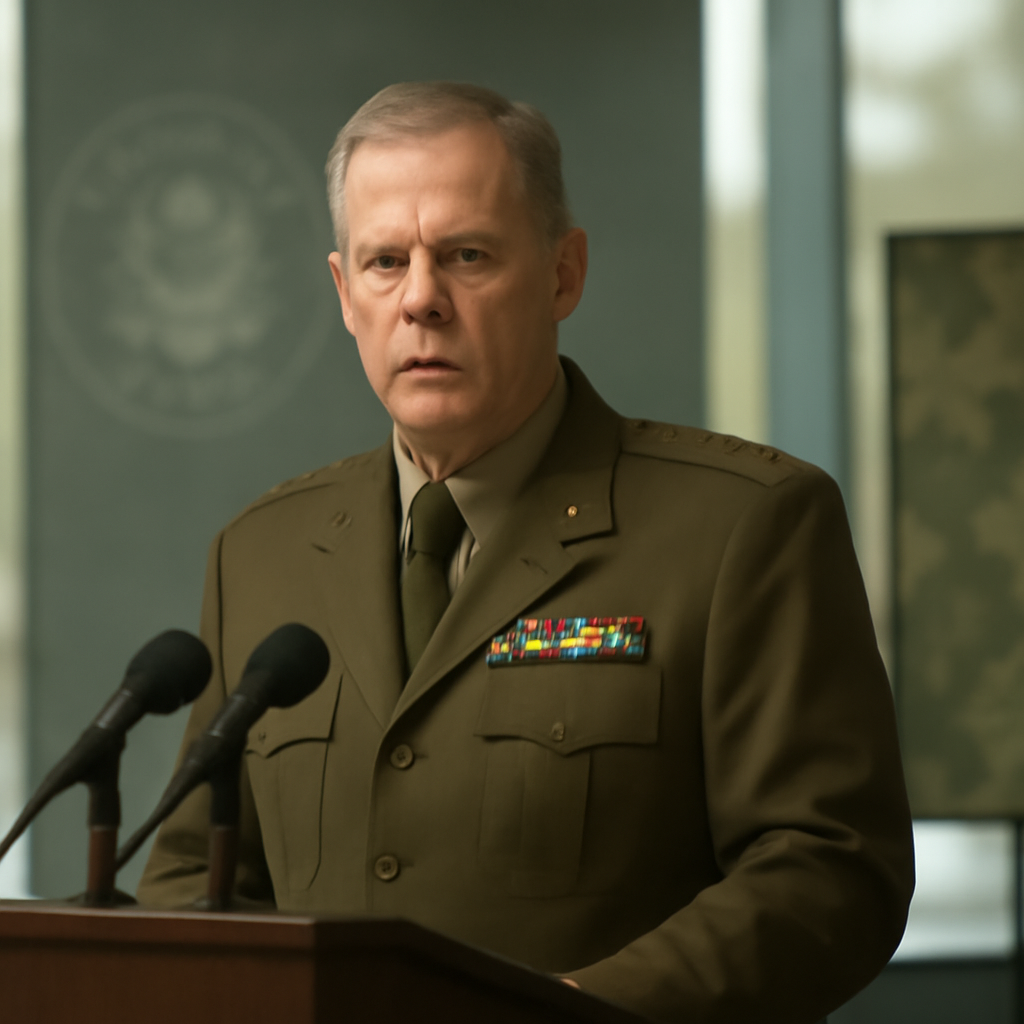
At the commissioning ceremony, Kim told state media the navy is becoming a force with “strategic capabilities,” and KCNA reported that a program to arm the navy with nuclear weapons is “progressing as planned.” At the ship’s launch in April 2025, Kim had claimed the vessel would be able to carry nuclear‑armed strategic cruise missiles and tactical ballistic missiles. Those claims are carried by North Korean state media; outside analysts have not independently confirmed that the Choe Hyon can field nuclear weapons at sea.
The article notes North Korea’s usage of the adjective “strategic” as a deliberate label for systems the regime ties to nuclear weapons. Applied to the navy, that choice of words points to an intent — at least in rhetoric — to put nuclear‑capable missiles to sea.

This site is the portfolio.
OSINTSights runs on Cloudflare Workers, D1, R2, and Vectorize, with an AI pipeline on Hetzner ARM. Nubivance designed, built, and operates it. We do the same for clients.
See what we buildAmbitions: Kang Kon, 10,000‑tonne cruisers, and a two‑ship annual pace
Kim set out plans that extend well beyond the single destroyer. He said the second ship in the class, Kang Kon (52), would enter service soon, and he described a follow‑on plan for a new class of 10,000‑tonne “strategic” cruisers — roughly twice the Choe Hyon’s displacement. He set a target of building two major warships a year, aiming for a fleet of around a dozen by the early 2030s. The plan, as reported, frames a deliberate shift in priority from coastal defence toward a blue‑water navy with greater reach.
Operational implications for the West Sea Fleet and regional forces
For the West Sea Fleet, the Choe Hyon is the largest and most heavily armed platform yet assigned to it, and the commissioning represents what the navy described as an end to more than 70 years of stagnation. If the ship’s weapons and sensors perform as described, it would broaden the fleet’s surface‑action and air‑defence reach and add anti‑submarine capabilities.
For regional navies and observers, the destroyer signals a change in North Korea’s maritime posture: the stated goal is a blue‑water fleet rather than a strictly coastal defence force. How other navies will respond is not covered in the report; what is recorded is North Korea’s intent to expand ship size and output.
How outside analysts and state media frame the claim
North Korean state media carries the claims directly, including Kim’s promise that the navy is gaining “strategic capabilities.” Outside analysts, by contrast, have not independently confirmed the ship’s nuclear capability. That divergence — state assertion versus external verification — frames the immediate analytical task: to establish whether the Choe Hyon will in practice host nuclear‑capable cruise missiles or ballistic missiles, or whether the designation remains a declaratory signal.
The commissioning is both a technical milestone and a political message. Kim’s description of the event as “a new chapter” captures the intent; the technical record in the state report — displacement, armament counts, sensors, and planned follow‑on hulls — shows how North Korea plans to write it. Whether the navy’s asserted “strategic” armaments materialise at sea remains the central, verifiable question in the months and years ahead.