Tag: geopolitics
939 articles

Autonomous AI Attacks Target Critical Infrastructure
The threat of autonomous AI attacks on critical infrastructure is no longer a distant possibility, but a looming reality that could unleash devastating kinetic disasters, warns Tom Kellermann, VP of AI security and threat research at TrendAI. The perfect storm of rising geopolitical tension and increasingly powerful off-the-shelf AI agents makes a crippling attack on our infrastructure not just plausible, but imminent.
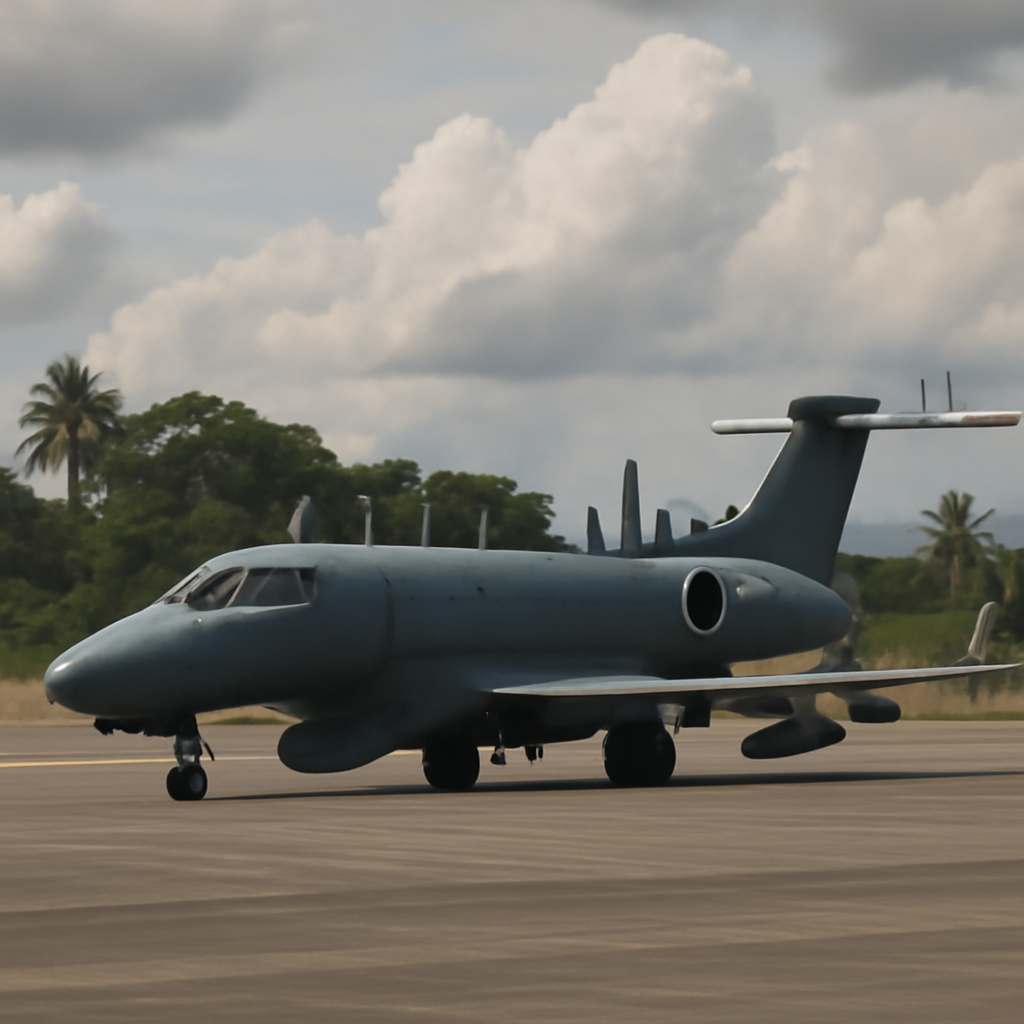
Australia Deploys MC-55 Electronic Warfare Jet to South China Sea
Australia has taken a bold step in the South China Sea, deploying its advanced MC-55A Peregrine electronic warfare jet on a series of intense 4-8 hour missions from a Philippine airbase since late July. This marks the aircraft's first overseas deployment, signaling a significant move by the Royal Australian Air Force in the region.
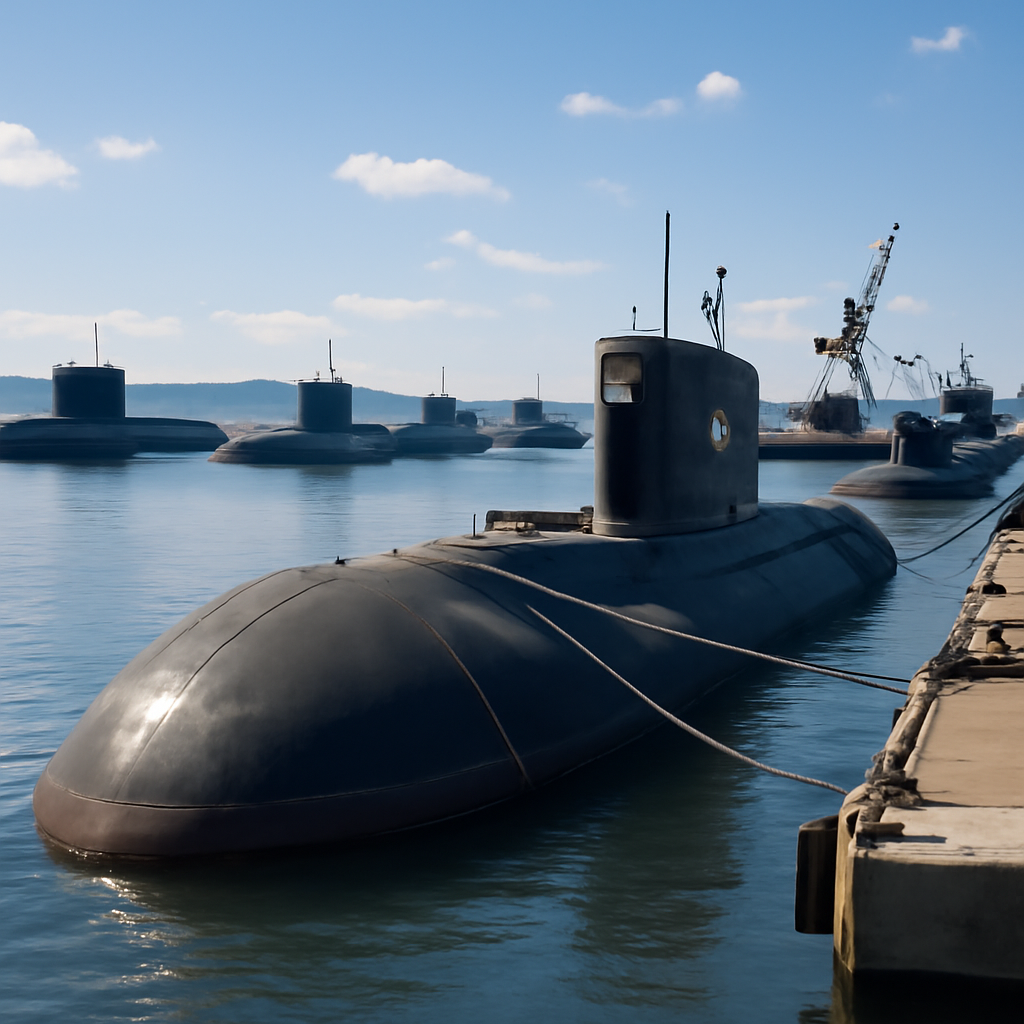
Russia's Pacific Submarines Bolster China's Military Options
Russia's impressive fleet of 23 Pacific submarines - outnumbering China's northern fleet by six vessels - significantly expands China's military options in the region. This substantial naval presence could play a game-changing role in a future Pacific crisis.
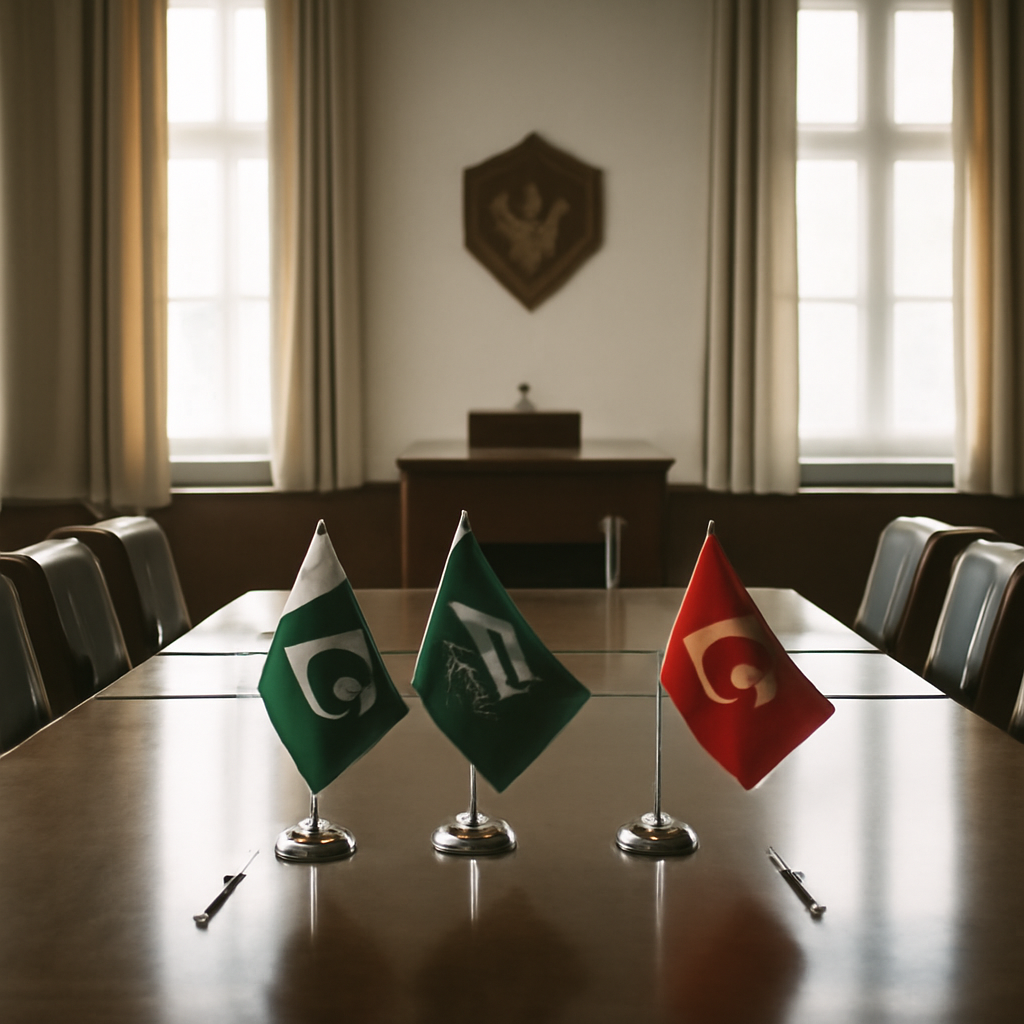
Mecca Defence Pact Targets Regional Security Gaps
The Mecca Joint Defence Agreement brings together Pakistan, Saudi Arabia, and Türkiye in a groundbreaking pact, but can it live up to its promise of regional security - or will it fall prey to the same pitfalls as its historical predecessors? The answer lies in the logistics, industry, and political will of its signatories.
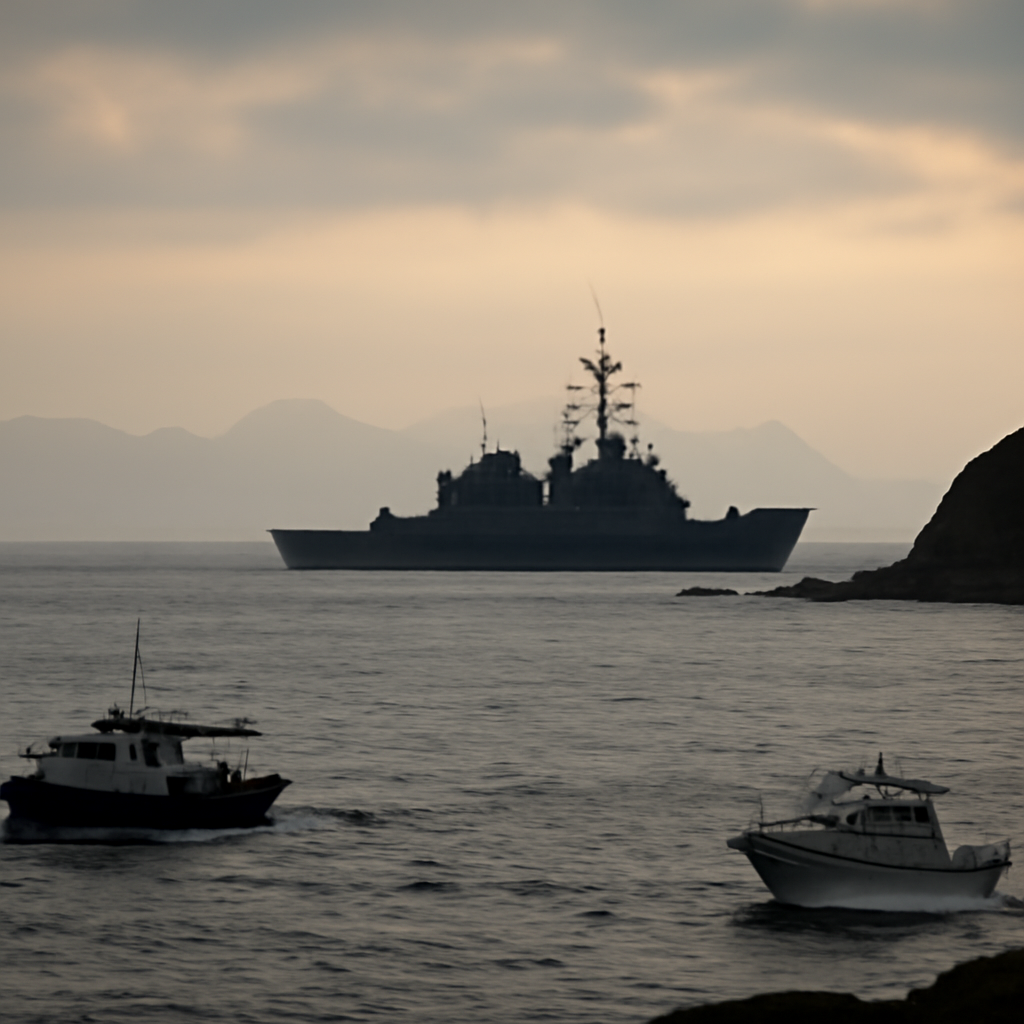
Australia's Taiwan Dilemma Exposes Maritime Security Gaps
As US Senator Tammy Duckworth warns, China may opt for a stealthier approach to controlling Taiwan, imposing an economic blockade by 2028 rather than launching a full-scale invasion, highlighting a pressing concern for Canberra. This looming threat exposes gaps in maritime security, raising questions about how access to Taiwan's maritime approaches can be safeguarded without sparking conflict.
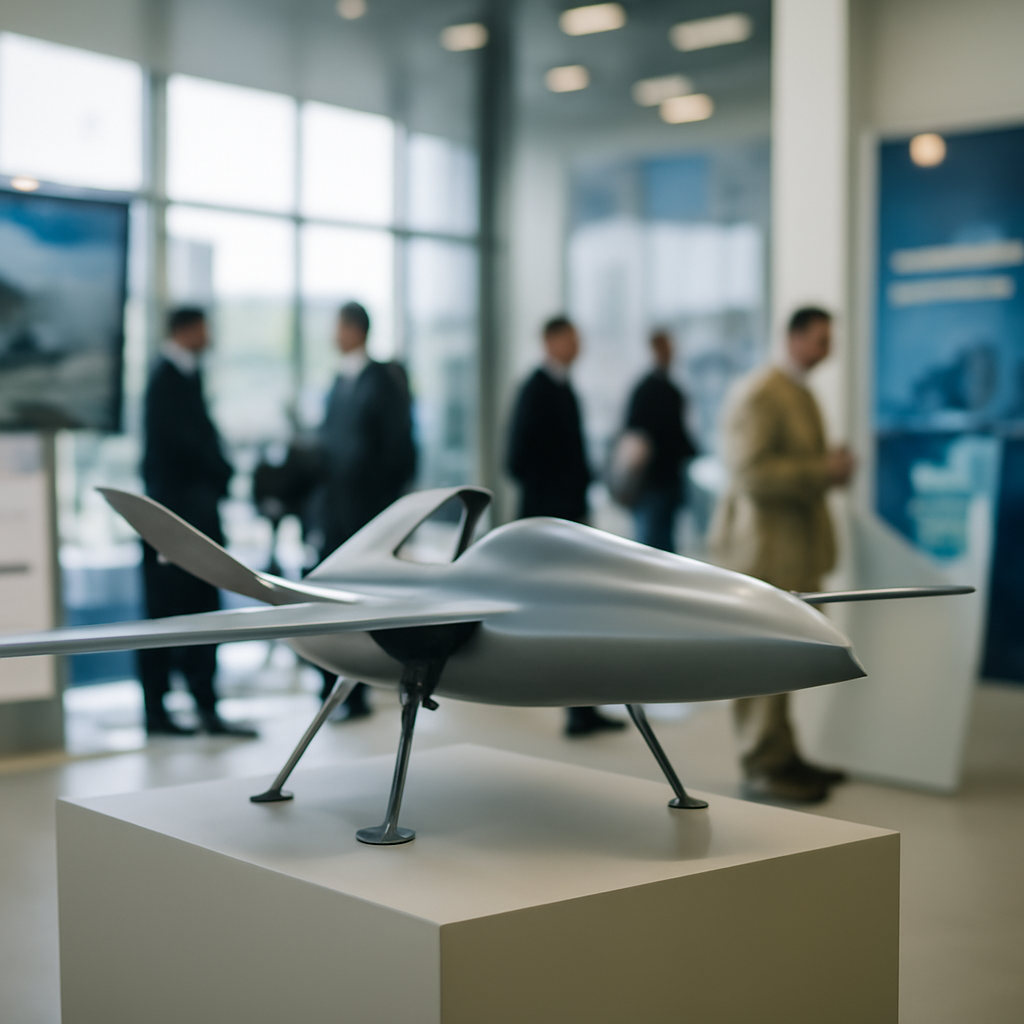
Ukraine's Fire Point Courts Pakistan with Advanced Strike Drones
Ukraine's Fire Point is wooing Pakistan with its cutting-edge strike drones, telling potential partners that strategic depth is no longer a guarantee in modern warfare. The Kyiv-based defence contractor is positioning itself as a leader in long-range loitering munitions and guided missiles.
US Bolsters Latin America Security with New Task Force
The US has taken a significant step in bolstering Latin America security with the launch of the Joint Task Force Western Hemisphere, a bold move to combat organized crime in the region. This development is part of a broader effort, Operation Southern Spear, which has already made waves with expanded military and economic initiatives.
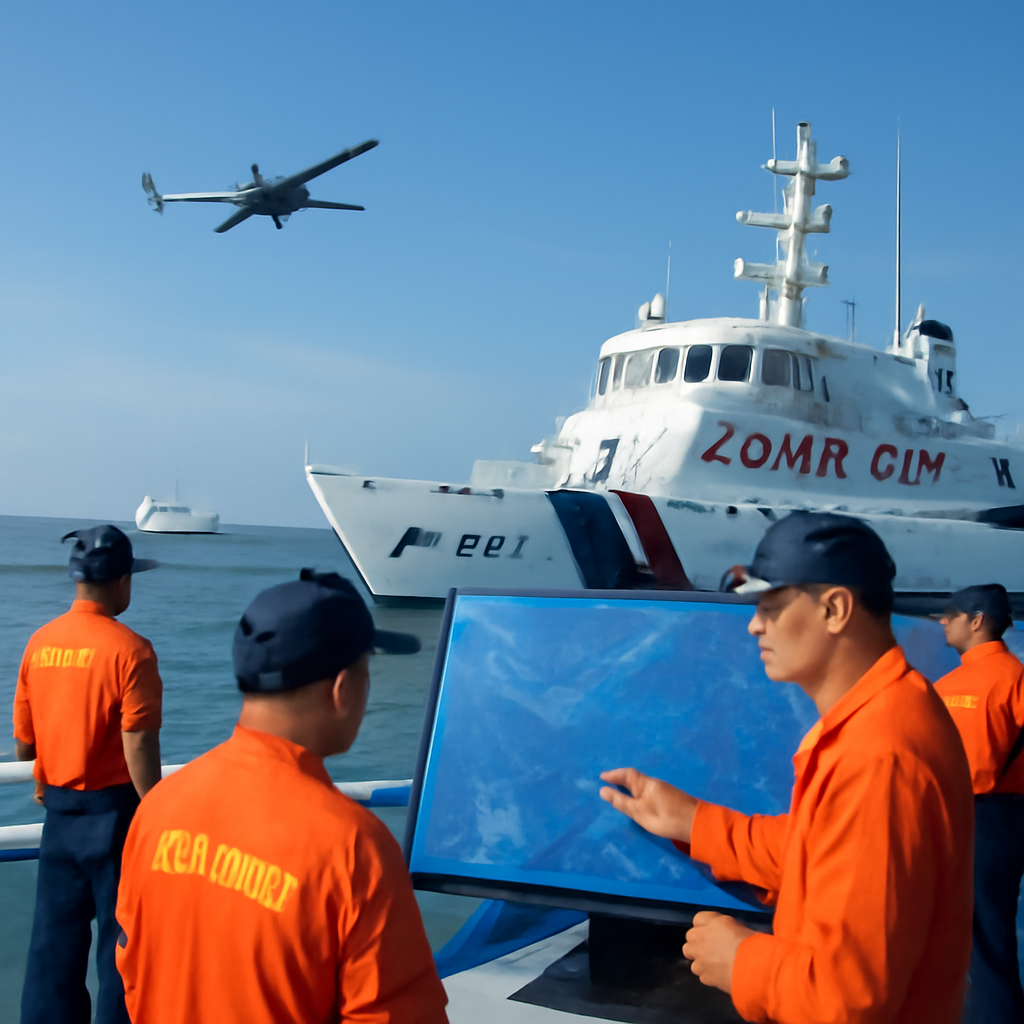
Australia Urges Southeast Asian Nations to Clarify Maritime Incidents
Australia is stepping up its support for Southeast Asian nations to tackle maritime incidents, with a recent pledge of A$10 million to enhance the Philippine Coast Guard's drone technology and training. This move aims to boost the region's maritime domain awareness, but experts warn that more data doesn't always mean more clarity.
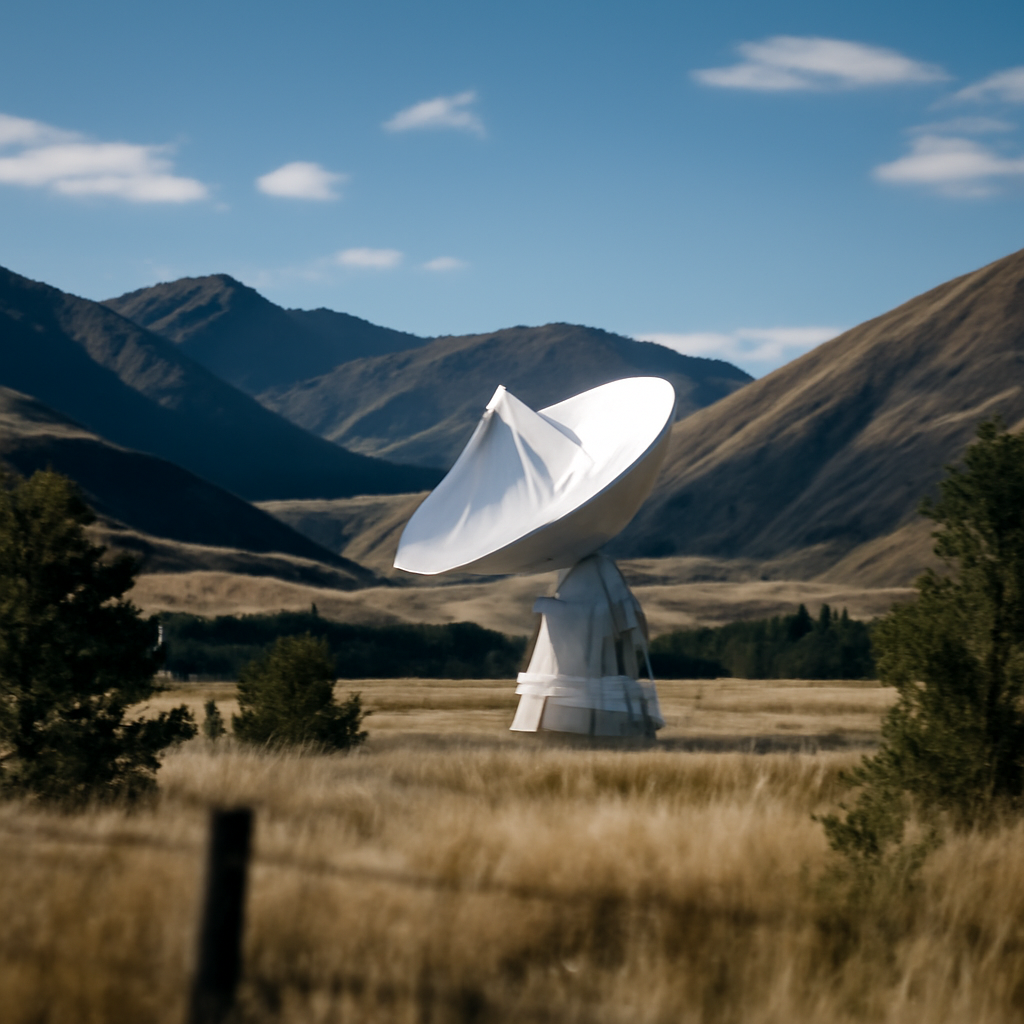
China Exploits New Zealand's Space Sector for Military Intelligence
China's military intelligence efforts have infiltrated New Zealand's space sector, with a local company unwittingly at the center of an attempted space-based spying operation. The plot involved a China-based organization called Purple Mountain Observatory, which tried to install Ground Based Space Infrastructure in New Zealand to track satellites and space debris.
US Military Grapples with China Rare Earth Dominance
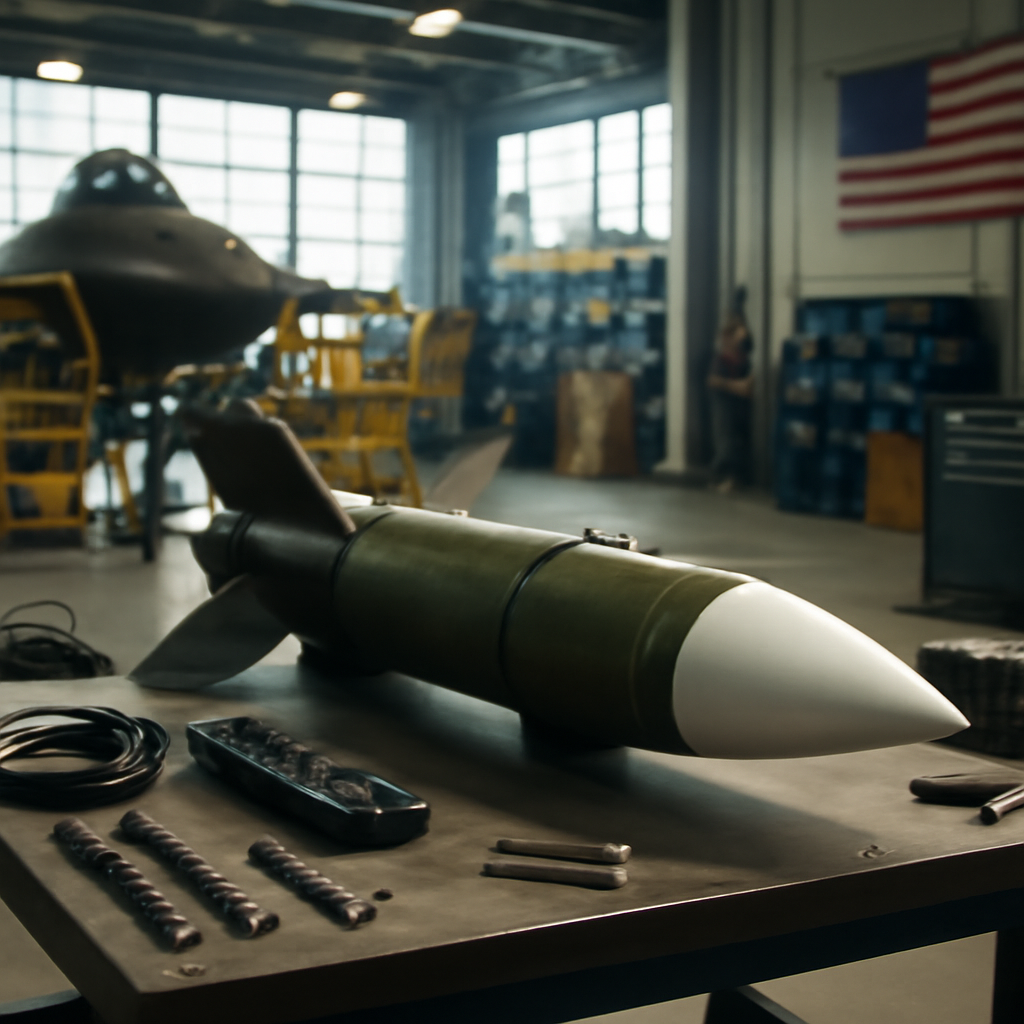
The US military is facing a daunting reality: a single fighter jet, like the F-35, requires over 400 kilograms of rare earths to build, highlighting the alarming dependence on these critical minerals. China, which controls a whopping 70% of rare earth mining and 90% of processing, holds the reins on the global supply chain.
US Marine Corps Shifts Command in Pacific Amid Rising Threats
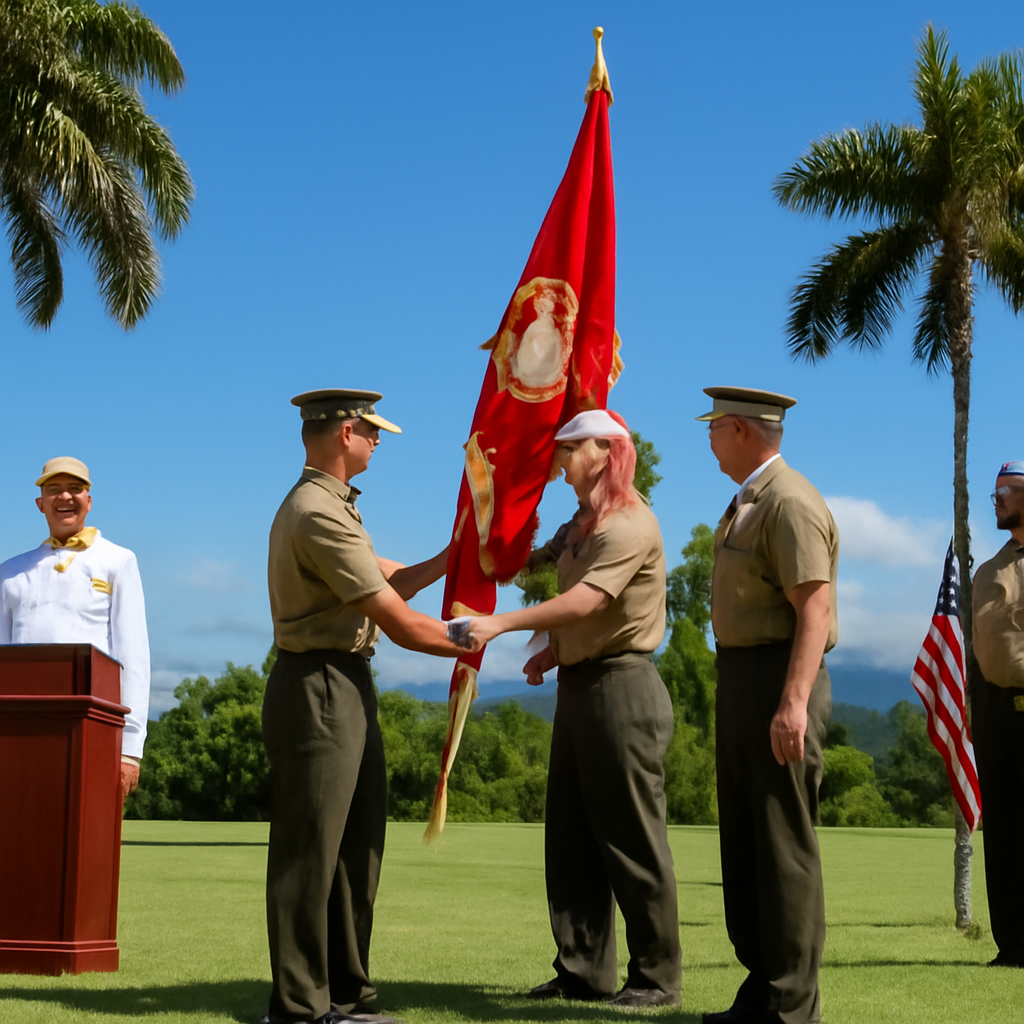
The US Marine Corps is bolstering its presence in the Pacific with a significant leadership shakeup, as Lt. Gen. James Glynn handed over command to Lt. Gen. Roger Turner in a ceremony at Marine Corps Base Hawaii. This strategic move comes as the region faces rising threats, with the Marine Corps' Commandant Gen. Eric Smith emphasizing that the Corps' future lies in the Pacific.
Britain's New PM Affirms AUKUS Commitment
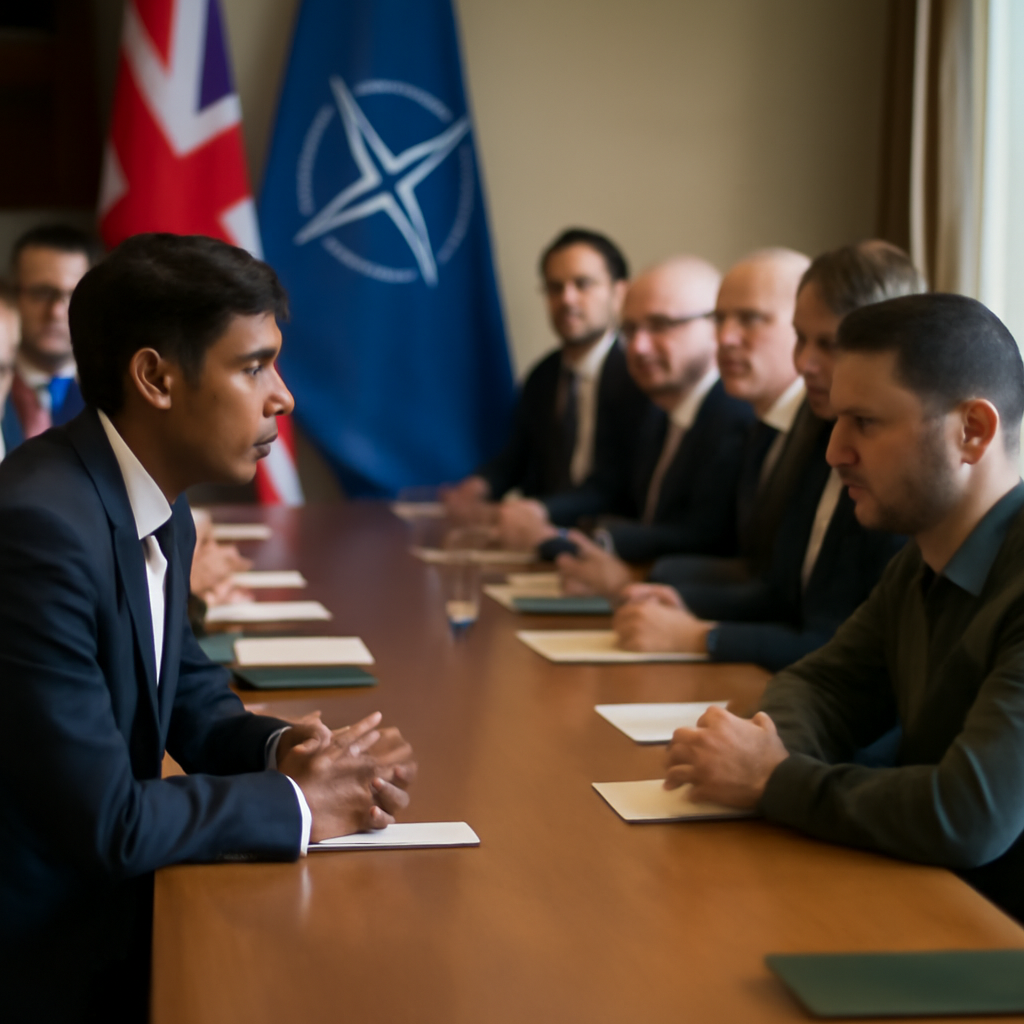
New Prime Minister Andy Burnham is hitting the ground running, affirming Britain's commitment to AUKUS and hosting Ukraine's President Volodymyr Zelensky as his first international visitor, a move that signals continuity on defence and diplomacy. By doing so, Burnham is framing global issues as inextricably linked to domestic concerns, setting the tone for a joined-up approach to governance.

Australia Bolsters Defence with Self-Reliance Strategy
Australia is proactively shoring up its defence with a bold self-reliance strategy, aimed at navigating the country's increasingly complex and uncertain strategic environment. The move comes as global powers jostle for influence in a world without a single dominant leader.
Foreign Arms Makers Abandon Pakistan Deals Amid Concerns Over Unlicensed Maintenance, Security Controls
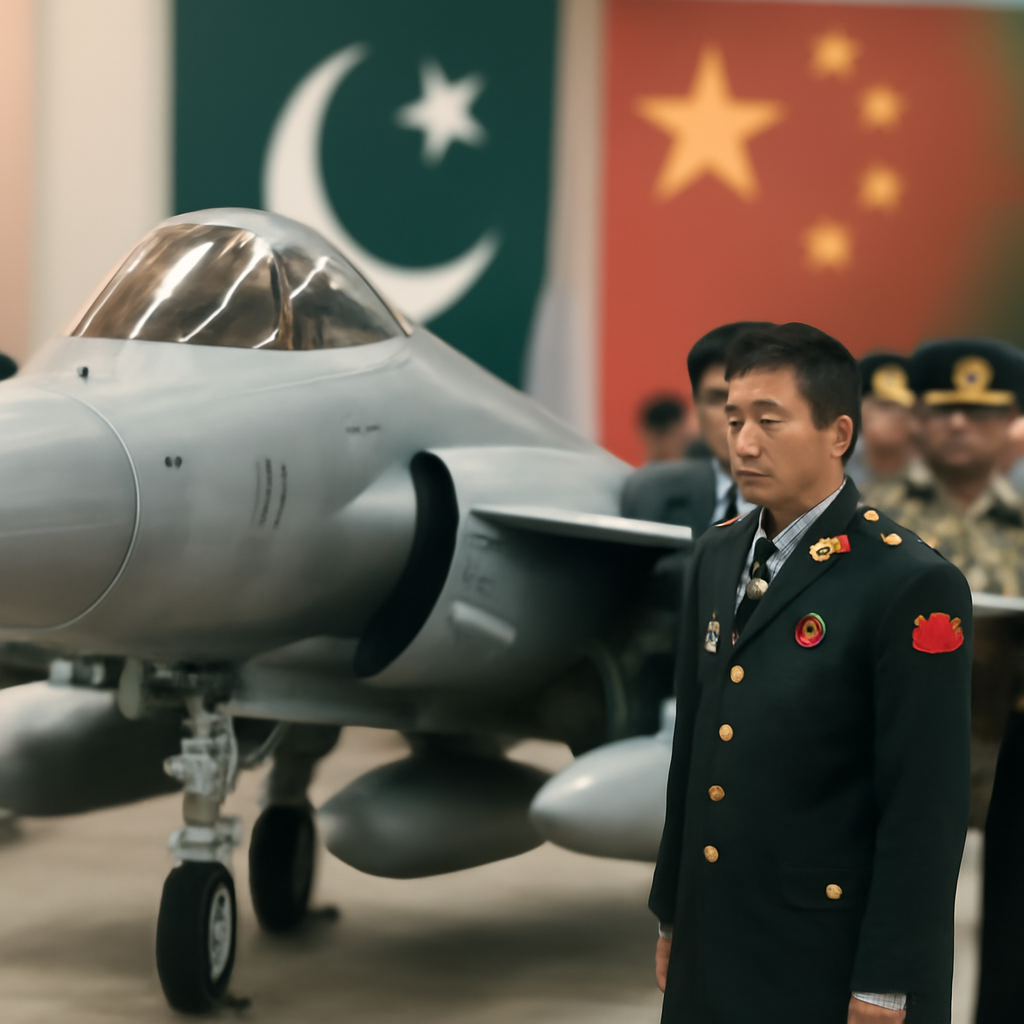
Pakistan's defence market is becoming increasingly reliant on China, with a whopping 80% of its major arms imports coming from the country between 2021 and 2025. This dominant share has jumped from 73% in the previous five-year period, solidifying China's position as Pakistan's top arms supplier.

US Space Command Urges Evolution in Protecting Space Assets
The US Space Command is pushing for a major upgrade in protecting its space assets, driven by a key lesson from recent conflicts: fixed infrastructure is a sitting duck for enemy attacks. Gen. Stephen Whiting cites Iranian drone and missile strikes during Epic Fury, which damaged multiple radar sites and exposed the vulnerability of high-value systems.
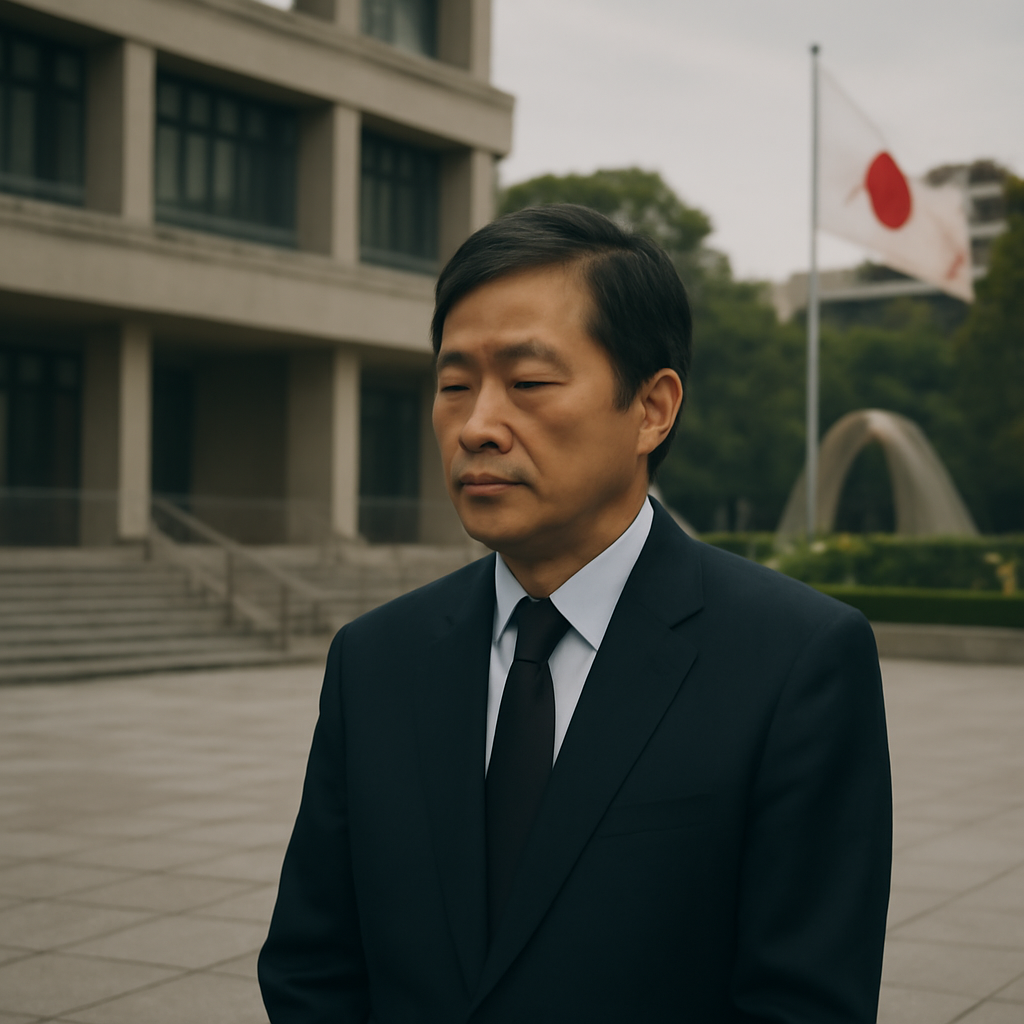
Japan Weighs Limits of US Nuclear Umbrella
As Japan's leaders gathered to commemorate the 81st anniversaries of the atomic bombings, a subtle yet significant shift in tone revealed a growing strategic dilemma: can Tokyo balance its commitment to the Three Non-Nuclear Principles with a more pragmatic approach to security? Prime Minister Takaichi Sanae's emphasis on a "realistic and practical" approach sparked a contrast with Mayor Suzuki Shiro of Nagasaki, who urged an unequivocal commitment to the principles.

Australia Urged to Join Defence Bank as Rules Take Shape
Australia is being urged to join the Defence Security Bank, a proposed multilateral lender that will boost allied defence capabilities by mobilising private finance for defence manufacturers and their suppliers. By backing the bank, Australia can help strengthen its own defence industry and play a key role in supporting global security.
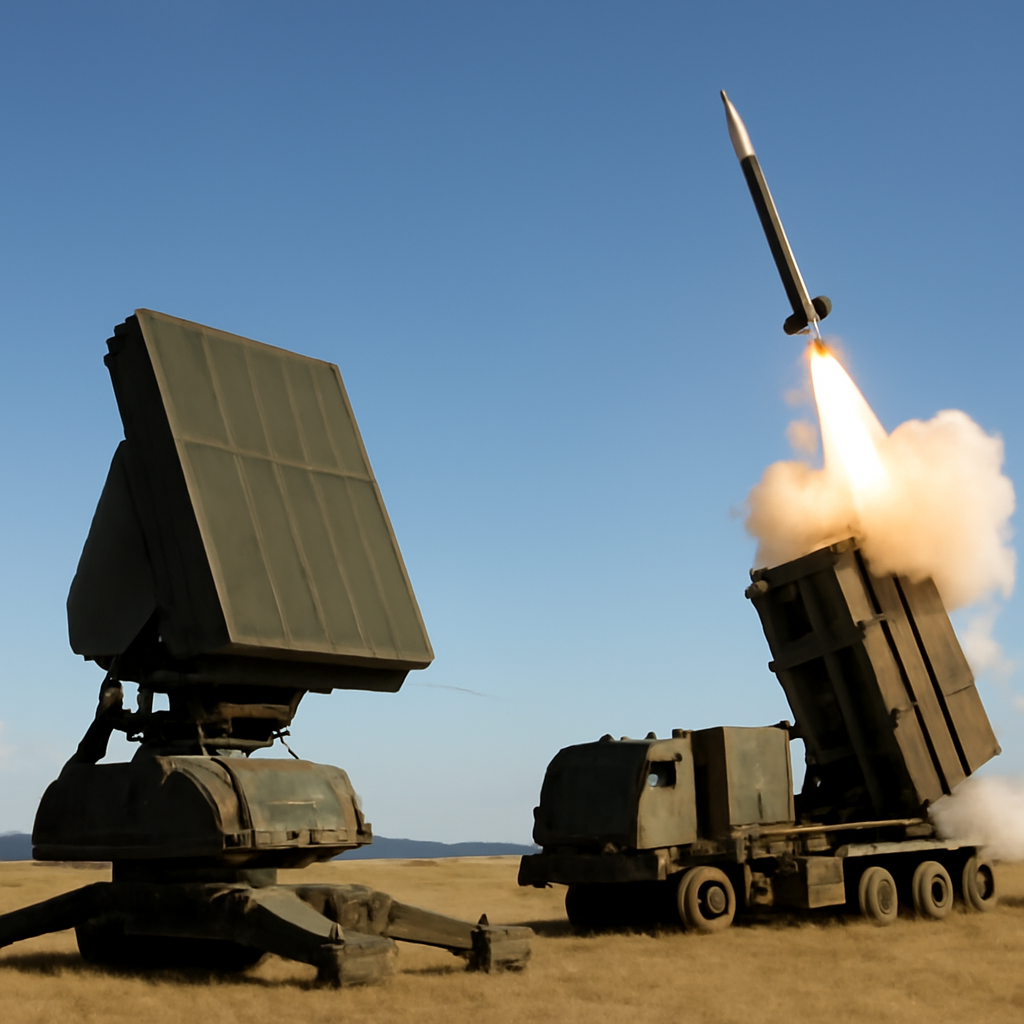
US Army Neutralizes Over 1,400 Iranian Missiles, Drones
The US Army has successfully neutralized over 1,400 Iranian missiles and drones in the largest air and missile defense fight in US history, a 14-month campaign led by Lt. Gen. John Rafferty that saw unprecedented action against ballistic, cruise, and unmanned aerial threats.

UN's Absence Exposes Gaps in Global Crisis Mediation
The UN's quiet absence from major diplomatic crises has become the new norm, leaving a void that's being filled by unexpected regional players like Oman, Qatar, Turkey, and Pakistan, who are stepping up to mediate global conflicts. They're proving to be surprisingly effective, with Oman acting as a trusted backchannel between the US and Iran, and Qatar brokering high-stakes talks between the US and the Taliban.
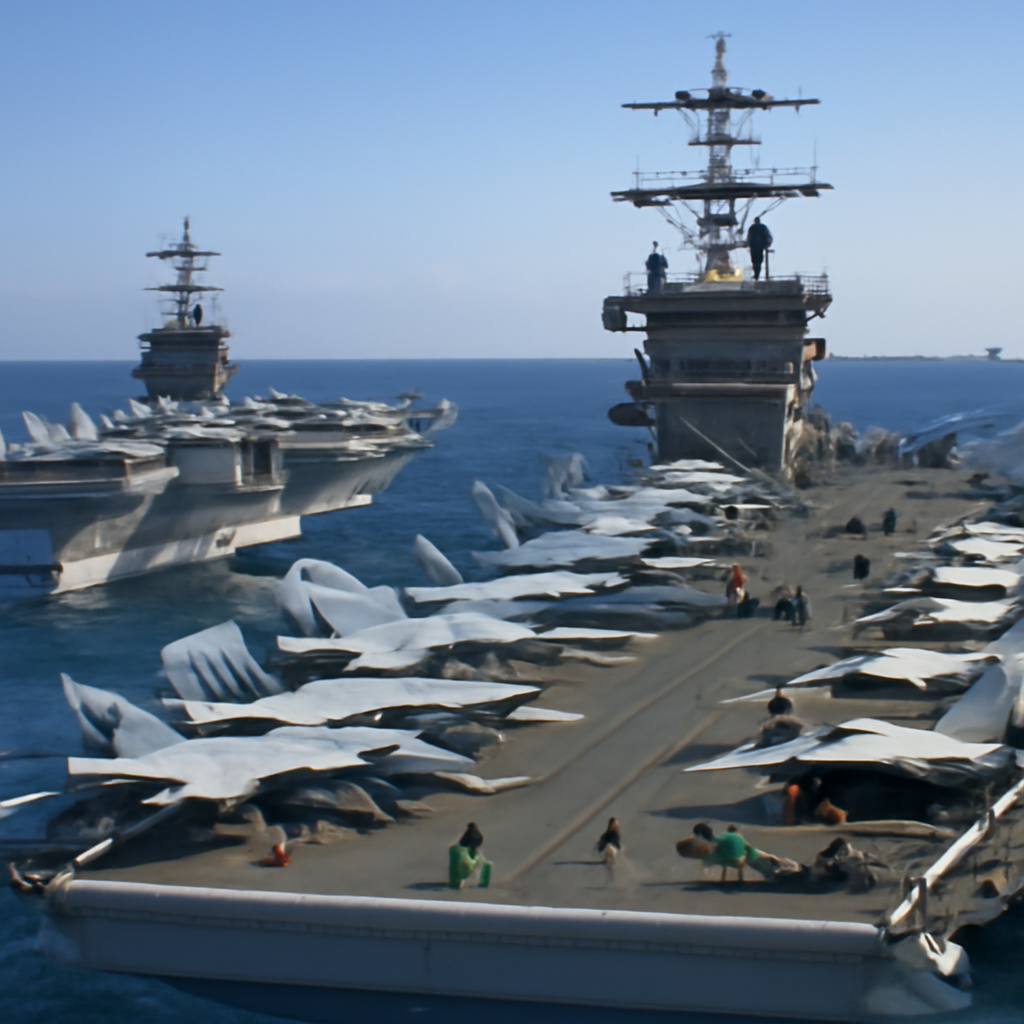
US Aircraft Carriers Deploy in Show of Force Amid Iran Talks
As tensions with Iran escalate, two US aircraft carriers have been deployed to the northern Arabian Sea, flexing their military muscle in a show of force. With less than a week to go until a crucial deadline, the US is walking a fine line between applying pressure and exercising restraint.

Xi Jinping Consolidates Power in China
In 1978, Deng Xiaoping's groundbreaking "reform and opening" of China's economy sparked hopes for gradual political liberalization, but Minxin Pei argues that Deng's true intention was to preserve the Communist Party's grip on power, not pave the way for democracy.
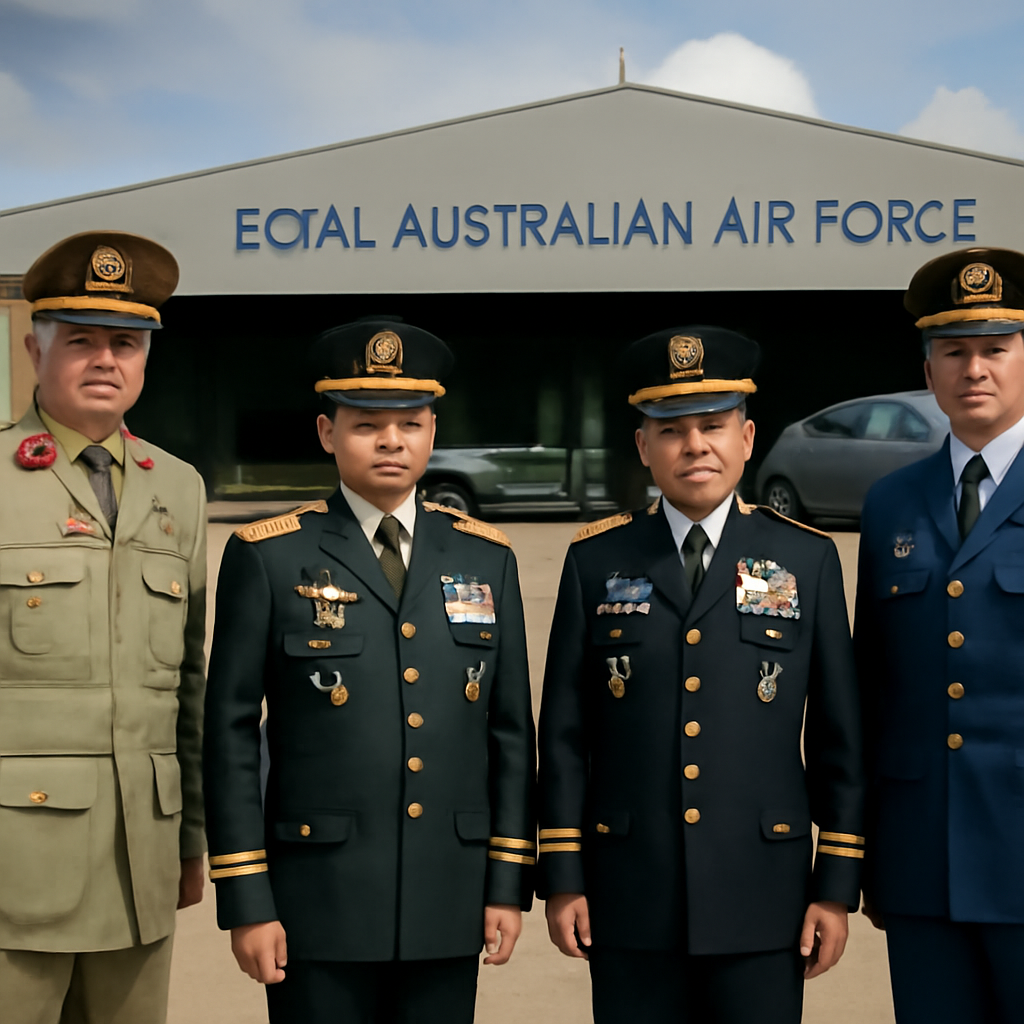
Australia Bolsters Philippines Defence Ties Amid South China Sea Tensions
In a show of solidarity, Australia and the Philippines are strengthening their defence ties, with a recent high-level visit underscoring their shared commitment to upholding rights and freedoms in the South China Sea. The move comes as the region faces rising tensions, with both nations vowing to turn rhetoric into action.
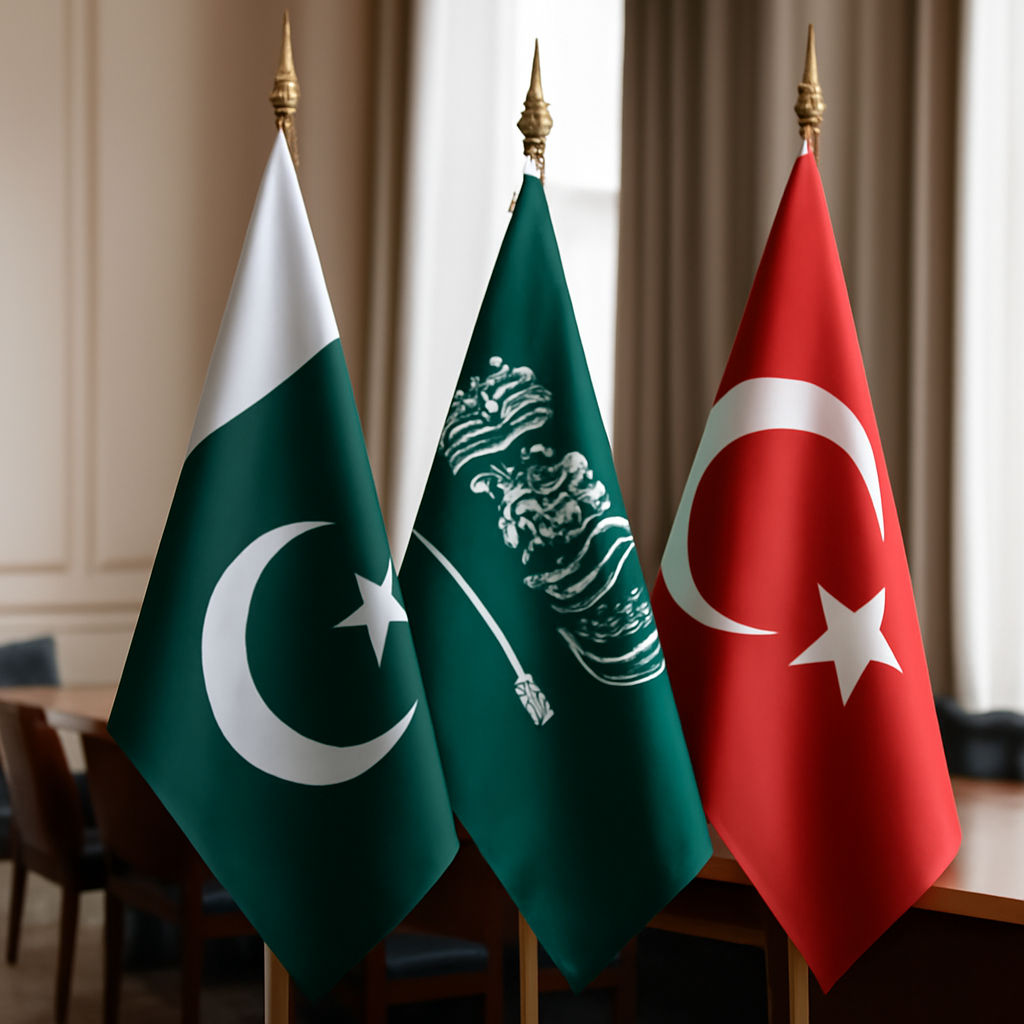
US Influence Eroded by Mecca Defense Pact
The Mecca Joint Defense Agreement marks a significant shift in regional dynamics, as Pakistan, Saudi Arabia, and Türkiye unite under a collective-defense clause that could redefine the rules of engagement in West Asia. This bold move challenges US influence, signaling that traditional power players are no longer the only game in town.

Pakistan, Saudi Arabia, Türkiye Forge Trilateral Defence Pact
In a historic move, Pakistan, Saudi Arabia, and Türkiye have joined forces to sign a groundbreaking trilateral defence pact, committing to mutual defence in the face of armed attacks. The Makkah Joint Defence Agreement marks a major milestone in regional cooperation, with leaders hailing it as a shield of peace for generations to come.