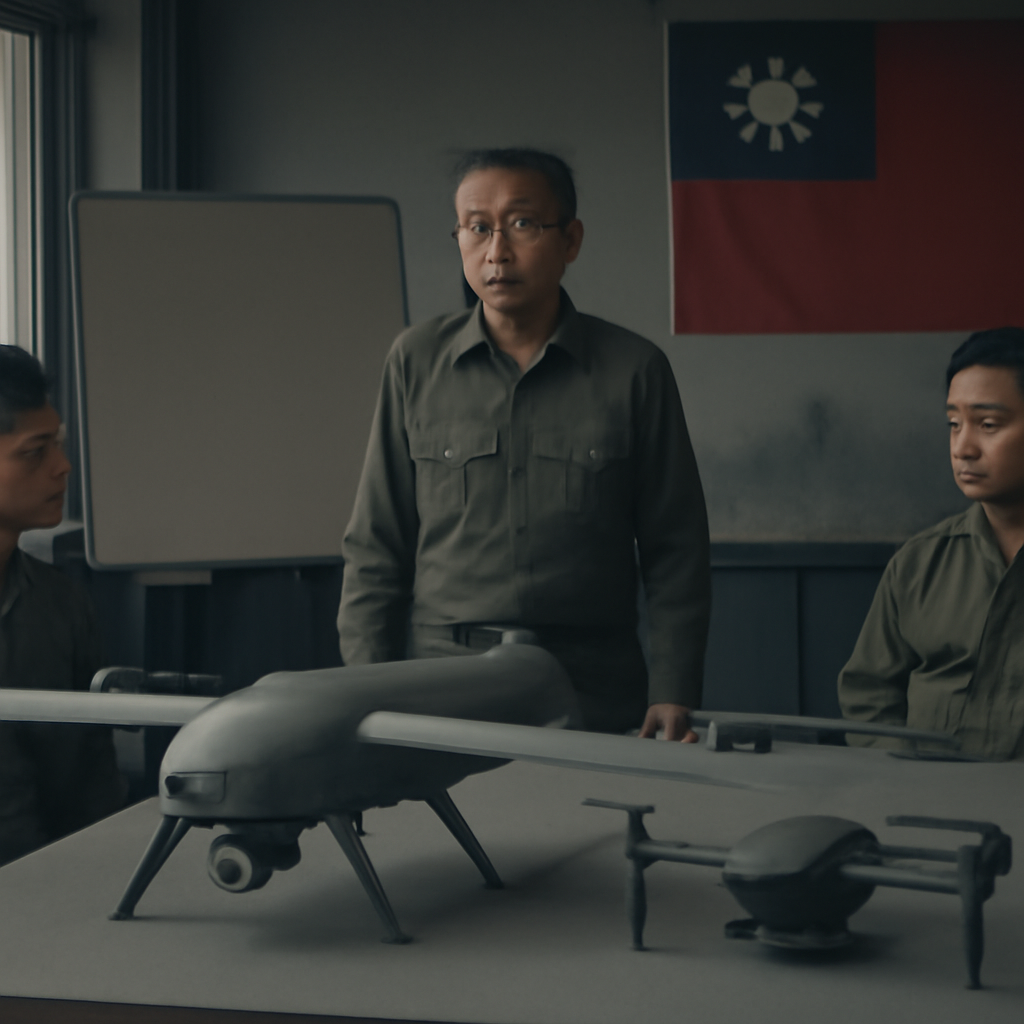
The Kuomintang-led legislature trimmed a special military budget to $25 billion from a proposed $40 billion, removing the domestic programs that advocates said would have helped Taiwan "grow into an ‘indigestible hedgehog’."
The vote in Taipei: KMT, Cheng Li-wun, and a pared-down package
The Taiwanese legislature, led by the China-friendly Kuomintang (KMT), passed a reduced version of a special military budget that President Lai Ching-te had championed. The original proposal was for $40 billion; the legislature approved $25 billion. The KMT under chair Cheng Li-wun excised what the source calls "all the most important spending" from the plan.
What was cut: domestic programs and 200,000 small drones
The cuts removed all domestic programs that had been part of Lai's proposal, notably orders for 200,000 small drones. The source frames those drone orders and other domestic investments as the most important elements for building a resilient, quickly scalable defence industrial base that could produce systems without relying on distant partners.

This site is the portfolio.
OSINTSights runs on Cloudflare Workers, D1, R2, and Vectorize, with an AI pipeline on Hetzner ARM. Nubivance designed, built, and operates it. We do the same for clients.
See what we buildWhat remained — and the U.S. pause that complicates spending
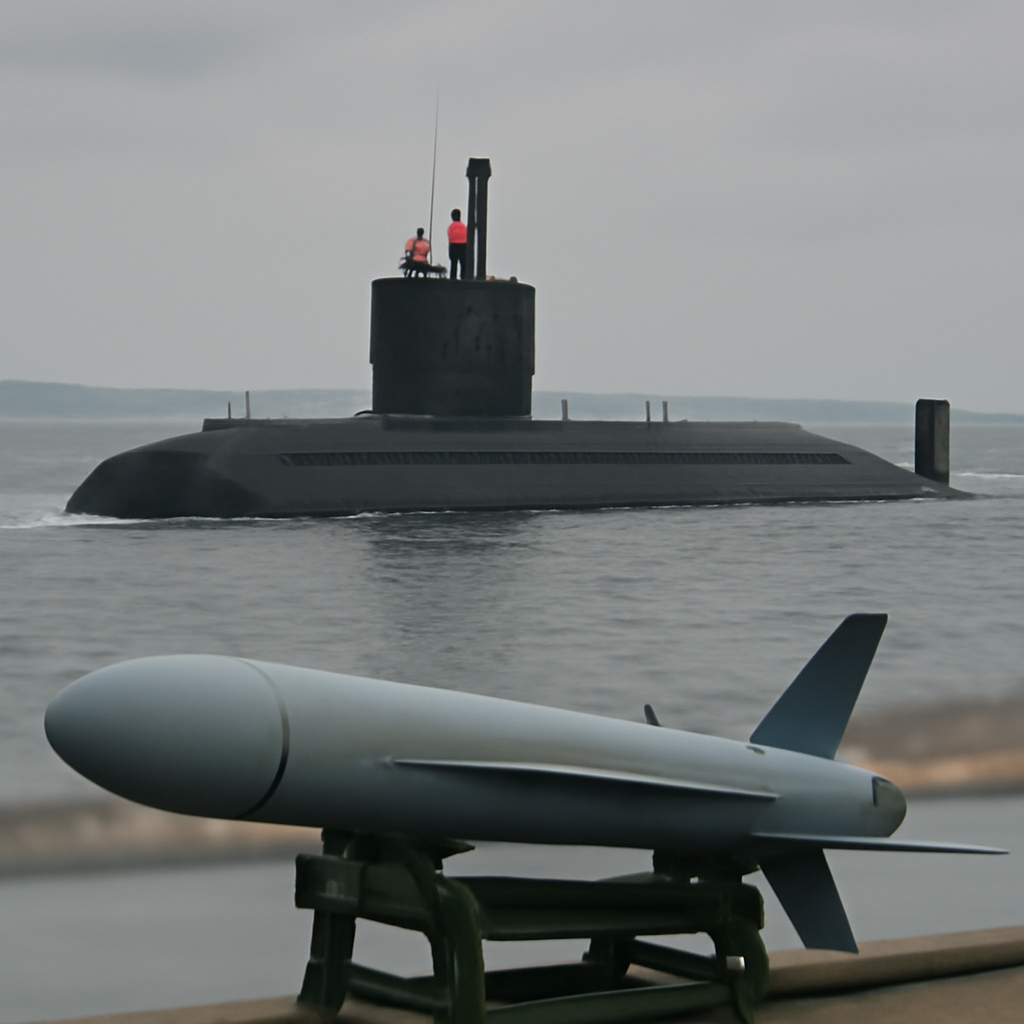
Most of what the legislature kept were large purchases of American-made munitions, including Patriot air‑defence missiles, Javelin anti‑tank missiles and rockets for HIMARS launchers. Around the same time the special budget passed, President Donald Trump froze U.S. arms sales to Taiwan, pausing announced deals for missiles and other weaponry worth $14 billion and calling such sales "a very good negotiating chip" in talks with President Xi Jinping.
The source warns of a stark contingency: if President Trump continues to withhold his signature on U.S.-Taiwan arms deals, the $25 billion in the approved special military budget — described as "mostly" American arms — would vanish along with the Taiwanese arms President Lai had proposed. In that scenario, the special budget could go unspent.
Drones as the core of an "indigestible hedgehog": lessons drawn from Ukraine
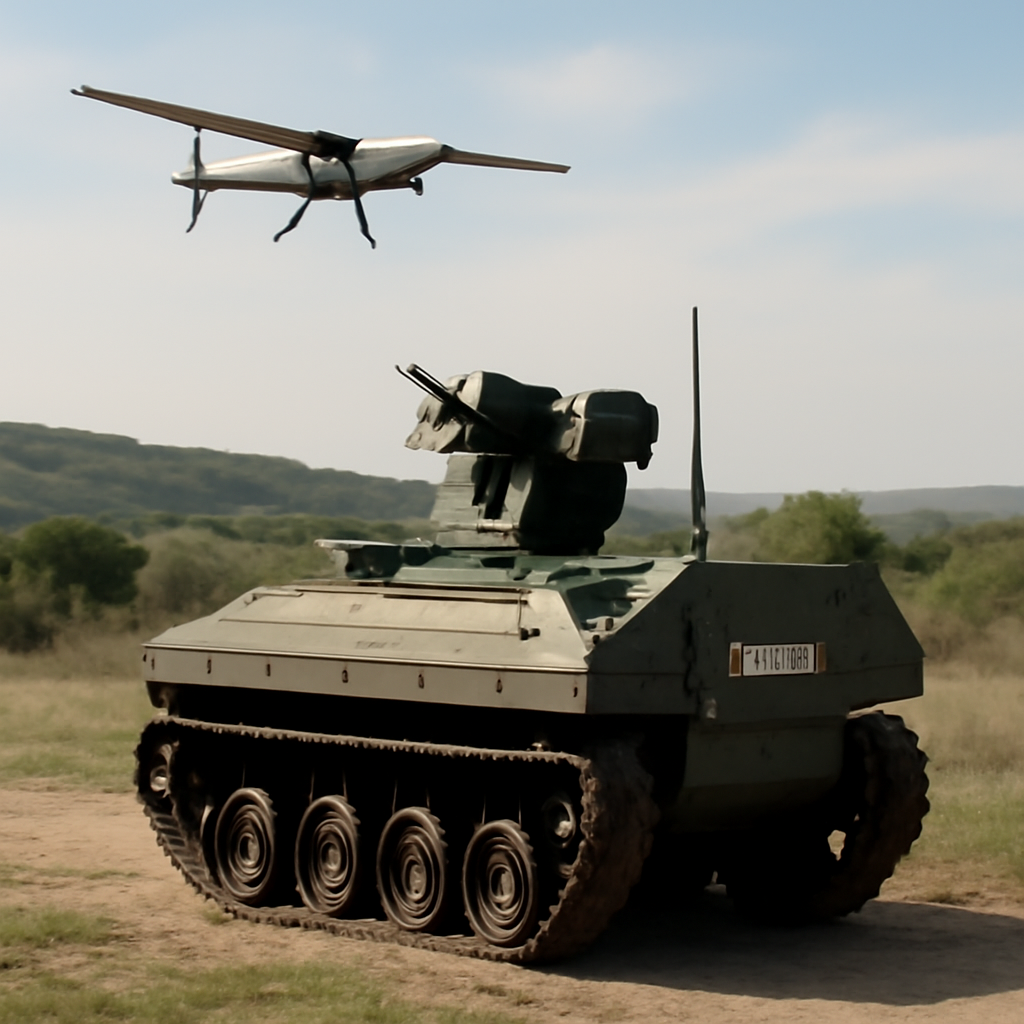
The source emphasizes small drones as central to an effective Taiwanese defence. It points to Ukraine's experience after Russia escalated its war: in two years, Ukraine's drone industry expanded from "essentially nothing" to producing literally millions of tiny explosive first-person-view (FPV) drones and hundreds of thousands of long-range one-way attack drones every year. In Ukraine, FPVs hunt frontline troops while long-range drones strike supply lines, air bases, factories and refineries.
By contrast, Taiwan is just 6 percent the size of Ukraine by area and cannot "trade space for time" in the way Ukrainian forces did when they ceded territory to buy time for industrial ramp-up. The source argues that Taiwan's drone industry must therefore already be prepared to produce the very large volumes of drones that an effective defence would require — a capacity that, according to the reporting, depends on the domestic programs removed from the budget.
What this means for Taiwan's military, Taiwanese industry, and allies
- Taiwan's military: Without the domestic programs removed from the special budget, the military would be left relying on big-ticket, foreign-made systems — useful, but less likely to provide the rapid, mass-produced small-drone capabilities the source identifies as central to a hedgehog defence.
- Taiwanese industry: The removed funding would have provided capital to expand production facilities, hire workforces and invest in research and development; those opportunities now appear constrained by the KMT's cuts, limiting the chance to build a fast-scaling drone sector at home.
- Allies and partners: The U.S. pause on $14 billion in announced arms deals introduces a twin dependency: even the items left in the approved budget depend on U.S. approvals. If those approvals remain withheld, the source warns, Taipei could see most of the $25 billion vanish, leaving both procurement and domestic industrial expansion in limbo.
The central tension is concrete and immediate: a legislative choice that cut domestic capacity at the moment Taiwan would need to scale up drone production, paired with a U.S. executive decision that has paused billions in arms transfers. The source frames those two moves as intersecting blows to the same objective — turning Taiwan from a "baby hedgehog" into something "indigestible." If the U.S. signature is not restored and Taipei's domestic programs remain excised, the special budget's practical effect could be nil. How Taiwan will reconcile a reduced, mostly foreign-dependent plan with the reported need for mass-produced small drones is the question left by these facts.