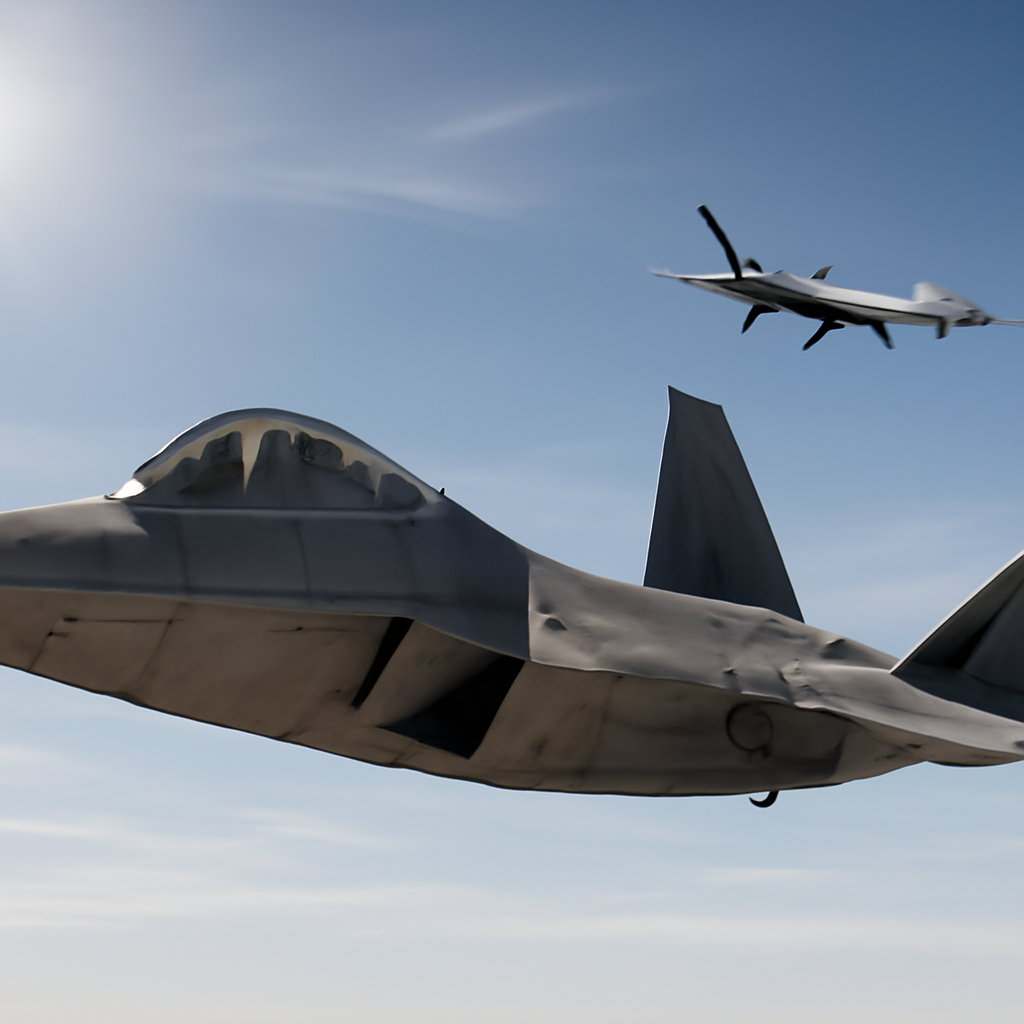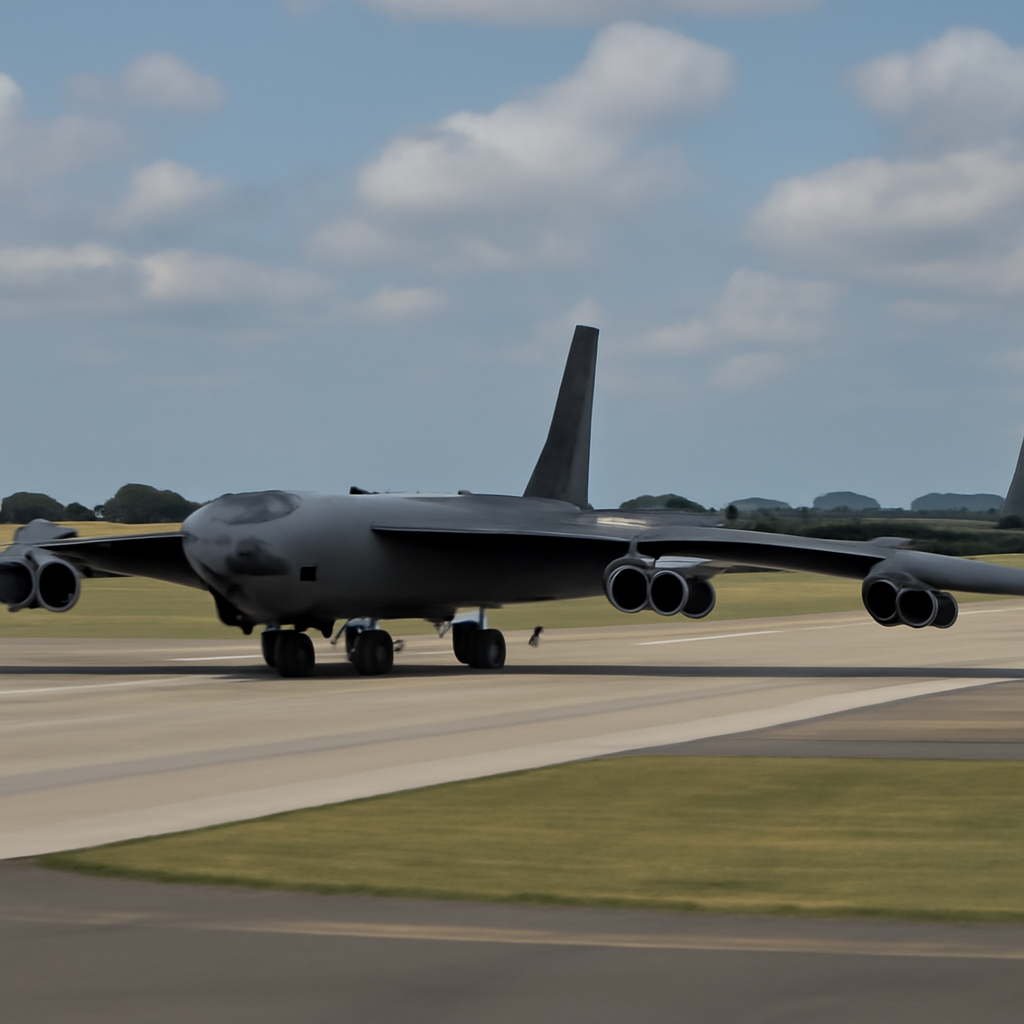
“Six B-52s left RAF Fairford today in two waves of three,” local aviation photographer Andy Riddle reported, noting departures at 10:15 a.m. and about 2:20 p.m. local time — a visible end to a forward-deployed bomber presence used to support the war against Iran.
Departure from RAF Fairford and on-the-ground reporting
Local aviation photographers captured the flights that cleared RAF Fairford in the U.K. today. Andy Riddle, whose work appears on the @Andyyyyrrrr X account, said the bombers left in two three-ship waves; another photographer, using the @Saint1Mil account, supplied still images showing B-52Hs at Fairford. The account in the field is specific about the departures and visual evidence, while both U.S. Central Command (CENTCOM) and Air Force Global Strike Command (AFGSC) declined to comment on the movement.
Operational imprint: Epic Fury and the claim of 13,000 strikes
During their stay at Fairford, the B-52s operated at a high tempo as part of the campaign labeled Epic Fury, including strikes inside Iran. The U.S. has claimed it struck 13,000 targets in the campaign; however, there is no available way to determine from public reporting how many of those strikes were carried out by the Fairford-deployed B-52s. Photographs shared with reporters showed at least one B-52 loaded with JASSM cruise missiles, illustrating the kind of long-range munitions employed during the operations.

This site is the portfolio.
OSINTSights runs on Cloudflare Workers, D1, R2, and Vectorize, with an AI pipeline on Hetzner ARM. Nubivance designed, built, and operates it. We do the same for clients.
See what we buildRemaining air assets and the logistics of reach
Although the B-52s have left Fairford, a dozen B-1 Lancer bombers remain at the base, according to @Saint1Mil. The U.S. retains the capacity to strike from the continental U.S. as well — the Air Force can launch B-52s, B-2s and B-1s from the homeland as it did during Epic Fury — but forward basing at locations such as Fairford shortens flight times, reduces wear on aircraft and crews, and increases sortie generation. The report also notes a broader retrograde of forces: since the U.S. began building up forces in the region in January, many ships, aircraft and troops will have to ‘retrograde’ out of the CENTCOM area of responsibility in the coming weeks and months. Aircraft already observed returning from the region include A-10 Thunderbolt II close attack jets, F-22s, and F-15Es.
Diplomatic context: fragile ceasefire and Doha talks
The departures came against the backdrop of a shaky ceasefire that took effect on April 8; the report notes there has been no mass bombardment of Iran since that ceasefire, though flare-ups and tit-for-tat attacks have continued. U.S. and Iranian representatives concluded a round of indirect talks in Doha the same day the B-52s left Fairford. Reuters, cited in the reporting, said negotiators “spent two days in Doha discussing maritime traffic in the Strait of Hormuz and financial incentives for Iran, two pillars of the initial agreement they signed in June, rather than more difficult topics that framework was supposed to tee up,” adding that the talks focused “on issues that they had supposedly resolved two weeks ago.”
What this means for the U.S. military, negotiators, and regional security
- U.S. military planners: The Fairford drawdown reduces a forward bomber presence that shortens sortie times and eases operational tempo; redeploying a comparable forward posture later would take time and place additional stress on a force already described as enduring repeated surges.
- Diplomats and negotiators for the U.S. and Iran: The timing of the departures — concurrent with indirect talks that Reuters described as rehashing earlier agreements — underscores how operational posture and diplomacy are moving in parallel even as the hardest issues, including nuclear constraints and enriched uranium, remain untouched in these sessions.
- Regional security observers and the public: The absence of mass bombardment since April 8 and the U.S. decision to keep some strike assets at Fairford’s proximity while returning others leaves a mixed signal: a de-escalatory cadence for now, but one that does not eliminate the means for rapid escalation.
The departure of the B-52s from RAF Fairford is concrete and observable, but it is not definitive. The U.S. can still project strategic aviation from home bases, a dozen B-1s remain forward, and reporting indicates the president has repeatedly threatened renewed bombing even as he has kept diplomacy active. The immediate question the facts leave open is operational and political: will the reduced forward footprint become permanent as talks continue, or will renewed strikes require a rapid re-expansion of that footprint — and if so, how quickly can that be achieved?