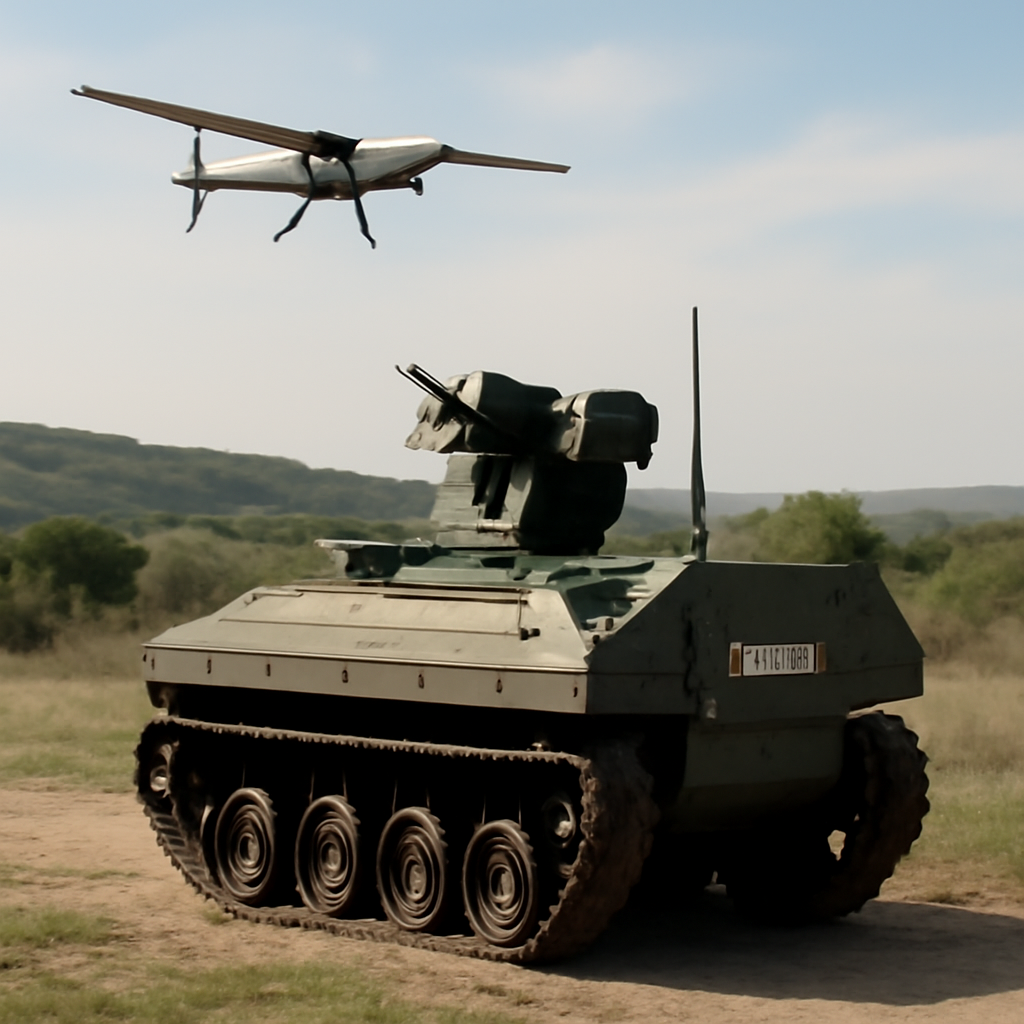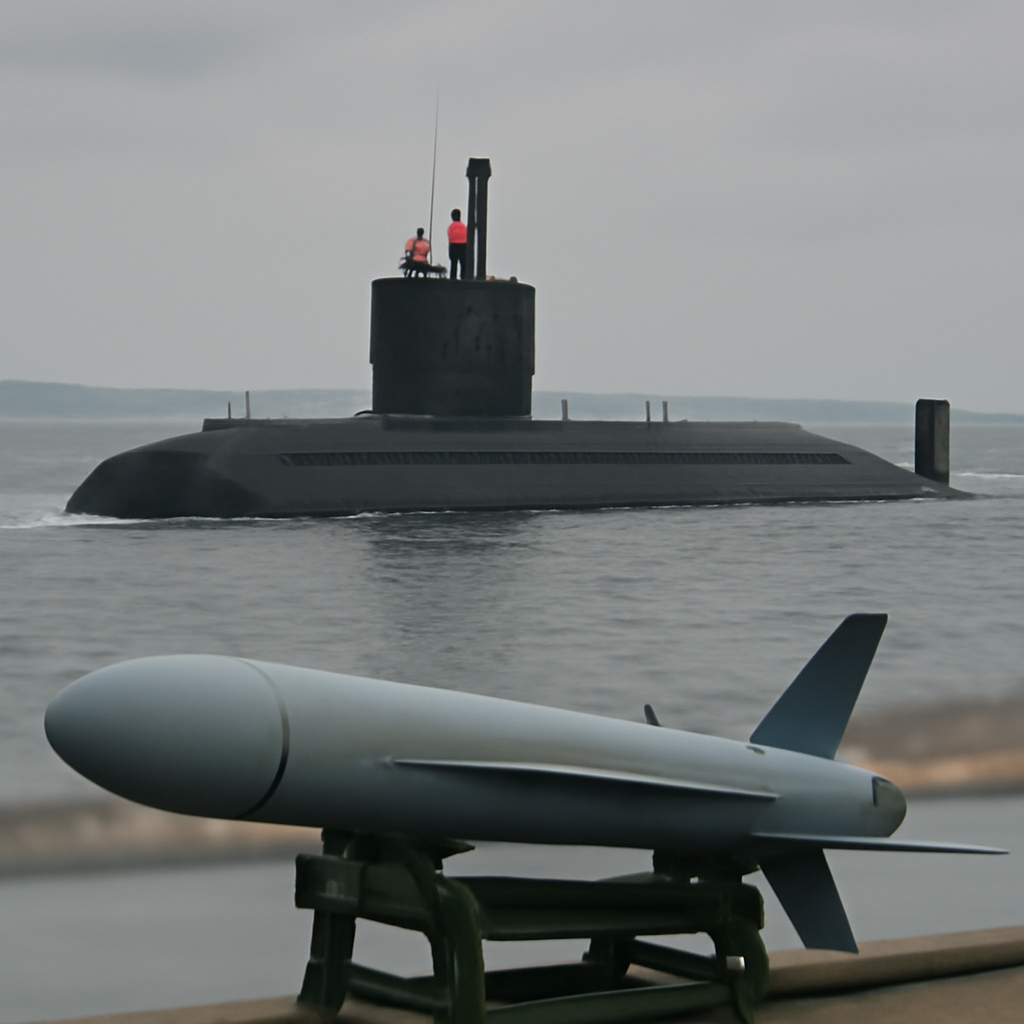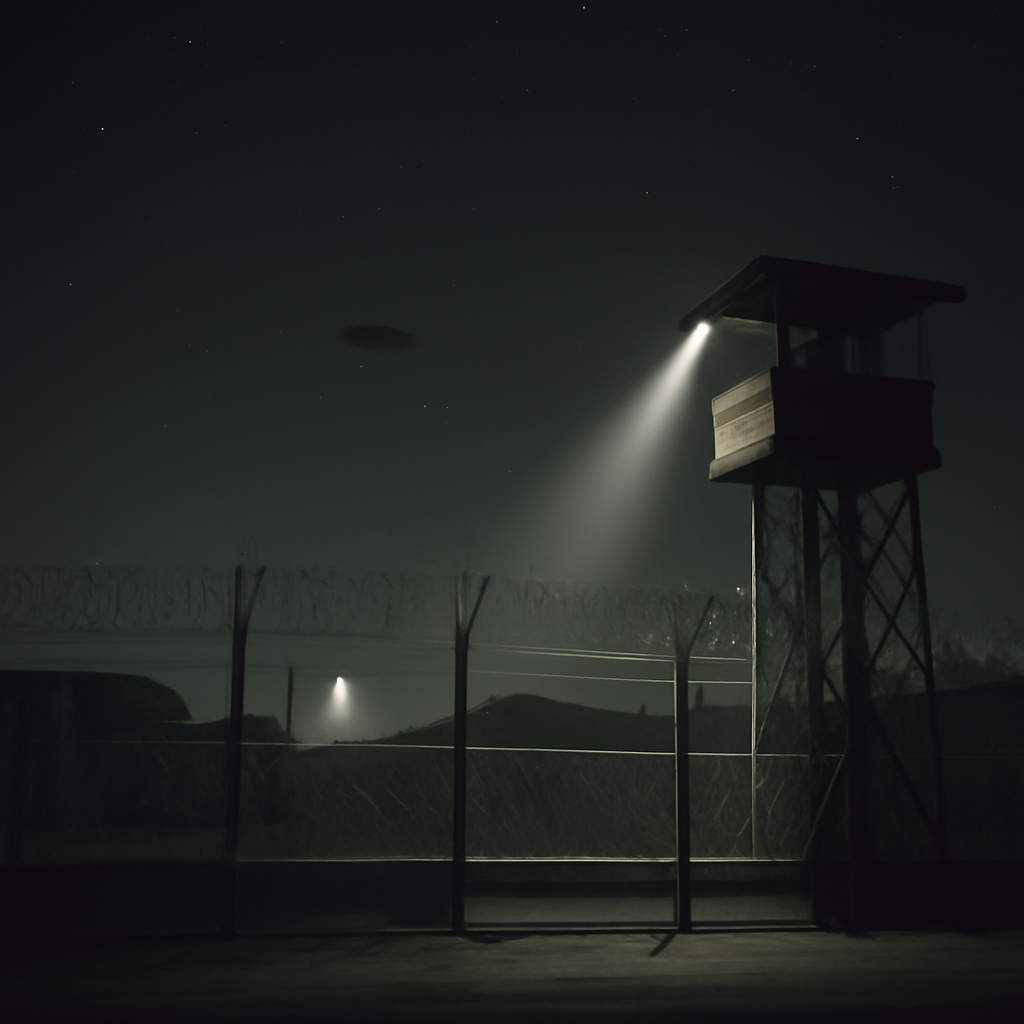
"It is highly likely that the Kremlin conducted a UAV campaign over Europe."
IISS assessment and the geographic scope
The International Institute for Strategic Studies (IISS) concluded in a report released July 2, 2026, that "it is highly likely that the Kremlin conducted a coordinated Uninhabited Aerial Vehicle (UAV) campaign over Europe between August 2024 and February 2026." The report says the campaign spanned a dozen NATO states and Ireland and included incursions over multiple U.S. bases in England and at least one flight over Ramstein Air Base in Germany.
Where and how the incursions unfolded
Incidents first reported in November 2024 involved sightings over RAF Lakenheath, followed by RAF Fairford, RAF Feltwell, and RAF Mildenhall. A public appeal connected with those events produced roughly 170 reported sightings, about half of which the report described as credible — corroborated by multiple witnesses or supported by imagery that could not be explained as ordinary air traffic.
IISS describes a pattern of operational security: "The UAVs entered the airspace around the RAF bases at low altitude with their lights visible and departed at higher altitudes. Arrival and departure directions varied across the incident period." Witnesses reported inconsistent propulsion noise and platform characteristics, with some accounts consistent with multirotor UAVs and others with fixed-wing platforms.

Audit-ready is a season. It shouldn't be.
Evidence in spreadsheets, controls drifting between audits, frameworks multiplying on flat headcount. Nubivance runs continuous compliance on Rapid7 Cyber GRC - SOC 2, HIPAA, ISO 27001, PCI, CMMC.
End the scrambleMaritime launch hypothesis and the "shadow fleet"
The IISS report posits that "Russian-linked vessels and the ‘shadow fleet’ were used as launch/recovery platforms for UAVs." Investigators emphasize a convergence of opportunity, capability and geography as the basis for the maritime-launch hypothesis. The report notes that the Hav Dolphin — a vessel later linked to a 2025 drone incident in Germany — "happened to be docked in the UK at the time" of the November 2024 incidents. IISS describes the relevant vessels as "Russian-linked commercial vessels, including shadow-fleet tankers, coastal freighters, and smaller craft."
While treating the maritime-UAV link as the most plausible explanation for where and when incidents occurred, IISS also acknowledges that confirming the link will require evidence that is not yet public. The report notes that no European government has publicly tied a specific shadow-fleet vessel to a specific incident, despite officials privately suggesting they could.
Platform hypotheses: Orlan-10 and alternatives
IISS examines the Russian Orlan-10 as a candidate platform. The report says Orlan-10 "has a range and payload profile consistent with stand-off collection against coastal and inland targets" and "fits the deck space of a mid-sized commercial vessel." Citing commercial specifications and Russian geospatial firms, IISS records an operational range of 500 kilometers, endurance of up to 12 hours, and speeds of 90–130 km/h for Orlan-10 variants.
The think tank highlights two technical points that align with witness reports: Orlan-10 uses an internal combustion engine — matching some observers' descriptions of petrol-engine-like propulsion noise — and the platform family includes payloads such as a satellite navigation spoofing module and GSM network-monitoring capabilities alongside optical and thermal sensors, "indicating the Orlan-10 family has active electronic warfare capability as well as passive ISR."
At the same time, IISS raises an alternative hypothesis: commercially available or modified systems — including long-range first-person view (FPV) platforms, home-built fixed-wing aircraft or commercial UAVs adapted to use cellular rather than radio-frequency communications — could have been used deliberately to preserve deniability. The report notes that "the use of identifiable Russian UAV platforms carries inherent attribution risk."
How the U.K. MoD, USAFE, and U.S. bases are responding
- U.K. Ministry of Defence: The MoD told TWZ that it "takes the security of military bases seriously" and works with allies and law enforcement. The department said the Armed Forces Bill is giving defense personnel "greater powers to defeat drones threatening our bases" and that it has "invested significantly in counter-drone capabilities." The MoD declined to provide further details, saying it "does not comment on intelligence matters or on the specific security arrangements at Defense sites."
- U.S. Air Forces in Europe–Air Forces Africa (USAFE): A USAFE spokesperson confirmed "small Unmanned Aerial Systems activity took place over several of our UK installations in 2024," that these events "were monitored," and that "it was determined there was no impact on personnel or operations." USAFE said it cannot speak to intelligence matters for operational security and is working with UK partners on the response.
- Political and parliamentary pressure: Prior investigations and reporting prompted questions from former Members of Parliament. The i Paper reported that Julian Lewis and Tom Tugendhat urged further investigation in 2025; meanwhile, a MoD investigation into RAF Lakenheath incidents concluded with no suspects identified, according to the Bury Mercury.
The IISS report places a maritime-launch hypothesis at the centre of its analysis and ties the incidents to a broader pattern across Europe. Investigators relied heavily on circumstantial evidence and open-source information, and IISS itself states that confirming the maritime-UAV link will require evidence not yet public. Whether governments will publicly connect specific shadow-fleet vessels to specific incidents — and produce the confirming evidence the report says is missing — remains the concrete question hanging over this account.