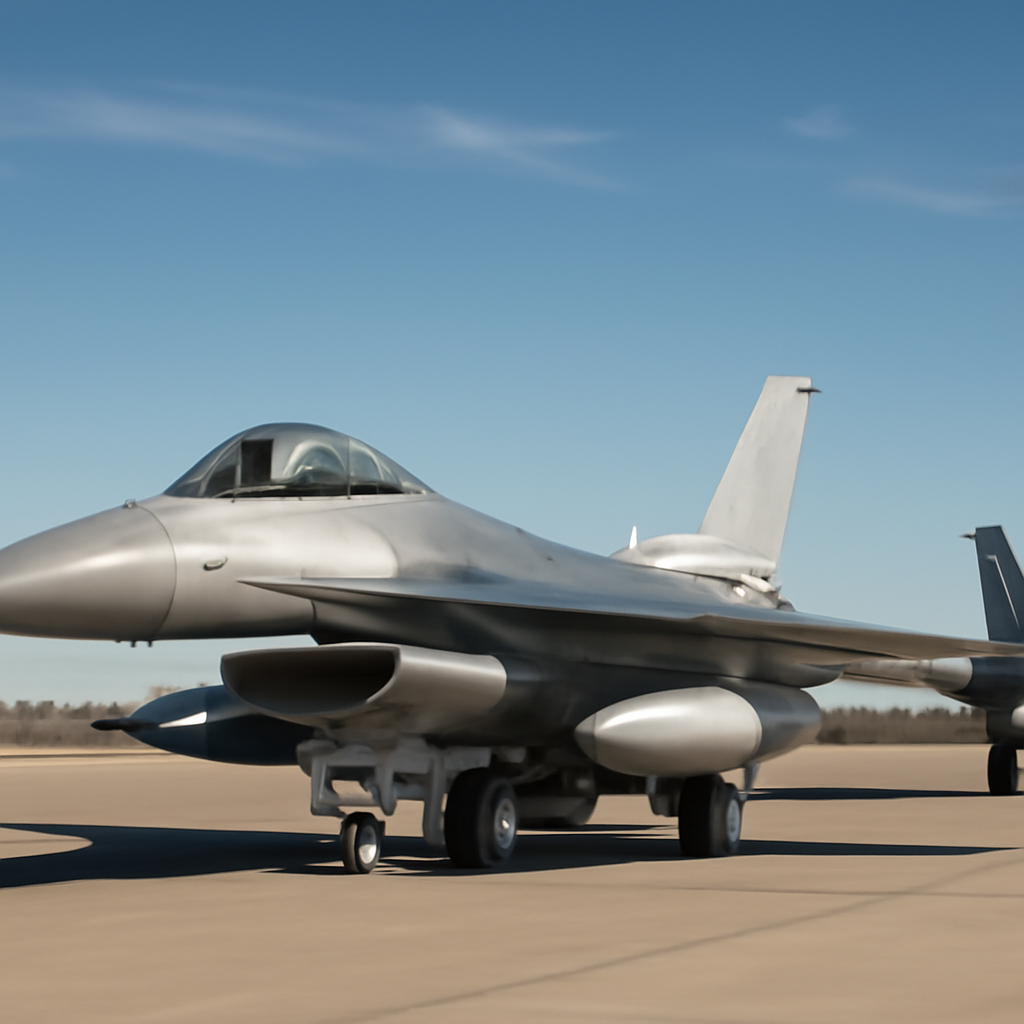
"the goal of growing our self-reliance is deterrence," Defence Industry Minister Pat Conroy said when launching Australia’s Defence Industry Development Strategy (DIDS) yesterday.
Pat Conroy’s proposition and the central question it raises
That sentence framed the launch, but the argument linking greater domestic industrial capacity to deterrence requires sharper definition. The DIDS, the source article argues, makes an important proposition: increased self-reliance should strengthen deterrence. Yet self-reliance on its own does not deter, nor do standalone capabilities. What matters is the capacity of the sovereign defence industrial base to enable the Australian Defence Force (ADF) to generate and sustain military power over time — particularly through a protracted crisis or, if deterrence fails, a conflict.
How the National Defence Strategy and the DIDS fit together
Read together, the National Defence Strategy (NDS) and the DIDS describe complementary functions. The NDS defines the military functions required to increase self-reliance by enhancing "Australia’s ability to employ and sustain credible military power to defend Australia." The DIDS, by contrast, is framed as the implementation mechanism: the set of policies and programs intended to ensure the sovereign defence industrial capabilities Defence needs are available when required.
Put simply in the source’s terms: the NDS explains what Defence must be able to do; the DIDS explains how industry enables Defence to do it.

The cyber insurance questionnaire just landed. Now what?
SOC 2, HIPAA, insurance renewals - someone has to own security strategy. Nubivance provides fractional CISO leadership without the full-time salary.
Get a security leadFour industrial functions that underpin deterrence: produce, adapt, sustain, replenish
The article identifies a concise operational logic. Defence industry contributes to deterrence through a set of industrial functions that determine whether the ADF can be scalable, responsive and combat credible over time. Those functions are to produce, adapt, sustain and replenish the most critical lethal systems and munitions capabilities needed by the ADF.
Effective deterrence is described not as a static inventory of weapons, but as a systemic effect derived from capabilities that can be generated, sustained and adapted as strategic circumstances change. For Defence, preparedness — measured through readiness and sustainability — is a tractable metric. Defence industry capacity supports that preparedness, but the article emphasizes that such industrial contributions are harder to measure directly.
Implementation gaps: workforce development, scalable manufacturing, industrial investment and the SDIPs
The DIDS contains programs such as workforce development, scalable manufacturing and industrial investment. What the source criticizes is the absence of a clearer framework mapping those initiatives to the seven Sovereign Defence Industrial Priorities (SDIPs). At present, programs are not clearly connected to the SDIPs, the article says, and the DIDS could strengthen implementation by linking industrial functions — production, adaptation, sustainment and replenishment — to its key initiatives.
Greater transparency around this alignment would, the article argues, help businesses identify gaps, support more informed Defence resource allocation, and ensure balanced progress across the SDIPs. In other words, the value of the DIDS should be judged less by whether Australia produces more capability in aggregate and more by whether industry is positioned to ensure Defence can continue fighting in times of crisis.
What this means for the ADF, the Defence industry, and policymakers
- For the ADF: The central interest is combat credibility sustained over time — the ability to generate forces that are scalable, responsive and adaptable. The industrial base must therefore deliver not only initial capability but also sustainment and replenishment in a crisis.
- For the Defence industry: Industry will need clearer signals on how workforce development, manufacturing scaling and investment priorities map to the SDIPs and to Defence’s operational requirements so that firms can close capability gaps that matter in prolonged conflict.
- For policymakers: The article calls for a more precise conceptual linkage between national defence objectives and industrial policy. If deterrence is the organising logic of strategy, then policy must specify how self-reliance translates into measurable support for Defence’s required functions.
The core takeaway is straightforward: a sovereign defence industrial base is not valuable because it merely expands domestic manufacturing or reduces overseas dependence. Its value lies in enabling the ADF to produce, adapt, sustain and regenerate the capabilities necessary to employ and sustain military power. The DIDS can claim success only if it demonstrably strengthens those industrial functions — and the article closes on a pointed challenge to decision‑makers: will the DIDS be translated into the transparent, function‑driven implementation that makes self‑reliance a credible foundation for deterrence?