“If we do it as an amendment, the way that I proposed it, the Senate would need 60 votes to pass the legislation without SAVE America attached,” Rep. Anna Paulina Luna wrote on X after the vote.
The failed rule vote: 198–224, 14 Republicans defect
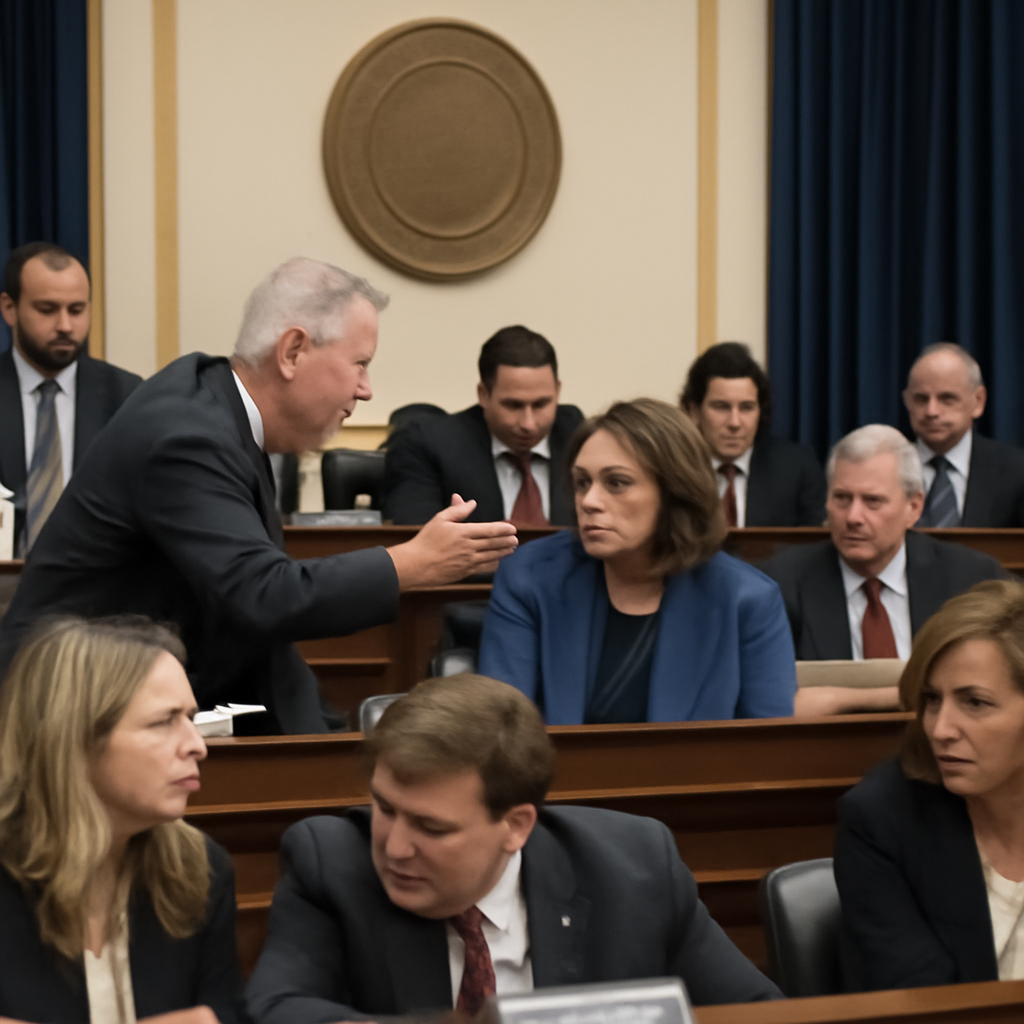
House members rejected a procedural rule 198–224 on Monday that would have allowed debate to begin on the fiscal 2027 National Defense Authorization Act. Fourteen Republicans crossed party lines and voted with Democrats to block the measure, effectively stalling consideration of the House’s FY27 NDAA.
Why House GOP leaders tried to attach the SAVE America Act to the NDAA
The rule under consideration would have permitted the House to pass the NDAA on the floor and then, after passage and before the bill was sent to the Senate, combine the defense bill with the SAVE America Act. Proponents argued that attaching the SAVE Act to the NDAA could be a vehicle to advance significant voting changes. The SAVE Act, as described by supporters, would make significant changes to voting in federal elections, including requiring documentary proof of U.S. citizenship to register. The bill has been promoted as a signature election measure by President Donald Trump.

This site is the portfolio.
OSINTSights runs on Cloudflare Workers, D1, R2, and Vectorize, with an AI pipeline on Hetzner ARM. Nubivance designed, built, and operates it. We do the same for clients.
See what we buildRep. Anna Paulina Luna’s reversal and Republican doubts
Rep. Anna Paulina Luna, R-Fla., was among those who voted against the rule. Luna had initially pushed for combining the two measures but said she came to oppose the plan because it would leave the SAVE Act vulnerable to being stripped by the Senate. “Meaning it would be harder for them to TAKE it out,” she wrote on X in explaining her change of heart.
Senate resistance and the mechanics of conference bargaining
House Democrats and critics said the plan was unlikely to survive the Senate. Rep. Jim McGovern, the top Democrat on the House Rules Committee, called the Republican maneuver a “shell game” and said the Senate would not accept an NDAA with the SAVE Act included. “It’s the Wizard of Oz behind the curtain, pretending to do magic, and here’s the truth: The SAVE Act will not become law, even if this rule manages to pass,” McGovern said on the House floor. McGovern noted that Senate Majority Leader John Thune had filed cloture on the Senate’s own version of the NDAA five days earlier, and that Senate leaders had indicated they would not include the SAVE Act.
The procedural reality on Capitol Hill was also highlighted by committee procedure: typically, the House and Senate pass separate defense authorization bills and then a set of conferees from both chambers merge the bills through the conference process, during which conferees can remove provisions before the final bill is voted on by both chambers.
How the stalled rule affects the FY27 NDAA and the Defense Department
The House version of the FY27 NDAA — now stalled by the failed rule — authorizes $1.15 trillion in base budget funding for the Defense Department and includes a provision that would formally change the department’s name to the War Department. With the rule defeated on the floor, movement on the House’s NDAA is unclear.
House Speaker Mike Johnson initially told reporters that members would remain in Washington through Thursday while GOP leaders worked to secure the votes needed to advance the rule. Later in the afternoon, GOP leaders reversed course and announced that members would leave for the Independence Day holiday that night, leaving the timeline for passage uncertain.
What this means for House GOP, voters, and the Defense Department
- House Republican leadership: The defections expose a fracture within the GOP conference over tactic and timing. Speaker Mike Johnson’s initial plan to keep members in Washington through Thursday was reversed, and leaders sent members home for the holiday, complicating any immediate path forward.
- Voters and advocates concerned with election law: The SAVE America Act’s centerpiece changes — including a documentary proof-of-citizenship requirement to register — remain politically contested. Its fate now depends on whether House leaders can find a route to pass it without losing key GOP votes and in the face of stated Senate resistance.
- The Defense Department and appropriators: The stalled House process leaves the FY27 NDAA — including $1.15 trillion in base funding and a provision to rename the department — in limbo until House floor procedures are resolved and interchamber negotiations resume.
The failed vote echoed an earlier episode of floor-level resistance: the story recalls 2023, when hardline conservatives repeatedly blocked a rule for the defense bill, a fight that helped produce the removal of then-Speaker Kevin McCarthy. For now, with members departing for the holiday and the rule rejected, the path to resolving the FY27 NDAA — and the political squeeze play around the SAVE America Act — remains unsettled.