Tag: national security
2618 articles

UK Sentences Two Scattered Spider Hackers to 5.5 Years Over £29 Million TfL Hack
Two young hackers, Owen Flowers and Thalha Jubair, have been sentenced to 5.5 years in prison for their reckless cyber attacks, including a £29 million hack of Transport for London, with prosecutors highlighting the disturbing extent of their disregard for human life. The pair's guilty plea marks a landmark case, believed to be the first convictions under the Computer Misuse Act 1990's most serious offence.

Private 5G Networks Expose Government to Hidden Security Risks
Government agencies and military organizations risk exposing themselves to hidden security threats if they don't adopt a zero-trust approach to their private 5G networks, leaving them vulnerable to potentially devastating attacks. Without proper security measures in place, adversaries could gain unrestricted access to sensitive information and wreak havoc.
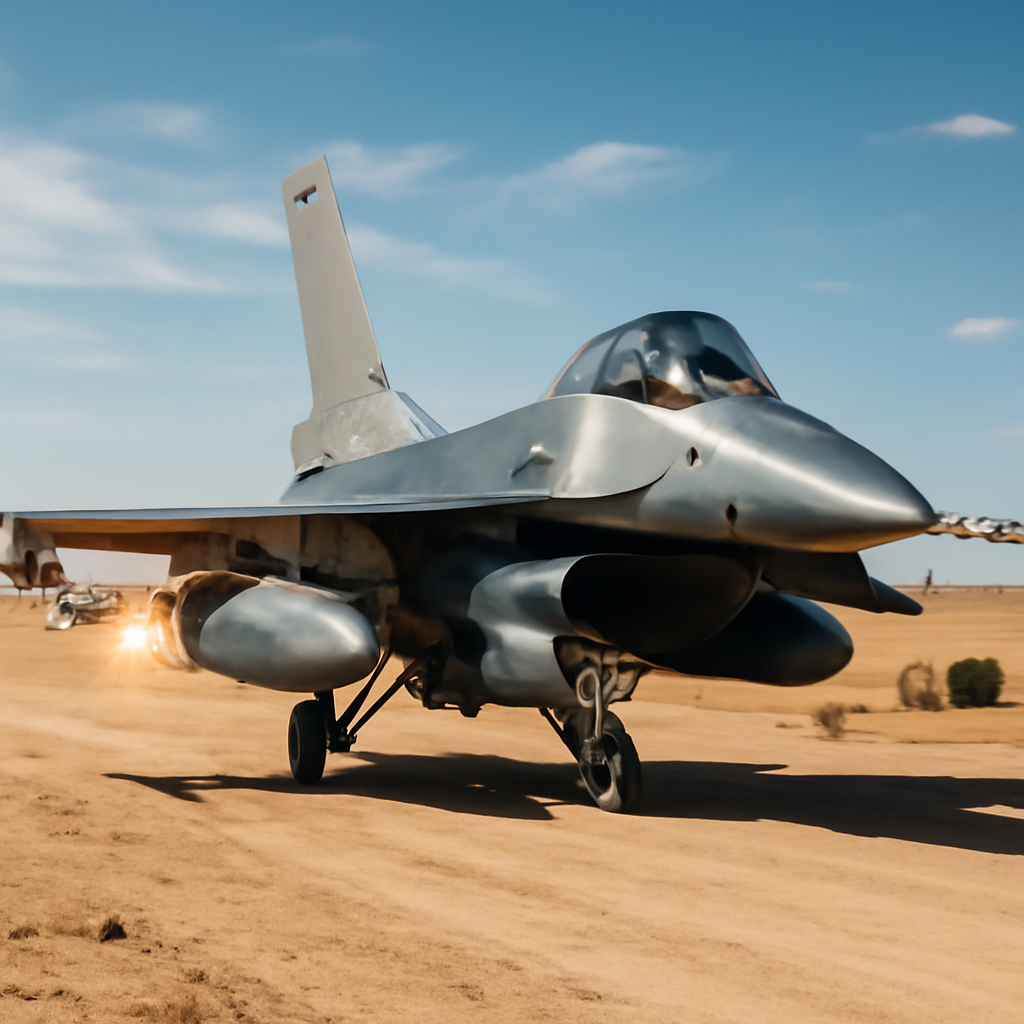
US Shifts to 'Affordable Mass' Warfare, Targets Iran with Low-Cost Precision Strikes
The US military's high-stakes Operation Epic Fury in 2026 revealed a startling vulnerability: its arsenal of guided munitions was depleted faster than it could be replenished, forcing a strategic shift towards affordable, low-cost precision strikes. This pivot has put Iran in the crosshairs, as the US seeks to maintain its military edge without breaking the bank.

Pakistan, Türkiye Deepen Defence Ties with High-Level Talks
Field Marshal Syed Asim Munir, Pakistan's top military commander, met with Turkish President Recep Tayyip Erdoğan for high-stakes talks on defence cooperation and regional security, marking a significant deepening of ties between the two nations. The closed-door meeting in Ankara comes as part of a two-day official visit aimed at strengthening bilateral relations.

Turkey Joins Canada-Led Defence Bank as Founding Member
In a surprising U-turn, Turkey has confirmed its commitment to join the Canada-led Defence, Security and Resilience Bank as a founding member, reversing a decision made just days earlier. This renewed pledge marks Turkey's third public stance on the bank since its unveiling at the NATO Summit.

Aselsan Secures $1.68 Billion Deal to Boost Türkiye's Steel Dome Air Defence Production
Aselsan is set to turbocharge production of Türkiye's cutting-edge Steel Dome air defence system after securing a whopping $1.68 billion deal with the Presidency of Defence Industries. This major contract is expected to significantly boost revenue and ramp up production to new heights.

US Navy Bolsters Presence to Enforce Iran Blockade
Within the first 24 hours of the US Navy's reinstated blockade of Iran, two commercial vessels were redirected and one was disabled, CENTCOM reported. The swift action underscores the US military's commitment to enforcing the expansive blockade along Iran's coastline.

Pakistan Prepares to Design Homegrown Submarines
Pakistan is poised to take a giant leap in its naval capabilities by designing and building its own homegrown submarines, gaining expertise in advanced submarine design and construction techniques. This ambitious project marks the culmination of the Pakistan Navy's vision to become a self-sufficient submarine-building navy.
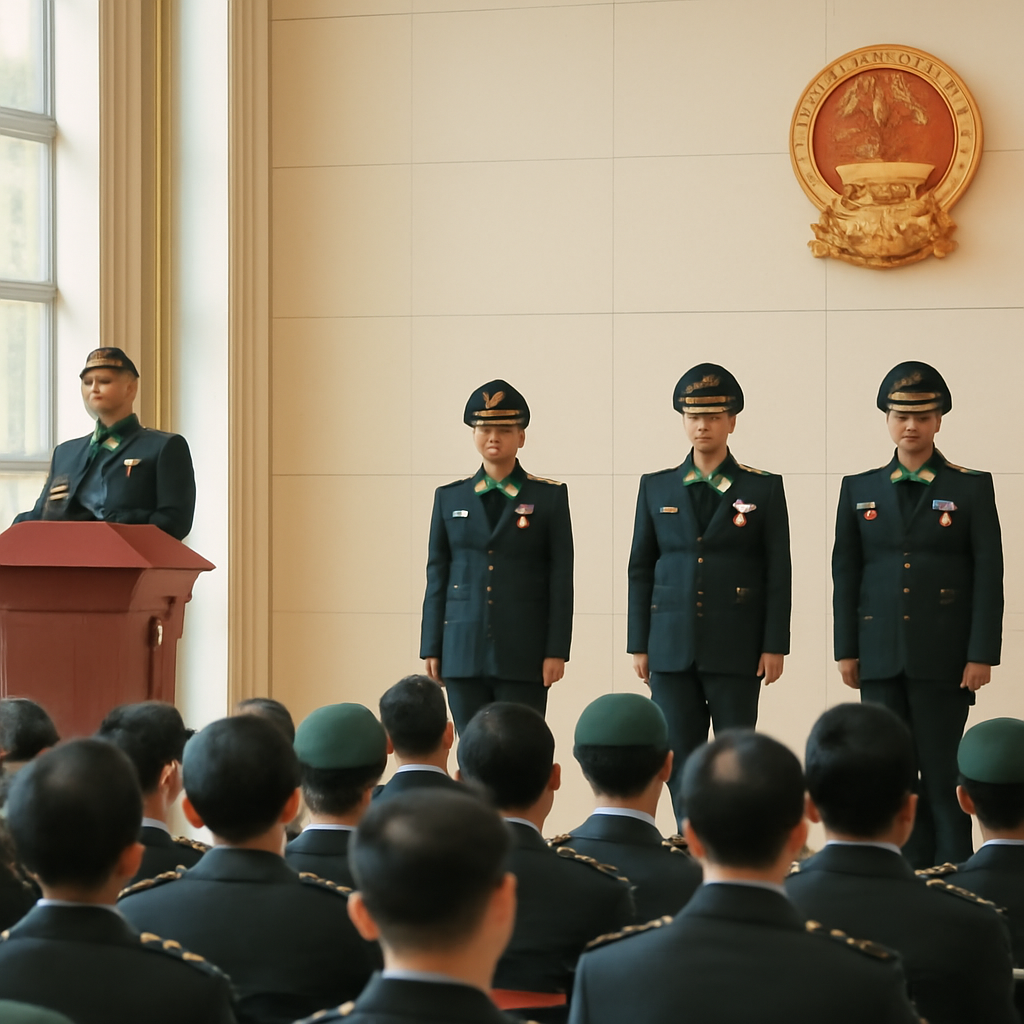
Xi Jinping Consolidates Control with PLA General Promotions
In a significant display of power, China's President Xi Jinping recently promoted two new generals, bringing the total number of active PLA generals to six, in a move that solidifies his control over the military. The promotions were announced at a ceremony in Beijing, presided over by CMC Vice Chairman Zhang Shengmin.
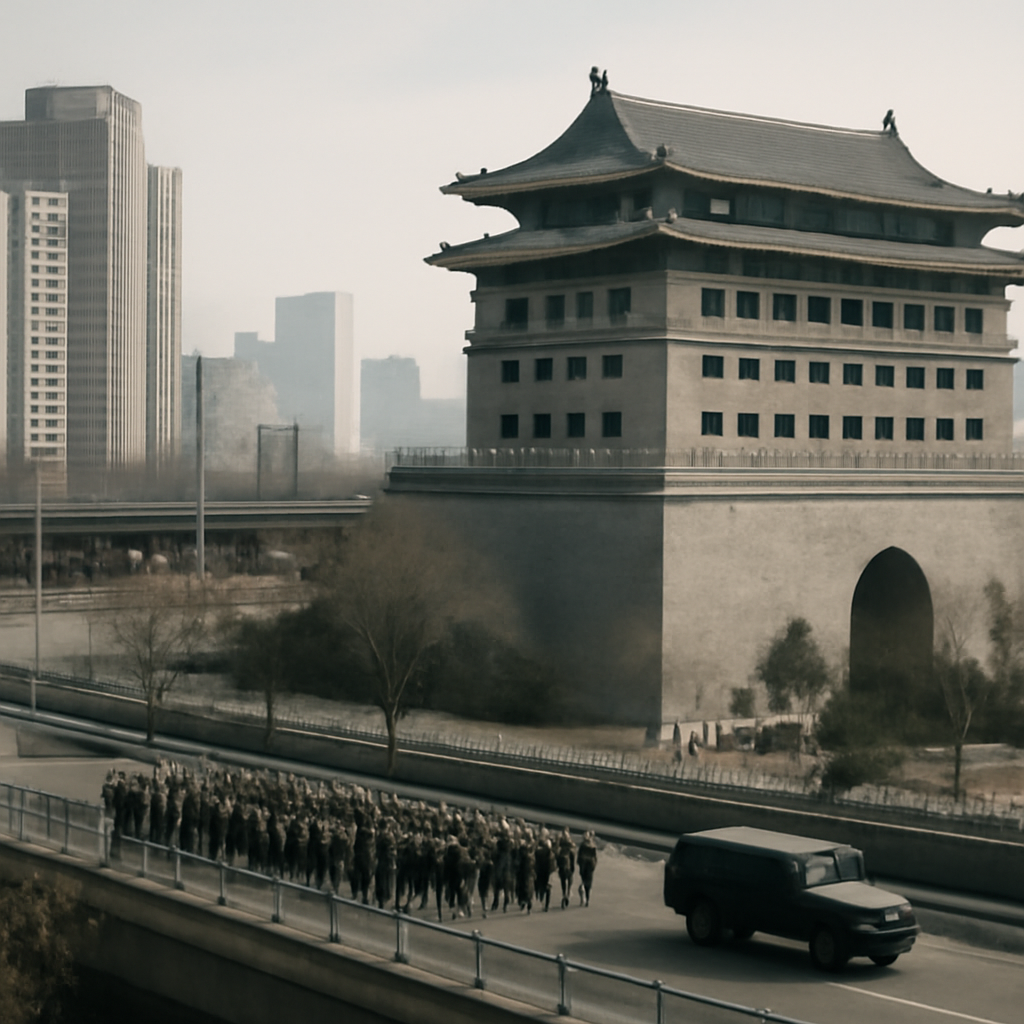
Beijing Garrison's Enduring Structure
Meet the 6th Regiment of the Beijing Garrison, a stalwart unit with a storied history and a critical mission: safeguarding the nation's capital, protecting key institutions, and maintaining internal stability. With a focus on light infantry and riot-control duties, this elite regiment plays a vital role in keeping Beijing safe and secure.
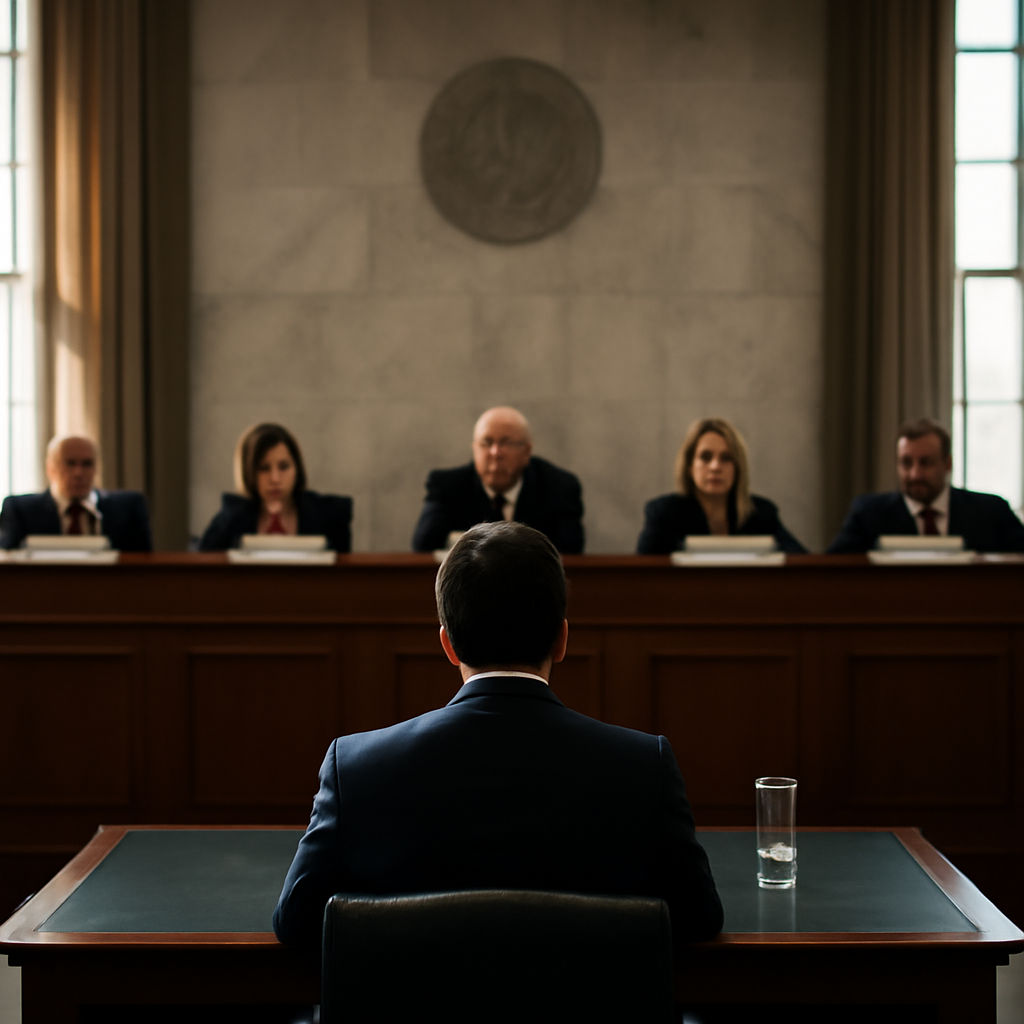
Clayton Faces Scrutiny Over 2020 Election Remarks
Jay Clayton, the U.S. attorney for the Southern District of New York, faced intense questioning from Senate Democrats over his comments on the 2020 election, with Senator Jon Ossoff pressing him for a straightforward answer on who won the presidential election. Clayton insisted he wasn't an election denier, but struggled to provide clear evidence to support his claims.

US Launches Gold Eagle for AI-Driven Vulnerability Coordination
The US government has unveiled Gold Eagle, a game-changing program that turbocharges vulnerability coordination by uniting federal agencies with private sector partners to swiftly identify and patch cyber threats. This innovative effort aims to safeguard the nation's financial institutions and protect the integrity of the US financial system like never before.
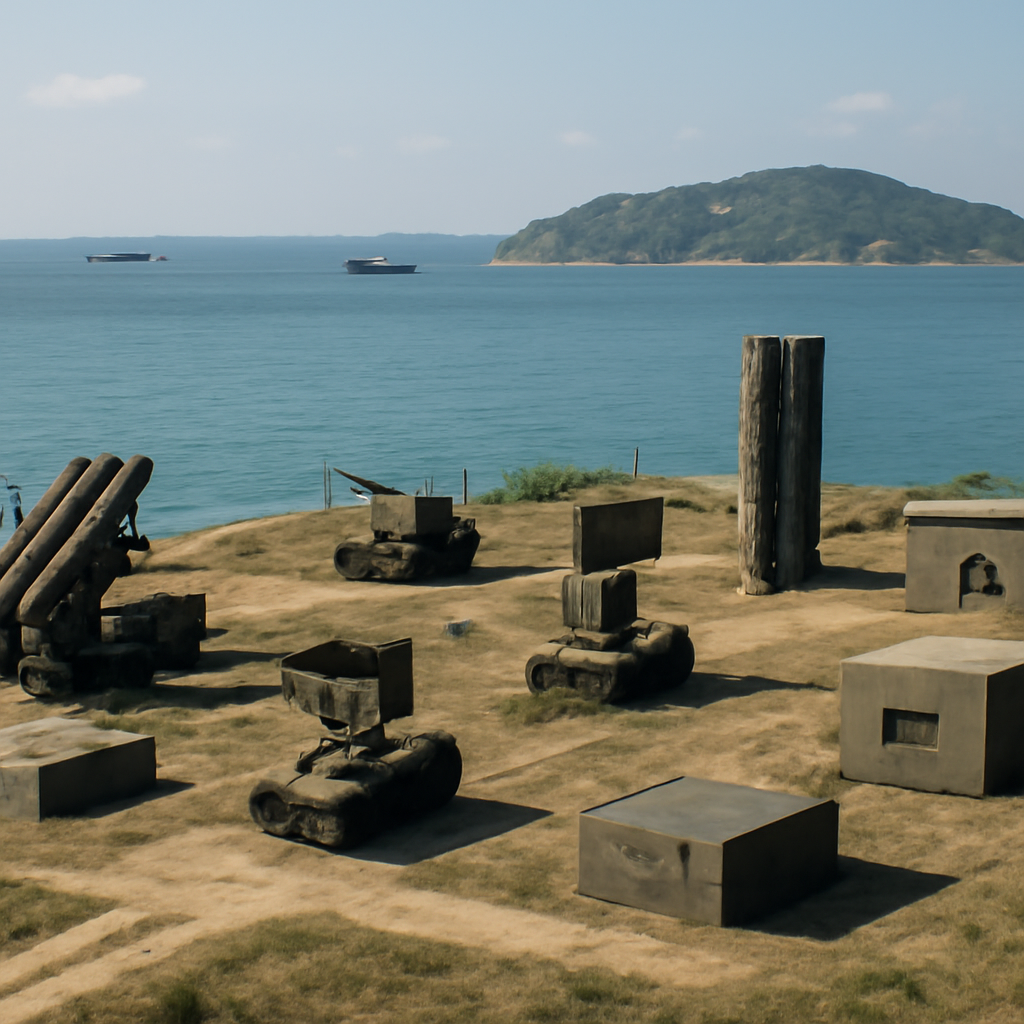
US Resumes Strikes on Iranian Targets Amid Escalating Blockade
The US has launched a series of precision strikes on Iranian targets, hitting coastal defense systems and cruise missile sites on Greater Tunb Island in a bid to safeguard commercial shipping in the Strait of Hormuz. The operations, carried out by CENTCOM, aim to degrade Iran's ability to threaten vessels in the critical waterway.

Clayton Faces Scrutiny on Election Security Stance
Jay Clayton dodged a direct answer on whether Joe Biden won the 2020 presidential election, sparking concerns about his stance on election security during his confirmation hearing for director of national intelligence. His evasive responses left senators, including Jon Ossoff, accusing him of not being honest or forthright.

Australia's Polar Policy Lags Behind Global Competition
Australia's laid-back approach to the polar regions is no longer sustainable, and it's time for a bold new strategy to keep up with global competition. The country's reactive posture is putting its interests at risk, warns a new report on polar security.

RAF Downgrades F-35A's Nuclear Role
The Royal Air Force has clarified that its recent purchase of a dozen F-35A aircraft is primarily for training and conversion purposes, not to bolster its nuclear strike capabilities. This move underscores a strategic shift, separating the jets' day-to-day role from their potential nuclear support functions for NATO.

Space Force Faces Budget Cuts as Top Leader Prepares Exit
As Gen. Chance Saltzman prepares to retire, he's urging international military leaders to prioritize unity and strategic advantage in the face of budget cuts, emphasizing that the path forward will be crucial to securing a military edge. With his departure looming, Saltzman's parting words stress the importance of collaboration and wise decision-making.

Australia Confronts Space Security Risks with Resilience Push
Space is a double-edged sword - it offers a decisive military advantage, but also creates a vulnerability that can be exploited. To stay ahead, Australia is focusing on building resilience in its space capabilities to absorb losses and disruptions.

USAF Tanker Operations at Ben Gurion Airport Face New Limits
Israel's Transportation Minister Miri Regev has set a new limit of 20 U.S. Air Force refueling tankers at Ben Gurion Airport, ensuring that commercial flights won't be disrupted and thousands of travelers' plans remain on track. This move allows remaining tankers to land at nearby Air Force bases instead.

UK Bolsters National Risk Register with New Cyber Threat Scenarios
The UK is stepping up its defenses against cyber threats, updating its National Risk Register with new scenarios that highlight the potentially deadly consequences of online attacks. This move comes as the government acknowledges that cyber threats, alongside pandemics and natural disasters, pose a significant risk to the nation's safety.

US Army Munitions Plant Falters, Fails to Produce 155mm Parts
The US Army's goal of producing 100,000 155mm artillery rounds per month is at risk due to a production shortfall at a key munitions plant in Texas. A critical facility has failed to deliver 30,000 essential projectile metal parts, crippling the Army's artillery production capabilities.

Australia Urges ICJ to Hold Taliban Accountable for Women's Rights Abuses
Since the Taliban's rise to power in Afghanistan in August 2021, over 100 edicts have been issued, systematically stripping away the rights of women and girls. The latest decree, "Code on Judicial Separation of Spouses," has sparked outrage, allowing a girl's silence to be misconstrued as consent to marry and further restricting women's right to divorce.

US Unveils 'Gold Eagle' AI Cyber Threat Clearinghouse
The US Treasury Department has launched Gold Eagle, a cutting-edge AI cyber threat clearinghouse that brings together government and industry to share vital threat information and safeguard America's financial institutions. This innovative hub, created through a White House executive order, aims to close vulnerabilities and protect the integrity of the US financial system.
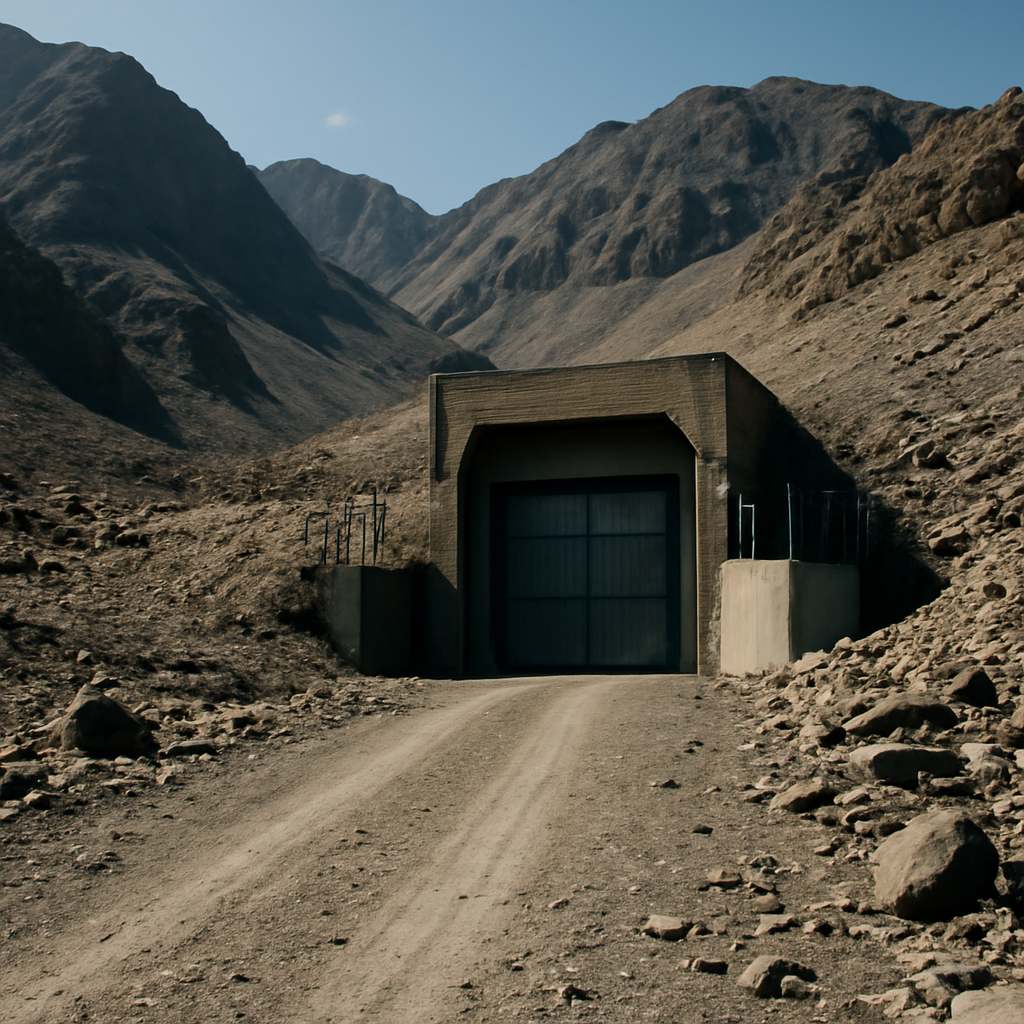
US Threatens Strike on Iran's Hardened Pickaxe Mountain Bunker
US President Donald Trump has put Iran's heavily fortified Pickaxe Mountain Bunker in the crosshairs, suggesting it could be a prime target for a significant military strike. Located near Iran's key Natanz nuclear facility, this underground complex has been significantly upgraded with new tunnel networks in recent years.