"Australia’s complacent, reactive posture towards the polar regions is no longer tenable," the ASPI report Polar security: Strategic competition at the ends of the Earth warns.
Resource insecurity: Arctic littoral claims and the 1991 Madrid Protocol
The report draws a sharp distinction between the Arctic and Antarctica when it comes to exploitable wealth. In the Arctic, most discovered hydrocarbons and critical minerals "fall within the well delimited areas of Arctic littoral states." Potential resources beneath the Central Arctic Ocean — the area around the North Pole — are the subject of an ongoing legal arbitration in the United Nations’ Commission on the Limits of the Continental Shelf between Denmark, Russia and Canada. The idea of a widescale great game for Arctic bounty, the report says, is "overegged," at least for now.
Antarctica remains, by treaty, largely out of commercial reach. The Antarctic Treaty System sets aside sovereignty debates in favour of cooperation on research and environmental protection, and the 1991 Madrid Protocol adds a further layer by prohibiting mining and exploitation until at least 2048. The report notes that a later, complex consensus process among protocol parties could conceivably enable regulated mineral extraction — if energy‑hungry or technically capable nations choose to wait until 2048, remain interested in collective engagement and feel constrained by international law.
Russia, China and India: infrastructure, remilitarisation and dual‑use technologies
Strategic competition at the poles, the report argues, is already visible in the behavior of major powers. It points out that Russia "has remilitarised its vast Arctic coastline" to protect what it calls its future resource economic base. In Antarctica, both Russia and China are redeveloping old stations and building new ones "at a remarkable pace." India joins Russia and China as a leading power in the polar regions, too — all three sustaining permanent infrastructure, investing in operational experience on the ice and funding new capabilities.
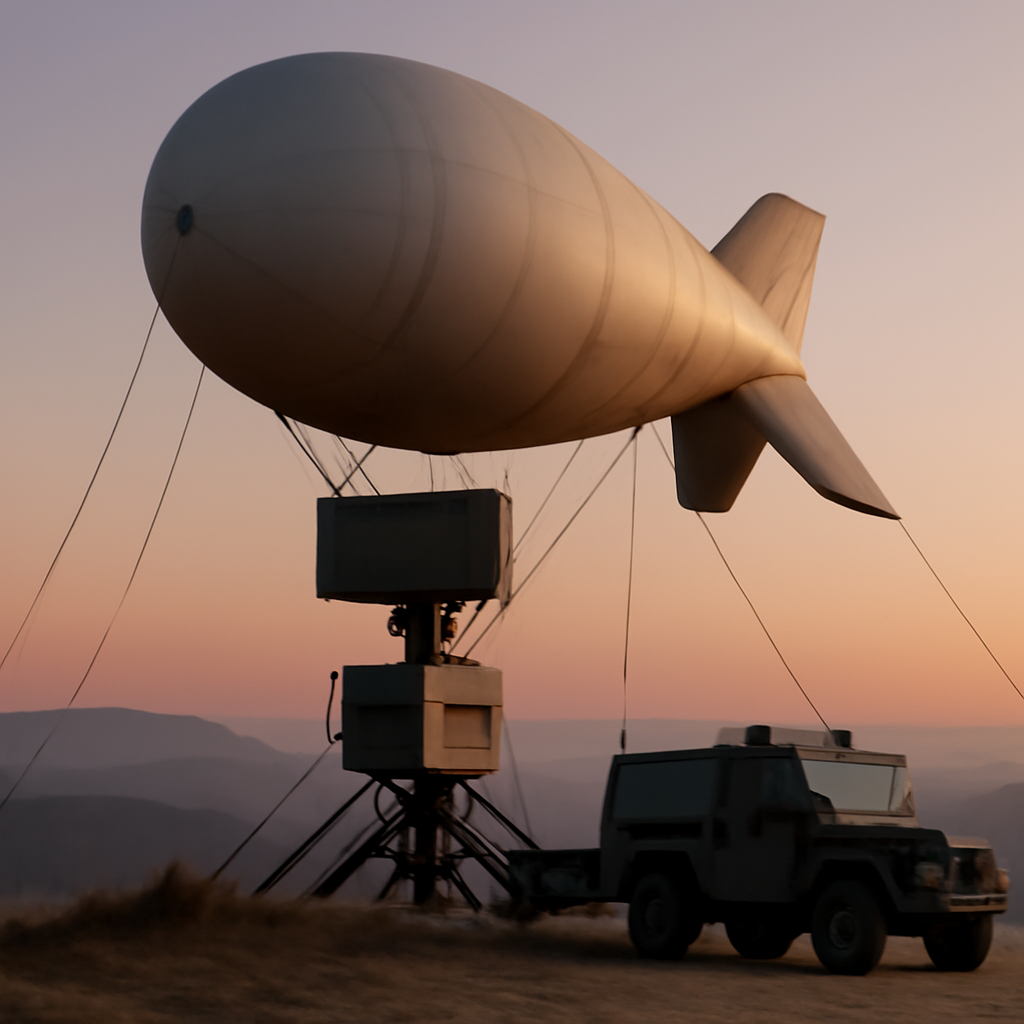
The report highlights how advanced technologies are blurring research and military application. So‑called dual‑use capabilities — including "satellite support infrastructure, drones and sensors" — support collaborative research while carrying clear intelligence and military value, potentially in the future if not now. States, it warns, can "stretch and test norms via scientific research framing" while accruing strategic advantages in influence and future resource leverage through early physical positioning.

Audit-ready is a season. It shouldn't be.
Evidence in spreadsheets, controls drifting between audits, frameworks multiplying on flat headcount. Nubivance runs continuous compliance on Rapid7 Cyber GRC - SOC 2, HIPAA, ISO 27001, PCI, CMMC.
End the scrambleEnvironmental change: melting ice, longer shipping seasons and compressed timelines
Environmental change is not a parallel trend but an accelerant. The report states that polar ice‑loss is lengthening navigable periods and reshaping economic calculations: sea‑ice decline "has resulted in longer annual periods for east‑west shipping through the Arctic," and thinning summer ice has made some previously unviable resource projects subject to fresh commercial assessment.
In Antarctica the stakes are different but no less direct. Ice‑sheet melt is contributing to global sea levels in ways that "could directly threaten many coastal cities," and the influx of freshwater is damaging ocean ecosystems, "affecting fisheries and global food security chains." The combined effect is to compress decision timelines: change at the poles is quickening political and operational choices that were once treated as distant or theoretical.
Canberra’s posture and the case for friend‑shoring and a dedicated ambassador
By the report’s account, Australia's current response remains narrowly focused on Antarctica. Canberra continues to "celebrate our Antarctic history" while relying on treaty compliance and "annual closed‑door diplomatic meetings that, year after year, end in stalemate." That posture, the report concludes, is inadequate given converging resource, strategic and environmental pressures.
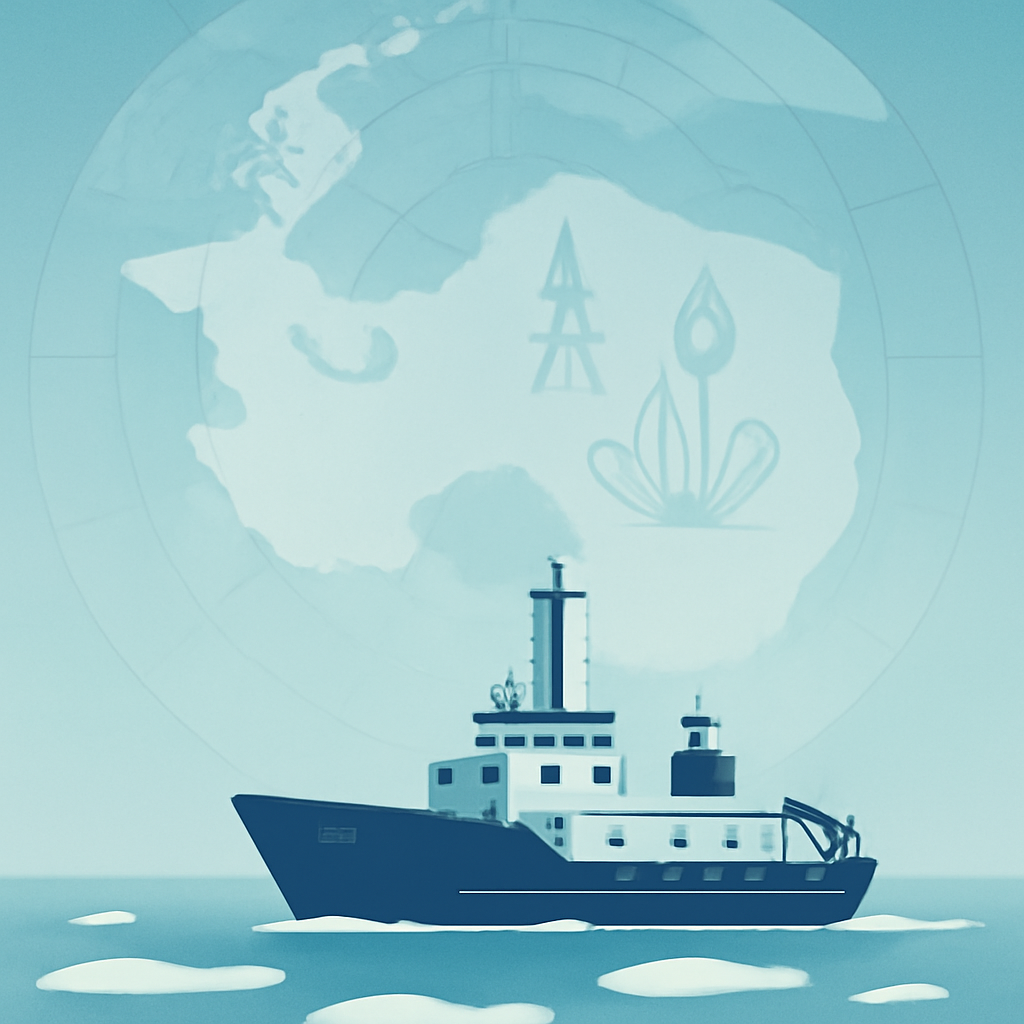
Policy choices the report recommends include developing a cohesive national polar strategy and appointing a dedicated polar ambassador to align Australia with partners already moving in that direction. It presses friend‑shoring as a practical priority: pooling scarce assets, "from icebreakers to domain awareness technologies, for collective advantage." Immediate action, the report says, should include treating membership in the US‑led Icebreaker Collaboration Effort (the ICE Pact) as an urgent priority. The ICE Pact is described as a trilateral partnership between the United States, Canada and Finland focused on designing and building polar icebreakers by pooling resources and industrial capacity to surge capabilities.
What this means for Canberra, polar scientists and the ICE Pact partners
- Canberra: The report’s prescription is blunt — move beyond quiet diplomacy. A national polar strategy, a polar ambassador and active pursuit of asset pooling are presented as concrete steps to avoid strategic marginalization.
- Polar scientists and research programs: Research will remain essential, but the report cautions that scientific activity can be used to "stretch and test norms" and accumulate strategic advantage; communities and funders should be aware of potential dual‑use implications of platforms and technologies.
- ICE Pact partners (United States, Canada and Finland): The report frames the ICE Pact as a model for friend‑shoring — a mechanism for "designing and building polar icebreakers by pooling resources and industrial capacity" that Australia should treat as an immediate priority if it intends to be operationally relevant.
The Arctic and Antarctica are no longer remote laboratories or diplomatic backwaters. As the report concludes, "The assumption that the Arctic and Antarctica remain insulated zones of Cold War‑era cooperation is being overtaken" — and, in the author’s final injunction to Canberra: "Canberra must get moving."