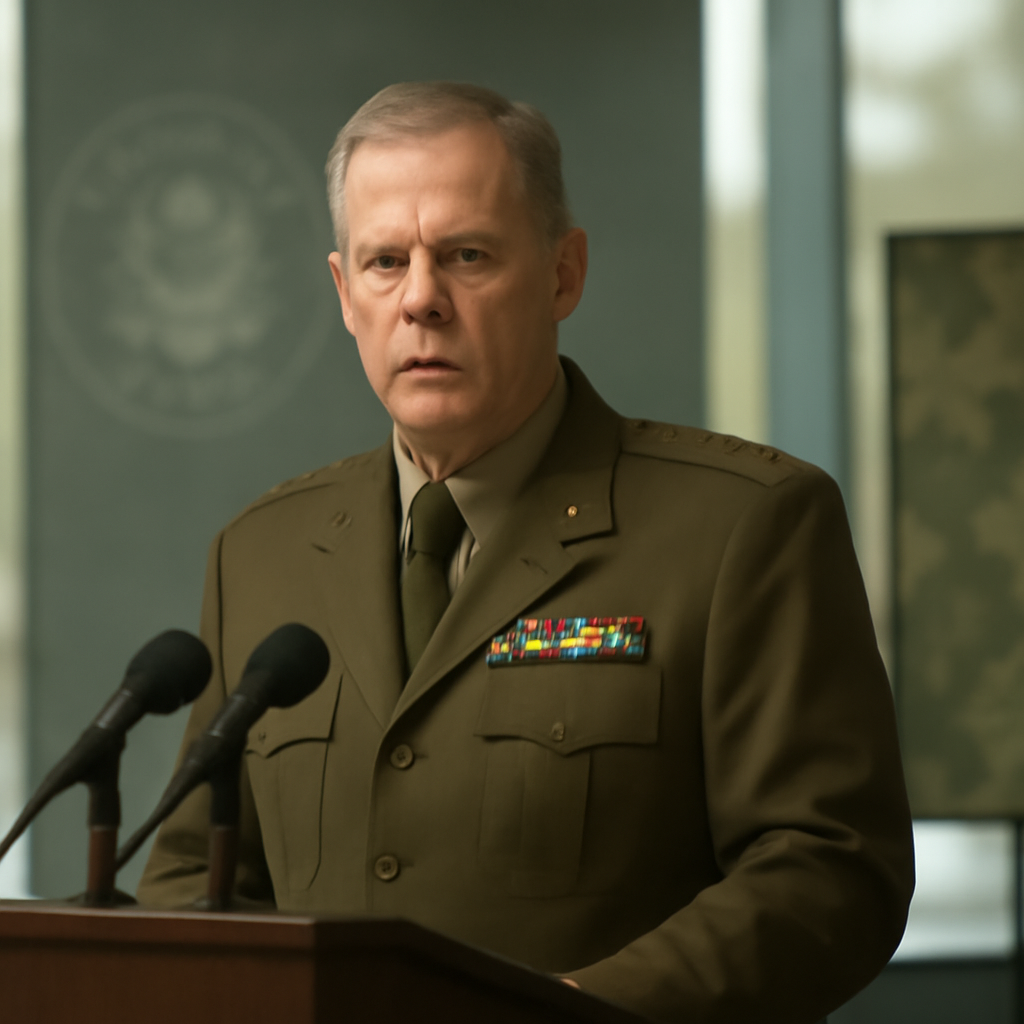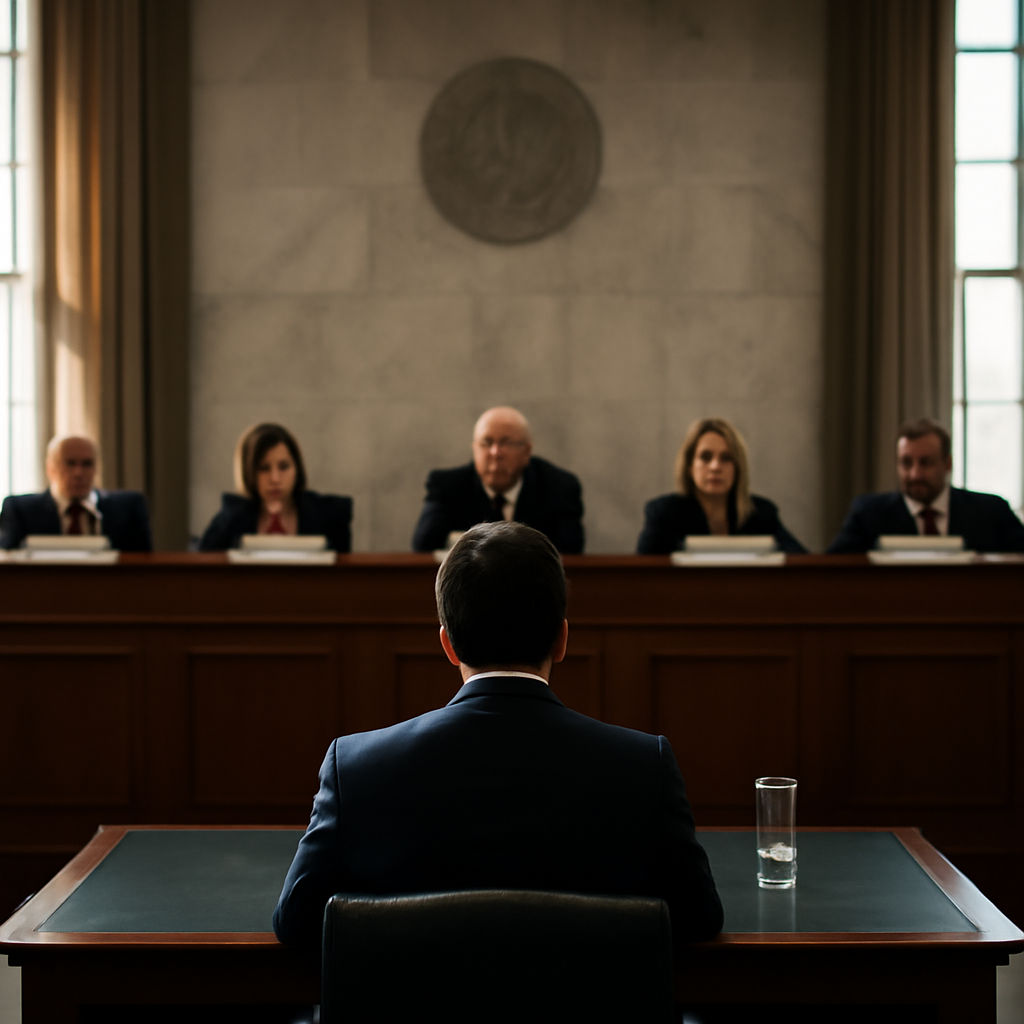
"I’m not an election denier," Clayton contended in the hearing.
Jay Clayton’s testimony to the Senate Intelligence Committee
Nominee Jay Clayton, the U.S. attorney for the Southern District of New York, faced tough questioning from Senate Democrats over his remarks about the 2020 election and election security ahead of this year’s midterms. Clayton told senators that former president Joe Biden was "certified" president in 2020 after the election commenced, but repeatedly declined to say outright that Biden won when pressed multiple times.
Sen. Jon Ossoff, D-Ga., challenged Clayton sharply, asking why he would not give a simple answer about who won the presidential election. Sen. Angus King, I-Maine, also pressed Clayton for any evidence that voter fraud had been significant enough to change the outcome of a U.S. election; Clayton replied that “I don’t think we can say definitively whether there is or is not until we have better processes.”
Subpoenas to New York Times journalists and press-freedom pushback
Clayton defended subpoenas his office issued last Friday seeking grand jury testimony from four New York Times journalists who reported that President Trump returned from a NATO summit aboard an older Air Force One after security officials raised concerns about a Qatari-gifted plane meant to replace it. The Times reported the newer plane lacked some advanced security features, including antimissile capabilities. Some subpoenas were delivered to the journalists’ homes.
Sen. Ron Wyden, D-Ore., called the subpoenas an attack on press freedom and the First Amendment. Sen. Kirsten Gillibrand, D-N.Y., questioned how quickly the subpoenas were issued given that security concerns about the Qatari-donated plane had been known for months. Clayton said he was "comfortable" with the process, declined to discuss specifics because the investigation into the disclosure of classified information is ongoing, and said he consulted other lawyers before issuing the subpoenas while respecting the First Amendment.

The cyber insurance questionnaire just landed. Now what?
SOC 2, HIPAA, insurance renewals - someone has to own security strategy. Nubivance provides fractional CISO leadership without the full-time salary.
Get a security leadClayton’s resume and his experience with intelligence and prosecutions
Clayton currently oversees the Southern District of New York and earlier chaired the Securities and Exchange Commission during the first Trump term. He spent more than two decades at law firm Sullivan & Cromwell, focusing on corporate transactions and capital markets, and told senators he had worked closely with intelligence and law enforcement on terrorism, espionage, cyber threats and illicit finance cases.
The record also notes Clayton has no prior experience working inside the intelligence community. His office is prosecuting deposed Venezuelan leader Nicolás Maduro and his wife on narcoterrorism, drug-trafficking and weapons charges following their capture by U.S. forces in January.
ODNI’s role in election issues and recent leadership changes
Clayton argued that the Office of the Director of National Intelligence should focus on foreign intelligence threats and not domestic matters. His testimony took place against a backdrop of ODNI involvement in election-related activity: former DNI Tulsi Gabbard appeared at a February FBI search of a Georgia election facility and oversaw a review of Puerto Rico voting machines, and President Trump more recently authorized acting DNI Bill Pulte to declassify 2020 election records.
Pulte, described as a major Trump ally who led controversial mortgage fraud investigations last year, has initiated multiple rounds of personnel cuts at ODNI and received broad permission from the president to declassify records. Clayton said he would commit to assessing whether ODNI’s cyber and foreign-influence components — which were downsized under Gabbard — should be resourced again. If confirmed, he would inherit an intelligence office already undergoing significant workforce changes.
Senate reaction and the contested confirmation path
Sen. Mark Warner, D-Va., the vice chairman of the intelligence panel, told reporters after the hearing he was disappointed by a number of Clayton’s answers and said he has "a lot to think about." Warner said his view of Clayton as a capable public servant made the hearing more concerning and suggested he worries the administration’s approach is creating a standard where nominees cannot "tell the truth about the 2020 election."
Clayton was nominated last month after the administration’s installation of Bill Pulte as acting DNI drew resistance. His first scheduled hearing was abruptly postponed earlier after the president said the Senate should first approve his chosen replacement at the U.S. Attorney’s Office in Manhattan and demanded action on unrelated election legislation.
Clayton’s testimony stitched together questions about the future role of ODNI in election matters, the bounds of prosecutorial secrecy when reporting implicates national-security safeguards, and whether a nominee without prior intelligence-community experience can reassure a divided Senate. Senators from both parties left the hearing with differing impressions; Warner summed up the tenor when he said he was “very disappointed” and warned of a troubling new confirmation standard.