Tag: defense acquisition
65 articles

Navy Receives First C-130J for E-130J Phoenix II Communications Fleet
The delivery of the first C-130J Hercules airframe marks a major milestone in the Navy's strategic deterrence posture, with Lockheed Martin handing over the aircraft at its Marietta facility on October 15, 2026. This new airframe is the foundation for the future E-130J Phoenix II communications fleet.
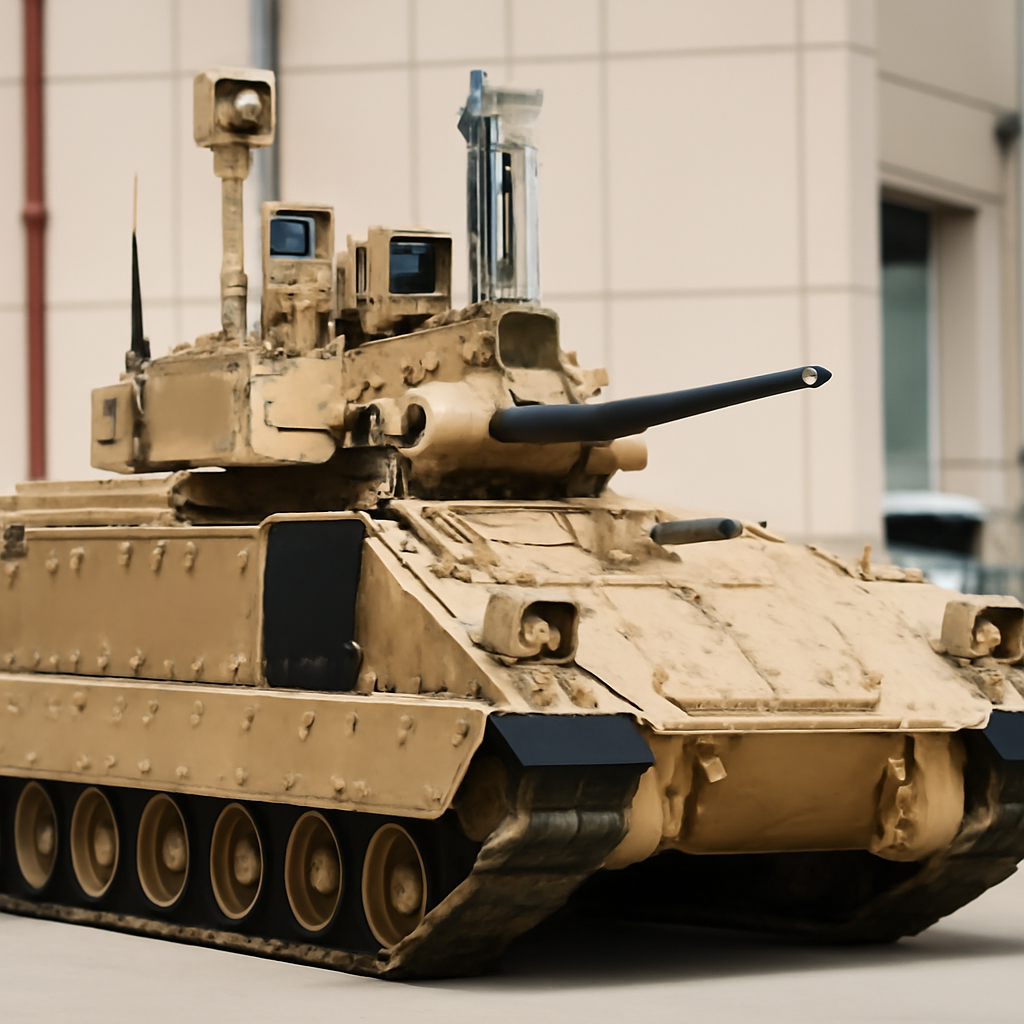
Army Prioritizes Open Architecture in XM30 Vehicle Downselect
The Army is putting open systems architecture at the forefront of its XM30 vehicle selection process, with Brig. Gen. Troy Denomy emphasizing its crucial role in enabling rapid adaptation and integration of new technologies to stay ahead of evolving threats. This key factor will help determine the winning platform.
US Army Air Defense Shifts to Multi-Interceptor Systems
The US Army is overhauling its air defense strategy by shifting to multi-interceptor systems, ensuring a resilient and sustainable defense that can adapt to any dynamic environment. By diversifying interceptors and speeding up decision-making, the Army aims to stay ahead of emerging threats.

Lockheed Martin Unveils PAC-3 Edge Interceptor
Lockheed Martin has just unveiled the PAC-3 Edge Interceptor, a cutting-edge missile designed to take down the most advanced threats on the battlefield. This next-generation interceptor is poised to revolutionize the Army's defense capabilities, building on the success of the current PAC-3 missile segment enhancement.

Army's FUZE Innovation Hub Targets Bigger Acquisition Challenges
The Army's FUZE innovation hub is taking aim at the military's toughest acquisition challenges, leveraging commercial and startup tech to drive real change. After a speedy first year, FUZE is now tackling bigger problems, helping to bridge the gap between prototype and procurement.

Army Unveils New Command to Streamline Autonomous Warfare Acquisition
The Army is shaking things up with the launch of its new Futures and Autonomous Systems Command (FASCOM), a game-changing move designed to turbocharge the acquisition of autonomous warfare capabilities and leave bureaucratic red tape in the dust. By streamlining processes and prioritizing autonomy, FASCOM is poised to revolutionize the way the Army approaches modernization.

Shield AI Accelerates X-BAT VTOL Drone Development for Navy
Shield AI is on track to unveil the first full-scale X-BAT VTOL drone prototype by the end of October, with flight tests slated to begin before the year is out. The company is taking a staged approach, ramping up from engine runs to untethered flights in a bid to accelerate development for the Navy.

Army Establishes New Autonomy Command, Accelerates Acquisition Efforts
The Army is shaking off bureaucratic red tape to supercharge modernization, with a bold new command dedicated to getting cutting-edge autonomous technology into soldiers' hands - fast. The Army Futures and Autonomous Systems Command is leading the charge, prioritizing autonomy across the board.
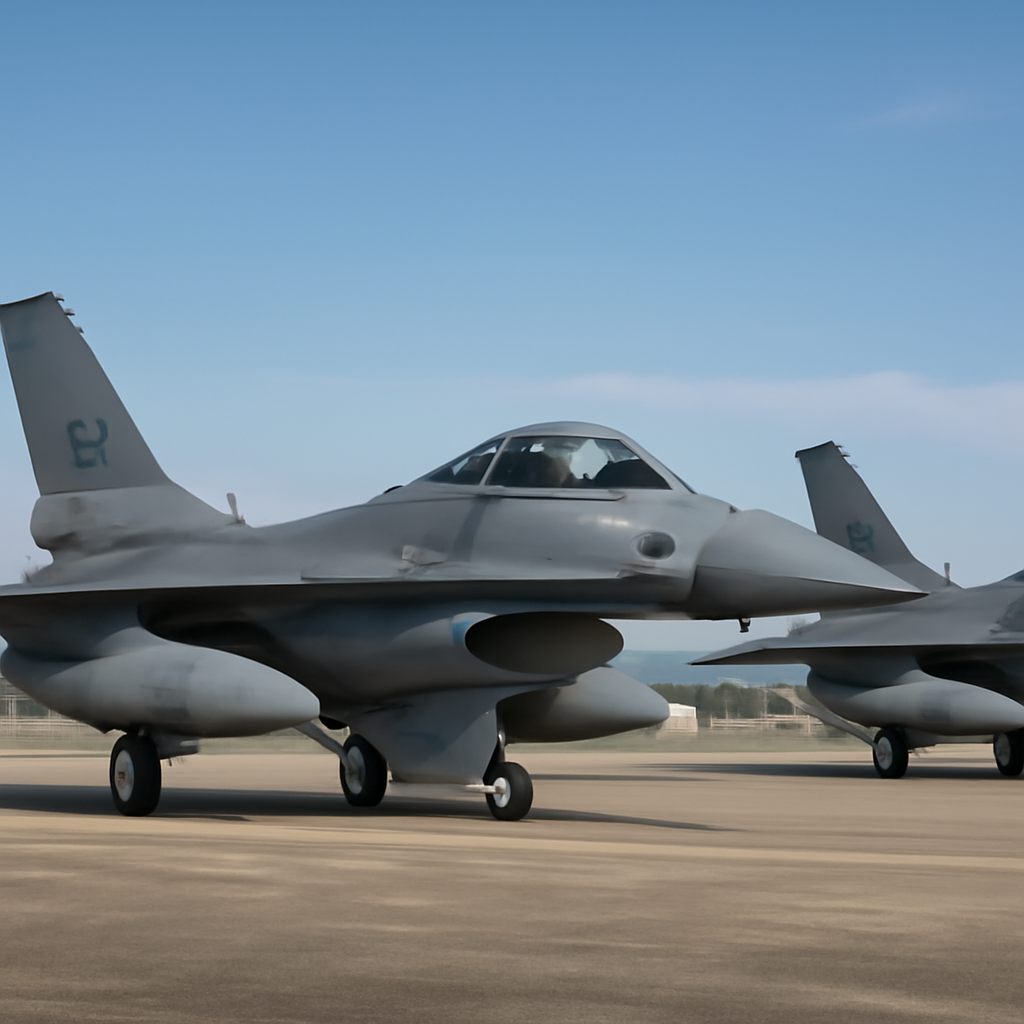
Taiwan Bolsters Air Defense with Delayed F-16 Deliveries
Taiwan's air defense gets a boost as two brand-new F-16 Block 70 fighters land at Chihhang Airbase, marking the beginning of a long-awaited delivery of 66 aircraft ordered in 2019. The new jets will gradually enhance the Republic of China Air Force's combat capabilities as training and equipment acceptance continue as planned.

Indonesia Weighs Risks of Aging Aircraft Carrier Acquisition
Indonesia's acquisition of the KRI Sriwijaya, a compact aircraft carrier with a storied past, presents a crucial decision: will it become a versatile hub for amphibious operations and drone innovation, or a costly relic, relegated to harbor duty? The nation's choices on equipping, modernizing, and sustaining the ship will ultimately determine its fate.

US Navy Explores Foreign Frigate Designs
The US Navy is fast-tracking its shipbuilding plans, exploring foreign frigate designs from Japan, South Korea, and Turkey to quickly boost its fleet and capabilities. This move is part of a broader effort to supercharge domestic shipbuilding capacity, leveraging the expertise of allies to get the job done.
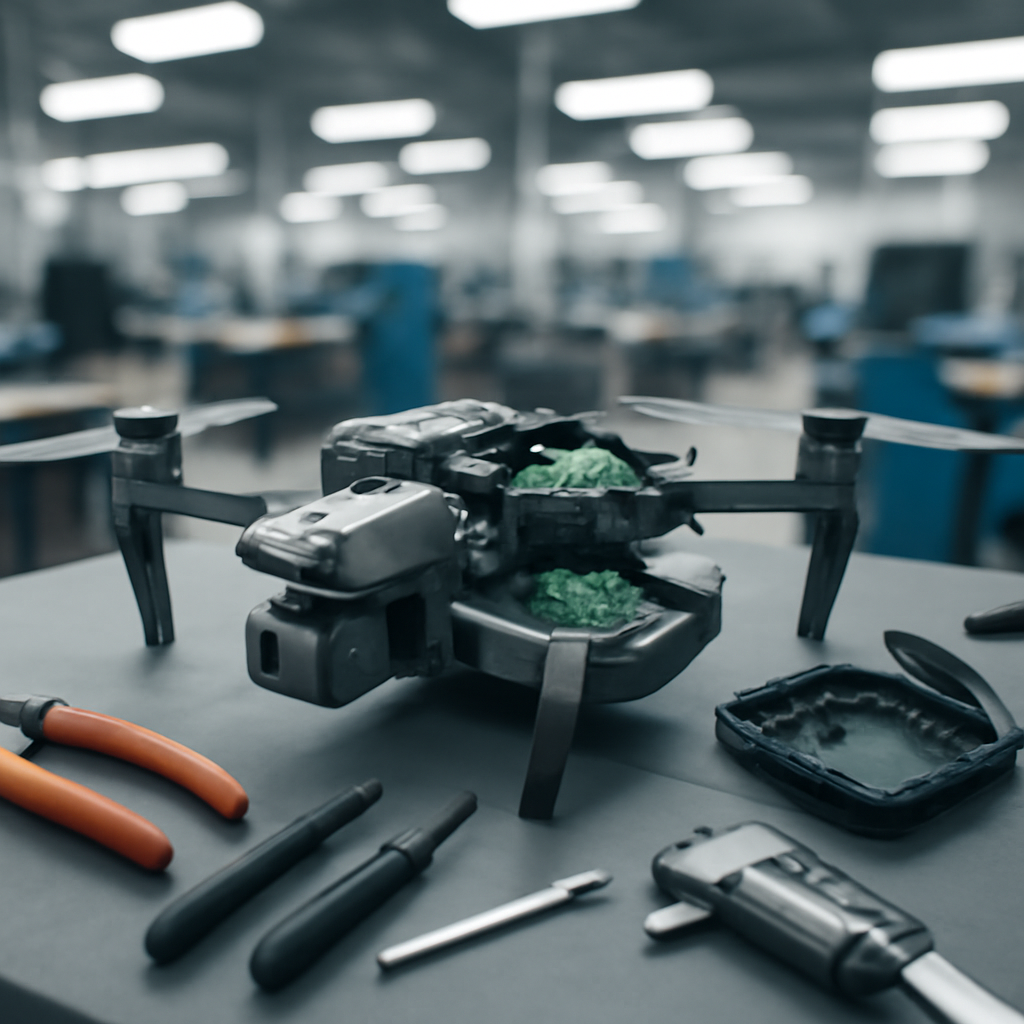
Pentagon's Drone Push Must Confront Risk of Rapid Obsolescence
The Pentagon's drone-buying strategy needs a wake-up call: instead of fixating on cheap prices, it should prioritize combat value to avoid wasting millions on drones that become obsolete before they're even used. Col. Dustin Thomas argues that a shift in focus is crucial, or else the military risks rendering 70,000 drones useless with a single countermeasure.

Army Taps Georgia Tech to Lead CAML Launcher Integration
The Army has awarded Georgia Tech Research Institute up to $33.4 million to lead the integration of its Common Autonomous Multidomain Launcher (CAML) prototype program, a key move to deliver cutting-edge Fires capabilities to Soldiers. As the lead integrator, GTRI will drive the program forward with systems engineering, interface integration, and testing expertise.

Army Seeks Tracked Howitzer Options Amid Wheeled Variant Deal
The US Army is exploring new options for a tracked self-propelled howitzer, issuing a request for information to gather ideas for a 155mm howitzer that can operate within armored formations. This move is a separate effort from the recent deal for a wheeled variant, signaling a renewed interest in tracked artillery capabilities.

Congress Urged to Act as Munitions Shortage Widens
The Pentagon's alarmingly long procurement lead times have sounded the alarm: 31 months for crucial PAC-3 interceptors, 34 months for THAAD interceptors, and a staggering 40 months for Tomahawk missiles. If Congress delays appropriations, these timelines will stretch even further, leaving our defenses vulnerable for years to come.

Space Force Bolsters Project Management with AI-Enabled Contract
The Space Force is supercharging its project management with a multi-million dollar contract awarded to Integrate, a Seattle-based firm, for its AI-enabled project management platform. This game-changing tech will serve as a central nervous system to streamline the Space Force's most complex acquisition projects.
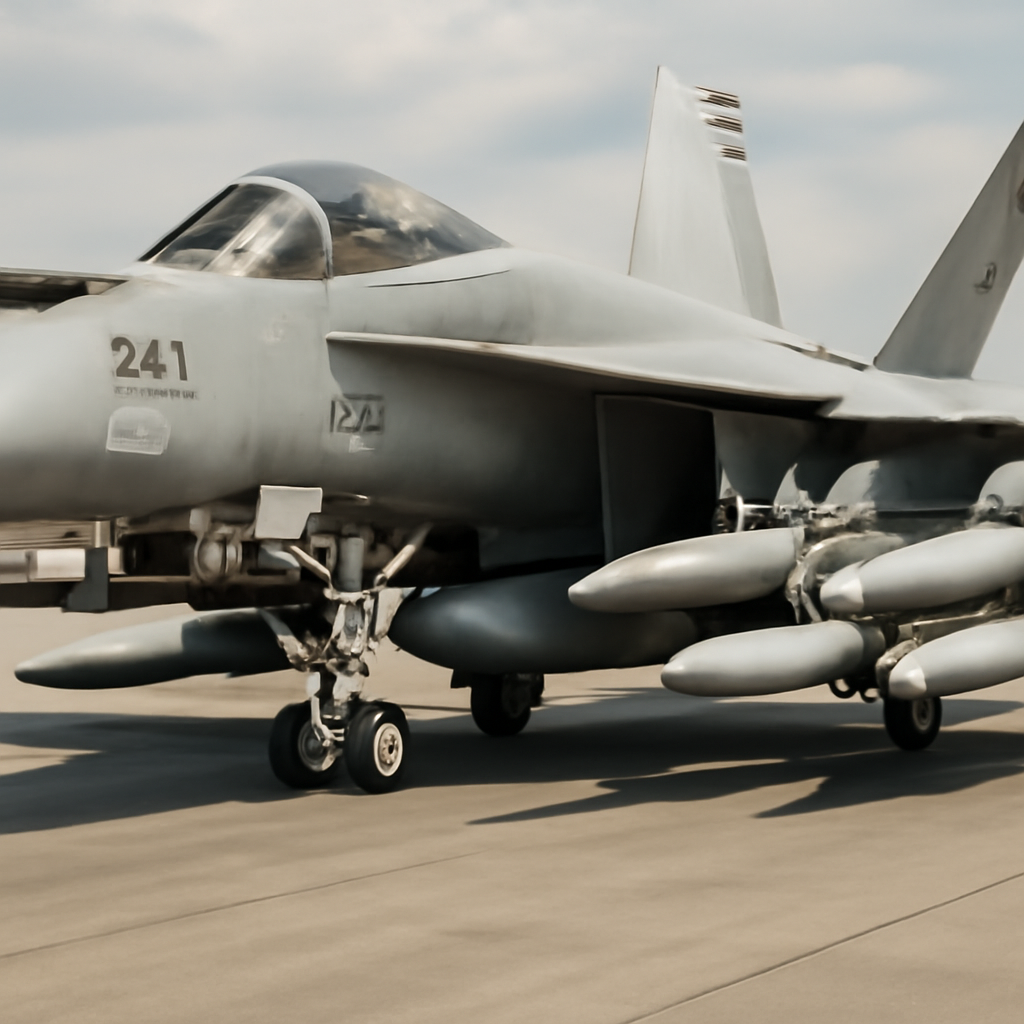
Navy Unveils AIM-424 Malice Long-Range Air-To-Air Missile
Meet the AIM-424 Malice, a game-changing long-range air-to-air missile that tips the scales at 1500 pounds and boasts a range of over 250 nautical miles, roughly triple the punch of its AIM-120 counterpart. This behemoth of a missile is set to revolutionize air combat.

Army Seeks New Intel Tools with Guiding Document
The Army is shaking up its approach to intelligence gathering with a new guiding document that outlines key problems to be solved, and they're turning to industry for innovative solutions. This fresh "characteristics of need" approach is a deliberate departure from traditional requirement-driven methods, and a decision on its implementation is expected soon.

Air Force Seeks Expendable Drones to Mimic Diverse Airborne Threats
The US Air Force is on the hunt for affordable, expendable drones that can replicate a wide range of airborne threats, from tiny hobby drones to advanced fighter jets. These drones would need to mimic various aircraft characteristics, including speed, size, and radar signatures, while being simple and inexpensive enough to produce in large quantities.
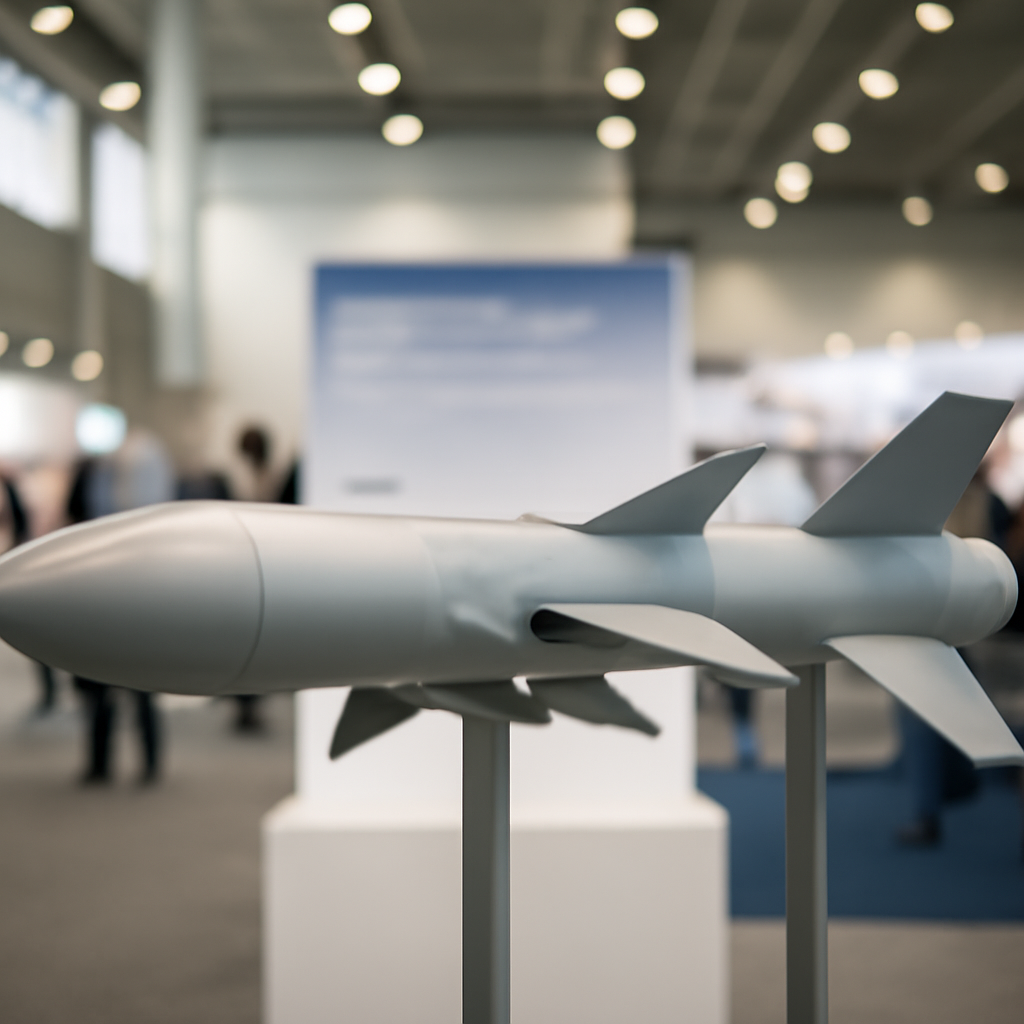
US Army Pursues Lower-Cost Strike Missile With 1,000-Kilometer Range
The US Army is on a mission to develop a game-changing, lower-cost strike missile that can travel up to 1,000 kilometers, and their Affordable High Speed Strike (AHSS) program is already exploring two innovative design concepts. This new missile promises to be a total game-changer, offering unprecedented speed and range at a fraction of the cost.

Army Targets Four Key Capability Gaps in Fires Portfolio Overhaul
The Army is zeroing in on four critical gaps in its Fires portfolio, tackling major challenges in high-cost manufacturing, limited capacity, and constrained resources. Brig. Gen. Robert Mikesh outlined these key areas for improvement, including energetics and propulsion, targeting and seekers, the industrial base, and munitions breadth and depth.

Army Shifts Autonomy Strategy to Leverage Industry Vendors
The Army is shifting its autonomy strategy to tap into the innovative solutions of industry vendors, who are delivering impressive results and integrated solutions for specific mission sets. By leveraging contractor-led solutions, the Army aims to accelerate the development of case-specific autonomy capabilities.

Joby Expands Defense Ambitions with $500 Million Resonant Sciences Buy
Joby Aviation is bolstering its defense ambitions with a $500 million acquisition of Resonant Sciences, a military-technology firm that brings cutting-edge tech and trusted customer relationships to the table. The deal, expected to close in the first half of 2027, will make Resonant Sciences Joby's new defense business.

Navy Launches New Robotic Systems Portfolio Manager
The Navy is shaking things up with a bold new approach to robotic and autonomous systems, launching a Direct Reporting Portfolio Manager to supercharge development and acquisition. This game-changing move aims to get cutting-edge tech into the hands of Sailors and Marines faster than ever before.