"We just launched it, and we'll continue to bring on more partner nations, a ton more vendors to the system," Nikhil Reddy, Kaizen Laboratories' co‑founder and CEO, told reporters.
Kaizen Laboratories and the $15 million award
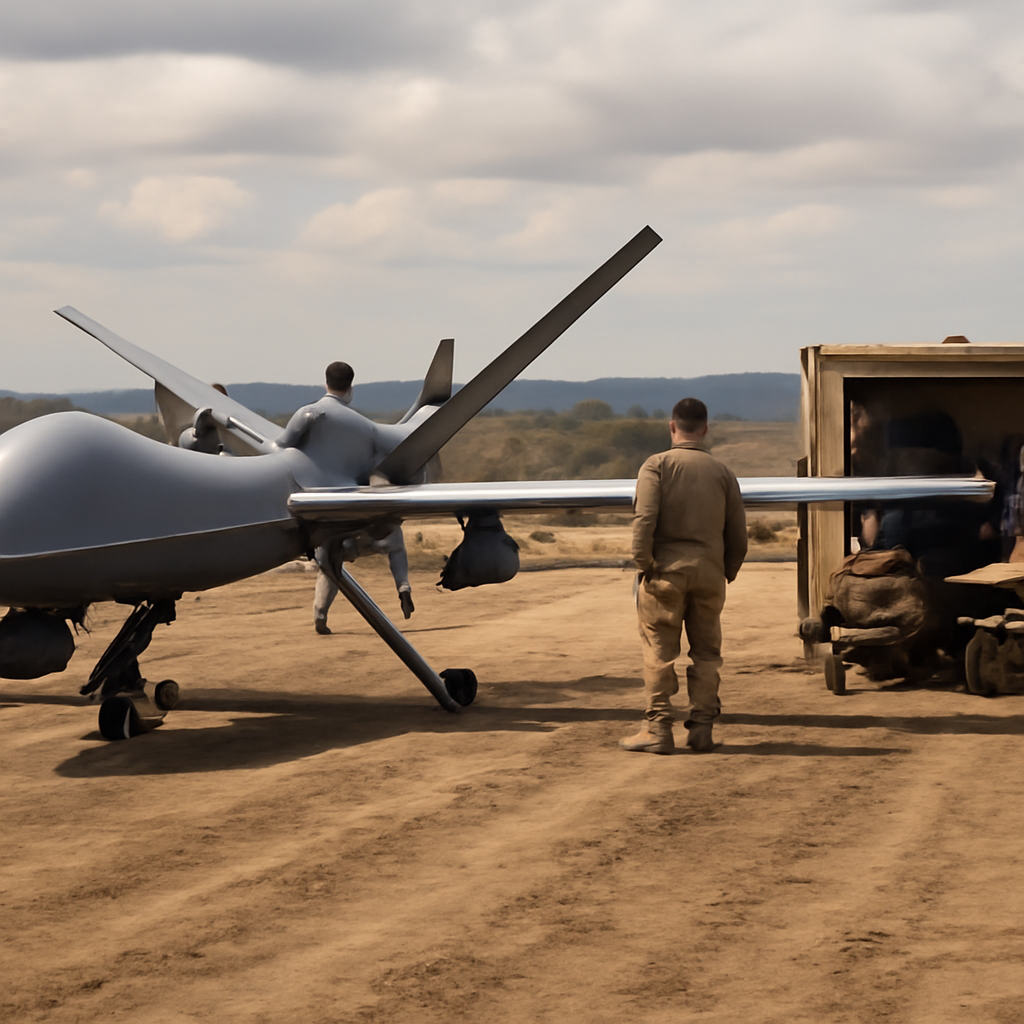
The Pentagon’s counterdrone task force awarded Kaizen Laboratories $15 million to build a new, AI‑backed marketplace intended to streamline purchases of counter‑unmanned aircraft systems (counter‑UAS) technology. The contract was awarded on May 8 through a rapid acquisition tool described in the announcement as an "other transaction agreement." Details of the award were not publicly released until late Monday, and the marketplace has been online for about two weeks, according to the reporting.
The Foreign Military Sale Fast Lane Initiative and FMS paperwork
The site was developed from "a blank slate" to facilitate the Pentagon’s Foreign Military Sale (FMS) Fast Lane Initiative, Reddy said. Mike Obadal, the Army undersecretary, described how the portal and its Amazon Web Services backbone let the Defense Department "start the paperwork for a foreign military partner that immediately becomes a letter of intent or a letter of request." Obadal framed that automation as a way to shorten what he called the traditionally lengthy FMS process, which usually takes "months at best to get to the other end."

This site is the portfolio.
OSINTSights runs on Cloudflare Workers, D1, R2, and Vectorize, with an AI pipeline on Hetzner ARM. Nubivance designed, built, and operates it. We do the same for clients.
See what we buildAI workflows, two‑way marketplace, and planned features
Officials and Kaizen described the platform as a "two‑way" marketplace with multiple AI capabilities. Obadal said the marketplace hosts "all kinds of AI workflows" that allow a user to state a problem and have the system "set up a package for you." Reddy outlined a roadmap of features he hopes to add within weeks, including agentic tooling for discovery and product comparison, integration of test data, and "testing integration so that you purchase an asset and you can immediately see testing and integration data to ensure that compliance is there."
Reddy also said Kaizen has met with military logistics leaders who want repairability information and "right‑to‑repair catalogs" built into the marketplace. Those features, he said, are coming as part of the vendor’s push to make the site "the best on the internet."
Approved partner nations and interoperability goals
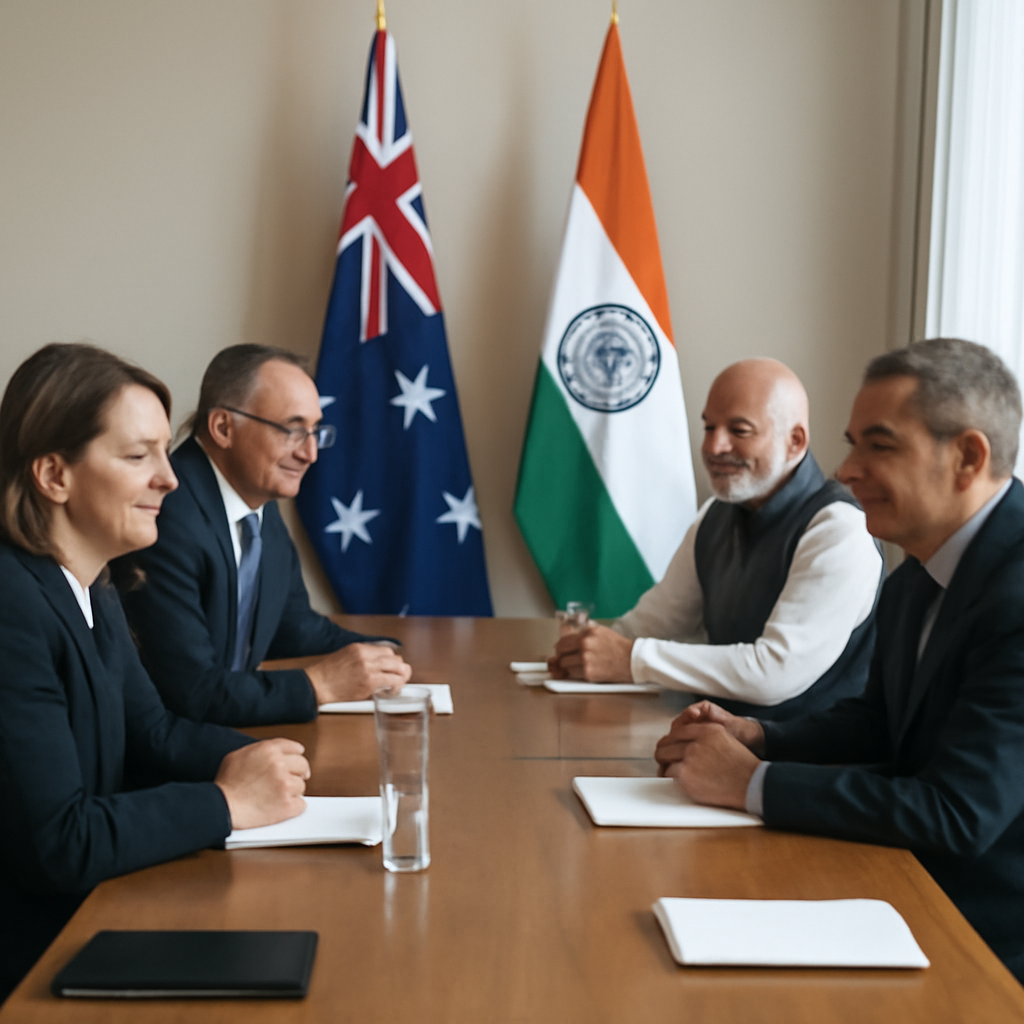
The announcement named five countries currently approved to use the marketplace: Australia, Poland, the Republic of Korea, Romania, and the United Kingdom. Obadal explained part of the aim is to give U.S. forces and allied or partner militaries a single point of purchase while helping them find interoperable systems. "Networked air defense, whether it's counter‑UAS or ballistic missile, is critical because everyone has to be able to see the same picture," Obadal said, stressing the importance of shared "commonality" in information and equipment where possible.
State and local agencies are also being onboarded, Obadal added, broadening the intended user base beyond federal and foreign military customers.
What this means for technologists, policymakers, and partner militaries
- Technologists and procurement teams: The marketplace promises integrated testing and repairability data, plus agentic discovery and comparison tools — features Kaizen says it will roll out in the coming weeks. Those capabilities are positioned to shorten evaluation cycles by surfacing compatibility and compliance information alongside prices and availability.
- Policymakers and acquisition officials: The FMS automation that turns an initial foreign inquiry into a letter of intent or a letter of request is described as a way to speed the Fast Lane Initiative and reduce friction in traditional FMS timelines.
- Partner militaries (Australia, Poland, Republic of Korea, Romania, United Kingdom): Approved nations will have access to pricing, availability, and capability data on a shared platform intended to help align counter‑UAS choices and support discussions about how to "network counter‑UAS between our countries, our deployed forces, our partners," in Obadal's words.
Reddy and Obadal both stressed expansion: Kaizen intends to add more vendors and partner nations, and Defense officials are onboarding additional state, local, federal, and foreign customers. For now, the record supplied by officials describes a targeted experiment in digitizing acquisition touchpoints — blending AI‑driven discovery, FMS paperwork automation, and logistics metadata — with the explicit goal of improving interoperability for networked air defense and counter‑UAS coordination.