“Aligned with the Direct Reporting Portfolio Manager for Unmanned Systems (DRPM-UxS) mandate to field low-cost autonomous capabilities at scale, the government is particularly interested in mature, proven solutions that deliver favorable cost-per-effect at operationally relevant ranges while minimizing the logistical, training, and sustainment burden on employing units,” the Defense Innovation Unit wrote.
What DIU has launched: the G-BAM challenge
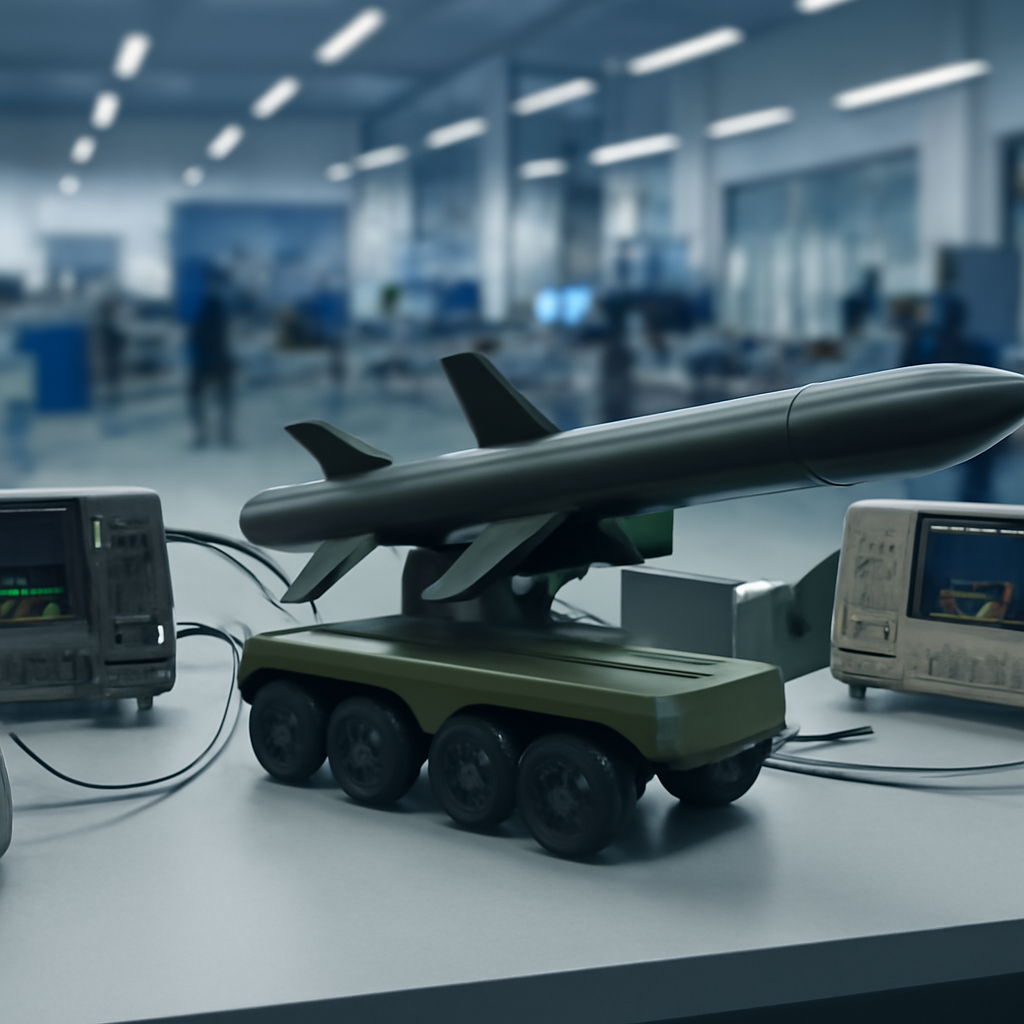
The Defense Innovation Unit announced a new Ground-Based Affordable Mass (G-BAM) challenge seeking long-range precision strike systems that can be demonstrated within three months and be ready for production within 12–18 months. The effort is presented as a rapid assessment and transition pathway designed to surface mature solutions that can scale quickly into operational use.
Concrete performance and cost requirements
The G-BAM solicitation sets clear numeric targets. Systems should be able to strike targets more than 600 nautical miles away. Each round is expected to cost less than $250,000, with a system cost‑per‑effect below $500,000. Minimum payload capacity is set at 35 pounds, with a preference for platforms able to carry more than 100 pounds. DIU also said it expects companies to be producing 100‑plus systems per month, or to have near‑term plans to reach that production rate.

This site is the portfolio.
OSINTSights runs on Cloudflare Workers, D1, R2, and Vectorize, with an AI pipeline on Hetzner ARM. Nubivance designed, built, and operates it. We do the same for clients.
See what we buildAutonomy, navigation, and integration requirements
Secondary attributes specified in the call emphasize autonomy and resilient navigation. The department seeks automatic target recognition and autonomy‑enabled terminal guidance, Alternative Position, Navigation, and Timing (PNT), and compatibility with various targeting and command‑and‑control systems. The request further calls for systems that permit autonomous or operator‑directed retasking after launch.
Funding, timeline, and potential follow‑on awards
The Pentagon plans to spend $250 million evaluating options and making early follow‑on deals tied to the G-BAM effort. Companies are being asked to submit white papers; the Department of Defense intends to award an unspecified number of firms $250,000 each to participate in a Phase 2 flight demonstration in early November. Top performers at that demonstration could receive $5 million to “immediately deliver” operational test quantities to units, and would be eligible for various follow‑on deals with the services and the Pentagon, including prototype awards, production contracts, or Small Business Innovation Research opportunities.
DRPM‑UxS, the autonomy czar shop, and the acquisition pathway
The announcement arrives as the Pentagon establishes what the DIU described as a new autonomy czar shop, with plans to stand up the Direct Reporting Portfolio Manager for Unmanned Systems (DRPM‑UxS) to serve as the single joint integrator for all unmanned and autonomous systems. The G‑BAM effort is explicitly aligned with DRPM‑UxS so it can provide a “common assessment and transition pathway” for multiple stakeholders. The DIU notice does not identify which services or specific program requirements G‑BAM would fall under.
How companies, the services, and operational units are likely to respond
- Companies developing precision ground‑launched weapons: Will be asked to submit white papers and demonstrate production plans that can meet the 100+ monthly unit target, show payload and cost metrics, and prepare for a Phase 2 flight demonstration in early November.
- The services and Pentagon acquisition managers: Will have a new, joint integrator in DRPM‑UxS and a DIU pathway that promises fast demonstrations, $250,000 Phase 2 awards, and possible $5 million follow‑on deliveries tied to operational test quantities—offering an accelerated route into service inventories if systems meet the stated requirements.
- Operational units targeted to receive equipment: Are being pitched systems that emphasize low logistical, training, and sustainment burden, with the promise that top performers could “immediately deliver” operational test quantities to units following November demonstrations.
The G‑BAM call sets an ambitious timeline and a detailed set of performance and cost thresholds, while leaving open which service programs will ultimately absorb any winners. The coming months — white paper submissions, November flight demonstrations, and the initial follow‑on deliveries — will determine whether vendors can meet the DIU’s mix of long range, low cost, autonomy features, and rapid production targets.