"The overall average time frame to deliver a capability increased this year to over 12 years," the Government Accountability Office wrote in a report released today, a finding that frames a wide-ranging review of Pentagon acquisition programs.
GAO’s central finding: long timelines and slipping promise of rapid fielding
The GAO’s annual assessment to Congress says the Pentagon’s “overall average time frame to deliver a capability” rose to more than 12 years, and that several major defense acquisition programs (MDAPs) have not set new delivery dates or are delaying critical interim milestones. The watchdog highlighted that the 12-year figure may be optimistic because program offices are not uniformly updating schedules to reflect delays.
Air Force programs: T‑7, VC‑25B and HACM face schedule risk
GAO flagged “significant delays” for the Air Force’s T‑7 jet trainer. Although the service decided to begin production “in April,” the report states the majority of developmental testing will not be complete until April 2028, with lower‑priority requirements slipping to May 2029. GAO attributed the delay to additional engineering analysis, “lower than anticipated aircraft availability due to maintenance personnel issues and lack of spare parts,” and longer software finalization timelines.
The VC‑25B program — the presidential transport often called Air Force One when the president is onboard — had completed its final configuration design in October and resolved several schedule risks, GAO reported. But remaining risks include aircraft interior designs, wire‑bundle fabrication, and structural rework. As of October, the Air Force had approved only seven of roughly 80 certification plans and “has not determined when operational testing will begin.” The program office is revising the test plan so the Air Force can take over airworthiness certification from the Federal Aviation Administration.
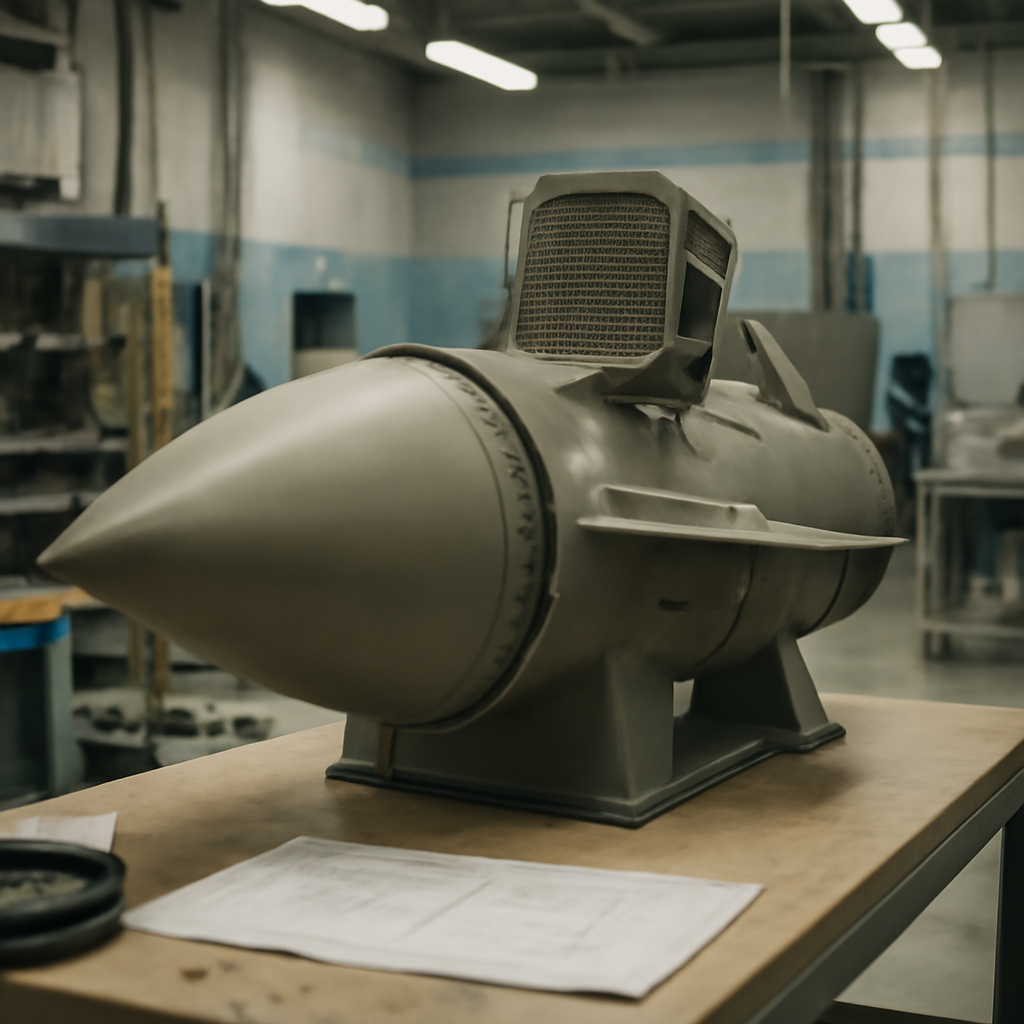
On hypersonics, GAO warned the Hypersonic Attack Cruise Missile (HACM) rapid prototyping effort has “effectively zero margin left in the schedule.” The Air Force reduced the test program from seven to five planned flights; program officials told GAO that if a significant flight test failure occurs, the program is unlikely to finish all five tests within the five‑year rapid prototyping timeframe. Completing at least the first three flight tests is “critical” for a fiscal 2027 procurement decision, the report said.

Audit-ready is a season. It shouldn't be.
Evidence in spreadsheets, controls drifting between audits, frameworks multiplying on flat headcount. Nubivance runs continuous compliance on Rapid7 Cyber GRC - SOC 2, HIPAA, ISO 27001, PCI, CMMC.
End the scrambleArmy programs: LRHW battery delay and M‑SHORAD technology immaturity
The Army’s Long Range Hypersonic Weapon (LRHW) MTA program will field its second battery “at least” six months later than originally scheduled because of “missing, inconsistent, and unclear work standards for missile production.” The second battery, originally slated for the fourth quarter of fiscal 2027, is now pushed into fiscal 2028. Production challenges that delayed testing of a new Dark Eagle variant could also affect the third battery’s delivery.
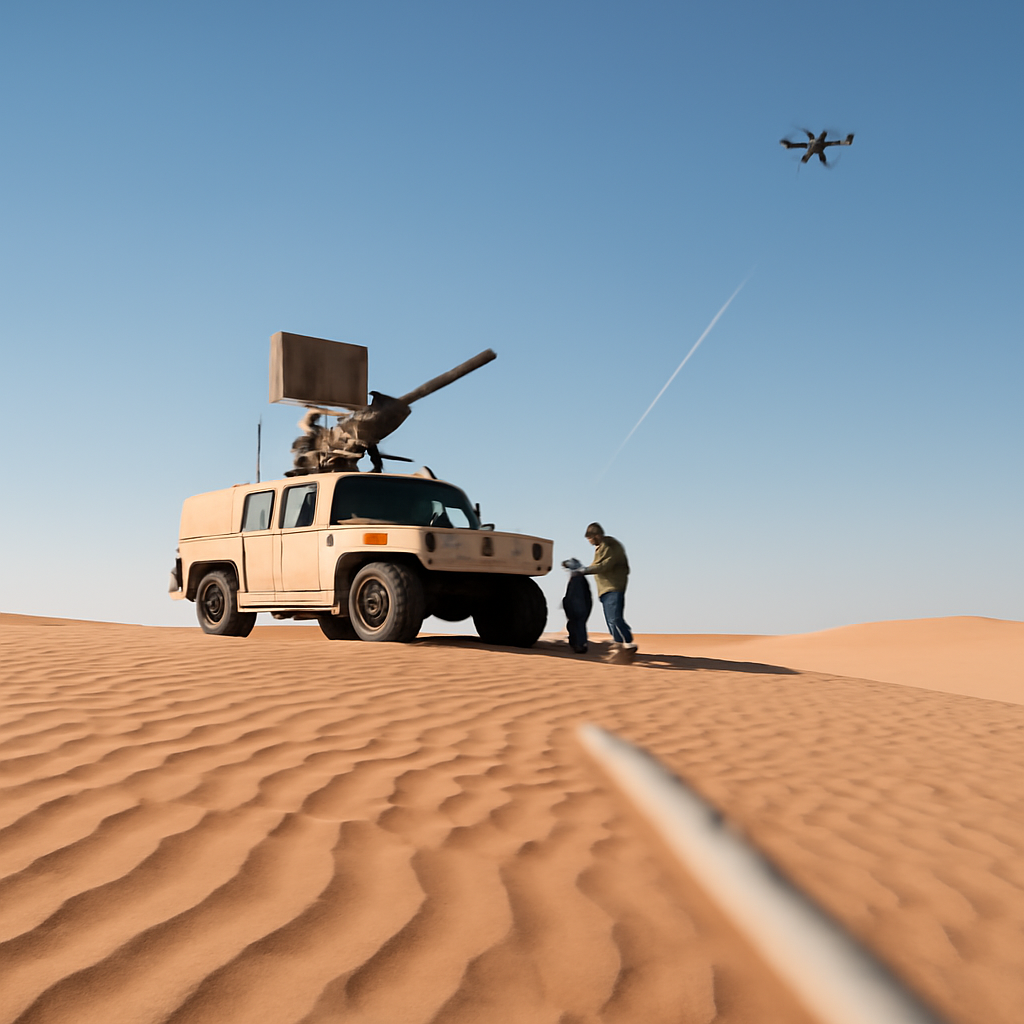
GAO also found the Maneuver Short‑Range Air Defense (M‑SHORAD) Increment 3 program’s “critical technologies are not fully mature.” The watchdog noted a discrepancy between the program office and contractors (Raytheon and Lockheed Martin) on technology readiness; program officials said their independent assessments showed some technologies were less mature than contractors reported.
Navy programs: destroyer schedules, hypersonic integration and unmanned undersea delays
The first 13 follow‑on DDG‑51 Flight III destroyers are now 55 months behind schedule, up from 41 months in last year’s assessment, a slide GAO linked to workforce shortfalls, supply‑chain constraints and frequent design changes. GAO said the program is now slated to reach initial operating capability by the end of fiscal 2027, roughly three years later than initially planned.
For the DDG‑1000 program, integration of the Conventional Prompt Strike (CPS) hypersonic weapon onto the initial ship is about nine months behind schedule because of “unforeseen testing and production challenges,” though a live‑fire demonstration remains on track for next year — about two years later than previously planned. The Navy’s ORCA Extra Large Unmanned Undersea Vehicle program delivered its first prototype in September 2025; the remaining four prototypes are expected in January 2027, more than a year later than GAO reported last year.
Space Force and MTA: Next‑Gen OPIR‑GEO cost growth and launch capacity risks
The Space Force accounted for 50 percent of all MTA costs across the department and led the sample of 13 service programs that GAO reviewed, all of which suffered schedule setbacks during 2025. GAO reported the Next Generation Overhead Persistent Infrared — Geosynchronous Earth Orbit (Next‑Gen OPIR‑GEO) missile warning program has seen “significant cost growth,” with about $340 million added to the price of its sensor payload built by RTX, attributed to “software development complexity and engineering challenges.”
GAO notes the first Next‑Gen OPIR‑GEO satellite was completed in January 2026, four months late, and now will launch “no earlier than October 2026” because of a crowded launch manifest; that launch was originally slated for late 2025. The National Security Space Launch (NSSL) program faces strain as launches are expected to “significantly increase”: approximately 50 Phase 2 launches through fiscal 2028 and roughly 85 launches during Phase 3 through 2031. GAO cautioned the program has experienced staff losses from a deferred resignation program and voluntary early retirements, along with a hiring freeze, and that those vacancies “may prevent the program from onboarding additional launch service providers to meet DOD’s needs in a timely manner.”
What this means for acquisition managers, warfighters, and policymakers
- Acquisition managers and program offices — GAO recommended the Pentagon require programs to start with mature technologies or develop immature technologies separately; the department agreed. Program offices will face pressure to adjust baselines, document technology maturity, and update schedules that currently understate delays.
- Warfighters and operational commanders — fielding delays are concrete: the T‑7 training capability was reprioritized with testing into 2028–2029; the LRHW second battery moved into fiscal 2028; and planned procurements such as HACM hinge on early successful flight tests.
- Policymakers and Congress — the GAO report provides a multi‑program accounting of schedule slips, cost growth (for example, ~$340 million on Next‑Gen OPIR‑GEO sensors), and program risks that can inform oversight and budget decisions as the department implements GAO’s recommendation.
GAO’s report paints a Pentagon acquisition landscape where rapid‑fielding authorities and ambitious schedules increasingly collide with immature technologies, workforce gaps, and supply constraints. The department has agreed to GAO’s central prescription — start with mature technologies or separate out immature ones — but the record of missed milestones in aircraft, hypersonics, naval construction and space will make measuring improvement straightforward and unforgiving.