Tag: asia pacific
73 articles
China Deploys Stealth Fighters on Liaoning Carrier
China just took a major leap in military power, deploying J-35 stealth fighters on its Liaoning aircraft carrier, CV-16, as it sets sail. The move was captured in a stunning photo showing the advanced jets on deck, ready for action.

US Urges Counterplay in South China Sea Grey Zone
It's time to shake up the status quo in the South China Sea, where passive resistance to Beijing's aggressive tactics is no longer working. The US and its partners must now decide whether to step up with smart, targeted measures that will make Beijing rethink its approach.

South Korea Tests Hypersonic Boost-Glide Vehicle
South Korea has successfully tested its domestically developed hypersonic boost-glide vehicle, verifying core technologies like ultra-high-temperature heat resistance, guidance, and irregular flight maneuvers. The milestone test was observed by President Lee Jae Myung and marks a significant advancement in the country's military capabilities.

Japan's Web Data Leaks Surge Amid API Abuse and Metabase Attacks
Japan is facing a surge in web data leaks, with 81 incidents reported from July onwards, and experts point to a wave of API abuse and targeted exploitation of a Metabase flaw as the main culprits. In just a few months, personal data from millions of accounts has been stolen, including sensitive info like driver's license images.

South Korea Pushes for AI-Powered Cyber Defenses
South Korean President Lee Jae Myung is taking a bold stance against AI-powered cyber threats, calling for a government-led response to rapidly deploy cutting-edge defenses. He urges swift action to minimize damage and build unbreachable security capabilities.

Linux Backdoors Masquerade as Email Security Tools in Korea, Taiwan Attacks
Cyber attackers are sneaking Linux backdoors into systems in Korea and Taiwan, cleverly disguising them as email security tools to fly under the radar. The malware, known as AVERAT, uses a sneaky tactic of communicating with its controllers via ordinary email protocols to avoid detection.

China-Nexus Espionage Campaign Exploits Outlook, OneDrive
A sneaky espionage campaign, tracked as UAT-11587, has been exploiting Microsoft Outlook and OneDrive to secretly control its targets, with a reach that spans 16 entities across eight Asian countries. The sophisticated attack, first detected in September 2025, has been targeting academic, think-tank, and civil-society organizations, with evidence of continued activity through May 2026.

Indonesia Fortifies Maritime Stance Against China's Expanding Influence
Indonesia is strengthening its maritime stance to counter China's growing influence in the South China Sea, but experts argue that the country still lacks a clear strategy for maritime cooperation. Under President Prabowo Subianto, Indonesia is walking a tightrope, prioritizing economic ties with China while navigating the complex web of territorial claims in the South China Sea.

Japanese Railway Firms Targeted in Coordinated Cyber Attacks
Tokyo Metro is warning 59,000 Metpo loyalty scheme members to be on high alert after a cyber attack exposed their email addresses, prompting the company to urge customers to exercise extra caution. The breach, which was quickly contained, is a stark reminder of the importance of online security for even the most trusted brands.

Taiwan's Sovereignty Stance Sparks Beijing's Narrative Gains
Taiwan's hesitant approach to asserting its sovereignty has created an opening for Beijing to dictate the narrative, undermining the island's status on the world stage. A recent exchange featuring Foreign Minister Lin Chia-lung's straightforward declaration that "Taiping Island is of course an island" highlights the inconsistency and reactivity that Beijing exploits.

Japan Weighs Nuclear-Powered Submarines as Strategic Options Expand
Japan is keeping its options open, with Defense Minister Shinjirō Koizumi confirming that nuclear-powered submarines are now on the table as the country considers the future of its maritime defense. This development marks a significant shift in the public debate, hinting at a new era for Japan's naval capabilities.

Asia-Pacific Defense Budgets Rise Amid Regional Tensions
The Asia-Pacific region is witnessing a significant surge in defense budgets, driven by rising tensions and a growing need for enhanced security measures. Japan's defence ministry has just submitted a staggering ¥8.8 trillion (A$79 billion) preliminary request, with a strong focus on bolstering its maritime capabilities.

Japan's Digital Agency Breach Exposes 246,000 Personnel Records
A shocking security breach at Japan's Digital Agency has exposed a staggering 246,000 personnel records after a third-party hacker exploited a vulnerability in a network-connected device to gain unauthorized access to the system. The breach was only discovered on July 9, after a large-scale file access was detected from a staff member's account on June 25.

China Coast Guard Expands Capabilities with Amphibious Landing Craft
China's Coast Guard is taking a giant leap in capabilities with its newest addition - a versatile amphibious landing craft, now part of its fleet. This unexpected move raises questions about the coast guard's future plans and the potential implications.
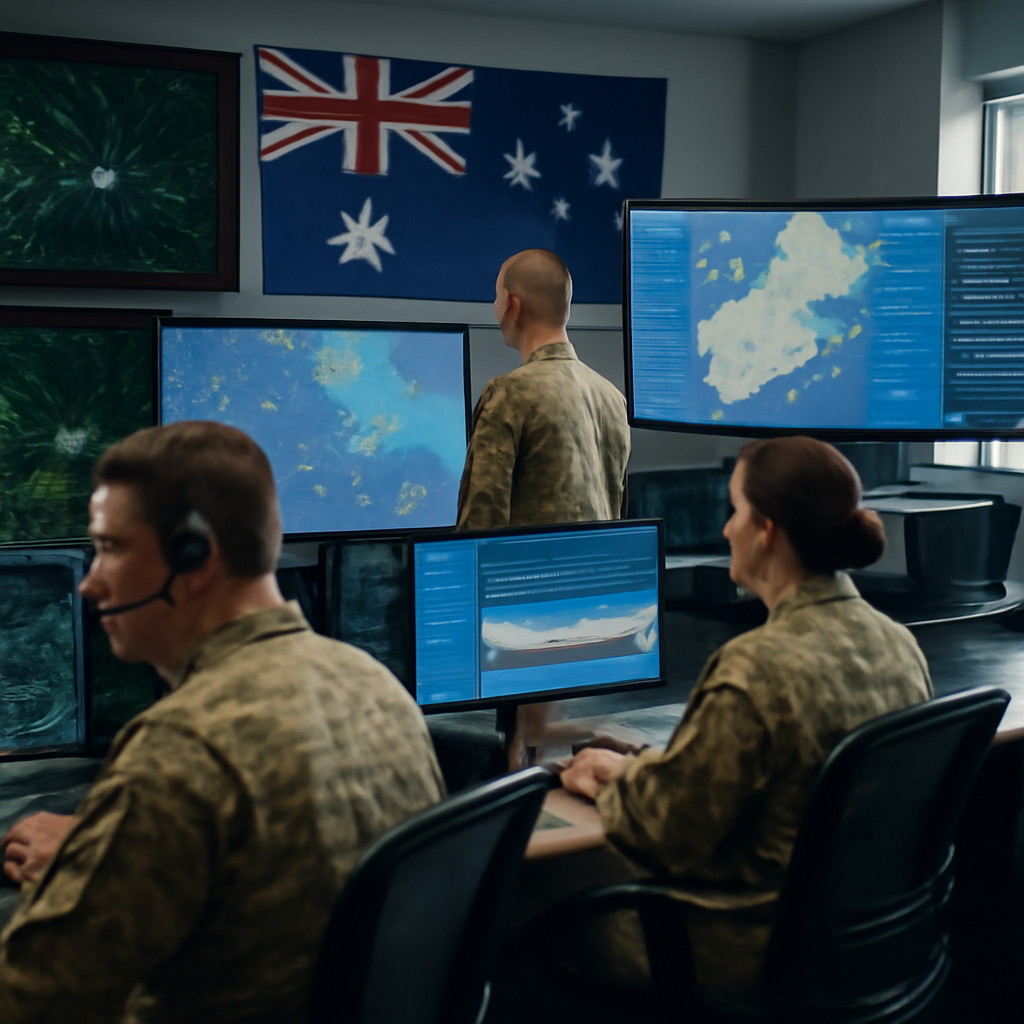
Lockheed Martin Bolsters Australia's Air Defense with $950M Contract
Lockheed Martin is bolstering Australia's air defense with a $950M contract to sustain and expand its joint air battle management system, strengthening the country's integrated air and missile defense system. This major deal is a significant step forward in modernizing Australia's air and missile defence capabilities.

Taiwan Approves $7.57 Billion Drone Funding in Hedgehog Strategy Boost
Taiwan's parliament has greenlit a whopping $7.57 billion drone funding package as part of a broader strategy to bolster its defenses, despite analyst warnings that the compromise could create uncertainty for local manufacturers. The approved budget allocates $40 billion annually for six years, falling short of President Lai Ching-te's request for immediate access to a larger special budget.
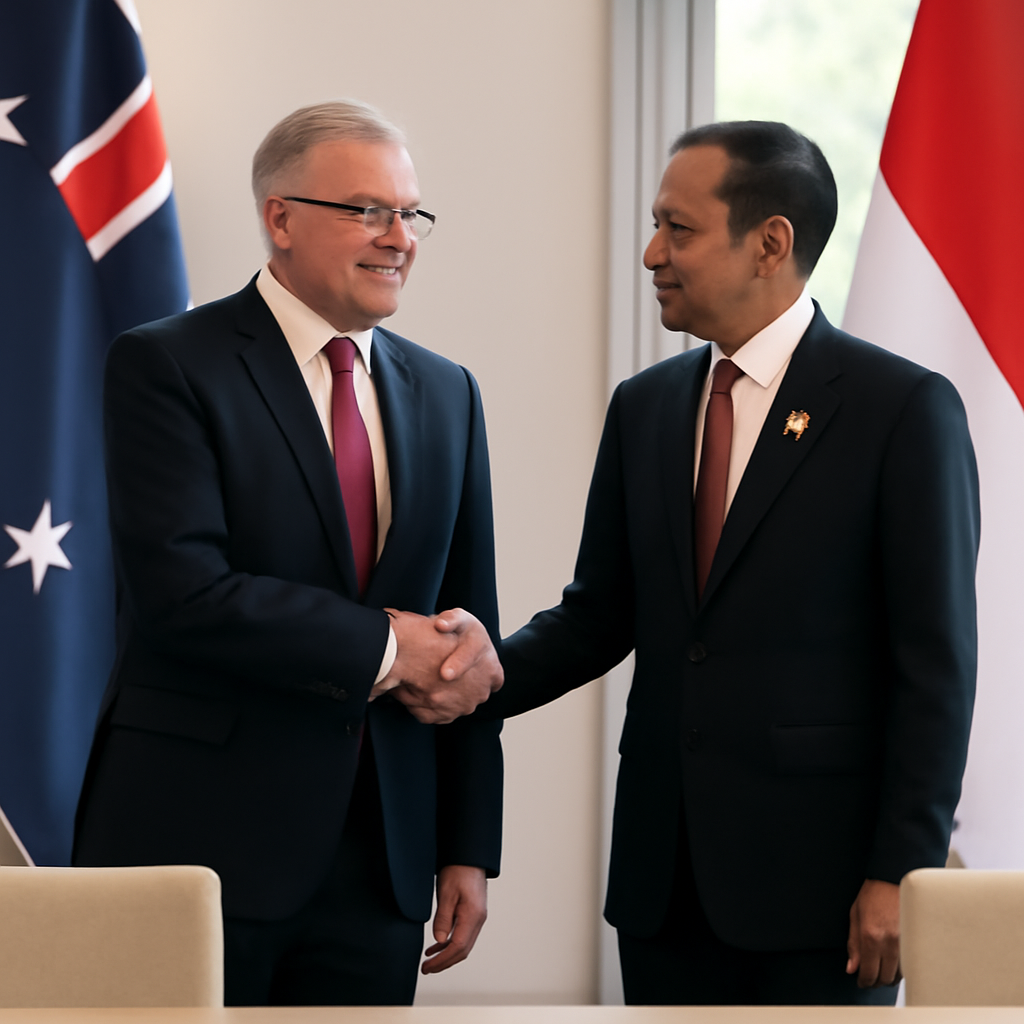
Australia and Indonesia Fortify Ties with Deepened Security Cooperation
Australia and Indonesia are taking their partnership to the next level with a strengthened security cooperation that's set to benefit future generations of both nations. Foreign Minister Penny Wong emphasized the significance of this deepened relationship, which is being turned into actionable plans through a crucial Implementation Arrangement.
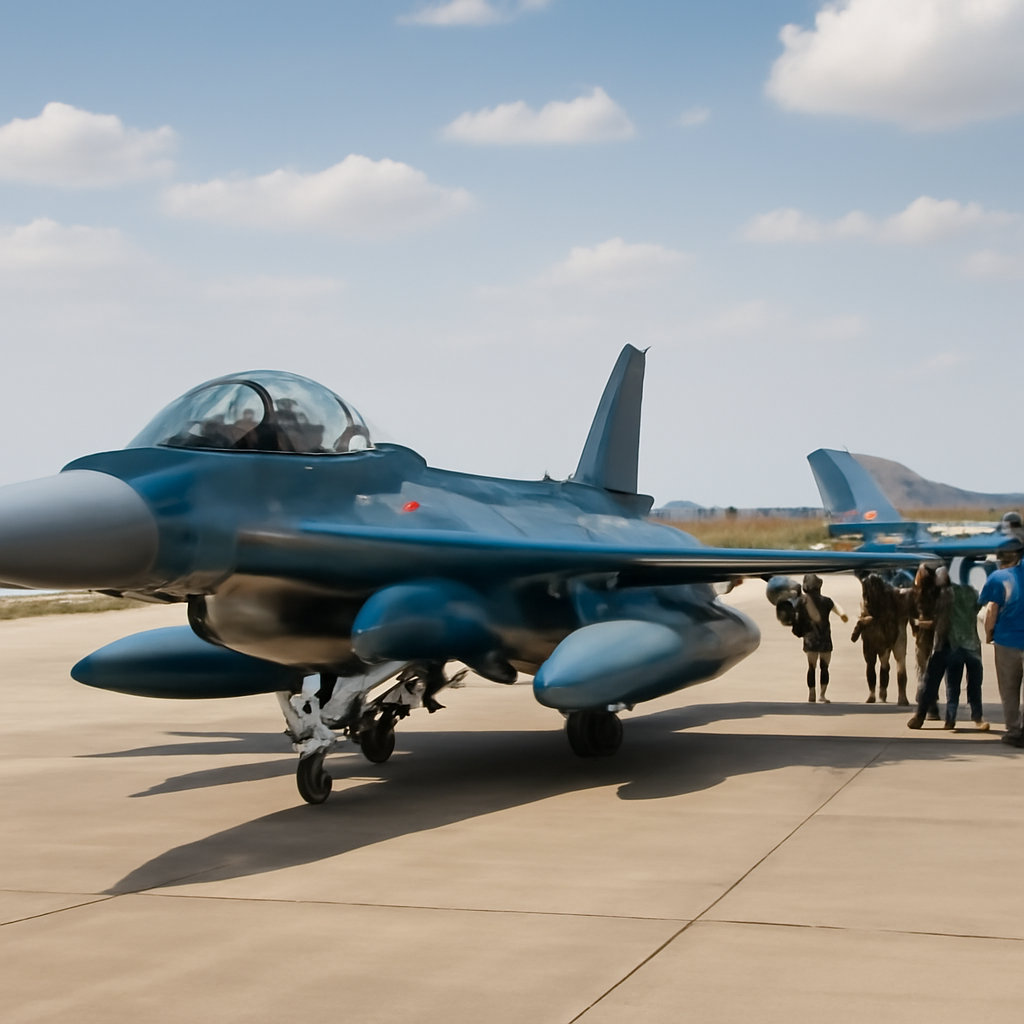
Japan's Air Self-Defense Force Expands Reach with First Fighter Deployment to India
In a historic move, Japan's Air Self-Defense Force is set to make its first-ever fighter deployment to India, sending three F-2A fighters and 110 personnel to the country in September for a joint exercise. This landmark deployment is a testament to the strengthening defense ties between Tokyo and New Delhi.

China-nexus Operation QUICSILVER Targets Myanmar with QUICAgent Backdoor
Meet Operation QUICSILVER, a sneaky cyber espionage campaign targeting Myanmar's government and tech sectors with a multi-stage backdoor delivery chain, likely orchestrated by a China-nexus threat actor. The attack begins with clever social-engineering lures disguised as official materials, like graduation invites and fake holiday messages.
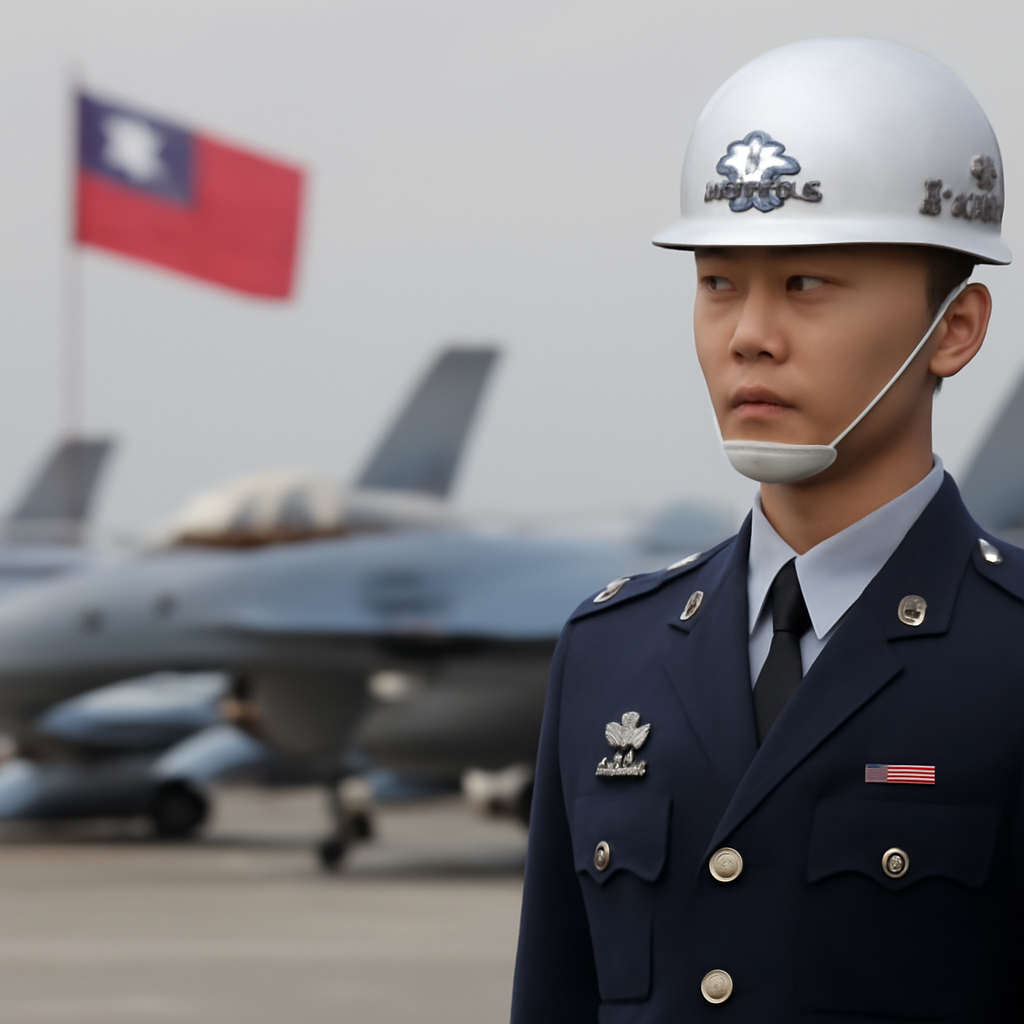
Taiwan Boosts Defense Budget to $35 Billion Amid China Threat
Taiwan is stepping up its defense game with a record $35 billion budget, a bold move that shows its commitment to safeguarding its sovereignty and deterring potential threats. This massive 18% increase is a clear signal of the island's determination to bolster its defenses and protect its people.

ASPI Celebrates 25 Years of Shaping National Security Debate
For 25 years, ASPI has been at the forefront of shaping Australia's national security debate, providing critical insights that challenge the status quo and inform government decision-making. From its roots in 2001, ASPI has remained committed to delivering contestable advice, fostering public discussion, and cultivating the next generation of security leaders.

ASPI Forges Australia-Indonesia Ties Through Sustained Dialogue
Foreign Affairs Minister Penny Wong's bold declaration that Indonesia is Australia's most crucial partner underscores the significance of their relationship - one that has ebbed and flowed over 25 years, with ASPI playing a pivotal role in nurturing dialogue and understanding between the two nations. Through sustained engagement, ASPI has helped keep the lines of communication open, even in tough times, and encouraged Australian policymakers to see Indonesia as a valued partner.

Taiwan's Intelligence Archive Releases Expose Reputational Risks
Taiwan's recent release of intelligence archives has sparked a public reckoning, exposing reputational risks for hundreds of individuals, including serving and former officials, with far-reaching consequences. A sitting legislator has already withdrawn from a senior party election, and the controversy is reshaping public perception of intelligence officers.

Ransomware Attacks Pivot to Identity-Based Exploits
Ransomware attacks are taking a new and more personal approach, with a whopping 80% now targeting identities rather than software flaws. Malicious emails, phishing, and compromised credentials are the top entry points, making identity-based exploits the new favorite tactic of ransomware operators.