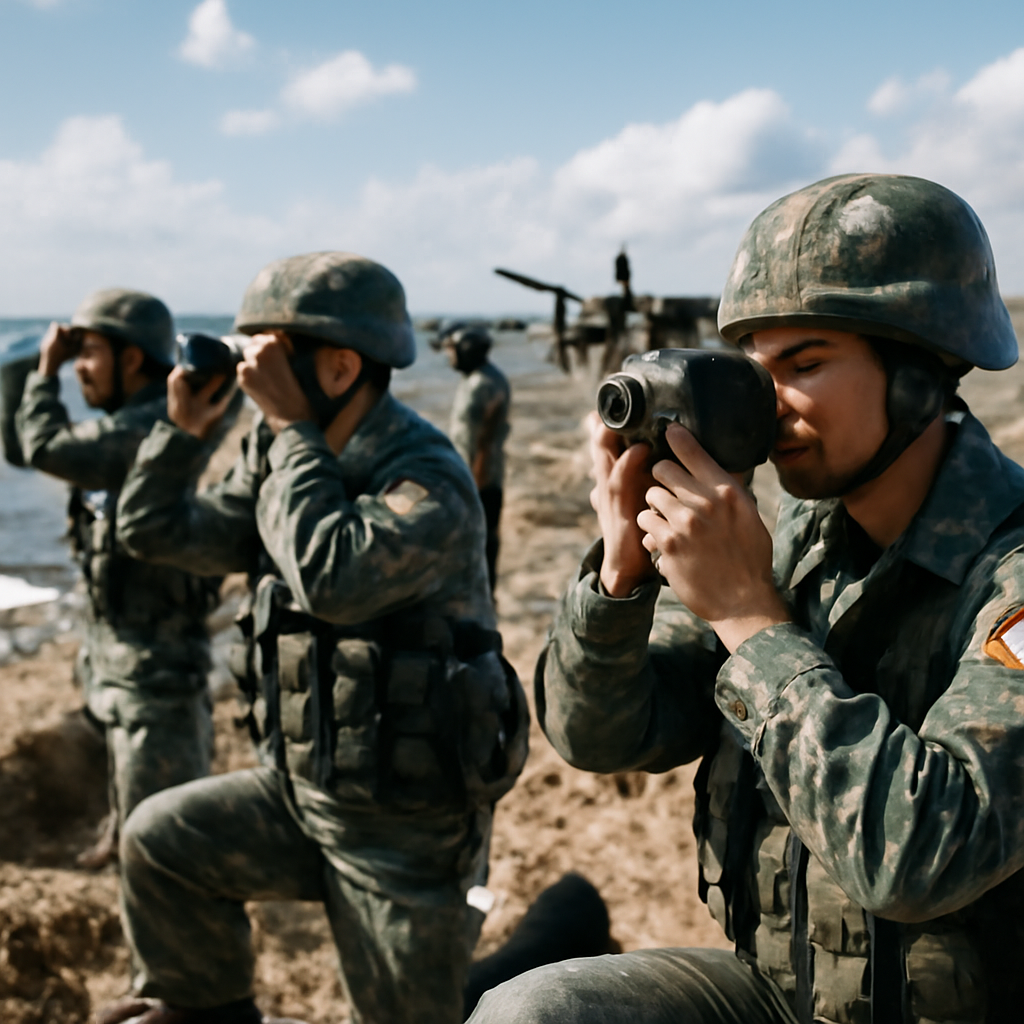
The Military Balance counts roughly 50 border and coastal defense brigades/regiments, which analysts estimate could total well over 100,000 personnel.
The legacy of Dongshan Island and why the army mans the coast
That force structure has deep roots. The blog traces the arrangement back to the immediate post‑1949 period, when coastal warfare and repeated raids across the Fujian and Guangdong coasts shaped organization and doctrine. It highlights the Battle of Dongshan Island (1953) — and a later 1965 attempt — as formative episodes that established coastal defense as an army responsibility. A Taiwan‑based account cited in the post describes the 1953 assault as involving two divisions, 13 naval vessels and more than 30 motorized junks, with a committed Nationalist force of “just over 10,000.”
Operationally and politically, the historical record reinforced an enduring logic: army formations were placed on remote, resource‑poor islands where continuous resupply, local militia integration and low‑cost manpower mattered more than blue‑water capabilities.
Organization after the 2017/18 reforms: a changed chain, persistent roles
The blog documents how the PLA’s 2017/18 reforms altered command lines but left the essential mission intact. The old Military Regions were dissolved and the chain of command shifted to Provincial Military District → Theater Command Ground Force → CMC Joint Staff Department. These coastal units remain Army units, continue to report through Army channels and retain naval pennant numbers in the old GDxxx series inherited from the former Nanjing Military District (now the Eastern Theater Command responsible for the Taiwan Strait).
Some Coastal Defense Regiments (CDRs) were consolidated into brigades or reassigned, but the post‑reform configuration still emphasizes manpower economy, integration with provincial and police armed forces departments, and redundancy in amphibious lift — all with the explicit intent of freeing the PLAN to operate further offshore.
Vessels and logistics: old hulls, routine missions
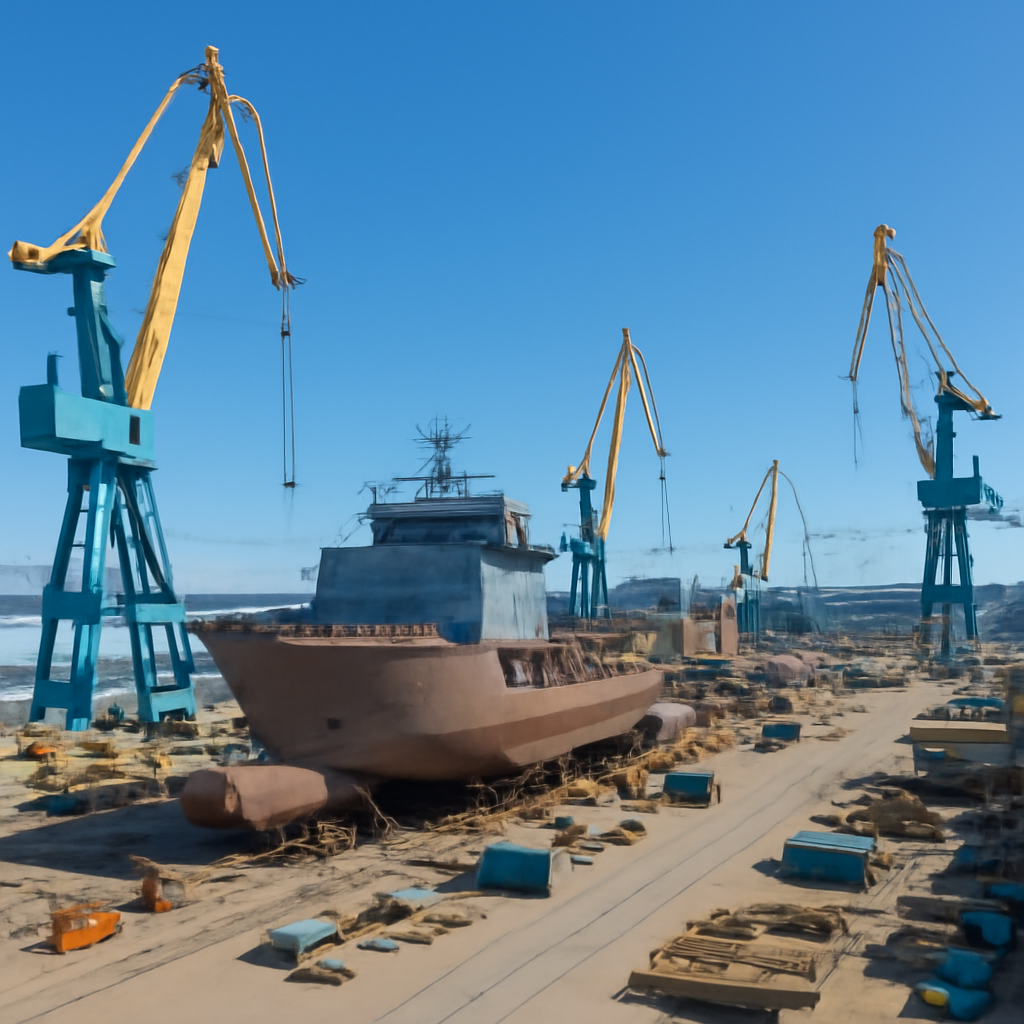
The equipment picture described in the post is matter‑of‑fact: army‑operated ships are largely short‑range, coastal logistics platforms rather than open‑ocean warships. The author catalogs a small, identifiable fleet mix — a single RO/RO LCM known to the author, a hand‑me‑down Type 271 LCU, updated Type 067 landing craft, and other miscellaneous Army‑operated vessels built for day‑long supply runs and island sustainment.
Additional details from earlier posts and imagery are noted: a new Army Ro/Ro transport with bow and stern ramps and a short helicopter platform trialed circa 2013; roughly 85 Type 271III/YUWEI class landing craft tank (LCT) said to be in Army service; and the Songlia Shipyard’s 2012 training vessel AL201. Photographs and captions cited in the blog show ship groups of coastal defense brigades conducting beach‑landing operations and transporting anti‑tank missile systems, all reinforcing the logistics and littoral assault support role of these units.
What this means for Provincial Military Districts, the PLAN, and island garrisons
- Provincial Military Districts: They continue to be crucial logistics and manpower nodes. The blog stresses how provincial resources, Police Armed Forces Departments (PAFDs) and local militia/reserve networks supplement island garrisons that often lack fresh water and need constant resupply.
- The PLA Navy (PLAN): The arrangement explicitly frees the PLAN to pursue more distant, blue‑water operations by keeping near‑shore garrisoning and short‑range lift in Army hands. The blog contrasts the headline‑grabbing modernization of the navy with the “quiet, unglamorous work” of Army coastal units.
- Island garrisons and engineers: On the ground (and at sea), the work remains largely logistical and maintenance‑heavy. The author notes the practical strain on engineers maintaining decades‑old diesel engines and on crews aboard 30–40‑year‑old boats in summer heat.
Enduring quirks and practical necessity
The central judgment offered by the blog is concise and repeatedly evidenced by its examples: the PLA Ground Force’s “navy” is a legacy structure born of 1950s coastal warfare but sustained by practical needs. Even after structural reform, the same mix of coastal brigades/regiments, provincial support, and short‑range landing craft performs the steady tasks of guarding islands, transporting troops and stores, and maintaining a territorial presence where the PLAN does not need to be.
As the author puts it, even amid rapid modernization elsewhere, “along the Taiwan Strait, you can still find an 'Army at sea.'”