[SPONSOREDNUBIVANCE]
Know a small business winging it on security?
No IT department, no security budget, real exposure. Nubivance builds right-sized security foundations for small companies. Send them this.
Send it along
Pakistan's addition of eight Hangor-class submarines to its fleet is giving the Indian Navy a serious headache, significantly expanding the country's underwater capabilities and posing a substantial challenge to its naval dominance. This massive influx of firepower is set to alter the balance of power in the region.
Lt. Gen. Jason T. Hinds is spearheading a critical mission to ramp up air defense against Russian drone and missile threats, implementing key plans like EVA Eastern Sentry and Standing Defense Plan 12000 to safeguard European airspace. With Russia's unpredictable tactics, Hinds is determined to equip nations with the defenses they need to protect their skies.
The US Space Force is stepping up its game, with General Douglas Schiess confirming that the US now operates weapons in orbit to defend against growing threats from rival nations. It's a bold move, signaling that the US is ready to protect its interests in space.
Pakistan is one step closer to launching its advanced communications satellite, PakSat-2, after securing approval from the Executive Committee of the National Economic Council (ECNEC) with a budget of $134 million. This milestone marks a significant progress in the country's space exploration efforts.
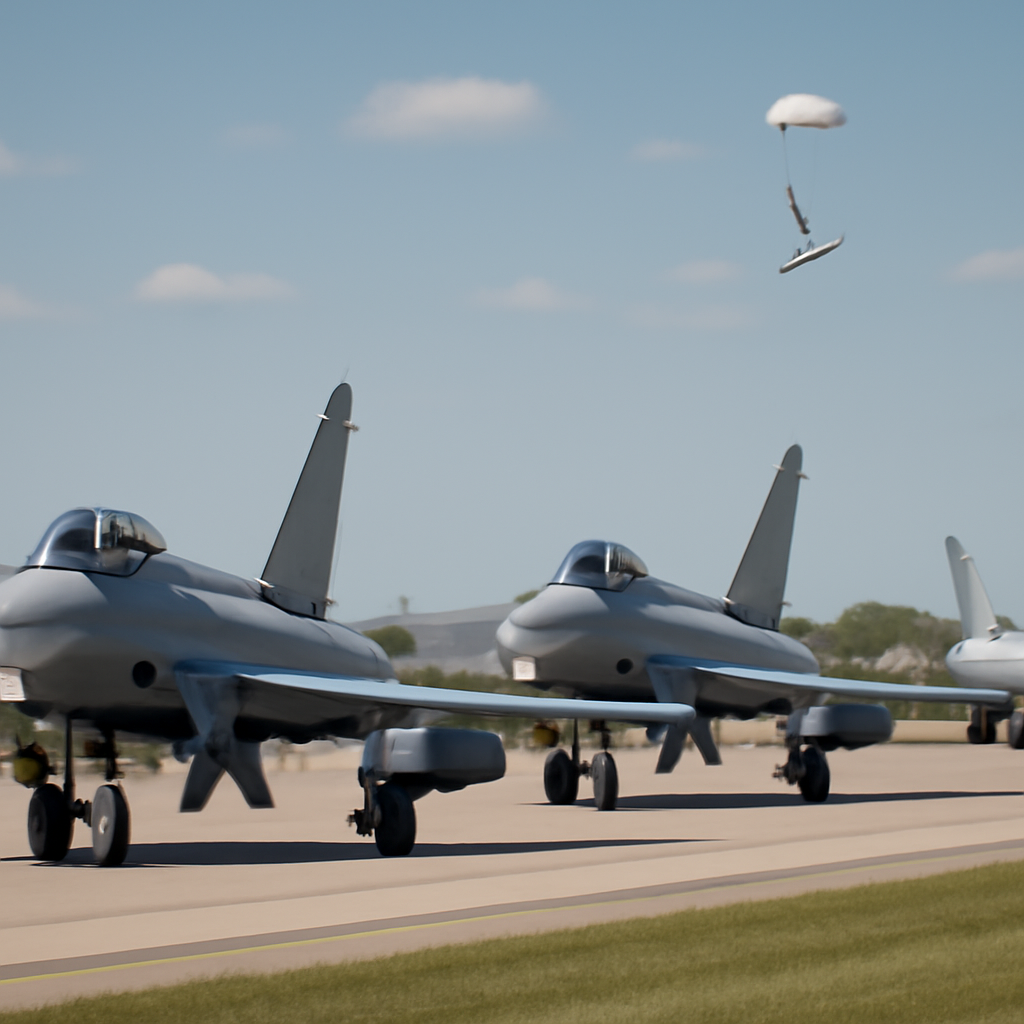
In a swift and decisive move, Italian Eurofighter jets scrambled from Šiauliai Air Base in Lithuania and took down an unidentified drone that had breached the country's airspace, with officials later revealing the drone was carrying an explosive device. The intercept was carried out in line with NATO's strict operational procedures.
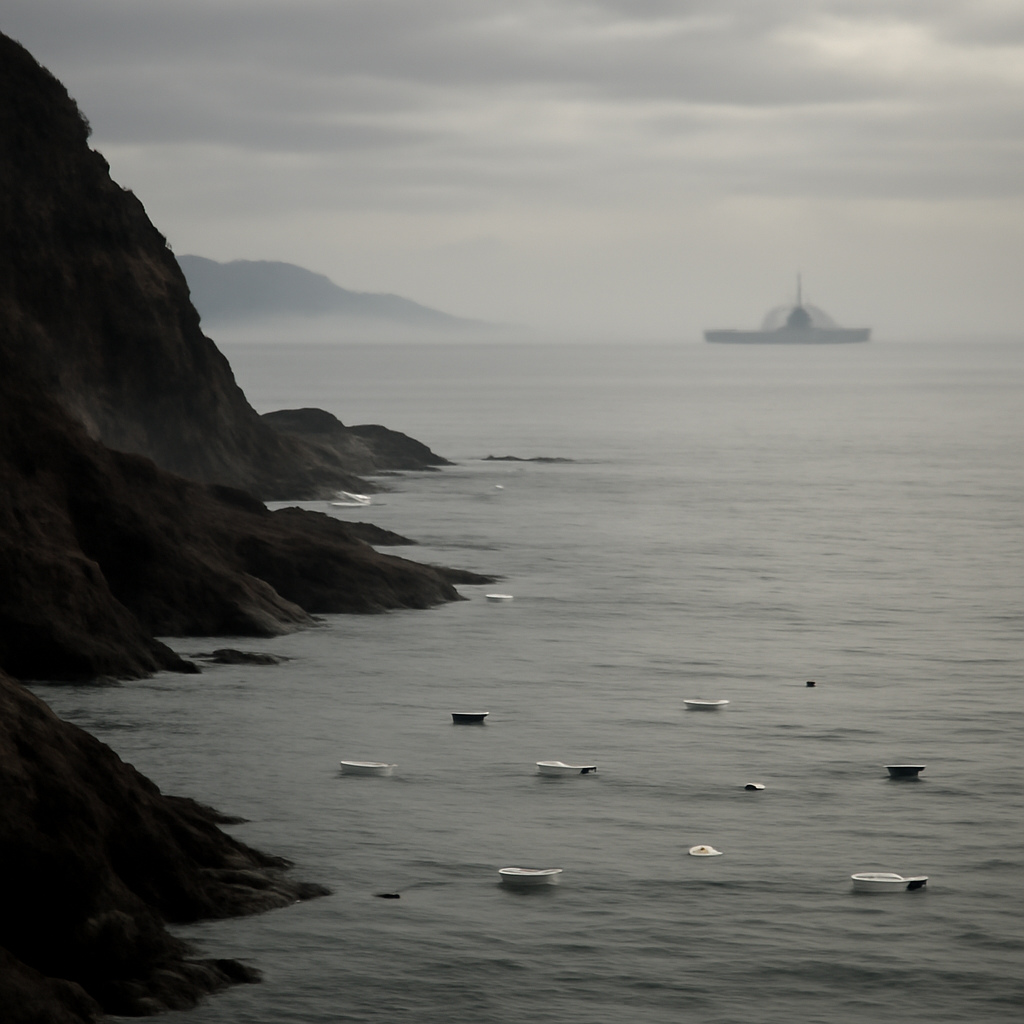
A Japan Air Self-Defense Force RQ-4B Global Hawk has presumably crashed off western Japan after disappearing from radar on September 15, prompting a massive multi-agency search effort. The unmanned surveillance aircraft, which took off from Misawa Air Base, vanished while flying over waters roughly 50 kilometers north of the coast.
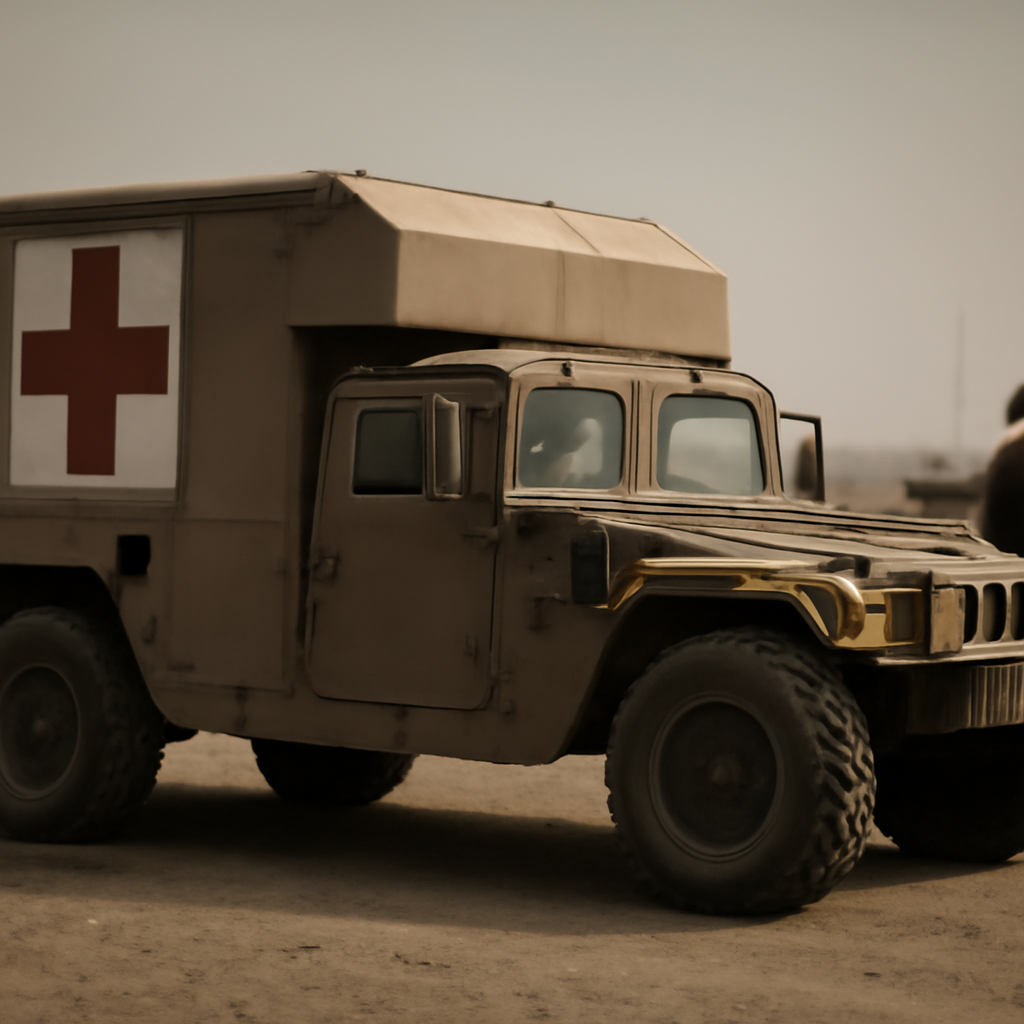
US military operations in the Middle East recently exposed weaknesses in medical evacuation procedures, with a new report revealing that ground-based evacuations were relied on more heavily than planned due to concerns over Iranian drone and missile strikes. As a result, many wounded troops were transported more slowly than intended, highlighting a critical gap in the military's medical response capabilities.
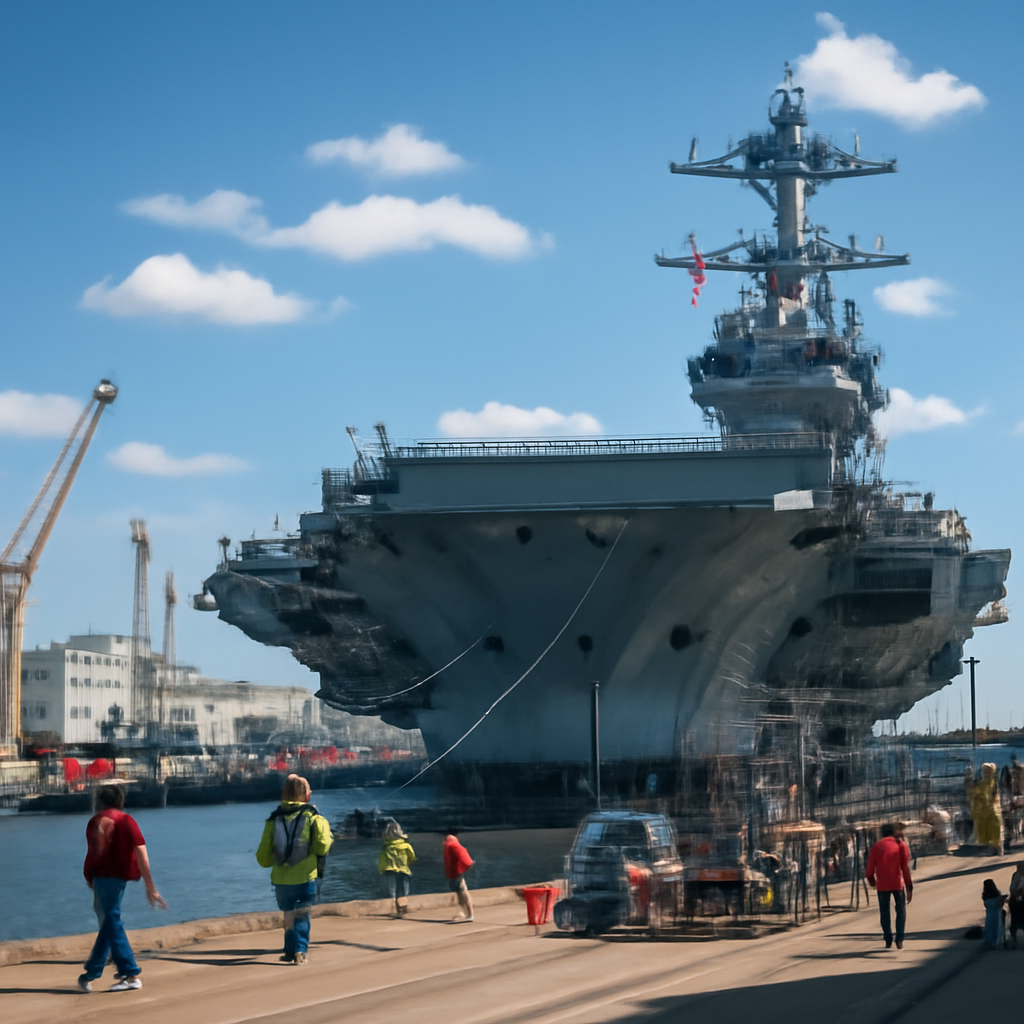
The Navy is racing against time to repair the USS Gerald R. Ford, vowing to deliver the ship back in just six months despite a grueling deployment and an onboard fire that threatened to derail the timeline. Rear Adm. Kavon Hakimzadah is confident that the Norfolk Naval Shipyard can meet the ambitious deadline.
No IT department, no security budget, real exposure. Nubivance builds right-sized security foundations for small companies. Send them this.
Send it along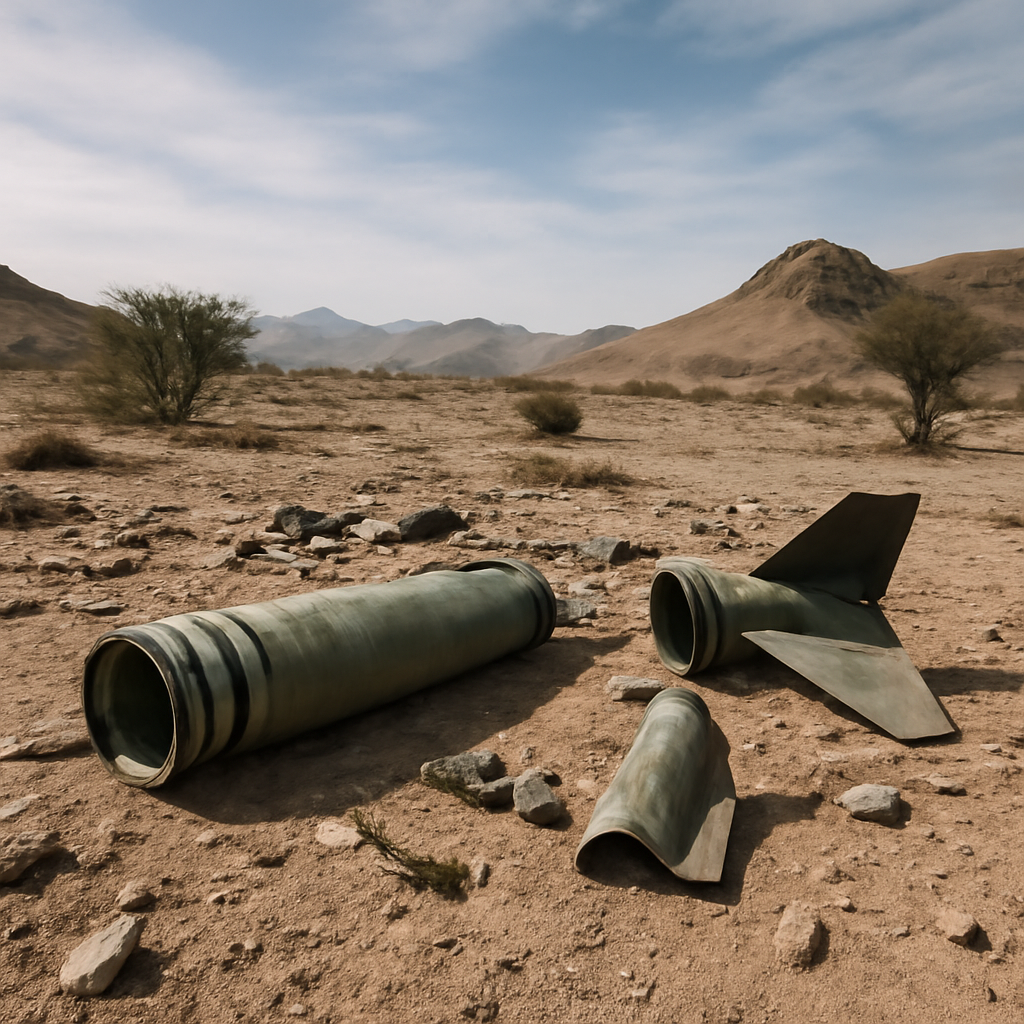
Saudi Arabia may have just made a game-changing move in the Yemen conflict by deploying the Chinese-made DF-15A ballistic missile, with debris found in Raghwan District, Marib Governorate, sparking concerns about the escalating situation. If verified, this would mark the first known combat use of this short-range ballistic missile in the region.

Eight years after the 2018 Space Policy Directive-3, the US Spacewatch Effort TraCSS is still in pilot mode, failing to deliver on its promise of integrating commercial spacewatch data to enhance space tracking. It's a critical crossroads: will TraCSS get the funding it needs to evolve beyond a pilot program?

The lines between Hong Kong, Macau, and mainland China's research institutions are blurring, with universities in the special administrative regions forging deep ties with defence and space organisations. A new update to the China Defence Universities Tracker reveals a web of research links, from satellite launches to joint labs and personnel exchanges.
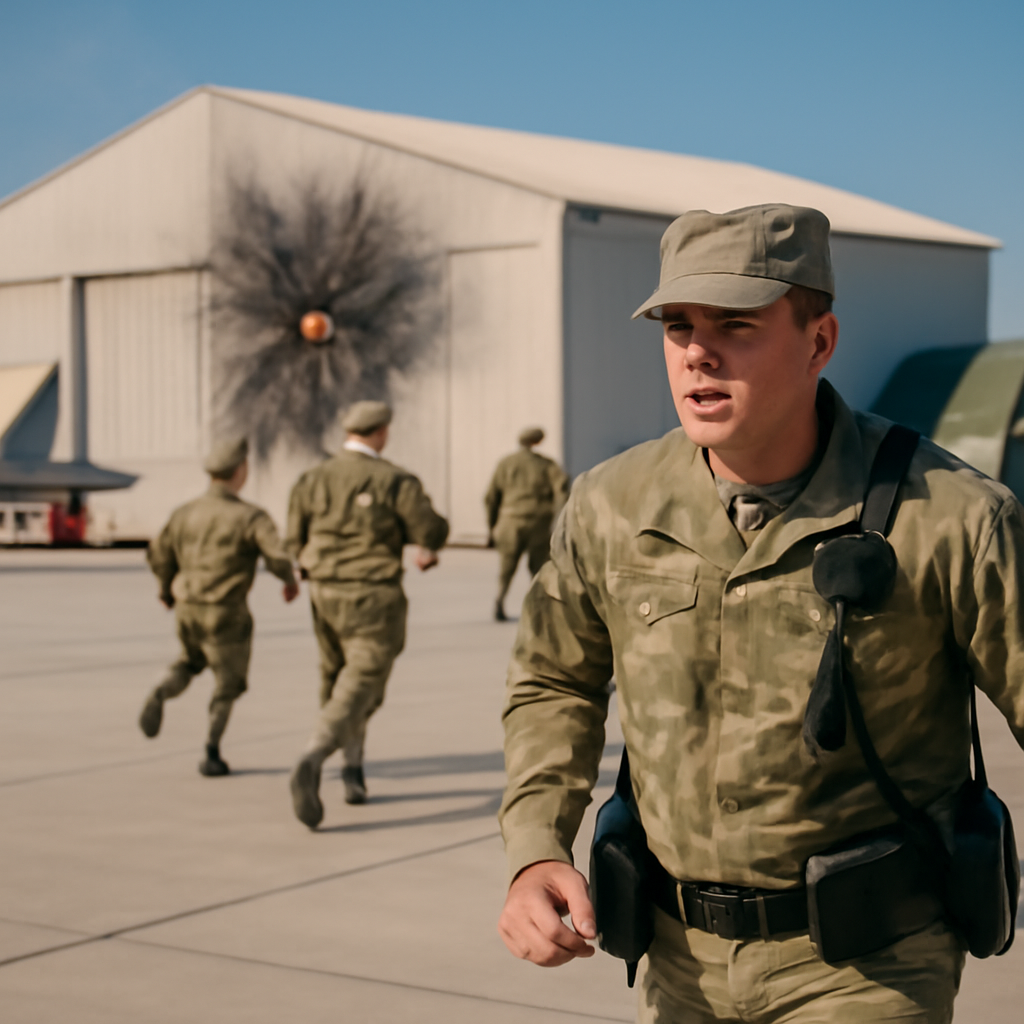
Airmen at US bases bravely withstood Iranian missile barrages, and one heroic security forces noncommissioned officer even saved trapped personnel by prying open a damaged bunker door.

China's top security chief warns that AI poses a significant threat to the Communist Party's rule, framing it as a high-stakes battleground in the global technological competition. AI's uncertainties in social governance and public order have raised the alarm, with concerns over algorithmic opacity adding to the urgency.
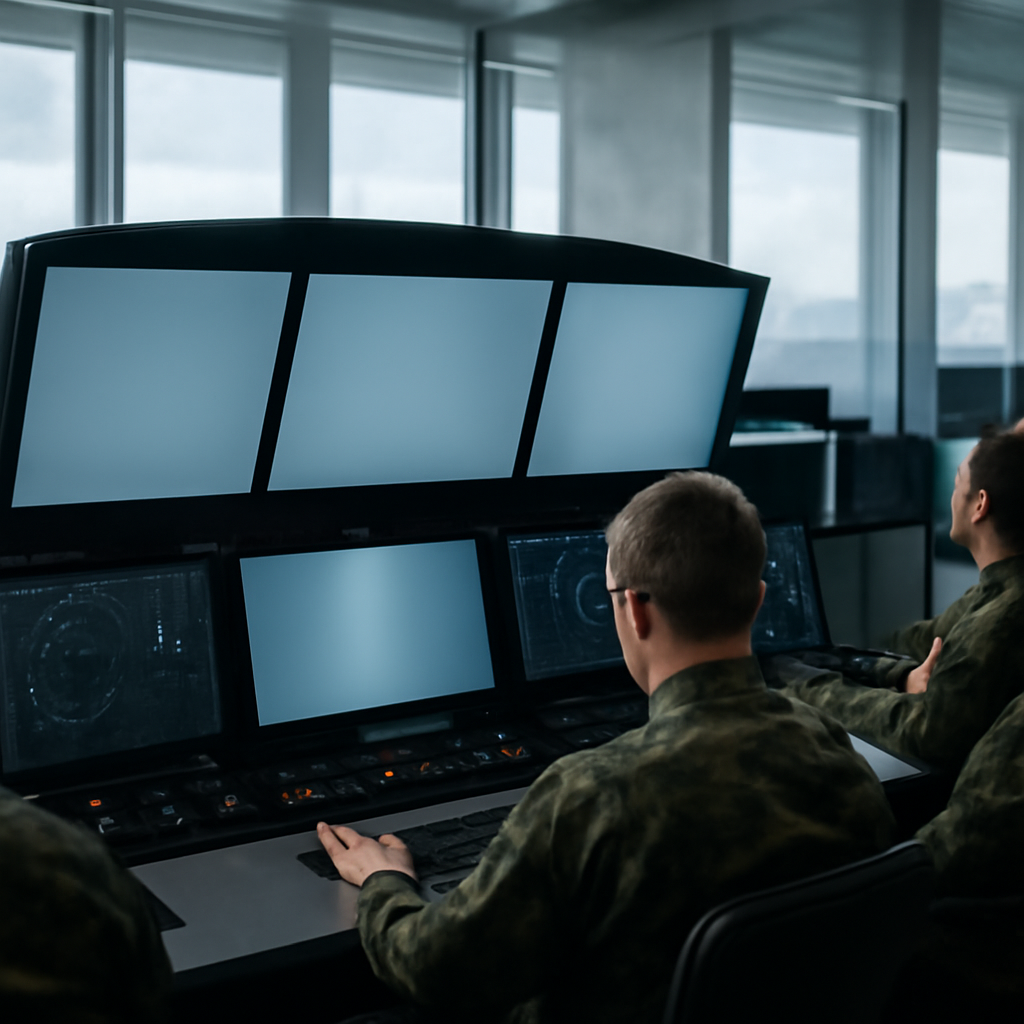
The US nuclear control mission is on the brink of a major transformation with the introduction of Looking Glass-Next, a next-generation system that will overhaul the nuclear command, control, and communications (NC3) architecture. This overhaul is crucial, as the NC3 is the backbone of America's nuclear deterrent, tying strategic platforms to decision-makers and enabling a secure, survivable, and interoperable nuclear force.

In Norway, preparedness is a social habit, not just a military task, where citizens, municipalities, and critical sectors work together to build resilience and manage disruptions. By taking a shared responsibility approach, Norway ensures that its citizens are empowered to take action, with households able to self-sustain for at least a week in times of crisis.
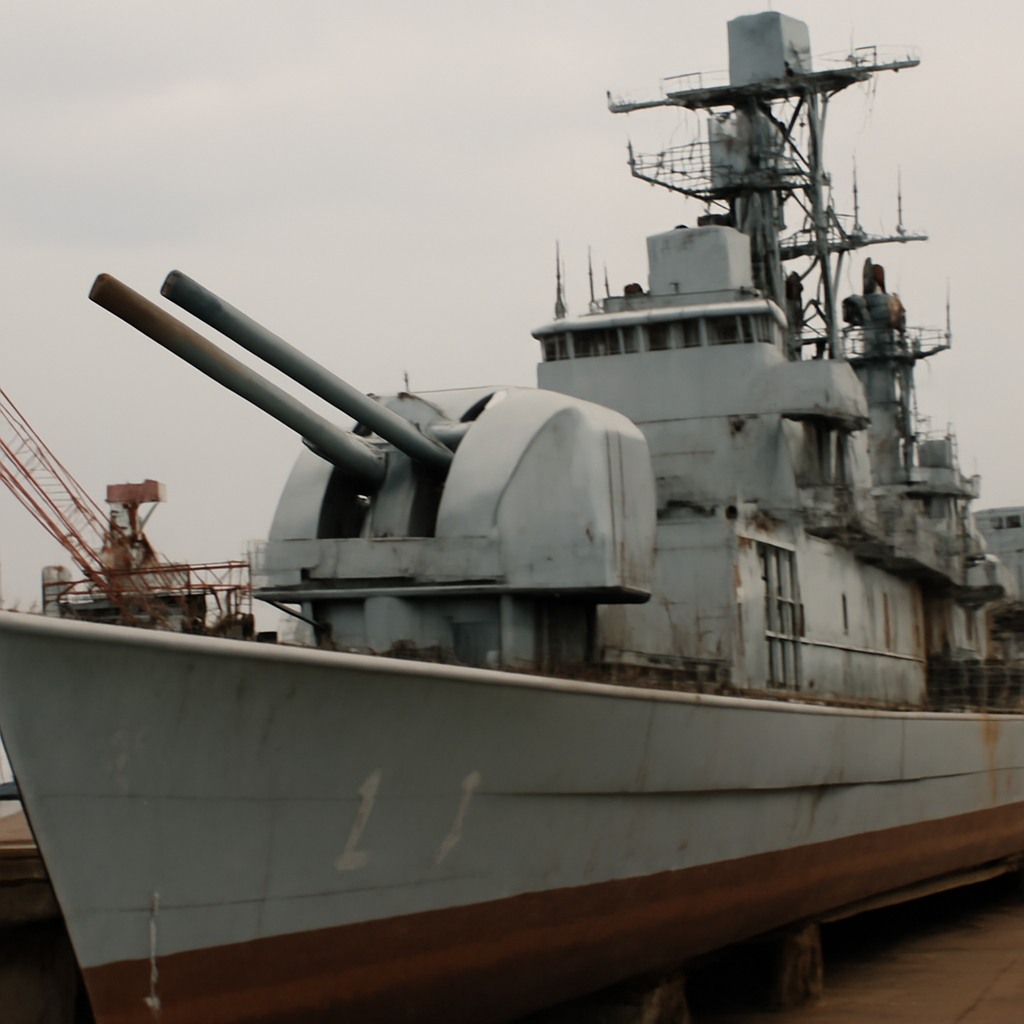
Meet China's formidable Type-052D Destroyers, the game-changing vessels that are taking the country's carrier battle group capabilities to the next level. With impressive firepower, including a twin 130 mm main gun mount, these destroyers are bolstering China's naval presence.
Evidence in spreadsheets, controls drifting between audits, frameworks multiplying on flat headcount. Nubivance runs continuous compliance on Rapid7 Cyber GRC - SOC 2, HIPAA, ISO 27001, PCI, CMMC.
End the scramble
In a plush Brussels hotel, a lone figure, Sgt. Tomec Majka, waited warily in a leather club chair, his mind still reeling from missions on three continents and a war that had left a trail of digital destruction. The dim glow of the Loui Bar offered a brief respite, but the shadows of cyber warfare lingered.

On 9/11, the somber mood still lingers - a feeling echoed in a recent Bunker Talk post: 25 years later, it's still somber waking up on 9/11. This poignant reminder sets the tone for a meaningful conversation.

Iran's recent attack showcased its ability to launch a multitude of multi-domain threats, including various classes of missiles and UAVs, designed to overwhelm defenders with a mix of low-cost and high-cost targets. This complex attack profile poses a significant tactical challenge, forcing defenders to adapt and find cost-effective ways to counter a wide range of threats.

In the aftermath of 9/11, a sense of unity swept the globe, with leaders like George W. Bush and John Howard rallying nations to join the fight against terrorism, framing it as a universal battle for freedom and values. For a brief moment, differences were set aside, and the world seemed united in a common cause.

Drone attacks on Saudi Arabia's East-West pipeline have forced a temporary shutdown, disrupting oil exports and sparking concerns about the security of the Red Sea's vital energy shipments. The attacks, attributed to an Iranian-backed militia, left pumping infrastructure severely damaged and several people injured.

The Pentagon is reevaluating its military presence in Europe, but experts warn that further cuts could compromise US capabilities. With tensions rising with Russia, the US is facing tough choices about how to maintain its defenses without sacrificing strength.

As sabotage threats escalate, Europe's defense sector must stay vigilant - and that's why industry leaders are calling for closer coordination among companies, governments, and security authorities to share information and stay one step ahead of evolving threats. By working together, they can anticipate and counter the growing risk of sabotage.

Twenty-five years after 9/11, US spy agencies face a new landscape of threats, but former CIA deputy director Michael Morell believes the country is significantly safer, having made notable gains against terrorist organizations. However, he also acknowledges that the US overreacted in its response, citing costly policy choices like the Iraq War and prolonged conflict in Afghanistan.