
Rapid7 deployed right the first time.
Full-platform Rapid7 rollouts - InsightVM, InsightIDR, event sources, agents, tuning - by a Registered Partner who has done it at state-agency scale, including OT/SCADA.
Talk deployment
The US has officially added cyberattacks to its counterterrorism arsenal, vowing to use offensive cyber operations against those who plan to harm Americans or support terrorist plots. This bold move is part of a new strategy that combines diplomatic, financial, and covert actions to disrupt and deter threats to US interests.

Australia's national security ecosystem is drowning in data, but struggling to cut through complexity - and simply adding more information can make things worse, not better. To stay ahead of evolving threats, its security architecture needs a fresh approach that prioritises what matters most.

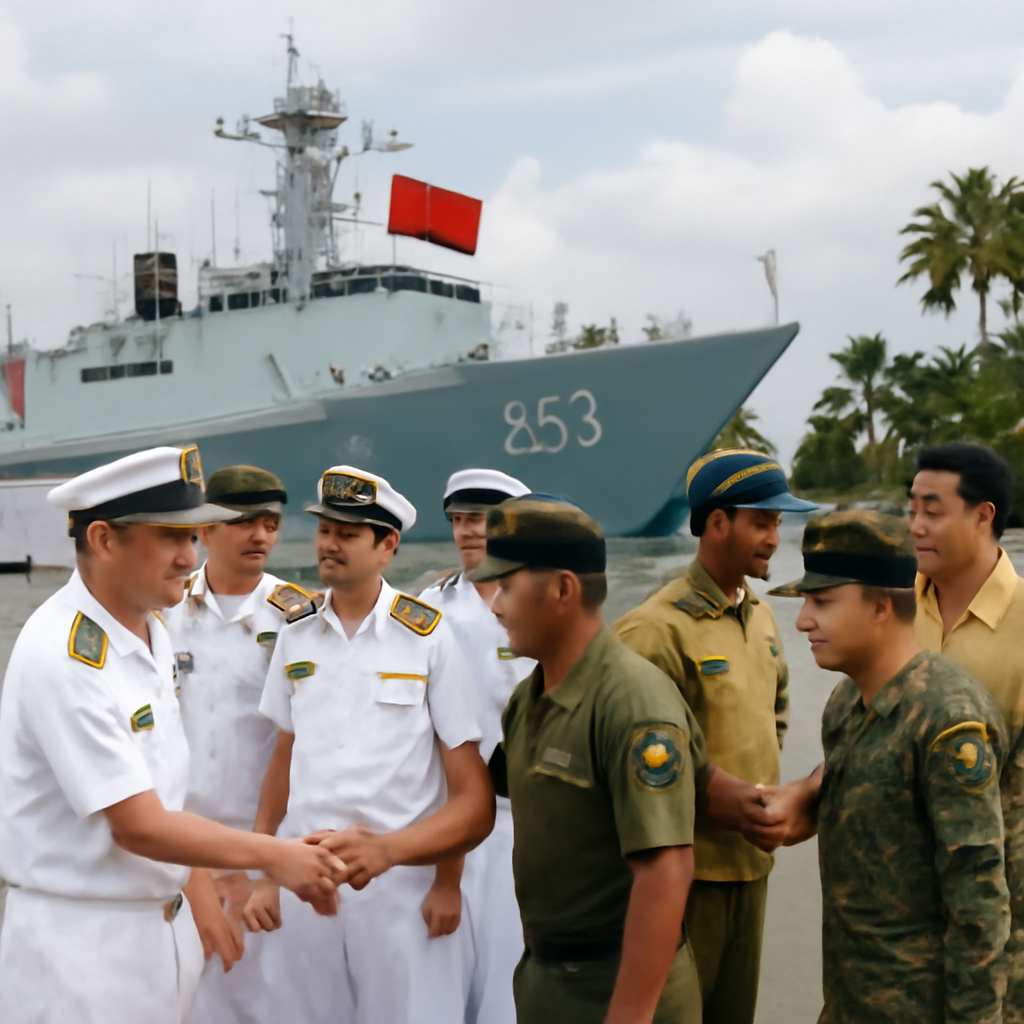
In a display of military precision, a US-led live-fire exercise sank a decommissioned Philippine Navy patrol corvette, BRP Quezon, in the strategic Luzon Strait, roughly 50 miles offshore. The vessel, a former World War II-era minesweeper, met its target fate near the Paoay Sand Dunes on Luzon's coast.

The US military has taken a firm stance against Iranian-flagged vessels, as demonstrated by the recent disabling of the oil tanker M/T Hasna with F/A-18 cannon fire, after it ignored warnings to halt its journey to an Iranian port. The US blockade on Iranian ports remains firmly in place.

The Coast Guard has launched a game-changing Special Missions Command, uniting its elite teams under one powerful umbrella to tackle high-stakes missions and protect the nation like never before. This bold move brings the best of the best together, ensuring they're equipped, trained, and ready to take on whatever comes next.

Australia's reliance on diesel for freight transport leaves it vulnerable to global fuel shocks, with road and rail using a whopping 20-25 billion litres of diesel each year. Shifting to battery-electric freight trains could be a game-changer, reducing the nation's exposure to international fuel disruptions.

The Space Force is supercharging its satellite surveillance capabilities with a massive $4.4 billion boost to its Andromeda program, bringing the total contract value to a whopping $6.2 billion. This expansion will enable the military to stay ahead of emerging threats and support next-generation space domain awareness efforts.

The Coast Guard has launched its Special Missions Command, uniting its elite teams under one powerful force to tackle evolving global threats and protect the Homeland. This bold move is an investment in top-notch training, equipment, and organization, readying the Coast Guard's finest to take on high-stakes missions.

Full-platform Rapid7 rollouts - InsightVM, InsightIDR, event sources, agents, tuning - by a Registered Partner who has done it at state-agency scale, including OT/SCADA.
Talk deployment
Pakistan's military strategy got a major wake-up call in 2019 and again in May 2025, when India rapidly escalated and struck urban targets, forcing Islamabad to rethink its approach to modern warfare. The shocking shift in tactics sparked a bold overhaul of Pakistan's strike doctrine, embracing precision and speed to stay ahead in future conflicts.

Tensions escalate as Iran launches a fresh wave of missile and drone attacks on the UAE, prompting the country's air defense systems to spring into action and intercept the incoming threats. The UAE Defense Ministry confirmed the attacks, but the extent of the damage remains unclear.

The 2026 National Defence Strategy makes it clear: a strong balance of military power in the Indo-Pacific requires not just the US, but also load-bearing partnerships like the one between Australia and Japan. By teaming up, Australia aims to become more self-reliant and counter China's growing regional ambitions.

Pakistan's defence strategy has a glaring gap - despite boasting impressive tech advancements like the Army Rocket Force Command and satellite systems, its ability to effectively utilize these tools in battle remains uncertain. A stark example of this shortfall is the 42 PAF fighters that successfully held off 72 IAF aircraft during a recent conflict.

NATO is facing a pressing challenge: can it establish common AI standards before the technology advances beyond its frameworks? Maj. Gen. Paul Lynch warns that decades of experience in areas like air defense and data formats may not be enough to keep pace with AI's rapid evolution.

Witness the future of military might: in a stunning display of modern warfare, US, Filipino, and Japanese forces joined forces for a heart-pumping live-fire drill to repel an amphibious assault at La Paz Sand Dunes. Rockets, drones, and advanced tech took center stage in this cutting-edge exercise, showcasing the power of joint forces in the Pacific.

The US has launched Project Freedom, a temporary escort operation through the Strait of Hormuz, to safeguard commercial ships and ensure the free flow of global trade. Dubbed a "powerful red, white and blue dome" by Defense Secretary Pete Hegseth, this defensive initiative aims to protect vessels navigating the critical waterway.

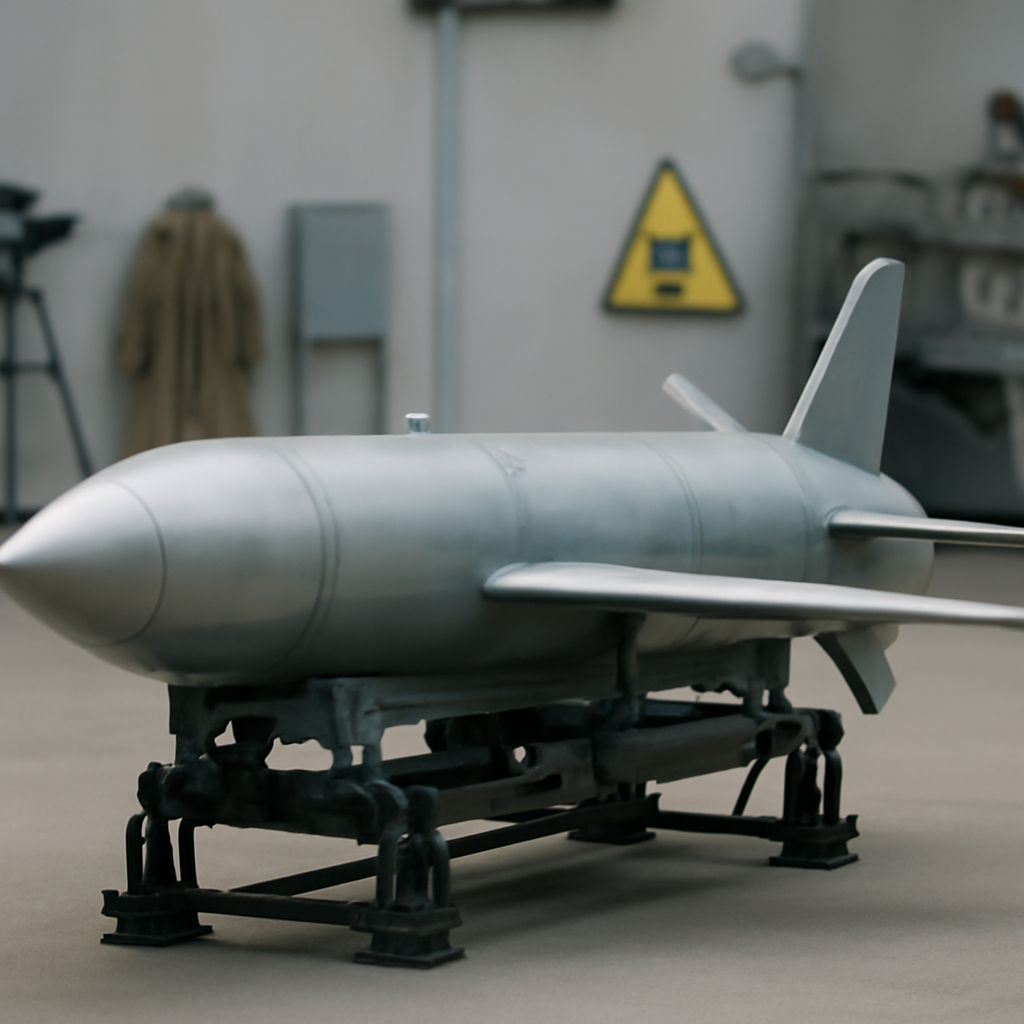
US plans to deploy long-range missiles in Germany are still on the table, despite reports suggesting their cancellation, with a German Defense Ministry spokesperson clarifying that there has been no definitive decision either way. The move's uncertain future has prompted European nations to consider alternative defense procurements.

Evidence in spreadsheets, controls drifting between audits, frameworks multiplying on flat headcount. Nubivance runs continuous compliance on Rapid7 Cyber GRC - SOC 2, HIPAA, ISO 27001, PCI, CMMC.
End the scramble

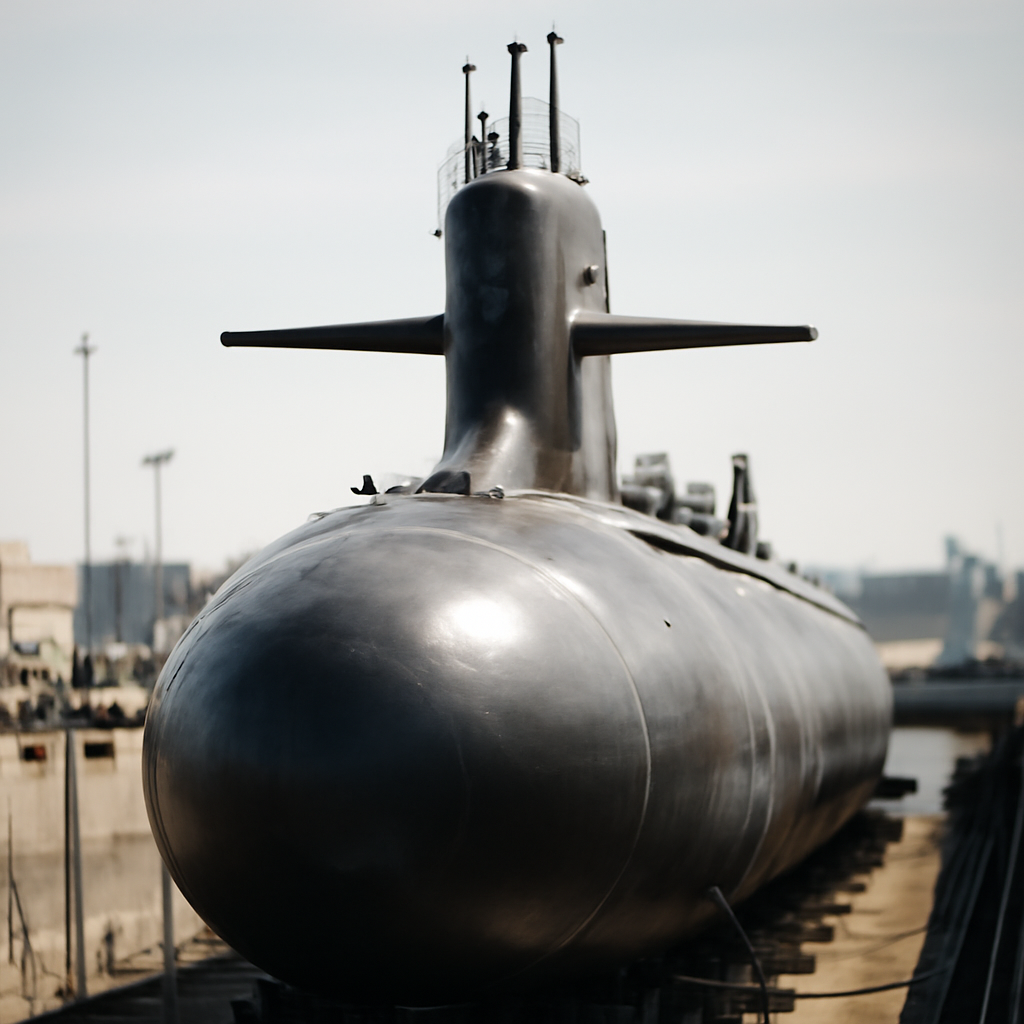
Meet INS Aridhaman, India's game-changing submarine that boasts double the missile capacity of its predecessors, thanks to its eight vertical launch tubes, revolutionizing the country's sea-based nuclear deterrent capabilities. This upgraded vessel displaces 7,000 tonnes submerged and can carry powerful K-4 missiles with a range of 3,500 km or 24 K-15 missiles with a range of 750 km.

With a severe shortage of workers in the Northern Territory, where only 7% of employers feel adequately staffed, the region is crying out for a security-focused boost to attract and retain the 14,000 extra workers it desperately needs over the next five years. Labour shortages are already crippling key industries like mining, construction, and hospitality, with flow-on effects that threaten the region's economic growth.

In a bold move to safeguard global shipping, US helicopters swiftly neutralized a threat from six Iranian boats in the Strait of Hormuz, showcasing the country's formidable military capabilities. This decisive action is part of Project Freedom, a robust defense initiative launched to ensure safe passage through the critical waterway.

Celebrating a major milestone, The War Zone marks 10 years of delivering in-depth insights into military technology and strategy with nearly 11,000 articles published. From its launch, the site has remained committed to its mission, with Editor-in-Chief Tyler Rogoway overseeing the vast majority of its content.

The Indo-Pacific region is now a critical hotspot in the global spyware market, playing a pivotal role in determining the fate of efforts to curb the proliferation of spyware. Its influence will have far-reaching consequences for governments, civil society, and even criminal networks.

The US has launched Project Freedom, a mission aimed at safeguarding the vital Strait of Hormuz shipping route, ensuring that merchant vessels can transit freely and safely. Two US-flagged vessels have already successfully navigated the strait under this new protection plan.

Pakistan is rapidly bolstering its defence capabilities, with recent milestones including the launch of its fifth dedicated remote-sensing satellite and the commissioning of the advanced Hangor-class submarine, PNS/M Hangor, marking a return to long-endurance submarine operations. This strategic boost is set to significantly enhance the country's naval prowess.

Japan may not be joining the AUKUS submarine deal, but a new report suggests it could be the key to helping Australia avoid a critical capability gap. By playing a strategic role, Japan can help mitigate risks in the AUKUS Optimal Pathway, widely considered the best defence mechanism for the partner nations.