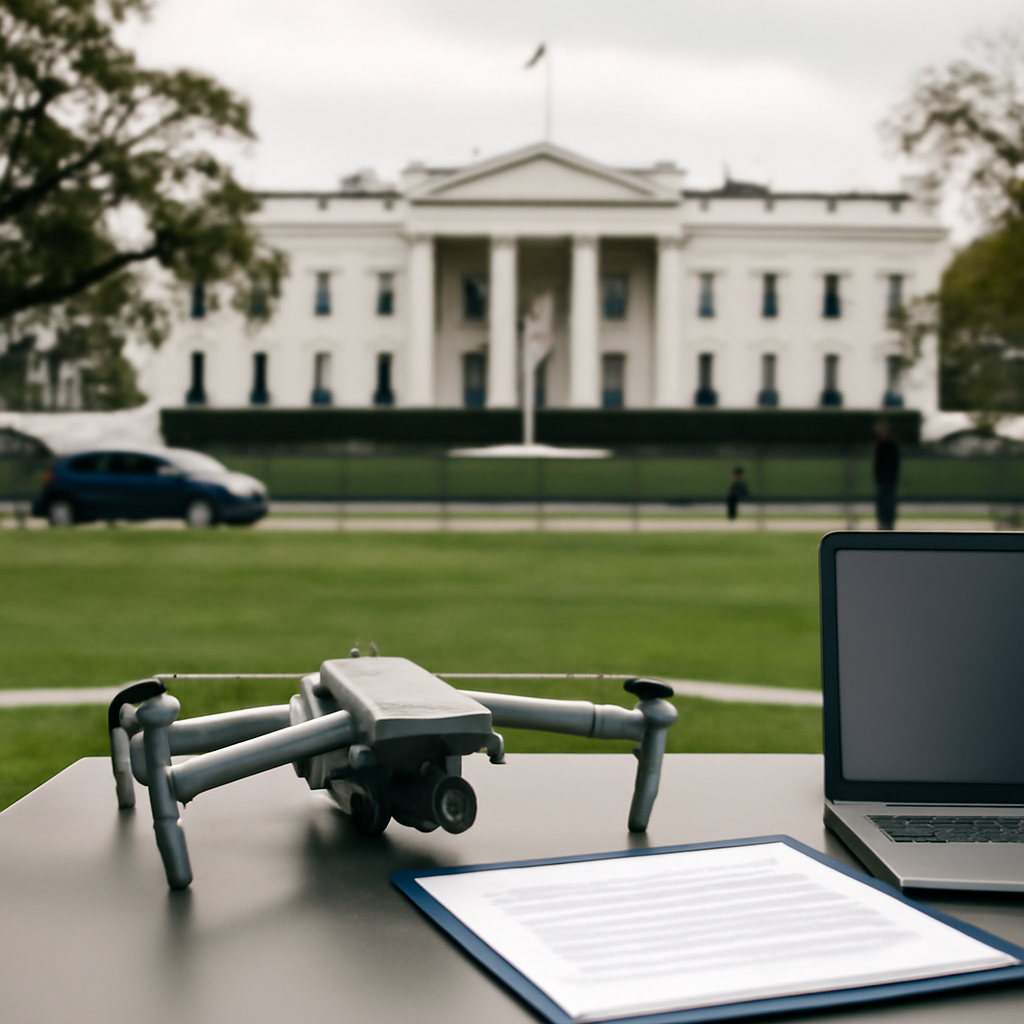
"The group would then fly drones 'laden with unspecified explosive devices which would detonate over the north side of the UFC arena,'" reads a court filing in the case of one of the men charged in the alleged plot, according to reporting and federal records.
The five suspects charged and the disrupted plan
Federal filings and Justice Department charges name five people arrested in a plot to attack the UFC Freedom 250 event on the White House South Lawn held June 14, 2026. The accused are 19-year-old Tycen Proper; Bryan Omar Roa, 24, of Calimesa, California; Michael Alan Thomas, 32, of Pinon Hills, California; Daniel K. Eskridge, 32, of Kidder, Missouri; and Abraham Hermosillo Alvarez, 31, of Omaha, Nebraska.
According to the affidavit in Proper’s case, the group planned to stage a "demonstration" on the north side of the White House, fly explosive-laden drones over the north side of the UFC arena, detonate them, and then force attendees and "high value targets" to evacuate to the south — where, the filing says, members would act as snipers and additional shooters. The affidavit reports Proper told investigators the goal was to "jumpstart" a revolution; he was interviewed from a hospital after being admitted on an emergency basis with "homicidal ideations," the court document says.
How the plot relied on the interplay of drones and crowd movement
The alleged plan, as described in the filings, emphasized not only the destructive potential of drones but their ability to induce panic. The document states the conspirators intended the explosions — or the perception of explosions — to drive people into fields of fire where shooters could attack fleeing attendees and "high value targets," described in the affidavit as "wealthy people" and politicians.
TWZ notes that many disrupted plots are far from operational and that public records do not establish what training, funding, equipment, or operational security these defendants actually possessed. The reporting is explicit that it remains publicly unclear whether anyone involved had the means to carry out the complex, multi-stage attack described in the filings.

This site is the portfolio.
OSINTSights runs on Cloudflare Workers, D1, R2, and Vectorize, with an AI pipeline on Hetzner ARM. Nubivance designed, built, and operates it. We do the same for clients.
See what we buildSecret Service, DHS and the special-event security environment
UFC Freedom 250 was treated as a Special Event Assessment Review 1 event by the Department of Homeland Security — the same designation used for very large, high-profile gatherings such as the Super Bowl and the Kentucky Derby, ABC News reported. The event drew the president, his family and thousands of VIP guests on the South Lawn; thousands more watched on the Ellipse, where security was also tightened.
Tara McLeese, special agent in charge of the Secret Service’s Washington Field Office, told ABC that federal law prohibits flying drones over the National Capital Region and advised fans to "leave their drones at home." The Secret Service declined on-the-record comment about specific counter-drone concerns, pointing instead to a post on X noting that "protective intelligence cases are on the rise" and that teams "investigate threats, identify those responsible, and ensure accountability," a statement from Director Curran said via the agency account.
Counter-drone technologies mentioned and their limits
The reporting lays out several counter-drone approaches being used or considered: detection systems, signal jamming, interceptor drones that collide with or disable other drones, and in some discussions, directed-energy weapons. The article notes that many fielded measures — especially radio-frequency detection and jamming — can be defeated by drones controlled via fiber-optic cables, which establish a hardwired link between operator and drone and mitigate radio-frequency countermeasures. Photographs and reporting show First Person View (FPV) drones with fiber-optic control in use in Ukraine and Lebanon, the story says.
Interceptor drones are described as a growing mitigating option; some are "hit-to-kill," others use electromagnetic pulses or non-explosive kinetic effects to limit collateral damage. The article also states that directed-energy options such as lasers and high-power microwaves remain limited by short range and urban employment constraints and "are not widely deployed for the counter drone role in the United States" in the near term.
What this means for the FBI, the Secret Service, and event planners
- FBI and Secret Service: The arrests underscore the reliance on investigative and protective-intelligence work. The article notes the FBI and partner agencies disrupted the plan before it reached an operational phase, but that many countermeasures have imperfect coverage against evolving tactics like fiber-optic-controlled drones.
- Event planners for the World Cup and the Olympics: Large events remain explicit priorities. The story references continued counter-drone work during the World Cup and the administration’s push to expand authorities, noting Congress included expanded counter-drone authorities in the Fiscal Year 2026 National Defense Authorization Act. The FBI's Los Angeles office recently seized drones and cited pilots near SoFi Stadium for alleged violations of FAA temporary flight restrictions during a World Cup match, the reporting says.
- The public and attendees: Organizers and law enforcement asked the public to comply with no-drone rules and to report sightings; the Secret Service advised attendees to leave drones at home. The article emphasizes that preventing people from bringing weaponized uncrewed aircraft into range is difficult without prior intelligence.
The federal filings and the quick disruption of the alleged plot highlight two stark realities in the reporting: attackers may craft plans that depend more on creating panic than on precise technical effects, and conventional countermeasures have gaps — either technical, legal, or both. The record presented so far answers some questions about intent and planning while leaving capability and reach unresolved; the arrests, the sources note, came amid a broader national push to give authorities clearer tools to counter an evolving aerial threat.