"It needs to be a high-low mix." — Tom Karako, director of the Missile Defense Project, Center for Strategic and International Studies (CSIS)
Why solid rocket motors (SRMs) are suddenly central
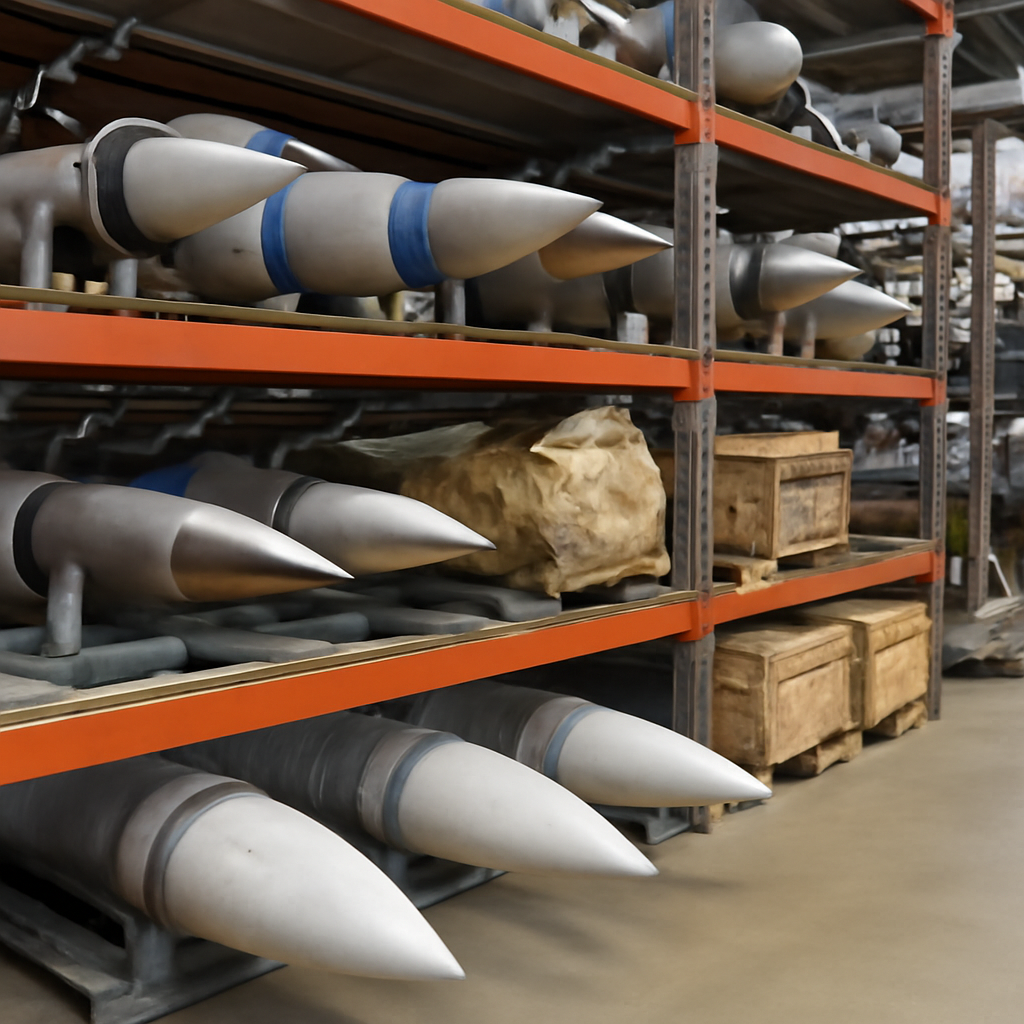
U.S. air-and-missile-defense (AMD) systems have performed well in the Iran conflict, intercepting wave after wave of missiles and drones, yet supply lines behind those intercepts are under stress. CSIS director Tom Karako warns that stockpiles of munitions components such as solid rocket motors (SRMs) are "dwindling," and that the nation is beginning to "deplete our inventory." The consequence is not only fewer interceptors on hand but a narrowing of options for defenders in the field.
High-end effectors versus mass: the affordability versus capacity problem
Karako frames the problem as one of both capability and capacity. He rejects the simplistic critique that a $4 million PAC-3 should never be used against a $40,000 drone — "there’s a certain truth to that" — but stresses operational reality: defenders will use whatever works to protect lives and assets. At the same time he warns that "the lower-cost, lower-capability things are not going to be capable of doing what that $4 million PAC-3 is capable of doing." The solution, he says, is a "both/and" approach: preserve high-end capability while buying enough lower-cost effectors to field mass when needed.

Audit-ready is a season. It shouldn't be.
Evidence in spreadsheets, controls drifting between audits, frameworks multiplying on flat headcount. Nubivance runs continuous compliance on Rapid7 Cyber GRC - SOC 2, HIPAA, ISO 27001, PCI, CMMC.
End the scrambleIndustrial-base frictions: capacity exists, demand does not
Karako’s recent CSIS study found unused manufacturing capacity left over from the space shuttle era, but warned that capacity alone is not the limiting factor. Several facilities visited by CSIS had equipment — mixing bowls and buildings — operating only a few days a week because government contracts did not demand more. "Could they be used five days a week? Yes, they could," Karako said, but only if the customer communicates a clear demand signal: "physician, heal thyself." He emphasized that the various components (SRMs, seekers, avionics) are coupled: expectations about one shape expectations about others, and "everybody needs to ramp up together."
Safety rules and regulatory overlap complicate ramp-up
SRM production is inherently dangerous, Karako acknowledged: safety "matters because people matter." But he also flagged redundant and sometimes contradictory regulation as a practical impediment. Beyond Pentagon rules, SRMs can fall under the jurisdiction of the Bureau of Alcohol, Tobacco, and Firearms, producing "a dilemma where you’ve got various objects that are regulated by two different agencies, very different agencies, with different rules." He suggested that this "question of redundancy is an interesting object of legislative scrutiny" and that mechanisms such as a future NDAA might address it.
Radars, TPY-2, and shifting coverage
Powerful radars that underpin AMD have been disabled or destroyed in the Middle East, and the U.S. military has been relocating radars from other theaters to cover the gap. Karako warned that "you can’t operate a THAAD battery without a TPY-2 radar" and described TPY-2s as "scarce strategic national assets." The broader effect, he said, is an undeniable transfer of capability from the Pacific and Europe to the Middle East — a movement that "is hard to argue that is not going to have some potential detrimental impact to our deterrence quotient." He noted that adversaries observe the number of interceptors, strike missiles, and radars expended or adversely impacted.
What this means for military planners, procurement leaders, and policymakers
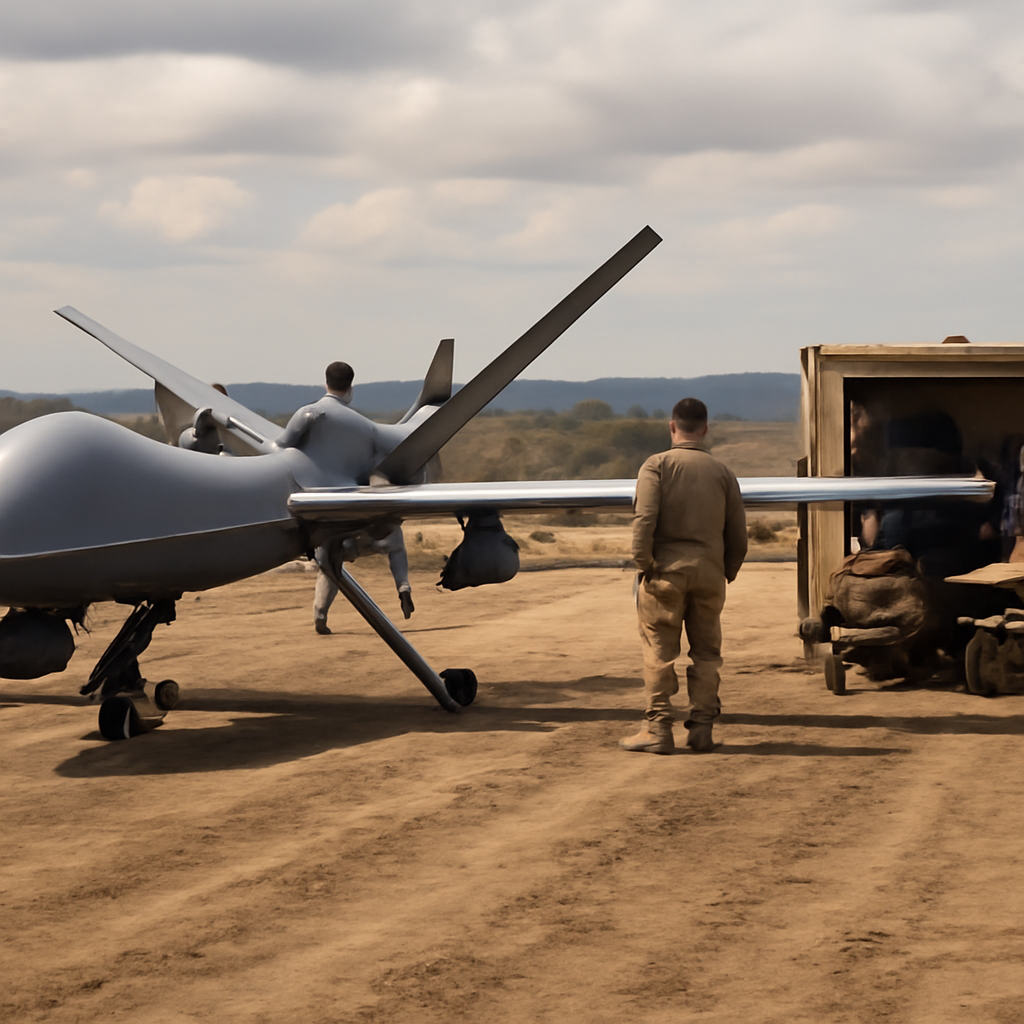
- Military planners and operators: Expect a tradeoff between area and point defense. Karako contrasts ballistic missile defense as an "area defense problem" with drone defense as an inherently "point defense problem," noting that some Shahed-class UAVs “hug the terrain” and shorten detection windows — and that some Shahed variants, like the Shahed-238, merit classification closer to cruise missiles because they can go "2,000 kilometers."
- Procurement leaders and defense industry: Karako urges immediate action: "put on contract the things that we have said are going to be put on contract" and to "start tagging the companies to go to max production" for prioritized munitions, drone defenses such as Coyotes and the Merops, and a "handful of non-kinetic things" to begin the long-awaited production ramp.
- Policymakers and regulators: Karako highlights a policy task: reconcile overlapping regulations that slow production, and create clear, consistent demand signals so facilities now operating below capacity can scale up safely and predictably.
CSIS’s appraisal is plain: systems have worked, but success has come at the cost of shrinking stocks and stressed logistics. Karako’s prescription is equally plain — align contracts, accept a high-low mix of weapons, and remove policy frictions so the industrial base can respond. As he put it, "We have identified and admired the problem and even come up with the solutions. Now we need to implement the solutions and start to solve the problem."