China’s “talk and take” approach as described by the Philippines
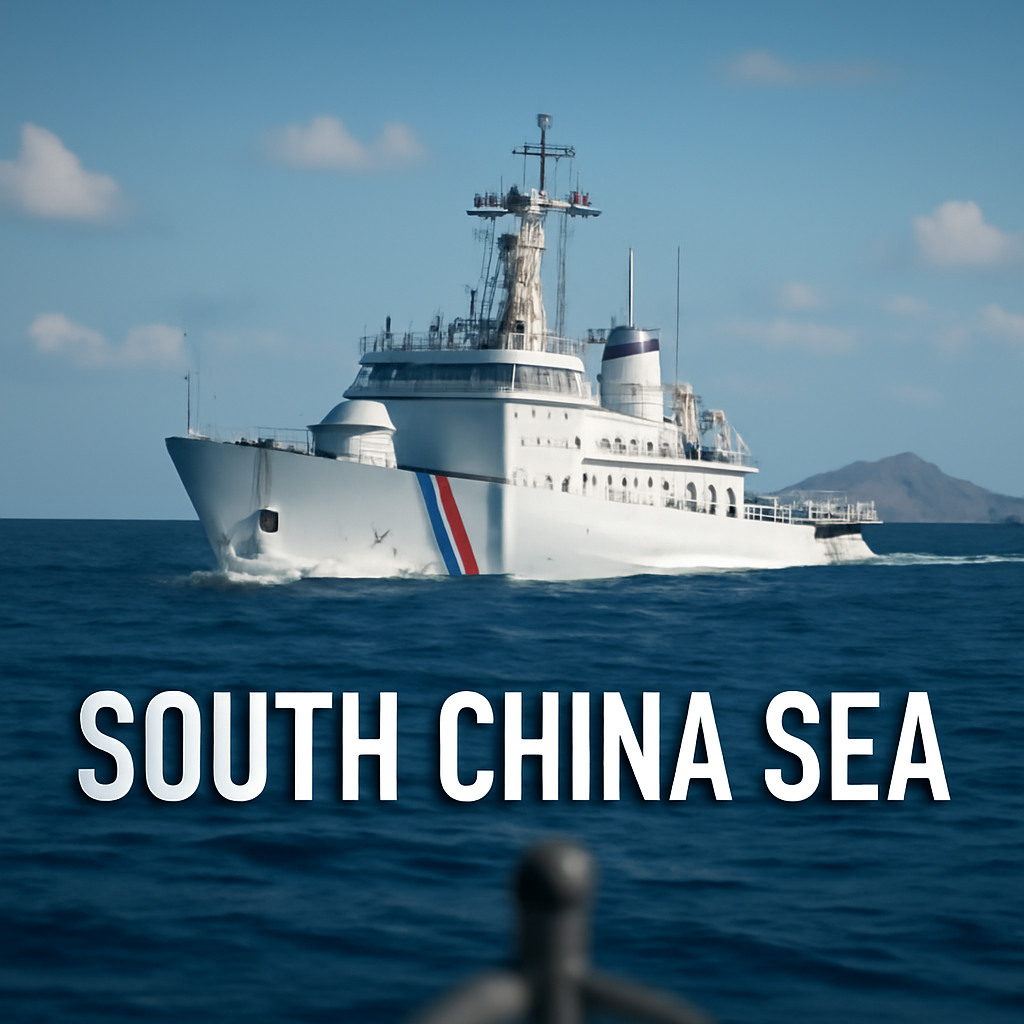
At the heart of the region’s tensions, the source describes what Philippine Defense Secretary Gilberto Teodoro Jr called China’s “talk and take” strategy: protracted diplomatic engagement within the Association of Southeast Asian Nations that coincides with incremental, physical extensions of presence and control over land features, air and water. The result, the piece argues, has been the steady remaking of facts at sea even as dialogue proceeds.
Legal victories and on‑the‑water realities
The Philippines “won a stunning arbitration victory a decade ago,” an outcome the source characterises as “binding on both parties at international law” and concluding that China’s claims were incompatible with the UN Convention on the Law of the Sea. Nevertheless, the article notes, China “ignored the ruling and gradually extended physical control,” with specific reference to its seizure of Scarborough Shoal in 2012. According to the source, this sequence shows that legal vindication has not, by itself, translated into enforced rights or restored access for Southeast Asian claimants.

Audit-ready is a season. It shouldn't be.
Evidence in spreadsheets, controls drifting between audits, frameworks multiplying on flat headcount. Nubivance runs continuous compliance on Rapid7 Cyber GRC - SOC 2, HIPAA, ISO 27001, PCI, CMMC.
End the scrambleRules, power, and the role of the United States
The analysis makes a pointed claim about the interaction of law and force: “American power will remain a necessary condition for the preservation of maritime rights enshrined in international law,” it says. The piece quotes US Secretary of War Pete Hegseth saying that “rules not backed with power might not be worth the paper they’re written on,” framing a central dilemma—whether legal norms can survive without credible deterrence to ensure they are observed in practice.
ASEAN, code of conduct negotiations, and risk reduction
The source argues that ASEAN has limitations as the principal regional vehicle for resolving the dispute. It says ASEAN “can foster diplomatic exchange, but it can’t mobilise collective weight to resist Chinese pressure,” and that negotiations on a code of conduct between ASEAN and China “have served primarily as a device to manage pressure.” The piece suggests that, given divergent interests among ASEAN members and their complex relationships with China, a genuinely narrowing code of conduct is unlikely; instead, it recommends focusing on risk reduction measures and including other states that use the sea and air—though it adds that China “hasn’t wanted them precisely because it would reduce the risks it is creating for others.”
What this means for the United States, ASEAN claimants, and non‑member maritime users
- United States: The article positions American power as a necessary condition for preserving maritime rights under international law; other states’ ability to act collectively, it argues, depends on assurance of US backing.
- ASEAN claimants (for example, the Philippines and Vietnam as named interlocutors): Despite strong legal positions, the source says claimants have seen rights “effectively extinguished” by China’s incremental extension of control, and they face the practical task of managing risk and aligning countervailing efforts.
- Non‑member maritime users: The piece observes that ASEAN cannot represent the interests of non‑members “that are deeply vested in the maritime rights at stake,” implying these users must look beyond ASEAN processes to protect navigation, overflight and other freedoms.
The article paints a sober strategic picture: the “best possible future” envisaged is “a highly contested but stable balance” in which Chinese assertions of control meet “determined and effective resistance.” Achieving and maintaining that balance, the source argues, will depend not on declarations alone but on “the application of countervailing effort” and on how states manage the dangers posed by continued contestation on the water and in the air.
For regional diplomacy, the prescription is modest: where comprehensive agreement is improbable, pursue pragmatic measures to reduce risk and keep lines of engagement open. For legal advocates, the lesson is stark—victory in international fora did not automatically secure rights at sea. For those worried about escalation, the central unanswered operational challenge the piece leaves on the table is how states will align deterrence, diplomacy and risk management so that contested seas remain contested but do not become sites of uncontrolled conflict.