Tag: space technology
52 articles
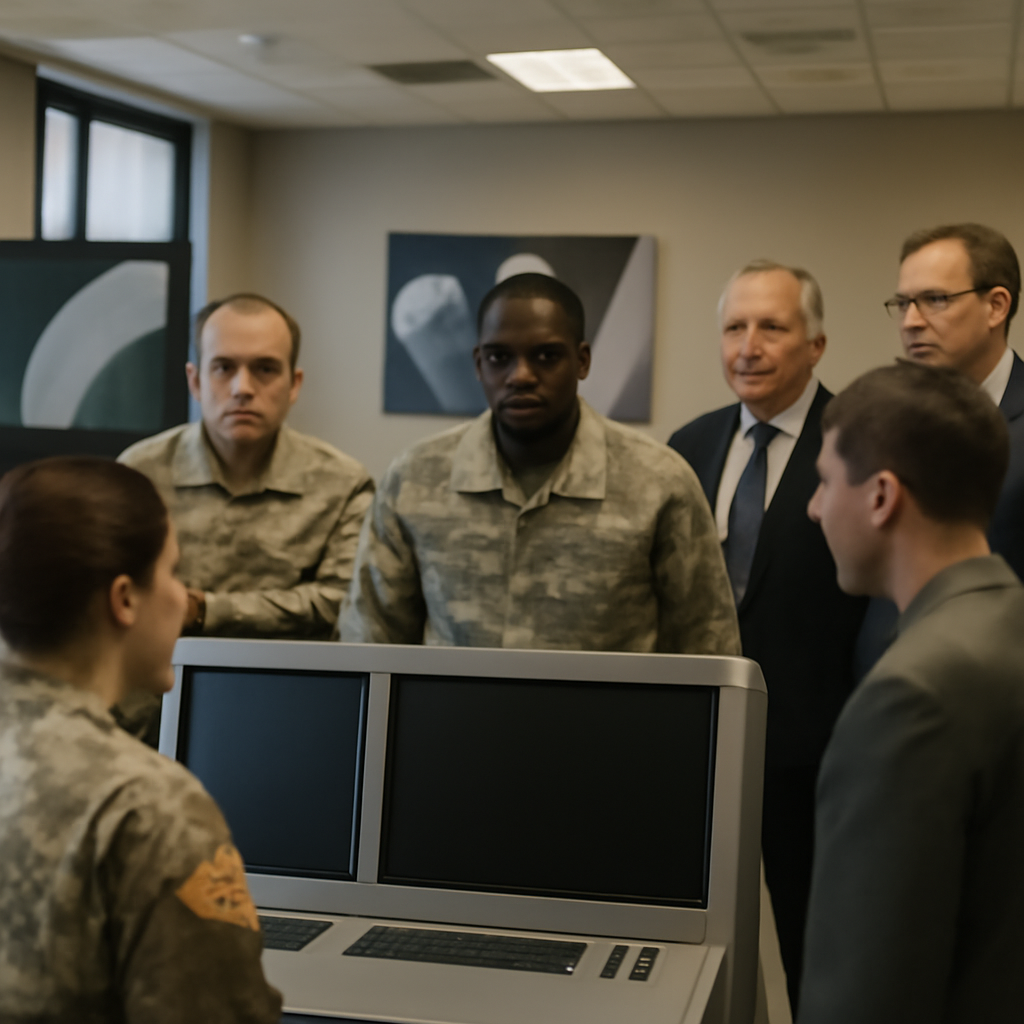
Governments Adapt SATCOM Systems for Dynamic Space Environment
The Australian Department of Defence scrapped its plans for a single-orbit SATCOM system in 2024, recognising that a rapidly changing space landscape and emerging threats demanded a more adaptable approach. Instead, they're prioritising resilient, multi-orbit communications systems to keep missions connected in an increasingly dynamic environment.

US Space Force Grants SpaceX Access to Classified Tracking Data
In a game-changing move, the US Space Force has granted SpaceX exclusive access to its most classified space-tracking data, giving the company an unprecedentedly precise picture of what's happening in low Earth orbit. This deal could revolutionize the way we monitor and utilize space, with SpaceX poised to become a major player in the industry.

Australia Seeks Space Leap with Astronaut Mission
Sending Australia's first female astronaut, Katherine Bennell-Pegg, to the International Space Station on a A$100 million mission with the European Space Agency could be a game-changer, inspiring a nation and unlocking new investment opportunities for the country's booming commercial space sector. The cost is steep, but the potential national benefits could far outweigh the expense.
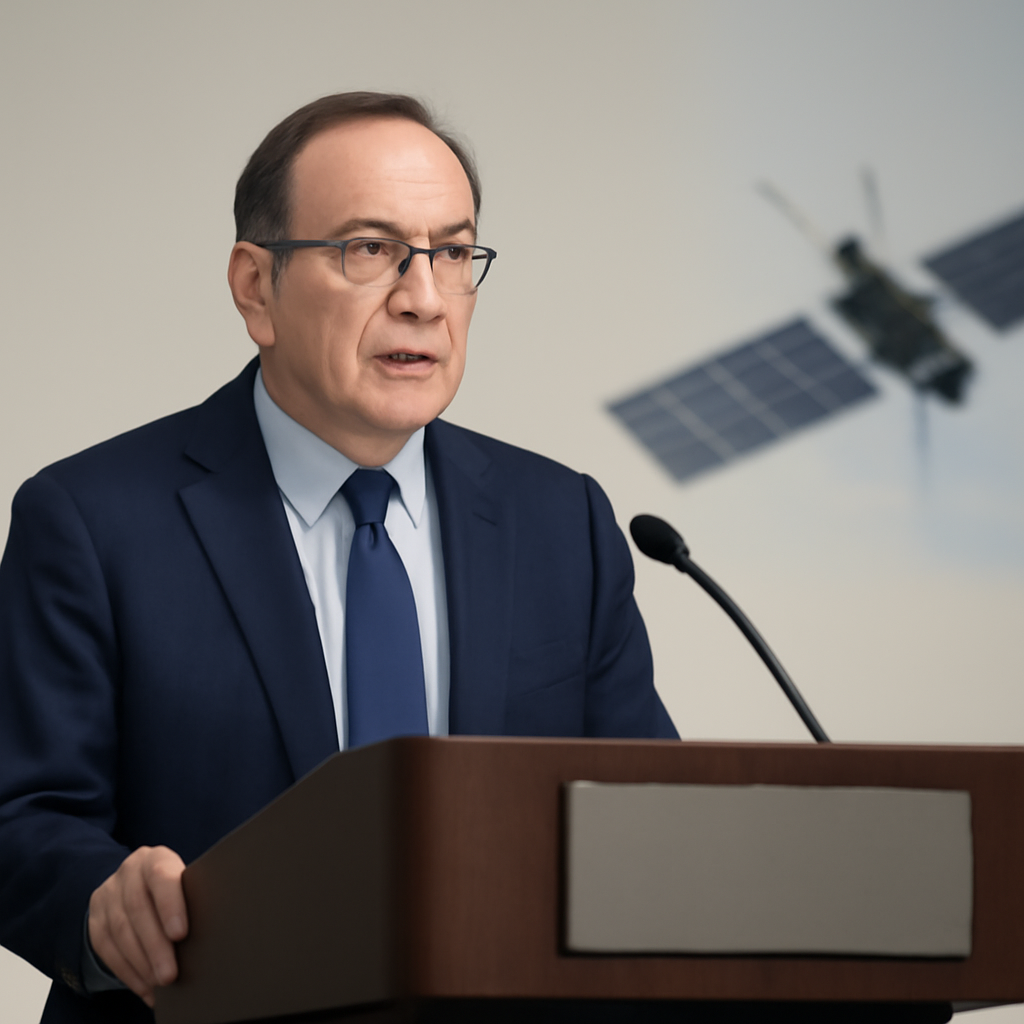
Space Development Agency Delays Orbital Mesh Network Rollout
The Space Development Agency's highly anticipated Orbital Mesh Network rollout has hit a significant snag, with delays now stretching to at least a year, according to SDA director G.P. Sandhoo. The agency's timeline has slipped from a mere three months behind to a substantial 12-month delay.

Pakistan Advances PakSat-2 Satellite Project with ECNEC Approval
Pakistan is one step closer to launching its advanced communications satellite, PakSat-2, after securing approval from the Executive Committee of the National Economic Council (ECNEC) with a budget of $134 million. This milestone marks a significant progress in the country's space exploration efforts.

US Spacewatch Effort TraCSS Faces Funding Crossroads
Eight years after the 2018 Space Policy Directive-3, the US Spacewatch Effort TraCSS is still in pilot mode, failing to deliver on its promise of integrating commercial spacewatch data to enhance space tracking. It's a critical crossroads: will TraCSS get the funding it needs to evolve beyond a pilot program?
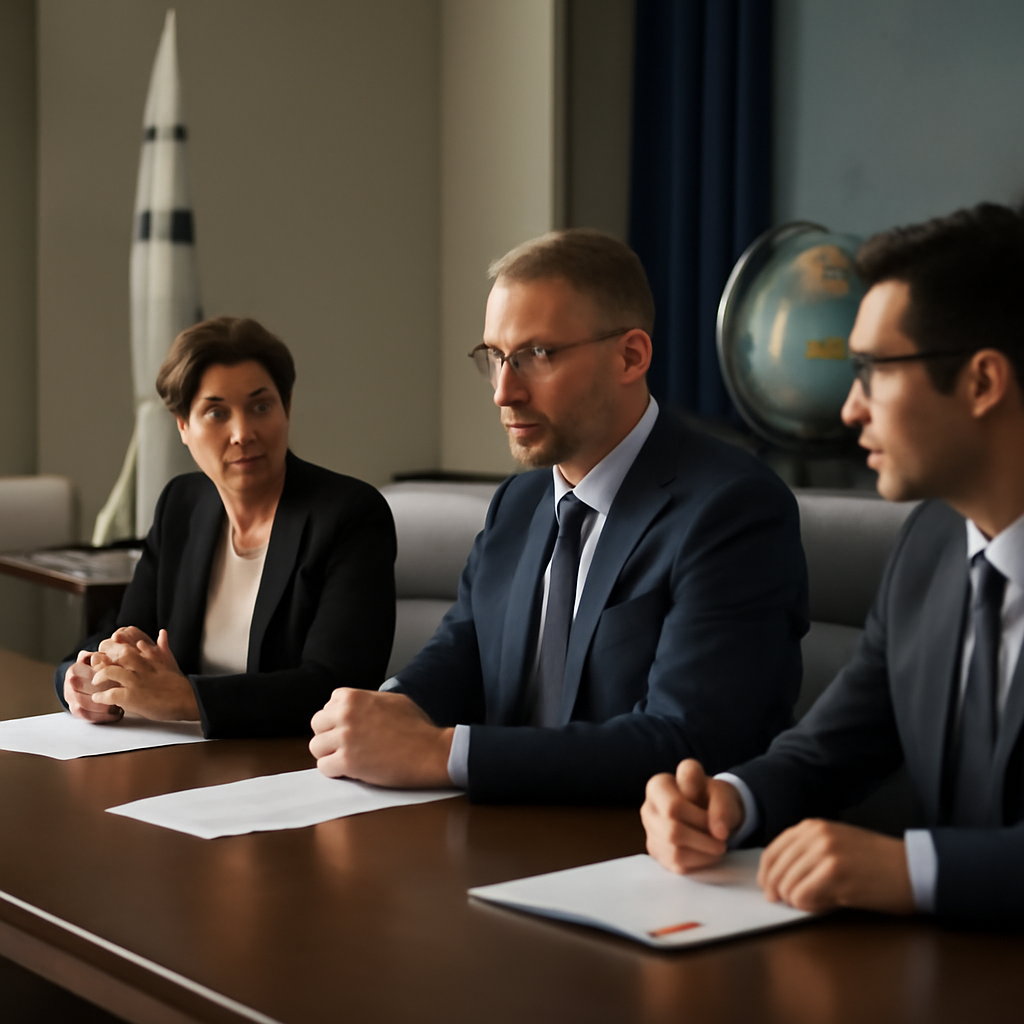
US Space Ambitions Spark Funding Debate
The White House's bold space-launch ambitions are hitting a roadblock: funding. With a lofty goal of over 1,000 US space launches per year by 2030, the question on everyone's mind is, where will the money come from?

UK Bolsters Space Strategy with £7.8B Investment
The UK is set to supercharge its space capabilities with a whopping £7.8 billion investment, boosting satellite launches, threat detection, and everyday services while creating skilled jobs and driving growth. This bold move is expected to unlock a new era of opportunities in space, benefiting industries and citizens alike.
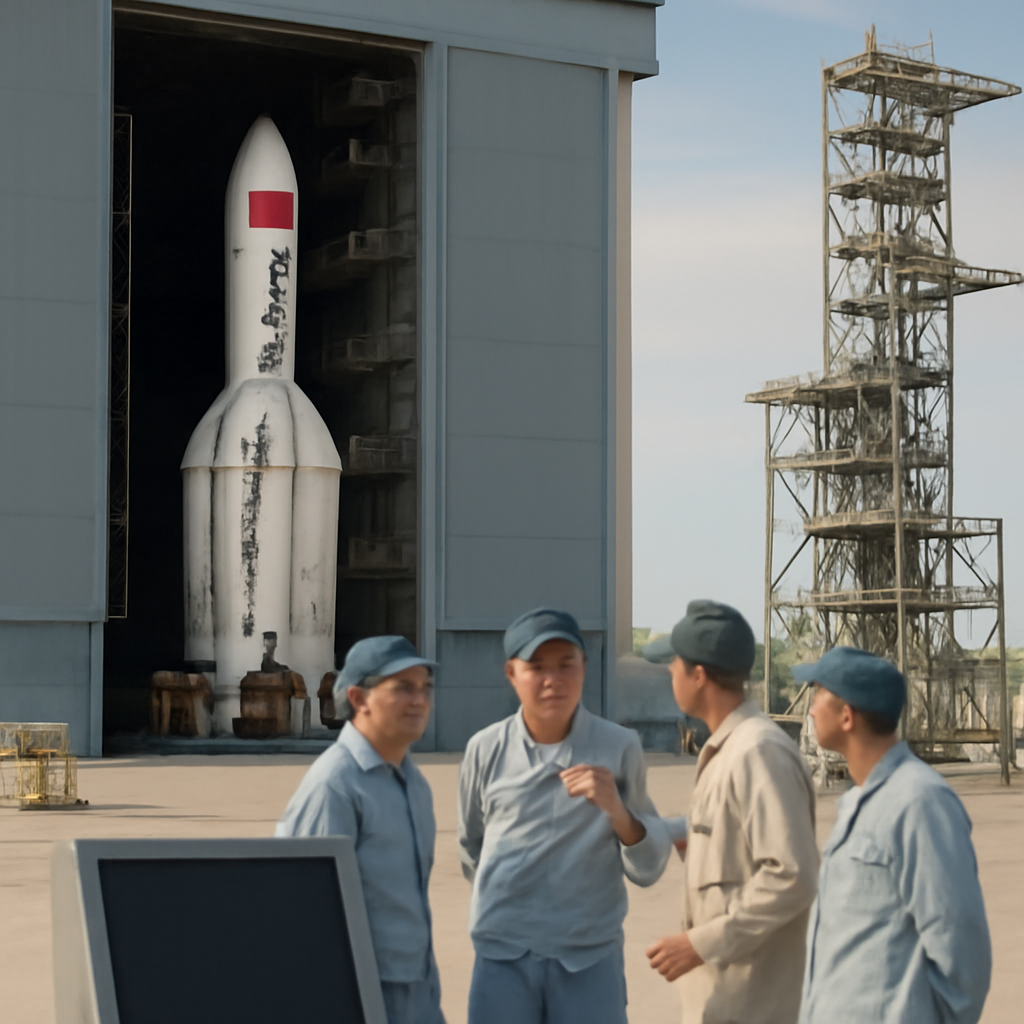
China's Lunar Ambitions Hit Snag with Chang'e-7 Delay
China's ambitious lunar plans have hit a roadblock with the sudden delay of its Chang'e-7 launch, a crucial mission to scout out a future research base on the Moon's south pole. The postponement throws a wrench into the country's quest to establish a foothold on the lunar surface and set the rules for future exploration.
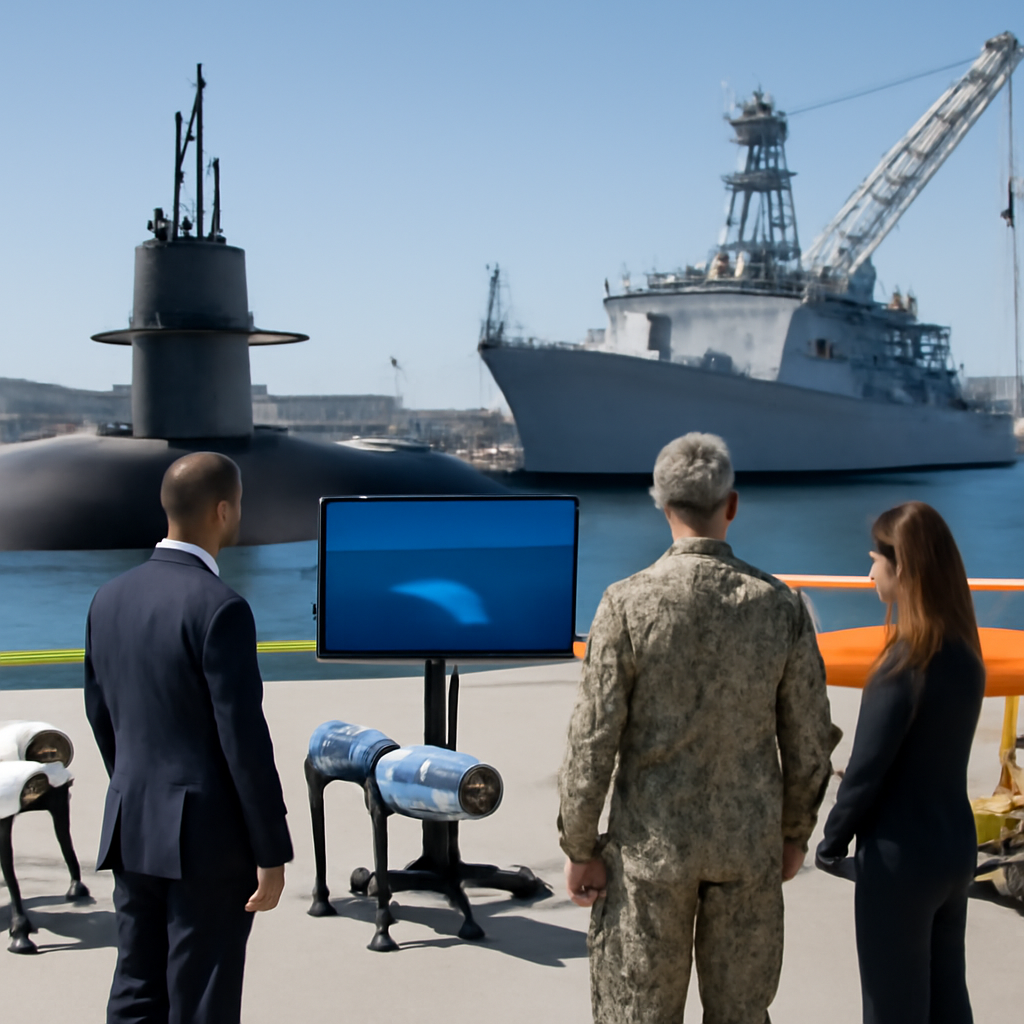
White House Targets AI, Undersea Tech in New Military Priorities
The US military is shifting its focus to cutting-edge tech, prioritizing undersea superiority, space, and artificial intelligence to stay ahead of threats. By combining lower-cost platforms with advanced tech, the goal is to deploy a powerful and flexible defense system.
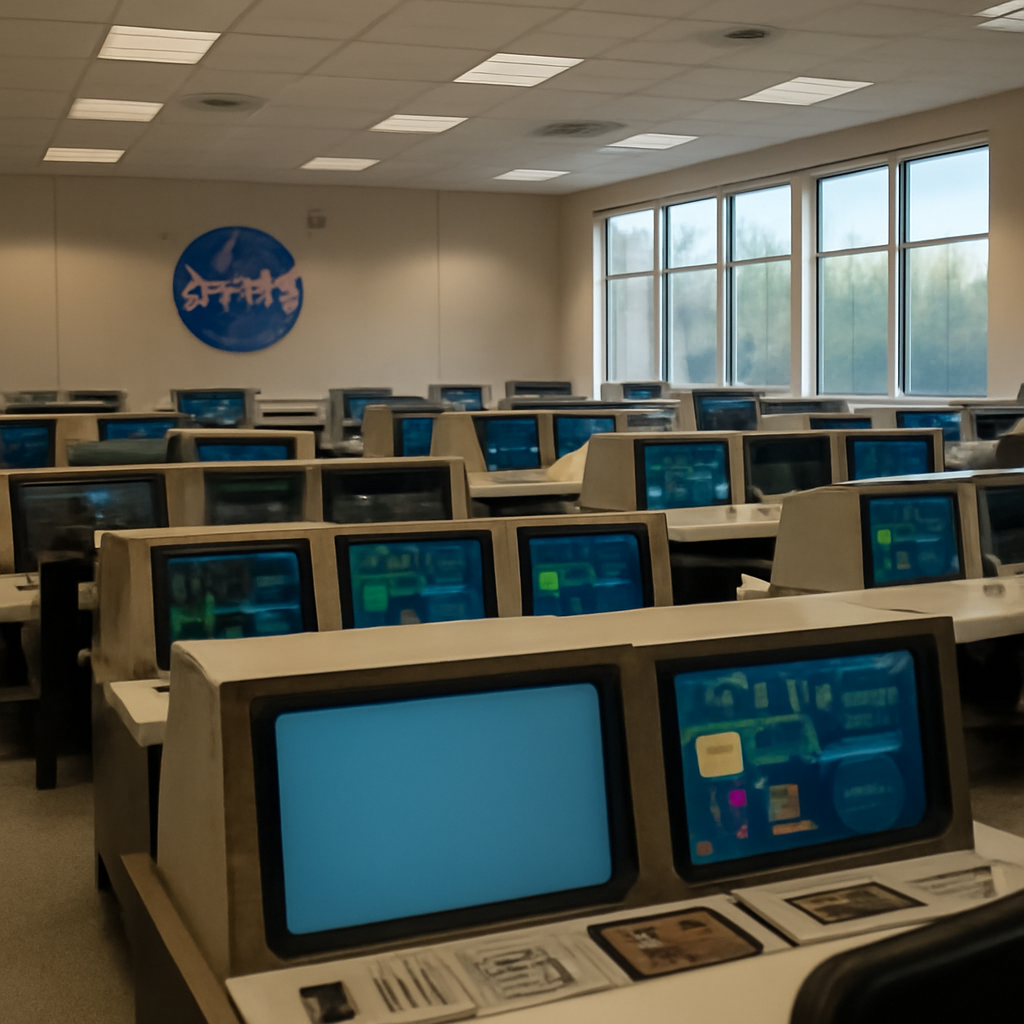
NASA AIT-GUI Flaws Expose Spacecraft to Unauthorized Command Issuance
A chain of flaws in NASA's AIT-GUI system could put spacecraft at risk of receiving unauthorized commands, with a potentially massive blast radius of affected instrument commands. Security researchers at Cycode have sounded the alarm on this vulnerability, rated a near-critical 9.4 on the CVSS scale.
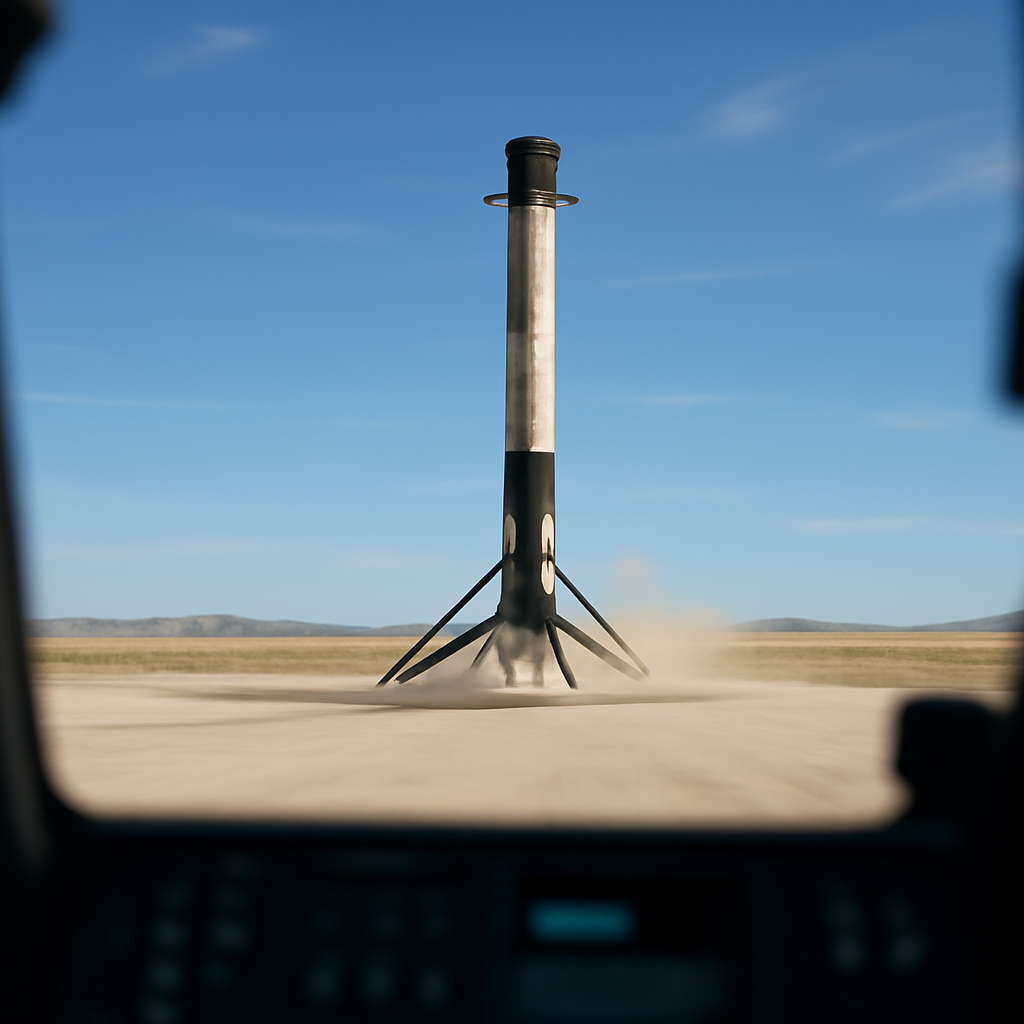
China Advances Reusable Rocket Tech Amid Military Space Expansion
China's LandSpace has achieved a major milestone in reusable rocket technology, successfully landing the first stage of its ZhuQue-3 Y2 launch vehicle after a controlled descent, marking a significant step forward in the country's space ambitions. The rocket launched the Honghu 03 satellite into orbit and demonstrated a crucial recovery capability.
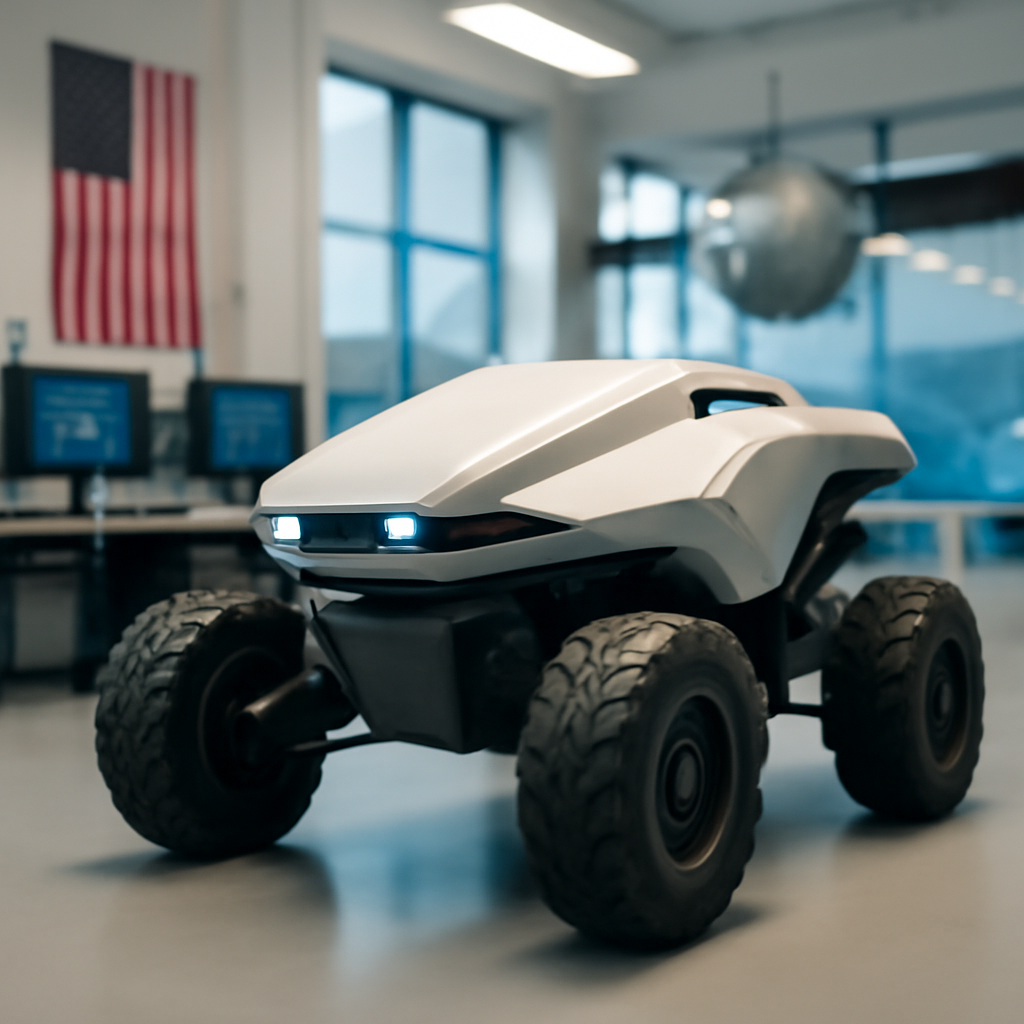
US Tech Strategy Targets Military AI Innovation, Snubs Open-Source Models
The White House's new tech strategy puts military AI innovation front and center, prioritizing cutting-edge tech like foundation models, undersea and space research, and AI autonomy to drive game-changing capabilities. By focusing on areas like multi-agent systems and swarm intelligence, the US aims to stay ahead in the Indo-Pacific region.
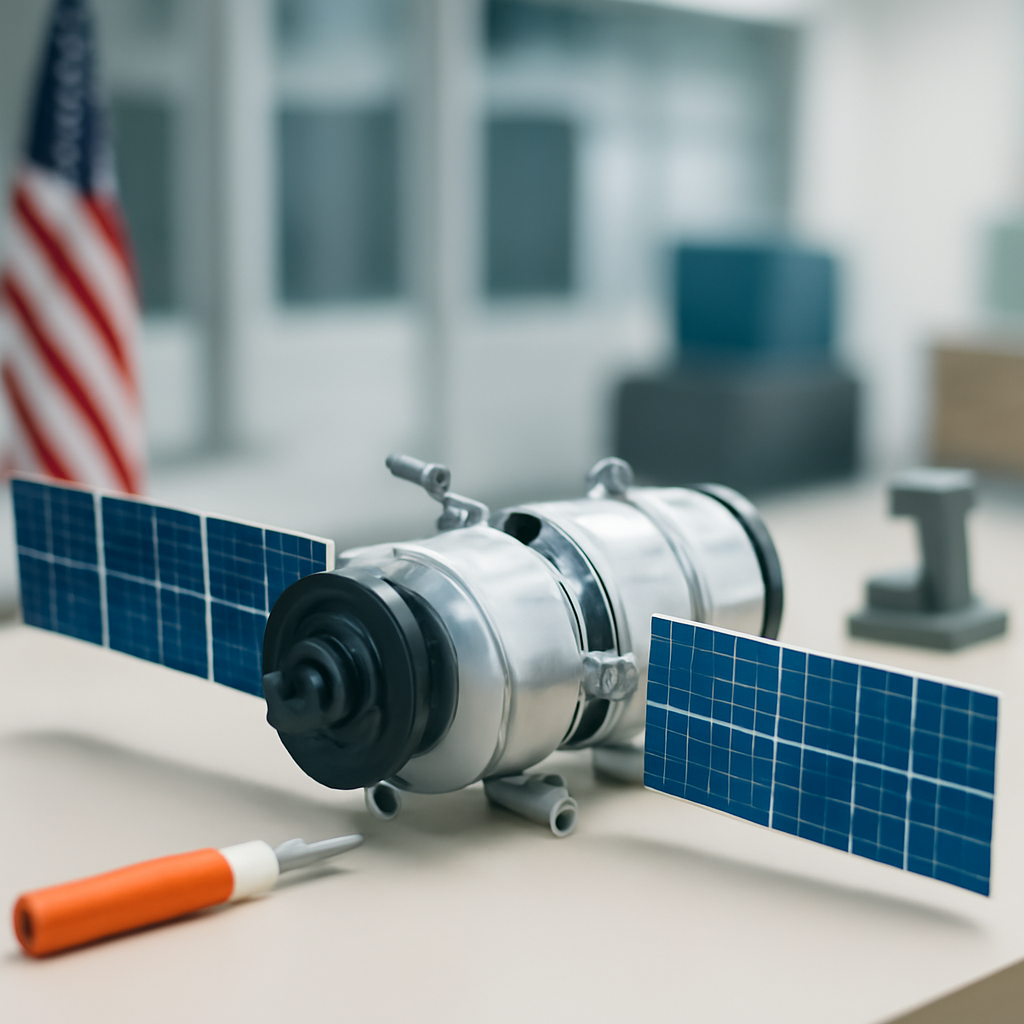
Pentagon Targets Expired Satellites with Deorbiting Tech Contracts
The Pentagon is taking aim at expired satellites with cutting-edge deorbiting technology contracts, recently awarding $8.4 million to three innovative companies - D-Orbit, Firefly Aerospace, and Katalyst Space - to design and demonstrate spacecraft that can safely capture and remove dead satellites from orbit. This Deorbit-as-a-Service effort is a major step towards giving the US government flexible, on-demand access to orbital logistics.

Space Force Enlists Five Firms for Satellite Network Integration
The Space Force is taking a major leap forward in its Space Data Network initiative, partnering with five top companies - including Amazon, Lockheed Martin, and Northrop Grumman - to test the integration of commercial satellite networks. Each company will receive a $12 million contract to help validate the connection of diverse systems to the core network.

Pentagon's Space-Based Interceptor Contest Advances with All 12 Contractors Passing Milestone
The Pentagon's space-based interceptor contest is heating up, with all 12 contractors acing the first milestone in the competition, paving the way for the next round of development contracts. According to Gen. Michael Guetlein, the contenders have successfully passed Gate 1, completing design and component-level testing.
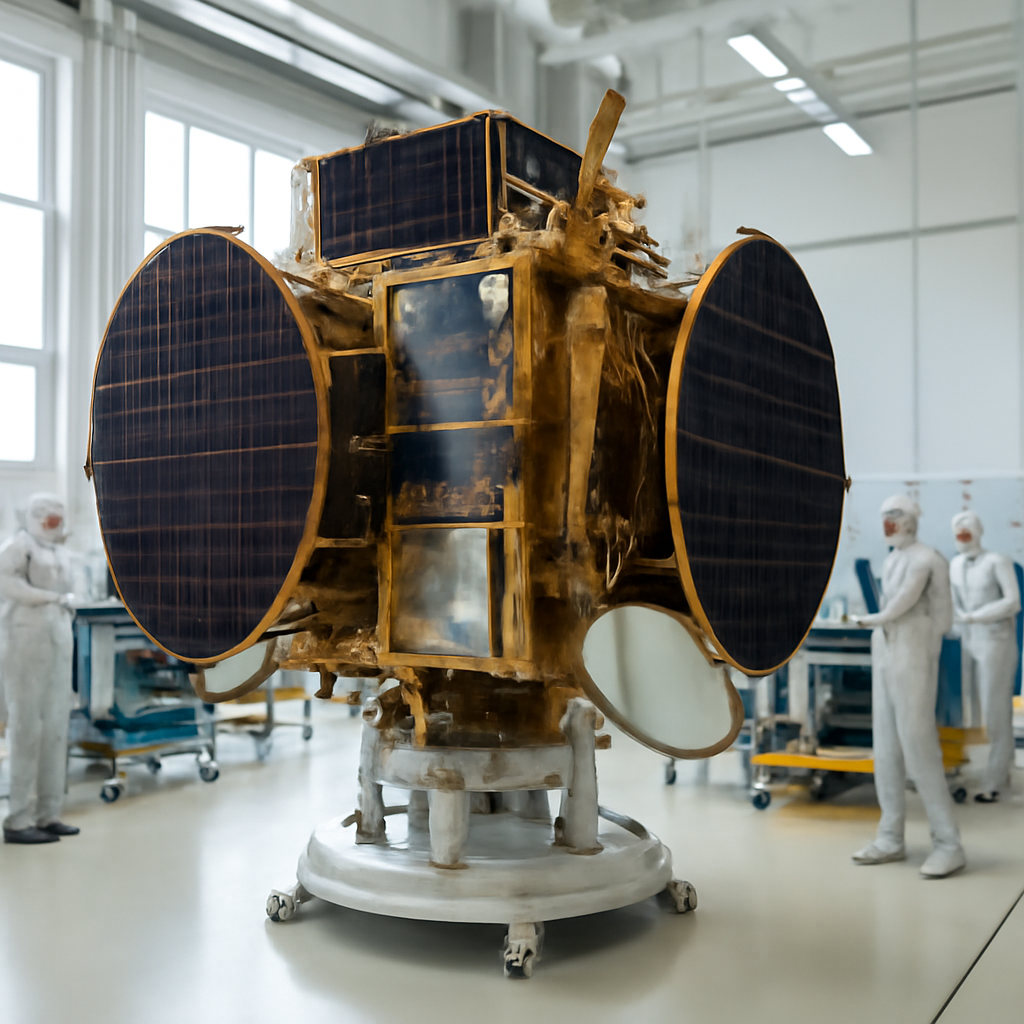
Space Force Taps K2 for Laser Link Tests
The Space Force is pushing the boundaries of space tech with a $22.9 million contract awarded to California startup K2 Space, to test standardized satellite laser-link terminals - a game-changing innovation that could revolutionize satellite communication. This deal, running through 2028, will see K2 integrate and launch the cutting-edge tech on two of its large satellite buses.

Space Force Launches $981M Initiative to Bolster Training Capabilities
The Space Force is supercharging its training capabilities with a $981 million initiative, partnering with 15 top vendors to develop cutting-edge resources for Guardians, who currently face a shortage of instructors, facilities, and simulators for key missions. This five-year contract pool is set to revolutionize training for the next generation of space defenders.
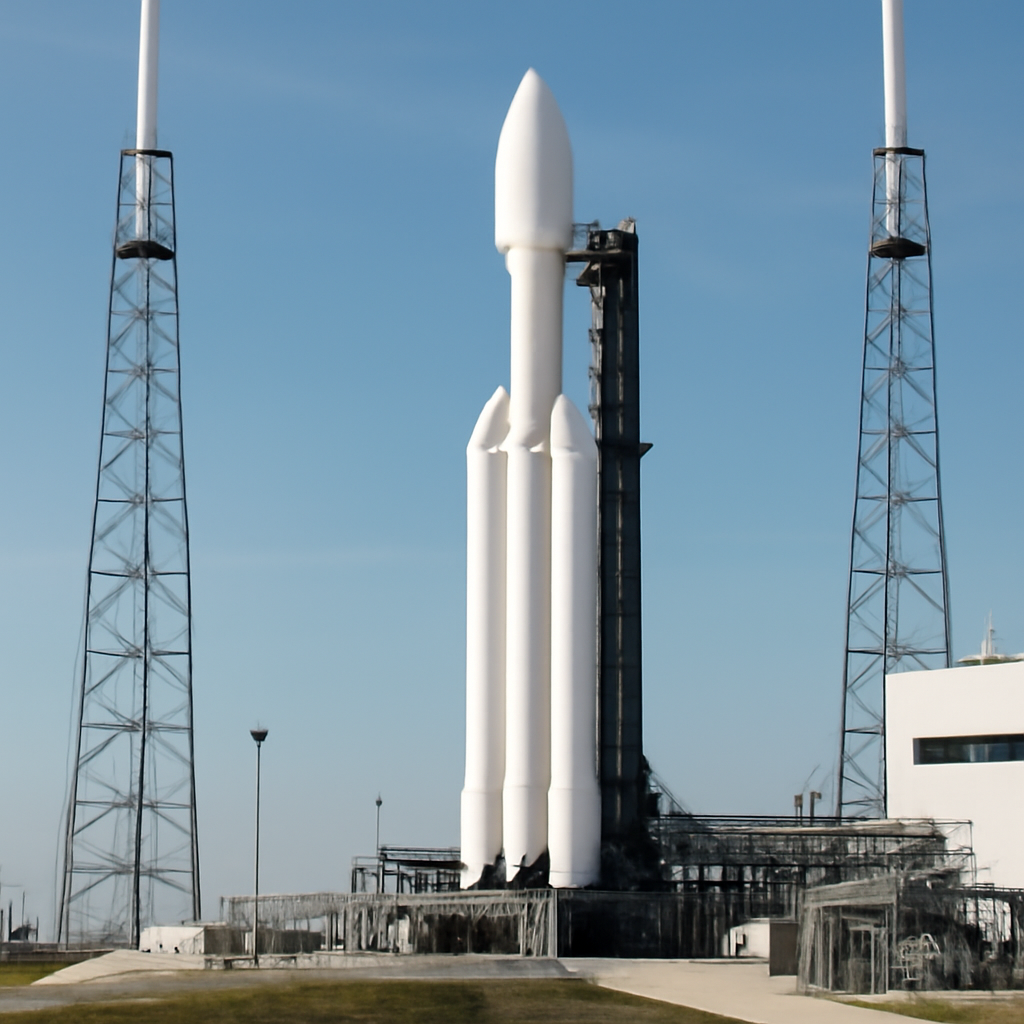
SpaceX Secures $1.6B for Space Force Targeting Satellites Launch
SpaceX is blasting off to new heights with a $1.6 billion boost from the Space Force, securing two task orders to launch targeting satellites into space in 2027. The deal is part of the National Security Space Launch Phase 3 Lane 1 program, a commercial-style procurement channel for critical space missions.
Space Force Bolsters Launch Capacity with $11 Billion Contract Boost
The Space Force is supercharging its launch capacity with an $11 billion contract boost, increasing the Phase 3 Lane 1 contract ceiling to $17 billion to support a whopping 170 missions over the next decade. This massive investment is a response to growing demand for critical capabilities in space.
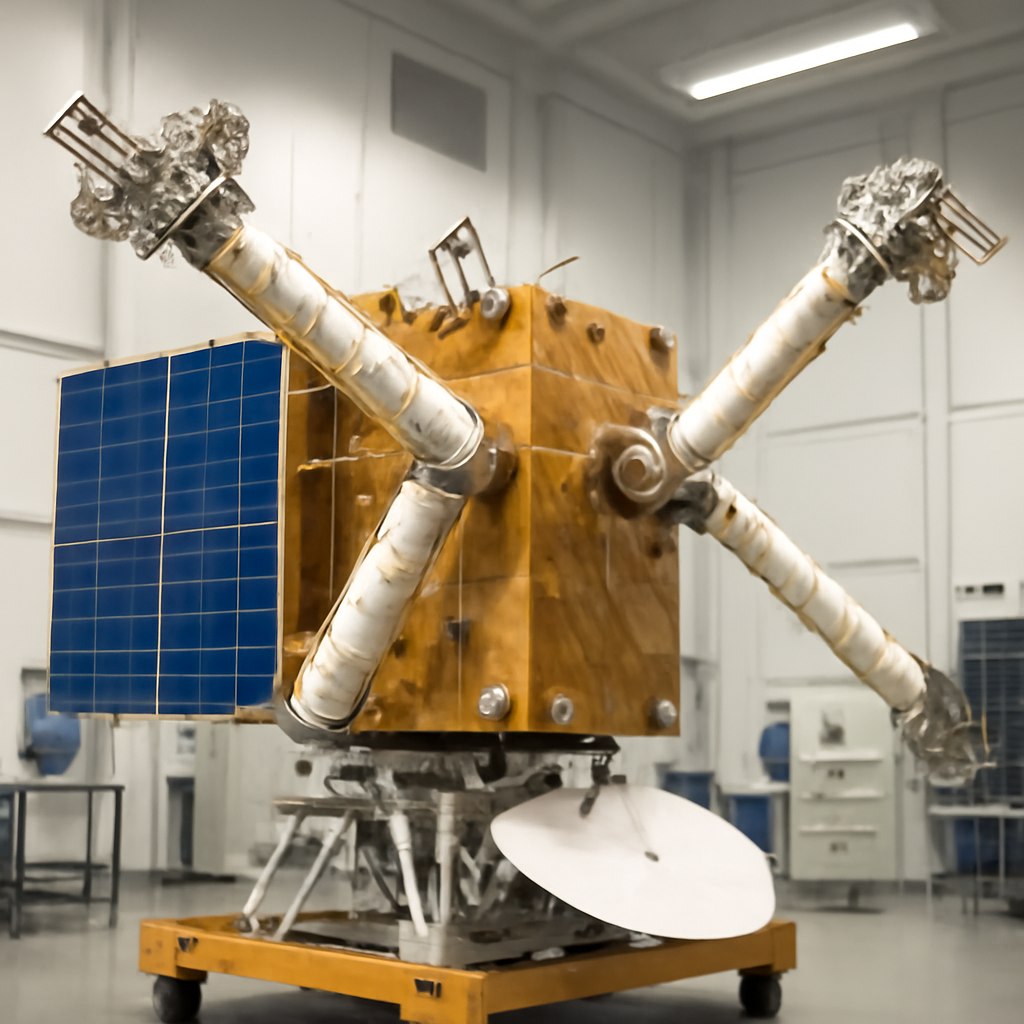
Northrop Spacecraft Raises Questions on Dual-Use Robotic Arms Capability
Imagine a spacecraft that can breathe new life into aging satellites - Northrop Grumman's innovative robotic arms can install life-extending jetpacks, boosting a satellite's lifespan by up to eight years. This cutting-edge tech is set to revolutionize satellite servicing, with Northrop Grumman's Mission Robotic Vehicle leading the charge.
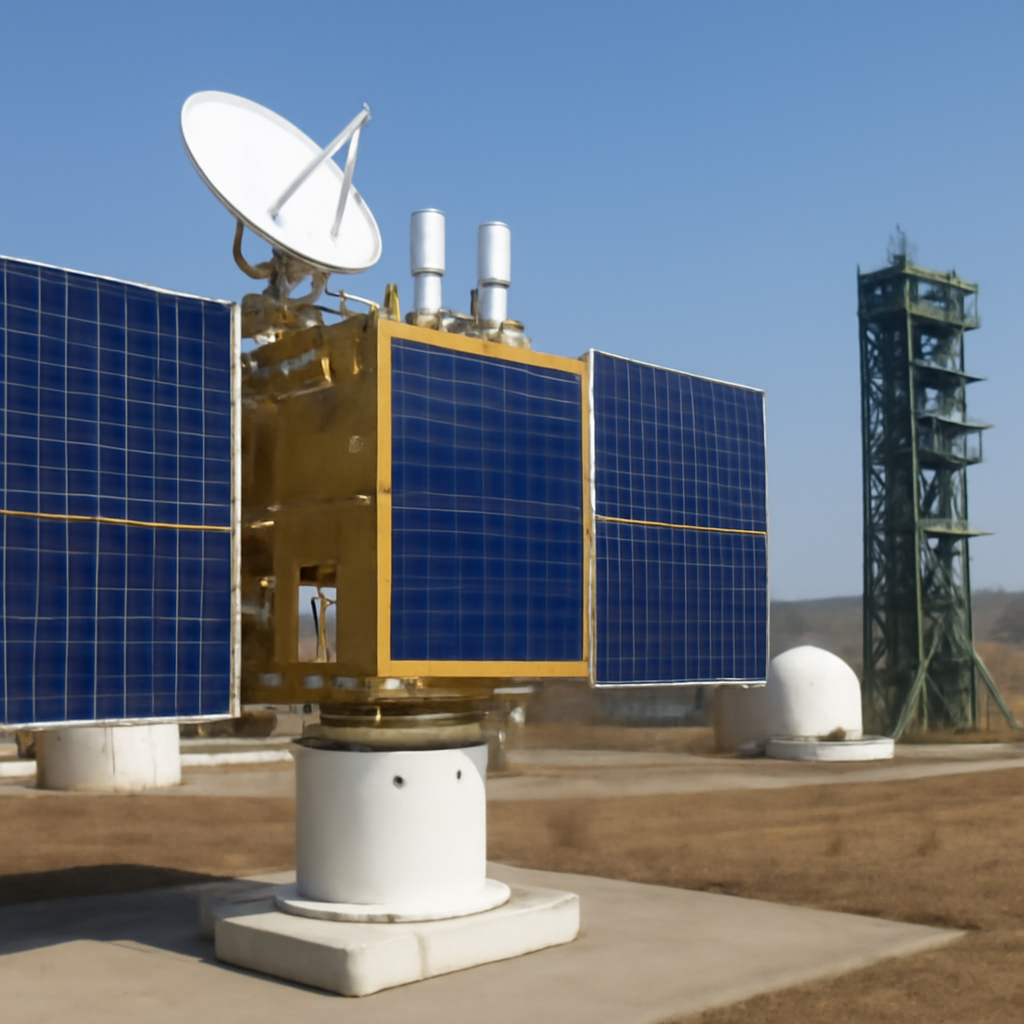
Russia Weighs Intelligence Sharing with North Korea Over Satellite Tech Transfer
North Korea's recent launch of the Malligyong-1 satellite marks a significant tech milestone, but the real challenge lies ahead: developing a network of coordinated satellites to monitor the Korean Peninsula and US military hubs in the Western Pacific. A single satellite just isn't enough for effective surveillance.
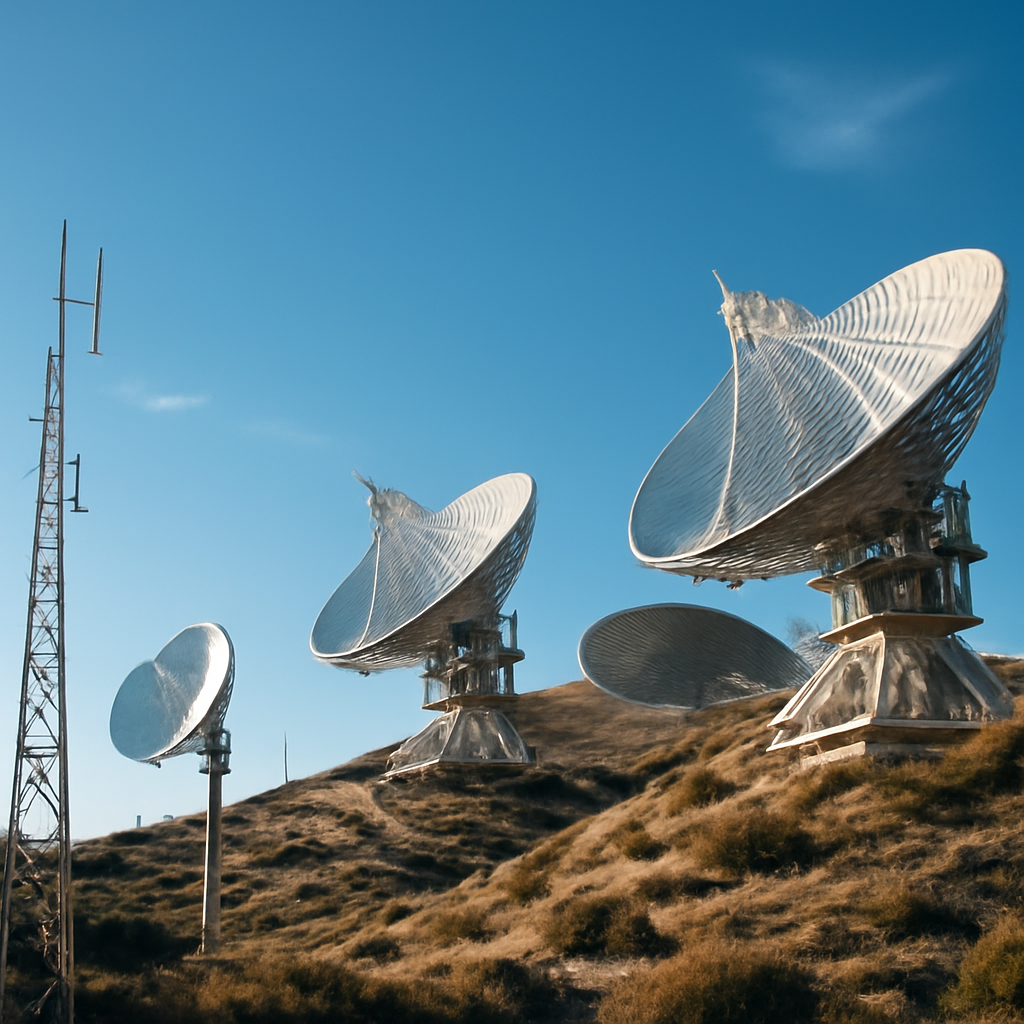
Rocket Lab Expands into Satellite Services with Iridium Acquisition
Rocket Lab is revolutionizing its business model with the planned acquisition of Iridium, a leading satellite communications provider, to create a full-service satellite operator that unlocks new markets and revenue streams. This game-changing deal combines Iridium's trusted infrastructure with Rocket Lab's launch and manufacturing capabilities.

DARPA Seeks Rapid Space System Reconstitution Tech
Imagine having the power to rapidly revive critical space services in mere hours to weeks after a setback - that's what DARPA aims to achieve with its latest quest for innovative space system reconstitution technology. The goal is to swiftly restore vital services to at least minimum levels, responding to urgent needs, lost assets, or unexpected collisions.