Space Systems Command: more missions, more budget
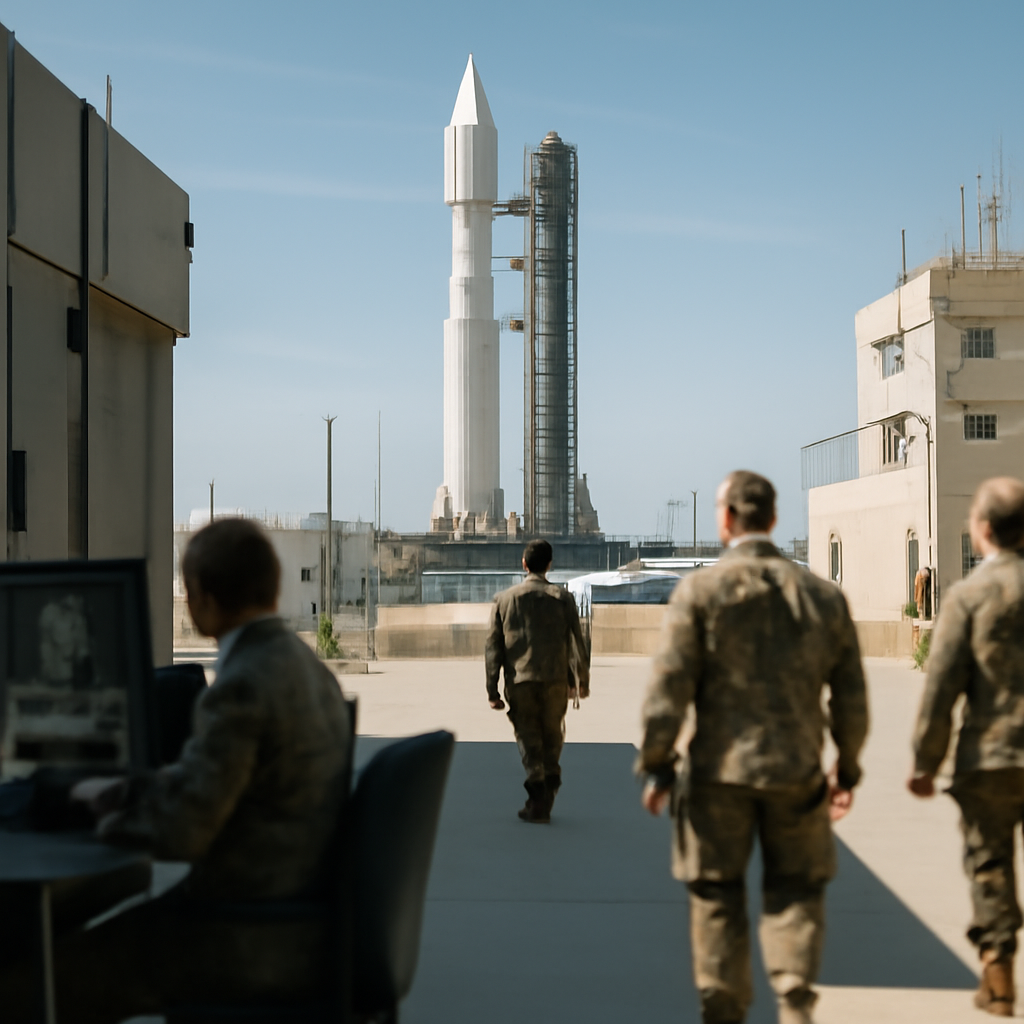
The Space Force has increased the Phase 3 Lane 1 contract ceiling from $5.6 billion to $17 billion — a $11.4 billion boost announced July 17 — to cover an additional 110 launches and raise the total expected missions under the contract to approximately 170 over the next decade, the Space Systems Command (SSC) spokesperson said. SSC framed the ceiling increase as necessary to respond to “growing demand to deliver critical capabilities to orbit.”
The spokesperson also said the Lane 1 ceiling increase allows launch services to be funded through a combination of reconciliation and baseline budget funds.
Phase 3 Lane 1 ID/IQ contract: structure and timeline
The Lane 1 vehicle set is managed as an indefinite delivery/indefinite quantity (ID/IQ) contract with a five-year base and a five-year option spanning the period between 2025 and 2034. Under the ID/IQ model, the contract provides a pool of approved vendors and a ceiling dollar amount; individual launches are procured as discrete task orders competed among those vendors.

Audit-ready is a season. It shouldn't be.
Evidence in spreadsheets, controls drifting between audits, frameworks multiplying on flat headcount. Nubivance runs continuous compliance on Rapid7 Cyber GRC - SOC 2, HIPAA, ISO 27001, PCI, CMMC.
End the scrambleVendors added to the Lane 1 pool and task-order competition
SSC originally selected SpaceX, United Launch Alliance (ULA) and Blue Origin to compete under Lane 1. In March 2025, Rocket Lab and Stoke Space were added to the pool. On July 8, startups Impulse Space and Relativity Federal were also brought into the competition. Vendors on the ID/IQ compete for individual launch task orders; SSC’s statement frames the ceiling increase as a response to the new estimated mission quantities expected to be ordered.
Launch buying to date: SpaceX, Blue Origin and recent task orders
So far, SpaceX has received the bulk of task orders under Lane 1. The timeline of published task orders in the source material is as follows:
- October 2024: SpaceX received the first Lane 1 task order, valued at almost $734 million, covering seven Space Development Agency (SDA) launches plus an undisclosed number of National Reconnaissance Office (NRO) launches.
- January 9, 2025: SpaceX won another task order for nine launches for both SDA and NRO, worth $739 million.
- April 1, 2025: SpaceX secured a task order for two SDA launches, worth $178 million.
- May 28, 2025: Blue Origin won its first task order under Lane 1 — awarded just hours before the company’s New Glenn rocket exploded and heavily damaged its Cape Canaveral launch pad.
The source notes that SpaceX has “nabbed the bulk” of the task orders to date, without providing a complete tally of all task orders covered by the new ceiling.
What this means for SpaceX, Blue Origin, and Space Systems Command
SpaceX: The company has already been the primary recipient of Lane 1 task orders, with multiple multi-hundred-million-dollar awards for SDA and NRO launches. The higher ceiling and the expanded mission estimate create a larger pool of potential future task orders available for competition.
Blue Origin: The company won its first Lane 1 task order on May 28 but suffered a New Glenn explosion that heavily damaged its Cape Canaveral launch pad hours later, an event noted alongside its first award in the source material.
Space Systems Command: SSC has justified the ceiling increase as a response to “growing demand” for orbital delivery capacity, and it has indicated the new ceiling permits funding through both reconciliation and baseline budgets while enabling an estimated 170 missions to be ordered across the ID/IQ contract period.
The Space Force’s decision to triple the Lane 1 ceiling — and the attendant rise in expected missions to roughly 170 between 2025 and 2034 — changes the scale of procurement available to the approved pool of vendors. With SpaceX having collected the majority of publicly reported task orders so far, the practical question the record leaves is how the expanded ceiling will translate into future task orders across the larger vendor pool and how recent launch failures or pad damage will affect individual vendors’ ability to compete for upcoming missions.